Introduction
Amlenetug Biosimilar is a therapeutic antibody that specifically targets the protein alpha-synuclein. This biosimilar is a research grade version of the original Amlenetug antibody, which has shown promising results in preclinical studies for the treatment of neurodegenerative diseases such as Parkinson’s and Alzheimer’s. In this article, we will discuss the structure, activity, and potential applications of Amlenetug Biosimilar as a promising therapeutic option for these debilitating diseases.
Structure of Amlenetug Biosimilar
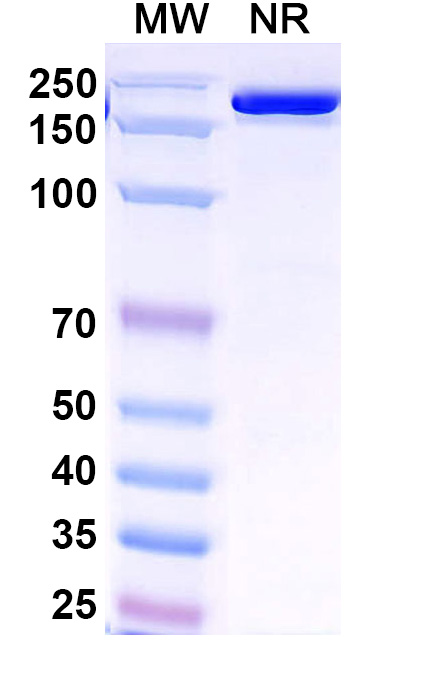
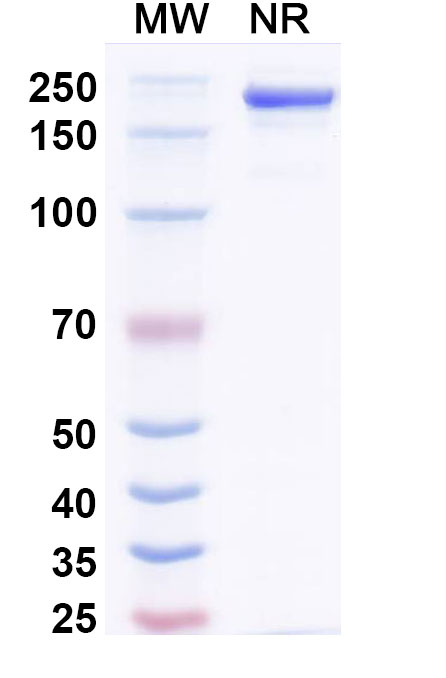
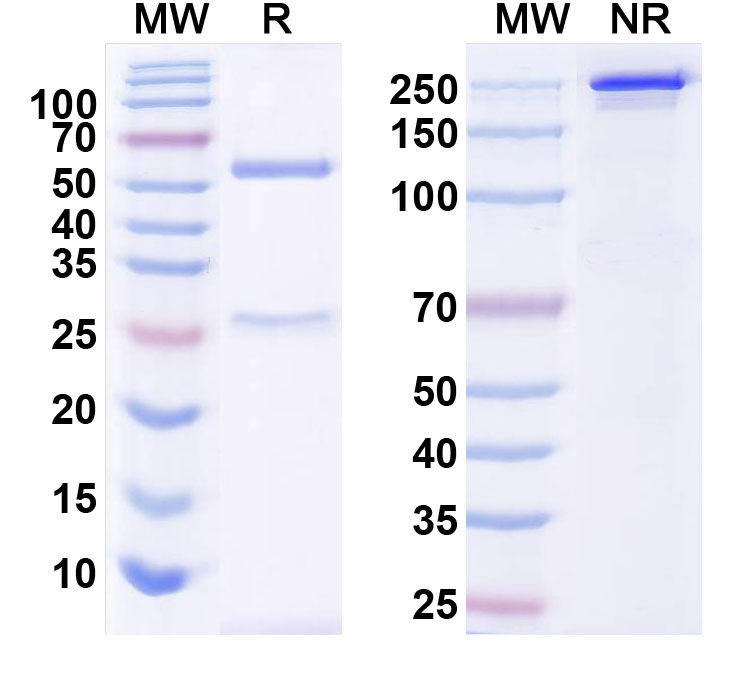
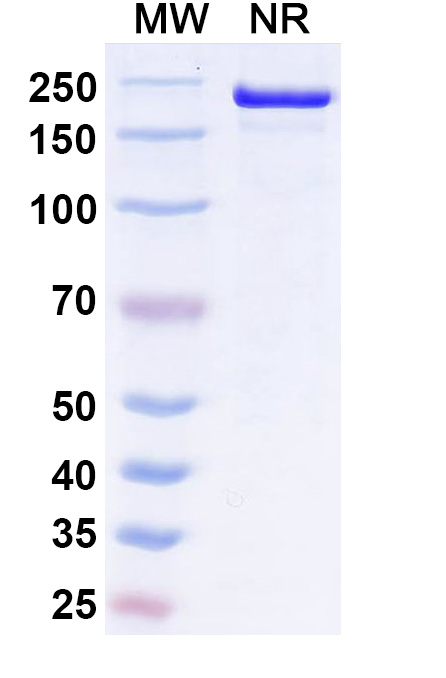
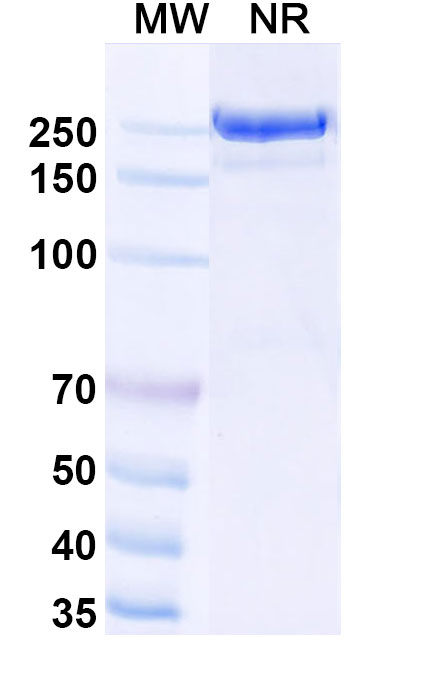
Amlenetug Biosimilar is a monoclonal antibody, meaning it is produced from a single clone of cells and is therefore highly specific in its binding to its target protein. The antibody is composed of two identical heavy chains and two identical light chains, all of which are connected by disulfide bonds. The variable regions of the heavy and light chains are responsible for binding to alpha-synuclein, while the constant regions determine the antibody’s effector functions.
Targeting Alpha-synuclein
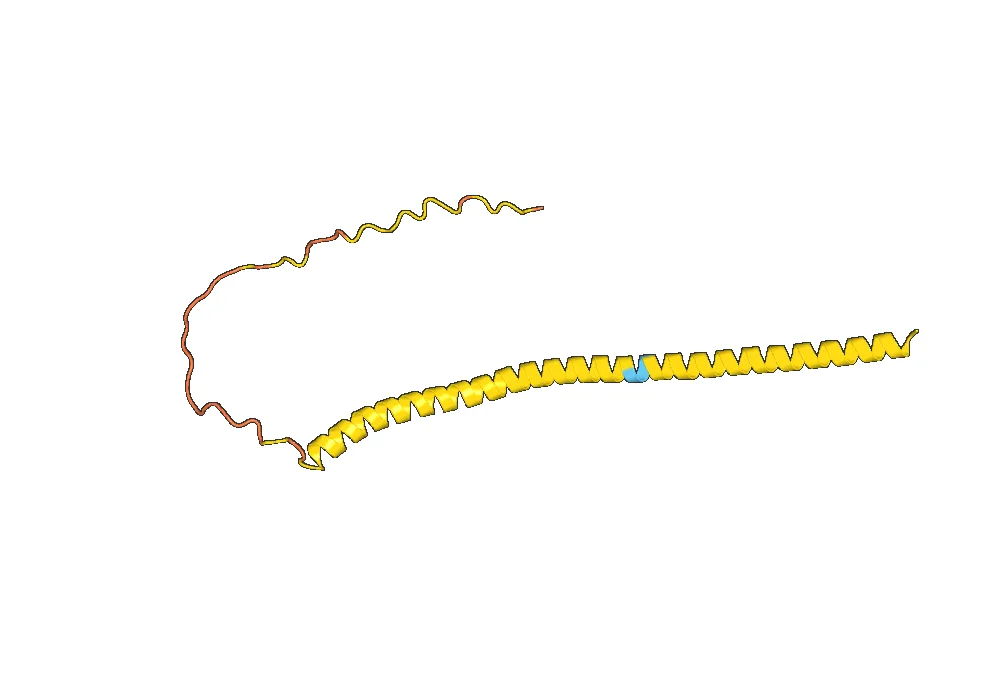
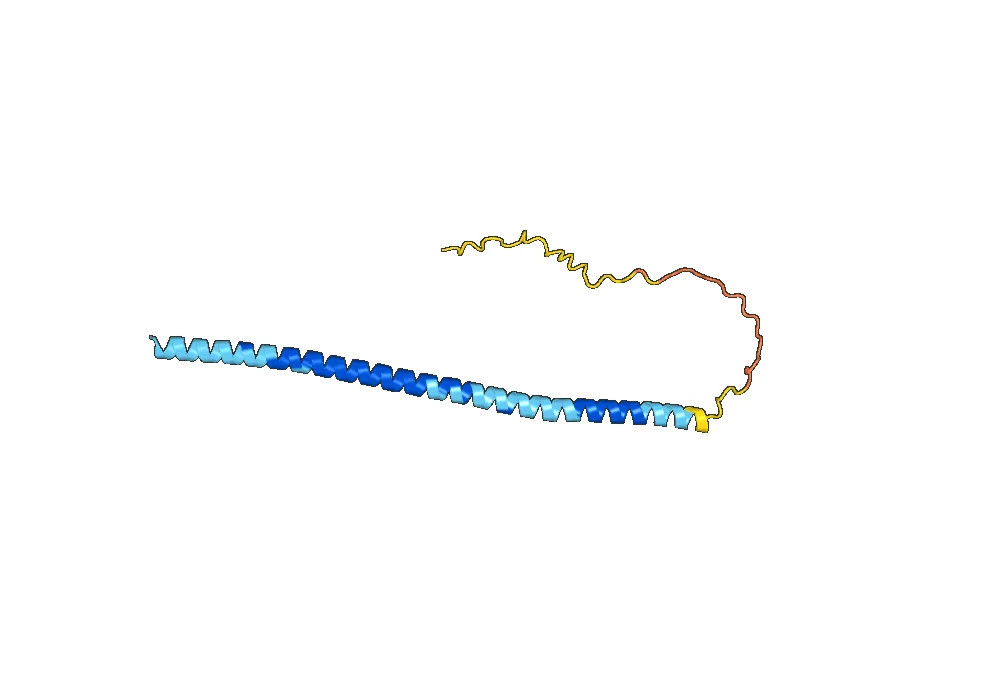
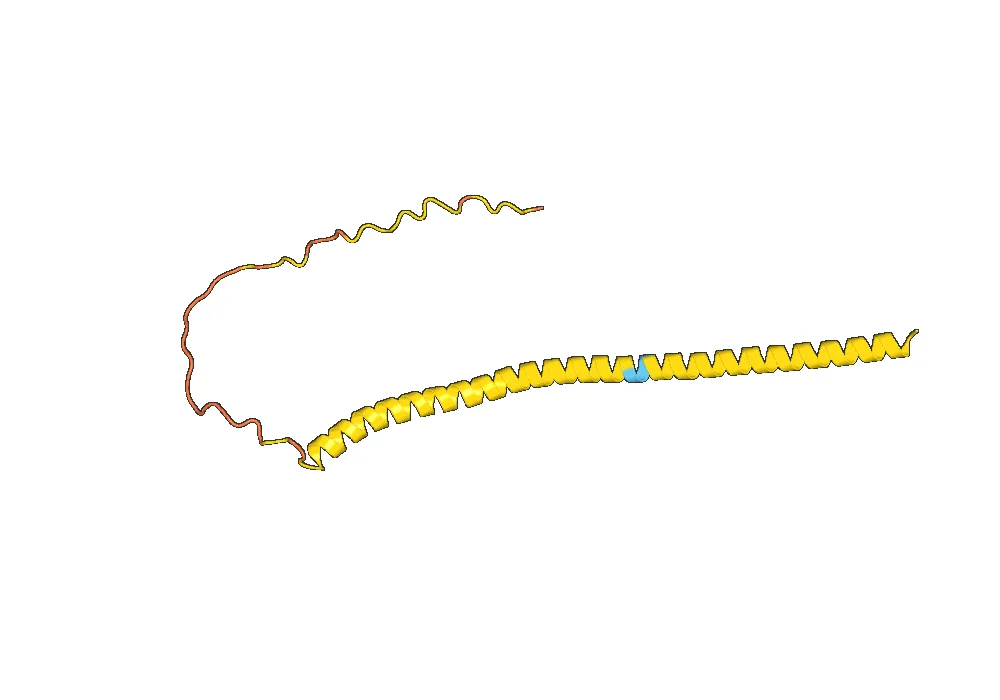
Alpha-synuclein is a protein that is found in high concentrations in the brain and is believed to play a role in the development of neurodegenerative diseases. In healthy individuals, alpha-synuclein is present in a soluble form, but in diseases such as Parkinson’s and Alzheimer’s, it can form clumps or aggregates that are toxic to neurons. Amlenetug Biosimilar specifically targets these aggregated forms of alpha-synuclein, preventing them from causing further damage to the brain.
Activity of Amlenetug Biosimilar
Amlenetug Biosimilar works by binding to alpha-synuclein and preventing its aggregation. This not only reduces the toxic effects of the protein, but also promotes its clearance from the brain. Additionally, the antibody can also activate the immune system to target and eliminate the aggregated forms of alpha-synuclein.
Preclinical Studies
In preclinical studies, Amlenetug Biosimilar has shown promising results in reducing the accumulation of alpha-synuclein and improving motor function in animal models of Parkinson’s and Alzheimer’s. It has also been shown to have a good safety profile, with no significant side effects observed.
Applications of Amlenetug Biosimilar
Given its ability to target and clear aggregated alpha-synuclein, Amlenetug Biosimilar has the potential to be an effective treatment option for neurodegenerative diseases. It could also be used as a diagnostic tool to detect the presence of aggregated alpha-synuclein in the brain, allowing for early detection and intervention in these diseases.
Therapeutic Potential
The development of Amlenetug Biosimilar as a therapeutic antibody has the potential to greatly impact the treatment of neurodegenerative diseases. It could potentially slow or even halt the progression of these diseases, improving the quality of life for patients and their caregivers.
Future Directions
Further research is needed to fully understand the potential of Amlenetug Biosimilar in the treatment of neurodegenerative diseases. Clinical trials are currently underway to evaluate its safety and efficacy in humans, and if successful, this biosimilar could become a valuable addition to the existing treatment options for these diseases.
Conclusion
In summary, Amlenetug Biosimilar is a promising therapeutic antibody that specifically targets and clears aggregated alpha-synuclein. Its structure, activity, and potential applications make it a promising candidate for the treatment of neurodegenerative diseases. Further research and clinical trials will determine its full potential and impact in the field of neurodegenerative disease treatment.
There are no reviews yet.