Introduction to Balugrastim Biosimilar – Anti-G-CSF Receptor Fusion Protein
Balugrastim Biosimilar, also known as Anti-G-CSF Receptor Fusion Protein, is a research grade antibody that has shown promising results in the treatment of various diseases. This fusion protein is a biosimilar to the well-known drug, Granulocyte Colony-Stimulating Factor (G-CSF), which is used to stimulate the production of white blood cells in patients with compromised immune systems. In this article, we will delve into the structure, activity, and potential applications of Balugrastim Biosimilar.
Structure of Balugrastim Biosimilar
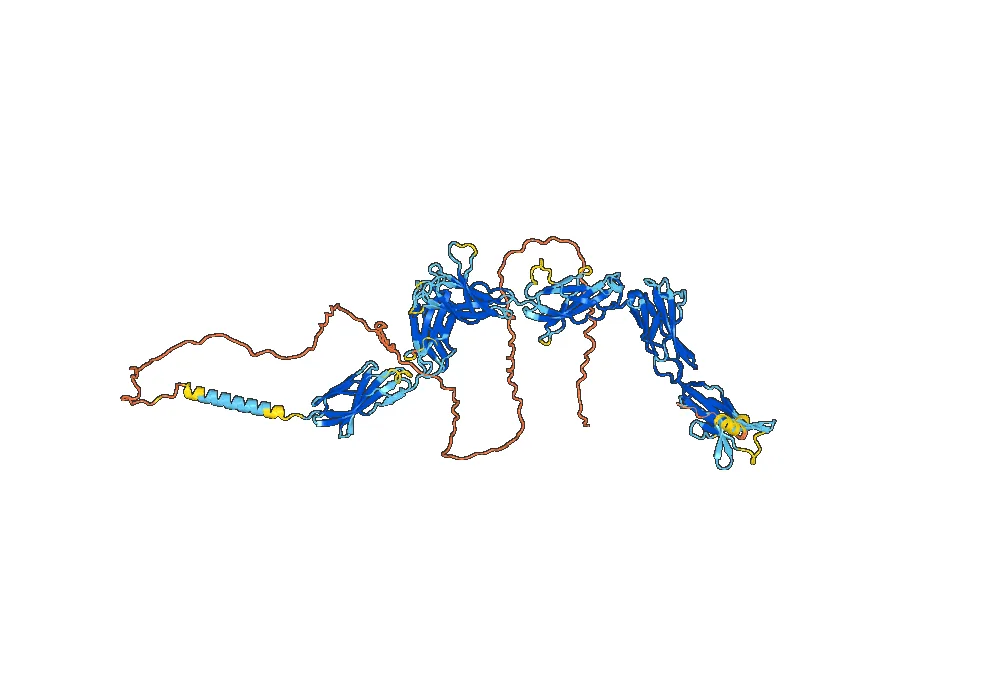
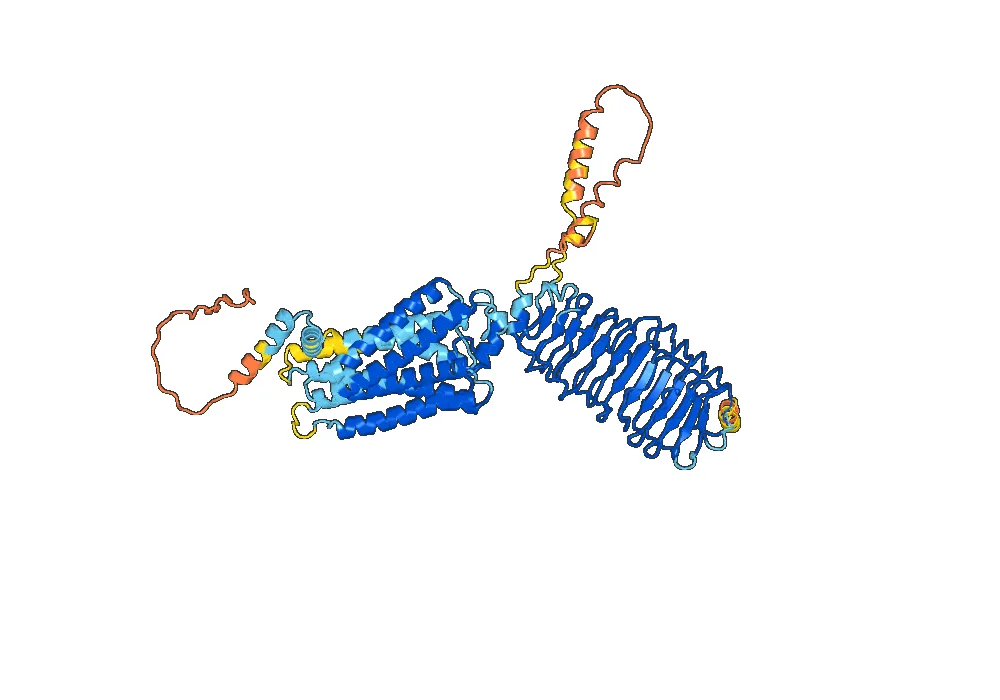
Balugrastim Biosimilar is a fusion protein composed of two parts – a G-CSF receptor binding domain and an Fc domain. The G-CSF receptor binding domain is responsible for targeting the G-CSF receptor, which is found on the surface of white blood cells. This binding domain is crucial for the activity of the fusion protein as it allows for specific targeting of the drug to the desired cells.
The Fc domain, on the other hand, is responsible for the half-life and stability of the fusion protein. This domain is derived from the constant region of an antibody and is known to extend the half-life of the drug in the body. Additionally, the Fc domain also plays a role in the immune response, as it can interact with immune cells and trigger an immune response.
Activity of Balugrastim Biosimilar
The primary activity of Balugrastim Biosimilar is to stimulate the production of white blood cells, specifically neutrophils, in patients with compromised immune systems. This is achieved by binding to the G-CSF receptor on the surface of white blood cells and activating a signaling pathway that leads to the production and release of neutrophils from the bone marrow.
Aside from its primary activity, Balugrastim Biosimilar has also shown potential in modulating the immune response. Studies have shown that the Fc domain of the fusion protein can interact with immune cells and promote the production of anti-inflammatory cytokines. This suggests that Balugrastim Biosimilar may have therapeutic potential in diseases characterized by an overactive immune response, such as autoimmune disorders.
Title: Applications of Balugrastim Biosimilar
The primary application of Balugrastim Biosimilar is in the treatment of neutropenia, a condition characterized by a low number of neutrophils in the blood. This condition can occur as a result of various factors, including chemotherapy, radiation therapy, and certain diseases. By stimulating the production of neutrophils, Balugrastim Biosimilar can help prevent infections and improve the overall health of patients with neutropenia.
In addition to its use in neutropenia, Balugrastim Biosimilar is also being studied for its potential in other diseases. As mentioned earlier, its ability to modulate the immune response makes it a promising candidate for the treatment of autoimmune disorders. Furthermore, there is ongoing research on the use of Balugrastim Biosimilar in bone marrow transplantation and wound healing.
Conclusion
In summary, Balugrastim Biosimilar, also known as Anti-G-CSF Receptor Fusion Protein, is a research grade antibody with a unique structure and activity. Its primary function is to stimulate the production of white blood cells, making it a valuable drug in the treatment of neutropenia. However, its potential in modulating the immune response opens up possibilities for its use in other diseases. With ongoing research, Balugrastim Biosimilar has the potential to improve the lives of patients with various conditions.

There are no reviews yet.