Introduction to Cemavafusp Biosimilar – Anti-B7-H1 fusion protein
Cemavafusp Biosimilar is a novel anti-B7-H1 fusion protein that has been developed as a potential therapeutic agent for the treatment of various diseases. This research grade protein is a biosimilar of the original Cemavafusp, which has shown promising results in clinical trials. In this article, we will discuss the structure, activity, and potential applications of Cemavafusp Biosimilar as an antibody-based therapy targeting B7-H1.
Structure of Cemavafusp Biosimilar
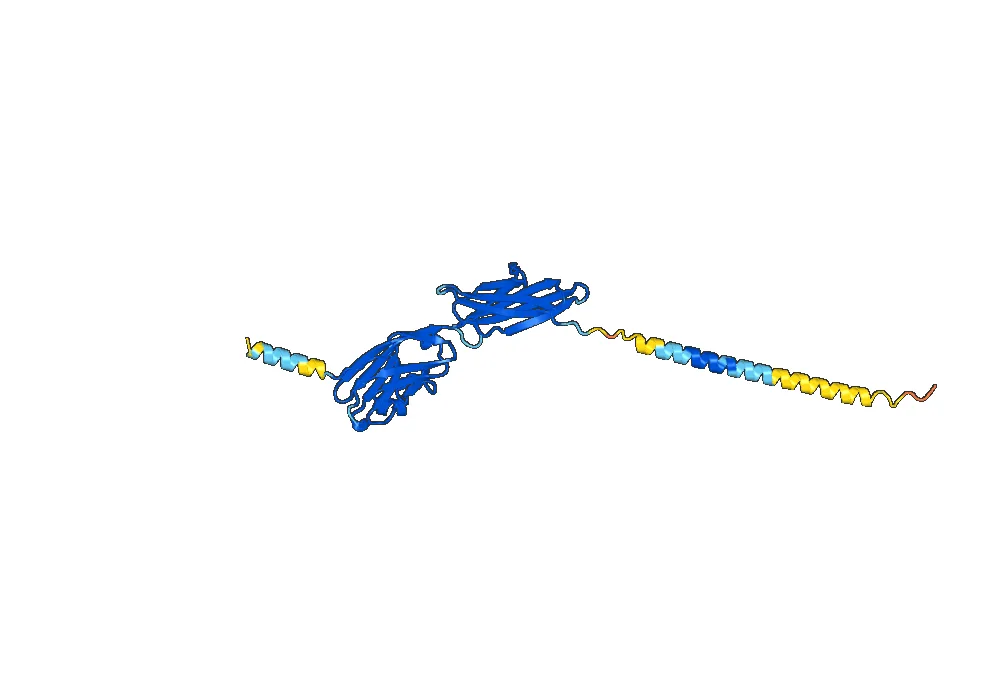
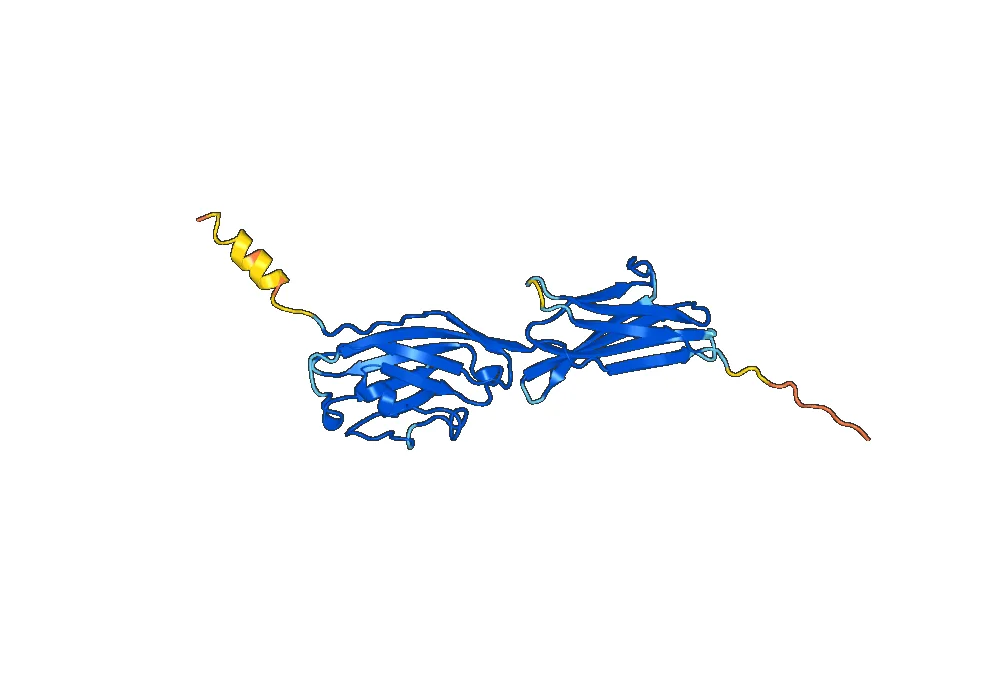
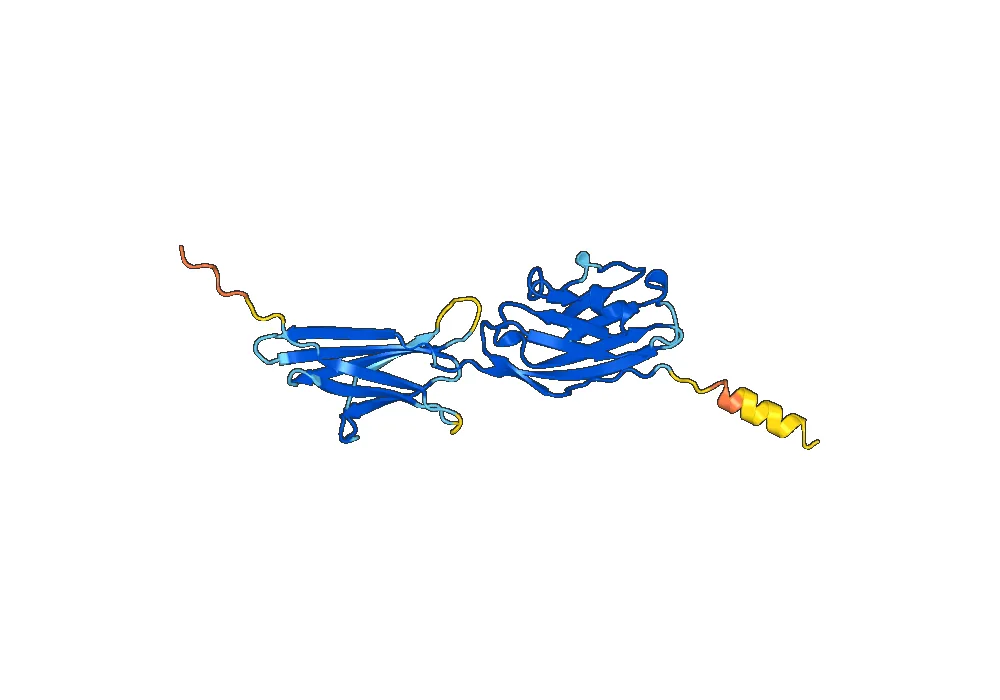
Cemavafusp Biosimilar is a fusion protein composed of two parts – the anti-B7-H1 antibody and the Fc region of human immunoglobulin G1 (IgG1). The anti-B7-H1 antibody is a monoclonal antibody that specifically binds to B7-H1, a protein expressed on the surface of various cells, including cancer cells. The Fc region of IgG1 provides stability and effector functions to the fusion protein.
The anti-B7-H1 antibody portion of Cemavafusp Biosimilar is a humanized antibody, meaning it has been engineered to reduce its immunogenicity while retaining its binding specificity and affinity for B7-H1. This makes it a safe and effective therapeutic agent for use in humans.
Activity of Cemavafusp Biosimilar
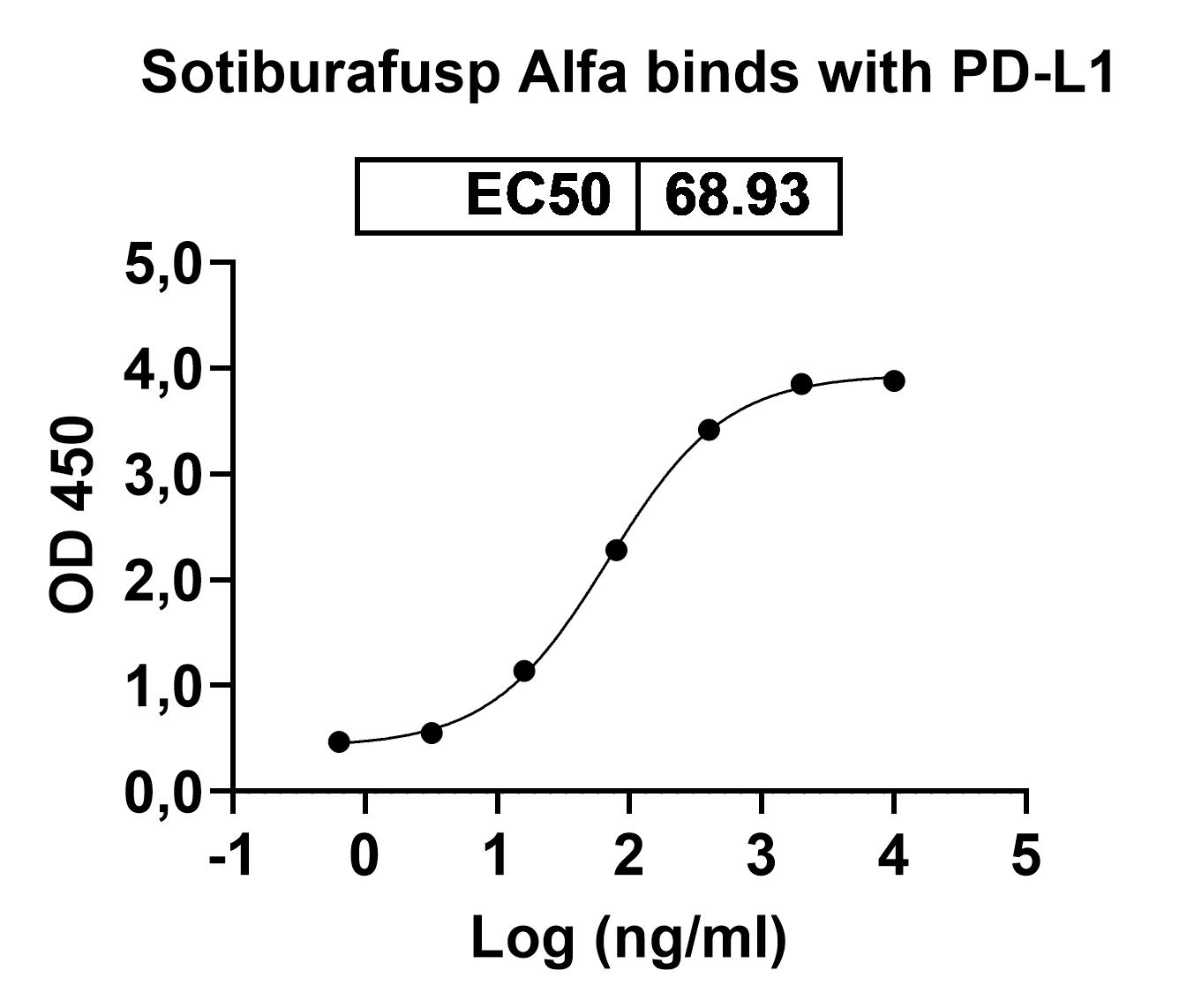
The main activity of Cemavafusp Biosimilar is to block the interaction between B7-H1 and its receptor, programmed death-1 (PD-1). This interaction is known to play a crucial role in suppressing the immune response against cancer cells. By binding to B7-H1, Cemavafusp Biosimilar prevents PD-1 from binding to B7-H1, thereby restoring the immune response against cancer cells.
In addition to its primary activity, Cemavafusp Biosimilar also has other potential activities. It can induce antibody-dependent cell-mediated cytotoxicity (ADCC) and complement-dependent cytotoxicity (CDC) against B7-H1 expressing cells. This means that it can activate the immune system to directly kill cancer cells expressing B7-H1.
Applications of Cemavafusp Biosimilar
Cemavafusp Biosimilar has shown promising results in preclinical studies and is currently being evaluated in clinical trials for the treatment of various cancers. Some of the potential applications of this biosimilar include:
1.
Cancer immunotherapy
Cemavafusp Biosimilar has the potential to be used as a monotherapy or in combination with other cancer treatments, such as chemotherapy or other immunotherapies. By targeting B7-H1, it can enhance the immune response against cancer cells and potentially improve treatment outcomes.
2. Autoimmune diseases B7-H1 has been implicated in the development of autoimmune diseases, such as rheumatoid arthritis and lupus. Cemavafusp Biosimilar has the potential to block the B7-H1/PD-1 pathway and modulate the immune response, making it a potential therapeutic option for these diseases.
3.
Transplant rejection
B7-H1 is also involved in the immune response against transplanted organs, leading to rejection. Cemavafusp Biosimilar has the potential to prevent this rejection by blocking the B7-H1/PD-1 pathway and suppressing the immune response against the transplanted organ.
4.
Infectious diseases
Cemavafusp Biosimilar has shown potential in the treatment of infectious diseases, such as viral infections and bacterial infections, by enhancing the immune response against these pathogens. It has also been shown to have a synergistic effect when used in combination with antibiotics or antiviral drugs.
5. Other therapeutic targets In

There are no reviews yet.