Introduction
Efzimfotase Alfa Biosimilar is a fusion protein that targets the alkaline phosphatase (ALP) enzyme, which is found in the liver, bone, and kidney. This biosimilar has been researched and developed for its potential therapeutic applications in various diseases and conditions. In this article, we will discuss the structure, activity, and potential applications of Efzimfotase Alfa Biosimilar as a research grade antibody.
Structure of Efzimfotase Alfa Biosimilar
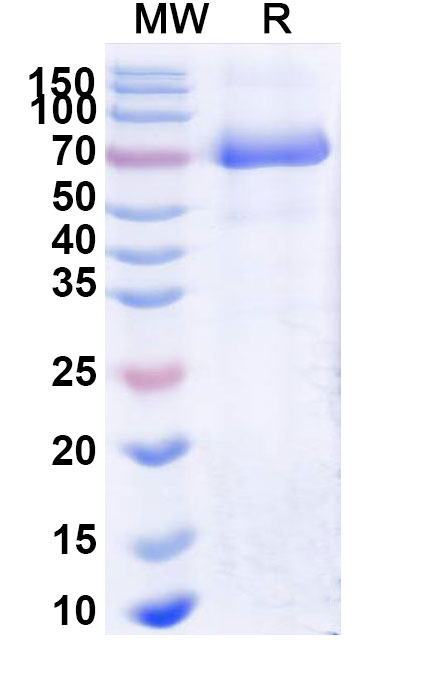
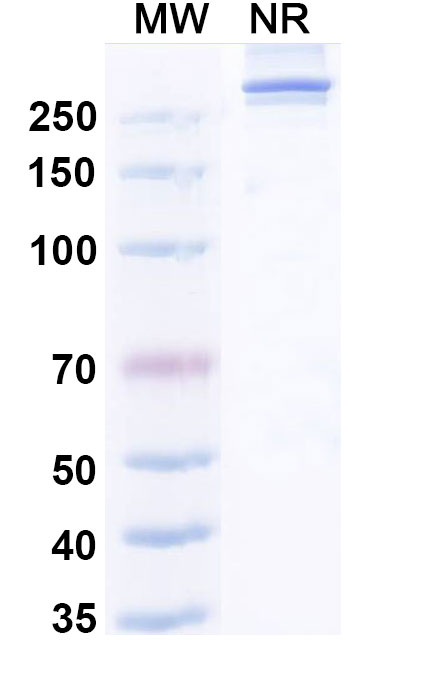
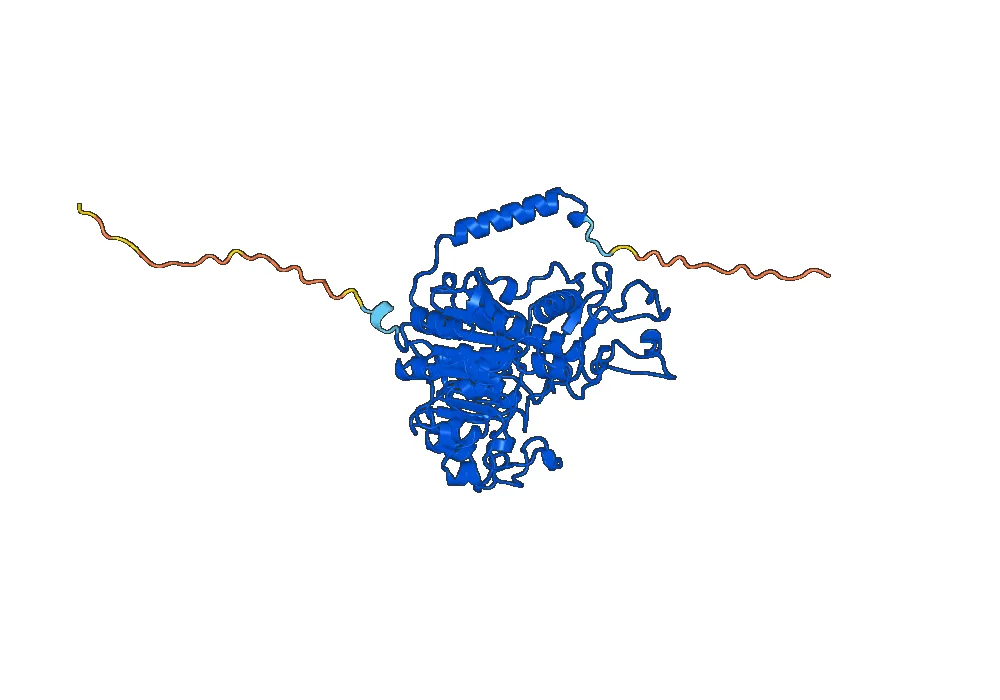
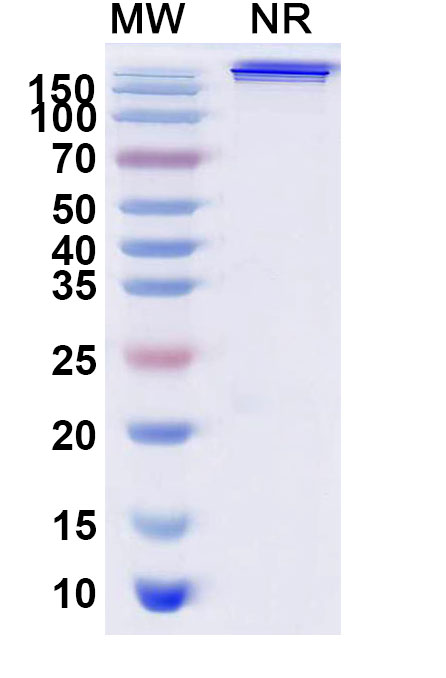
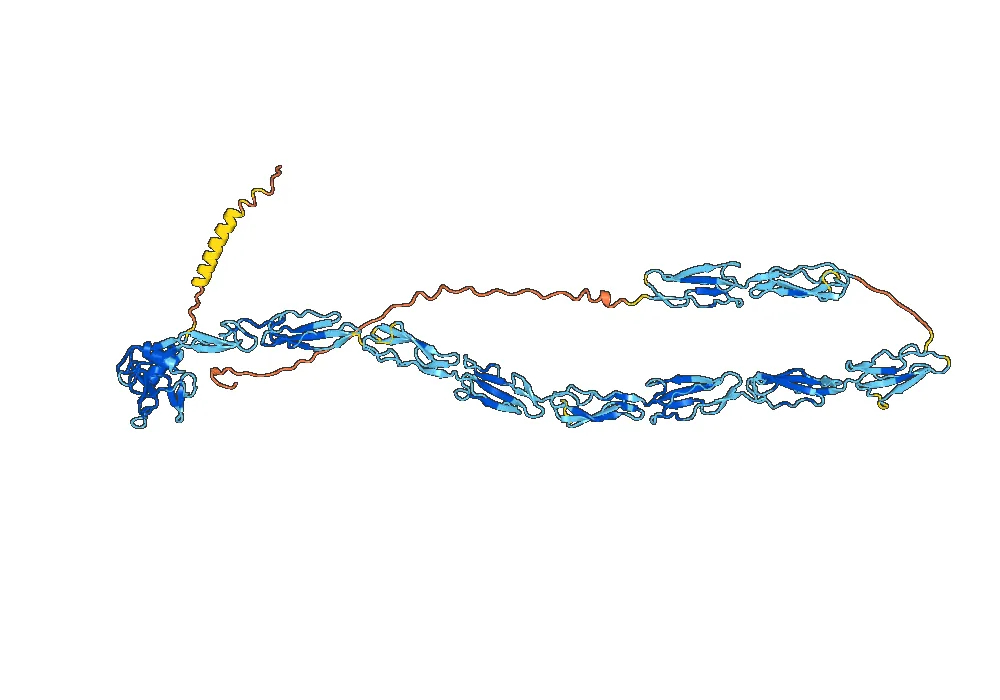
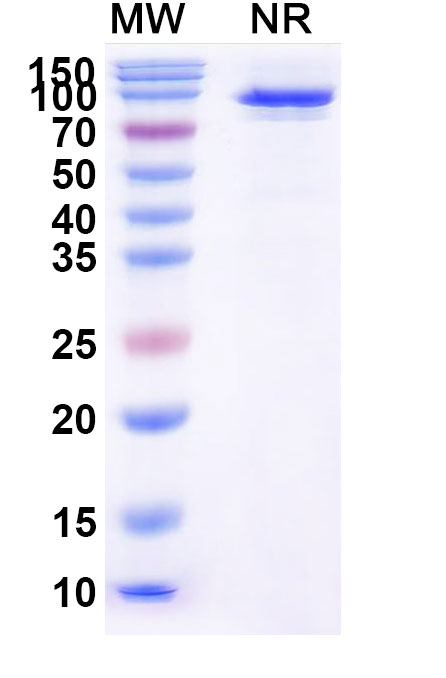
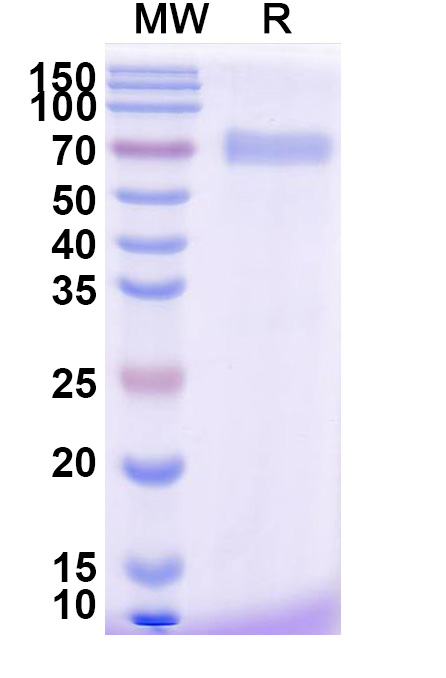
Efzimfotase Alfa Biosimilar is a recombinant fusion protein consisting of the human ALP enzyme fused with the Fc region of human IgG1. This fusion protein has a molecular weight of approximately 150 kDa and is produced through recombinant DNA technology in mammalian cells. The fusion of the ALP enzyme with the Fc region of IgG1 provides stability and prolonged half-life in the body, making it an ideal candidate for therapeutic use.
Activity of Efzimfotase Alfa Biosimilar
The ALP enzyme is responsible for catalyzing the hydrolysis of phosphate esters in the body, which is essential for various biochemical processes. In conditions where the ALP enzyme is deficient or dysfunctional, such as hypophosphatasia, there is a buildup of substrates leading to the accumulation of toxic metabolites. Efzimfotase Alfa Biosimilar acts as a replacement for the deficient or dysfunctional ALP enzyme and helps in the breakdown of these substrates, reducing their toxic effects.
Potential Applications of Efzimfotase Alfa Biosimilar
1. Hypophosphatasia Hypophosphatasia (HPP) is a rare genetic disorder characterized by low levels of ALP enzyme activity, leading to abnormal bone and tooth development. Efzimfotase Alfa Biosimilar has shown promising results in clinical trials for the treatment of HPP. It has been shown to improve bone mineralization and reduce the risk of fractures in patients with HPP.
2. Liver Disease ALP is also found in high levels in the liver, and elevated levels of ALP in the blood can indicate liver damage or disease. Efzimfotase Alfa Biosimilar could potentially be used as a treatment for liver diseases, such as primary biliary cholangitis, by reducing the levels of ALP in the blood and improving liver function.
3. Kidney Disease ALP is also present in the kidneys, and elevated levels of ALP in the urine can be an early sign of kidney disease. Efzimfotase Alfa Biosimilar has shown potential in reducing the levels of ALP in the urine and improving kidney function in patients with kidney disease.
4. Bone Disorders ALP is essential for bone mineralization, and its deficiency or dysfunction can lead to bone disorders such as rickets and osteomalacia. Efzimfotase Alfa Biosimilar has the potential to be used as a treatment for these bone disorders by improving bone mineralization and reducing the risk of fractures.
Conclusion
In conclusion, Efzimfotase Alfa Biosimilar is a promising research grade antibody that targets the ALP enzyme, which plays a crucial role in various biochemical processes in the body. Its structure, activity, and potential applications make it a potential candidate for the treatment of various diseases and conditions, particularly hypophosphatasia. Further research and clinical trials are needed to fully understand the therapeutic potential of this biosimilar in different diseases and conditions.


There are no reviews yet.