Introduction to Human IFNG/IFN-gamma HEK293T Stable Cell Line
Human IFNG/IFN-gamma HEK293T Stable Cell Line is a powerful tool for studying the role of interferon-gamma (IFN-gamma) in various biological processes. This stable cell line is derived from HEK293T cells, a human embryonic kidney cell line that is commonly used in research due to its high transfection efficiency and ability to produce large amounts of protein. The stable expression of IFN-gamma in these cells allows for consistent and reliable results, making it an ideal model for studying the structure, activity, and potential therapeutic applications of this important cytokine.
Structure of Human IFNG/IFN-gamma
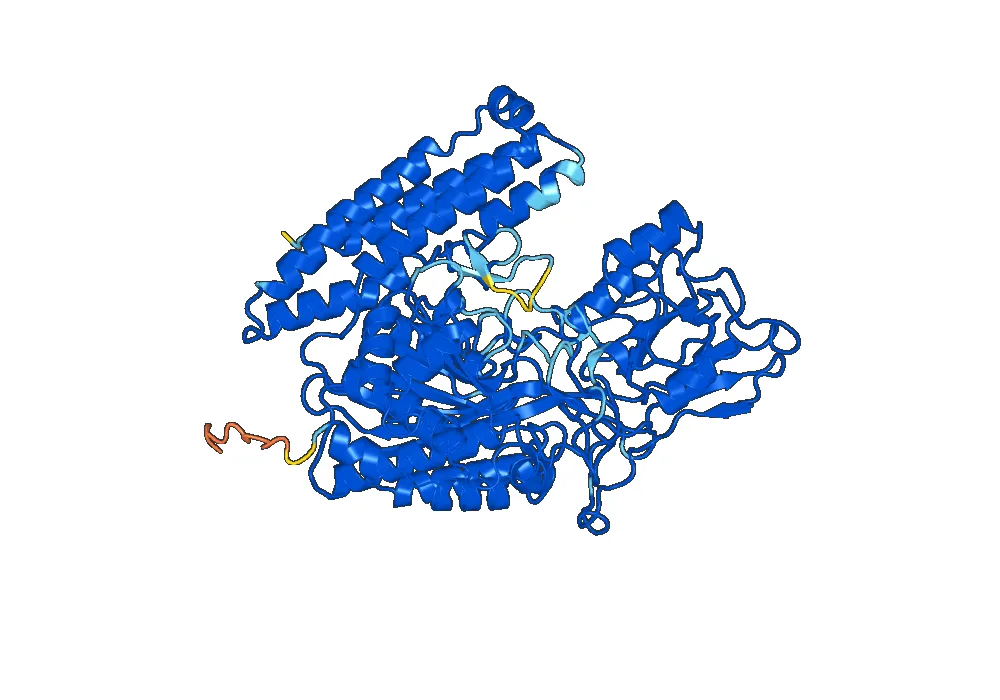
IFN-gamma is a type II interferon that plays a critical role in the immune response to viral and bacterial infections, as well as in the regulation of inflammation and immune cell function. It is a homodimeric protein consisting of two identical subunits, each containing 143 amino acids. The structure of IFN-gamma is highly conserved across species, with human and mouse IFN-gamma sharing 88% sequence identity. The stable cell line expresses the full-length human IFN-gamma protein, ensuring that the results obtained from experiments are biologically relevant and applicable to human systems.
Activity of Human IFNG/IFN-gamma
The activity of IFN-gamma is mediated through its binding to the IFN-gamma receptor, which is expressed on the surface of various cell types including immune cells, endothelial cells, and fibroblasts. Upon binding, IFN-gamma triggers a signaling cascade that leads to the activation of several transcription factors, resulting in the expression of genes involved in immune response, cell growth, and differentiation. This activity of IFN-gamma is crucial for the regulation of immune response and plays a key role in the defense against viral and bacterial infections, as well as in the development of autoimmune diseases and cancer.
Application of Human IFNG/IFN-gamma HEK293T Stable Cell Line
The stable expression of IFN-gamma in HEK293T cells allows for the production of large amounts of this cytokine, making it a valuable tool for various applications in research and drug development. One of the most common uses of this stable cell line is in flow cytometry, where the expression of IFN-gamma can be detected and quantified in different cell populations. This is particularly useful in studying the immune response to infections or in monitoring the effects of potential therapeutic agents on immune cell function.
Furthermore, the stable cell line can also be used to study the signaling pathways activated by IFN-gamma, providing insights into the mechanisms underlying its various biological activities. This can aid in the development of new therapies targeting IFN-gamma signaling, which has been shown to have potential in treating autoimmune diseases and certain types of cancer.
In addition, the stable cell line can be used in drug screening assays to identify compounds that modulate the activity of IFN-gamma. This can lead to the discovery of novel drugs that can enhance or inhibit the effects of IFN-gamma, providing new treatment options for diseases where IFN-gamma dysregulation is involved.
Conclusion
In summary, Human IFNG/IFN-gamma HEK293T Stable Cell Line is a valuable tool for studying the structure, activity, and potential therapeutic applications of IFN-gamma. Its stable expression of IFN-gamma in a human cell line allows for consistent and reliable results, making it an ideal model for various research and drug development purposes. With its potential to aid in the understanding and treatment of various diseases, this stable cell line holds great promise in advancing scientific knowledge and improving human health.


There are no reviews yet.