Introduction
Lumrotatug Biosimilar is a monoclonal antibody (mAb) that targets the enzyme cyclic ADP-ribose hydrolase 1 (CD38), which is involved in various cellular processes such as calcium signaling and immune regulation. This biosimilar is a research grade product that has potential applications in both basic research and therapeutic development.
Structure of Lumrotatug Biosimilar
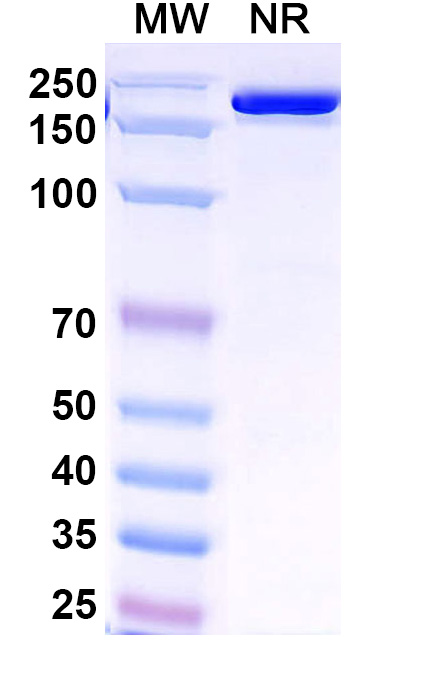
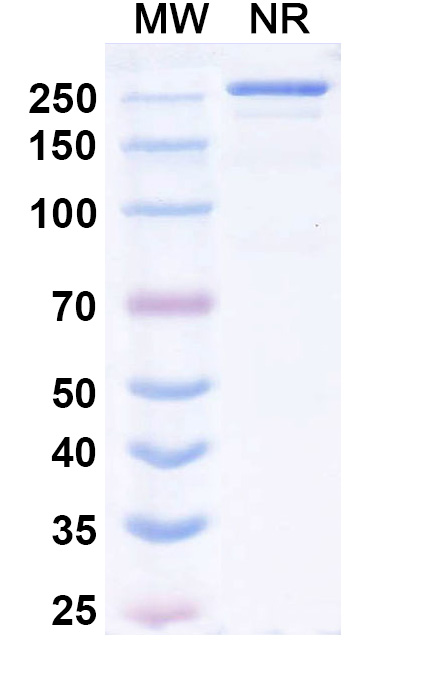
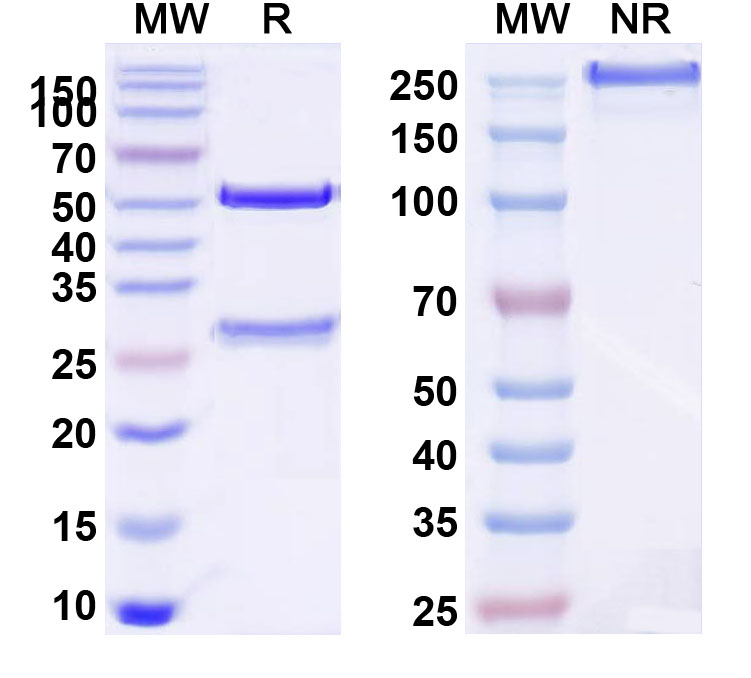
Lumrotatug Biosimilar is a recombinant humanized mAb that is produced using advanced biotechnology techniques. It is composed of two identical light chains and two identical heavy chains, each containing a variable region and a constant region. The variable region is responsible for binding to the target CD38, while the constant region determines the antibody’s effector functions.
Activity of Lumrotatug Biosimilar
The main activity of Lumrotatug Biosimilar is its ability to specifically bind to CD38. This binding inhibits the enzymatic activity of CD38, thereby modulating its role in cellular processes. Additionally, the binding of Lumrotatug Biosimilar to CD38 can also lead to the activation of immune cells, such as natural killer cells and macrophages, which can then target and eliminate CD38-expressing cells.
Application of Lumrotatug Biosimilar
As a research grade product, Lumrotatug Biosimilar has various applications in basic research. It can be used as a tool to study the role of CD38 in different cellular processes and to understand the mechanism of action of this enzyme. Additionally, Lumrotatug Biosimilar can be used to screen for potential inhibitors of CD38, which can aid in the development of new therapeutic agents.
Therapeutic Target: CD38
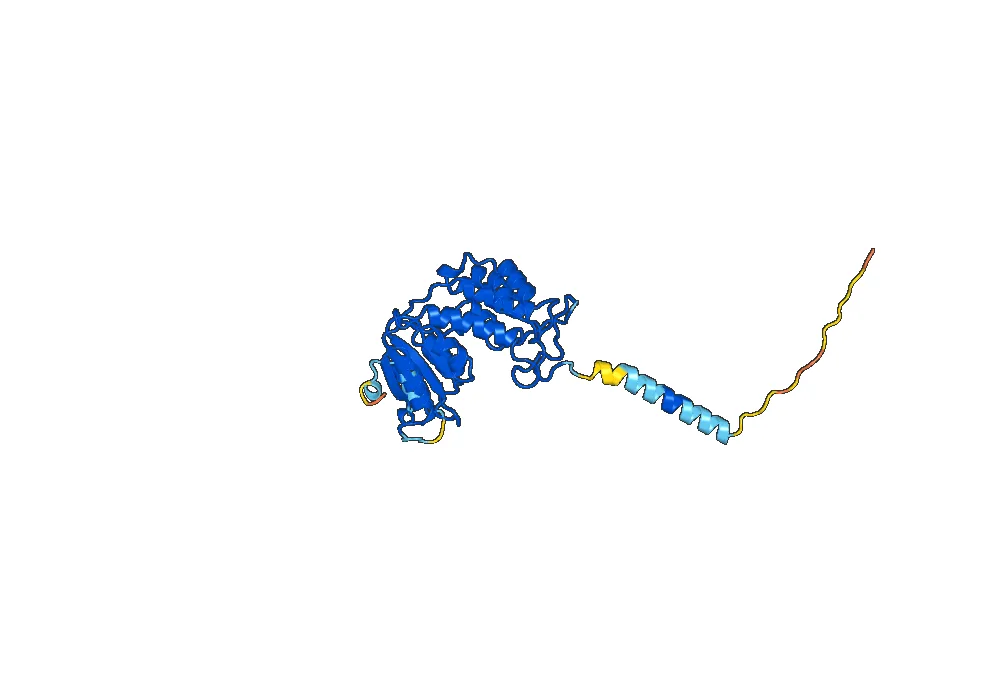
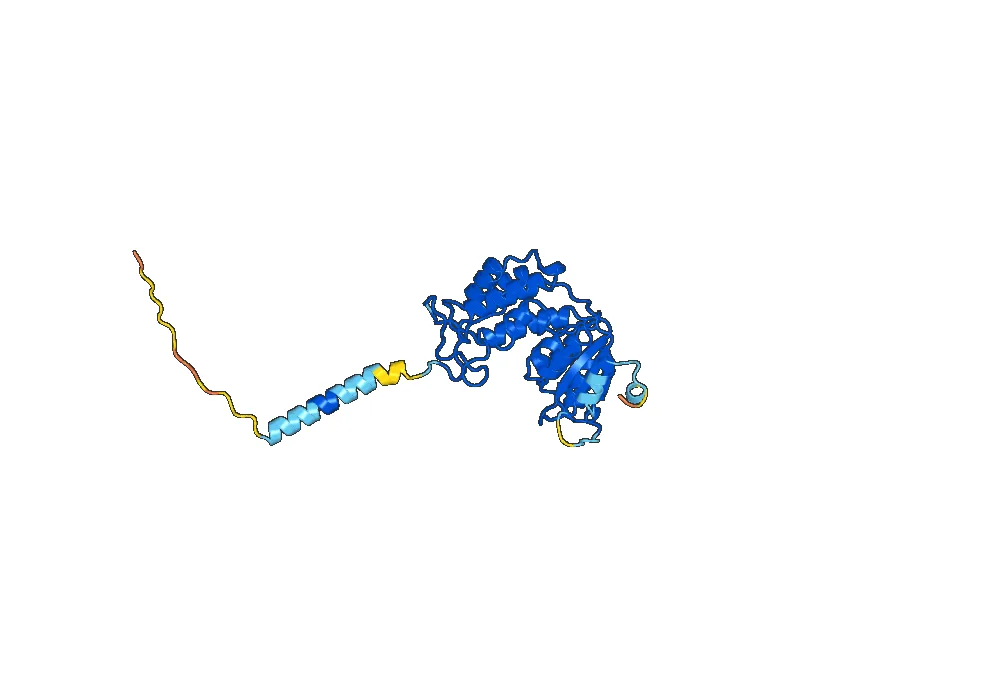
CD38 is a transmembrane enzyme that is expressed on various cell types, including immune cells, endothelial cells, and cancer cells. It plays a crucial role in calcium signaling and immune regulation, making it an attractive therapeutic target for various diseases. Dysregulation of CD38 has been linked to several diseases, including autoimmune disorders, cancer, and neurodegenerative diseases.
Potential Therapeutic Applications of Lumrotatug Biosimilar
The specific targeting of CD38 by Lumrotatug Biosimilar has potential therapeutic applications in various diseases. In cancer, CD38 is overexpressed on the surface of tumor cells and is involved in tumor growth and metastasis. By inhibiting CD38 activity, Lumrotatug Biosimilar can potentially slow down tumor growth and enhance the efficacy of other cancer treatments. In autoimmune disorders, CD38 is involved in the activation of immune cells, leading to excessive inflammation. By blocking CD38, Lumrotatug Biosimilar can modulate the immune response and potentially alleviate symptoms of autoimmune diseases.
Advantages of Lumrotatug Biosimilar
Compared to other CD38-targeting therapies, Lumrotatug Biosimilar has several advantages. First, it is a biosimilar, meaning it is highly similar to the original mAb and has comparable efficacy and safety. This makes it a cost-effective option for both research and therapeutic use. Additionally, as a research grade product, Lumrotatug Biosimilar can be easily scaled up for larger studies and clinical trials. It also has the potential for a wide range of therapeutic applications due to its ability to modulate CD38 activity.
Conclusion
In summary, Lumrotatug Biosimilar is a research grade mAb that specifically targets CD38, an enzyme involved in various cellular processes. Its potential applications in basic research and therapeutic development make it a valuable tool for studying CD38 and its role in diseases. With its unique structure and activity, Lumrotatug Biosimilar has the potential to be a promising therapy for various diseases, including cancer and autoimmune disorders.
There are no reviews yet.