Penpulimab Biosimilar – Anti-Pd-1 mAb – Research Grade
Penpulimab Biosimilar – Anti-Pd-1 mAb – Research Grade: A Promising Antibody for
Cancer Immunotherapy Introduction
Penpulimab Biosimilar, also known as Anti-Pd-1 mAb, is a research grade monoclonal antibody that has shown great potential in the field of cancer immunotherapy. This biosimilar is designed to target the programmed cell death protein 1 (PD-1) receptor, which is a key immune checkpoint in cancer cells. In this article, we will discuss the structure, activity, and potential applications of Penpulimab Biosimilar in detail.
Structure of Penpulimab Biosimilar
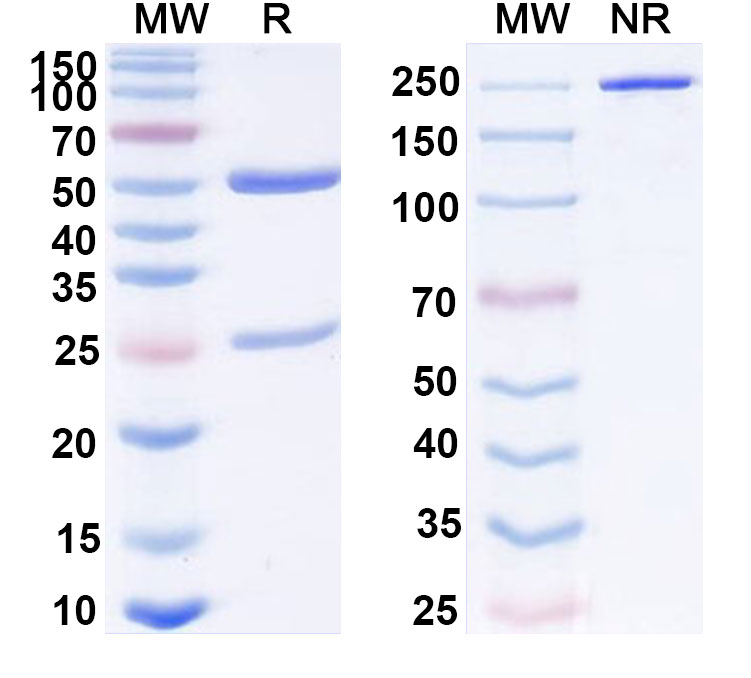
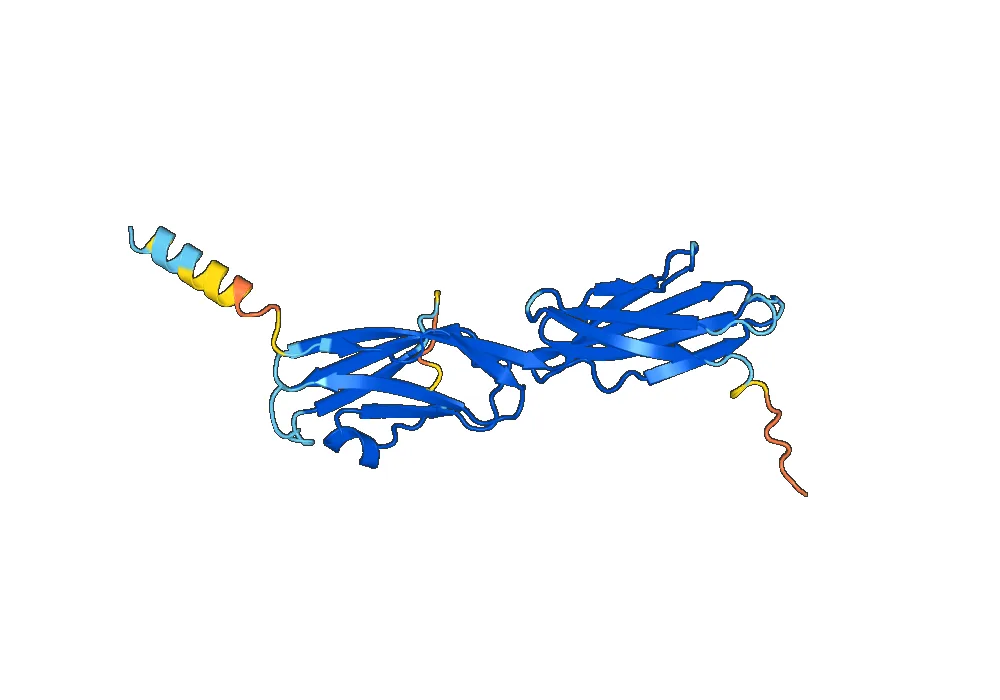
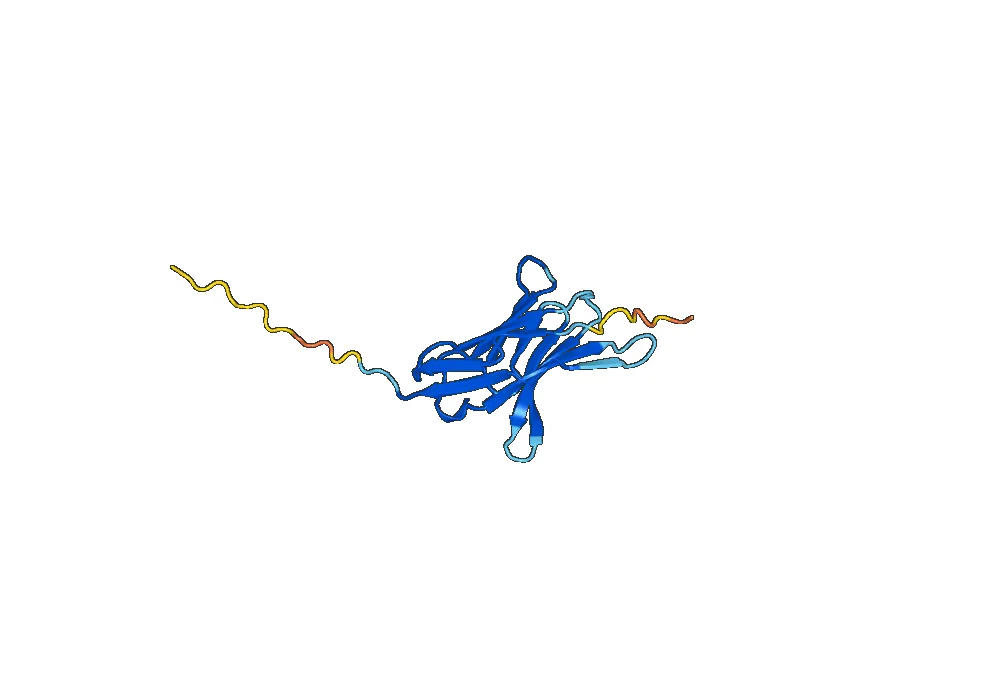
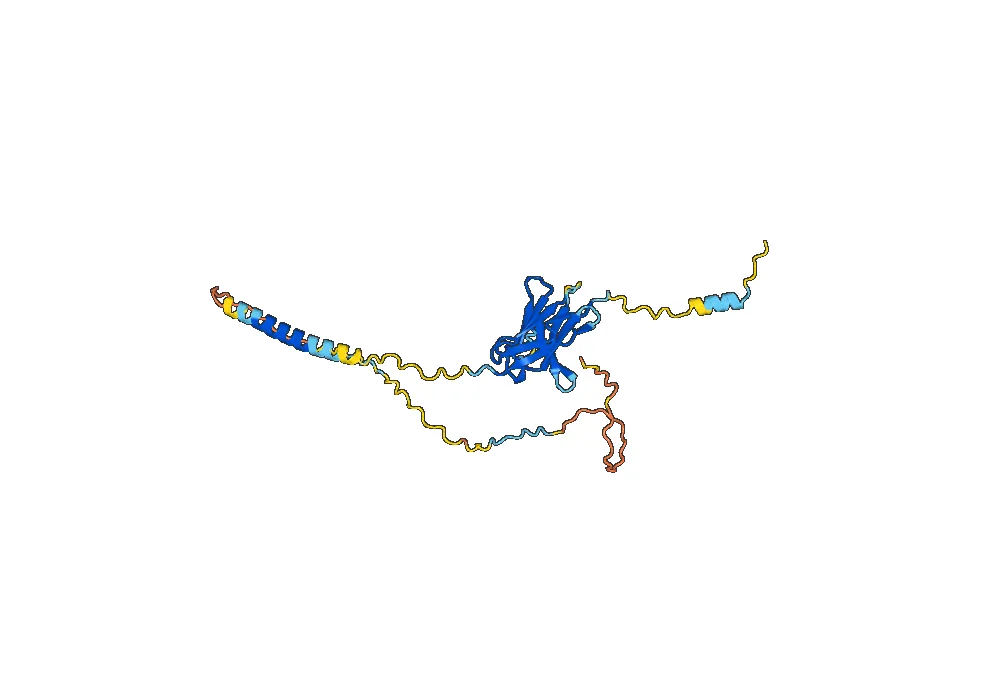
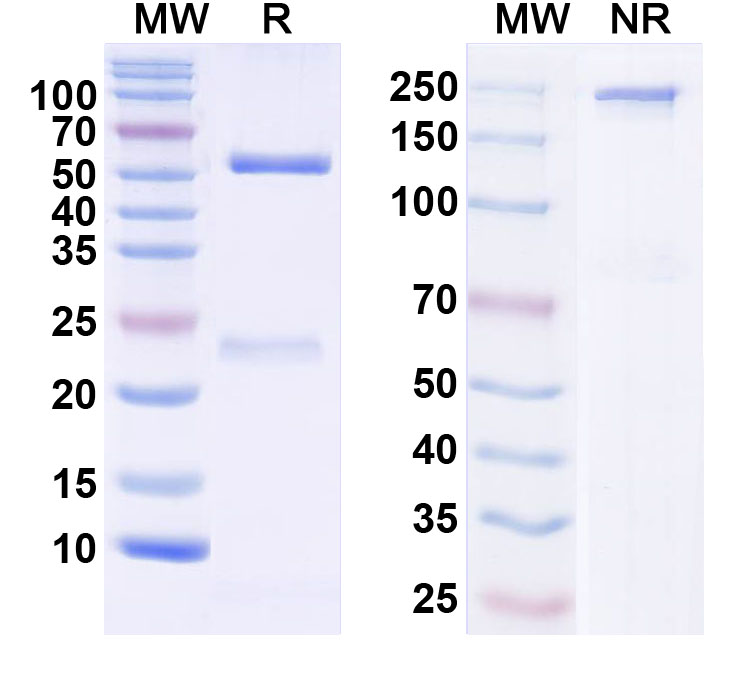
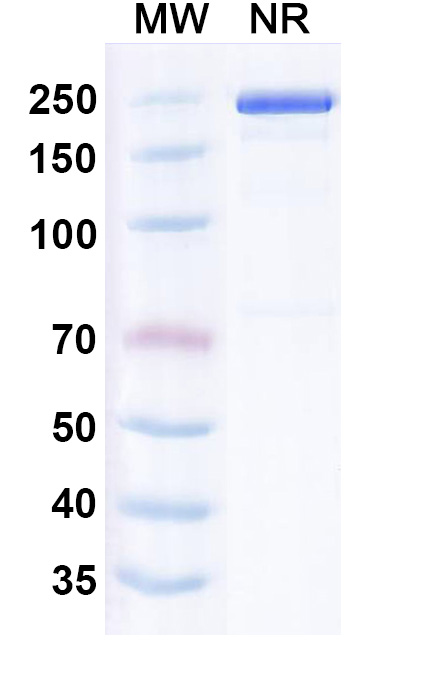
Penpulimab Biosimilar is a humanized IgG4 monoclonal antibody, which means it is derived from both human and non-human sources. It is composed of two heavy chains and two light chains, with a molecular weight of approximately 150 kDa. The antibody has a unique binding site that specifically targets the PD-1 receptor, which is overexpressed on the surface of cancer cells.
Mechanism of Action
The PD-1 receptor plays a crucial role in regulating the immune response in the body.
Cancer cells can exploit this mechanism by expressing high levels of PD-1, which helps them evade the immune system. Penpulimab Biosimilar works by binding to the PD-1 receptor and blocking its interaction with its ligands, PD-L1 and PD-L2. This prevents the cancer cells from suppressing the immune response, allowing the body’s immune system to recognize and attack the cancer cells.
Applications of Penpulimab Biosimilar
Penpulimab Biosimilar has shown promising results in preclinical studies and is currently being evaluated in clinical trials for the treatment of various types of cancer, including melanoma, non-small cell lung cancer, and renal cell carcinoma. It has also shown potential in combination therapy with other cancer treatments, such as chemotherapy and radiation therapy.
Melanoma Melanoma is a type of skin
cancer that is known to be highly resistant to traditional cancer treatments. However, recent studies have shown that targeting the PD-1 pathway with antibodies like Penpulimab Biosimilar can significantly improve the response rate and overall survival of melanoma patients.
Non-Small Cell Lung Cancer (NSCLC) NSCLC is the most common type of lung
cancer, and it is often associated with poor prognosis and limited treatment options. Clinical trials have shown that Penpulimab Biosimilar, either alone or in combination with chemotherapy, can improve the survival rate and quality of life for patients with advanced NSCLC.
Renal Cell Carcinoma (RCC) RCC is a type of kidney
cancer that is known to be resistant to chemotherapy and radiation therapy. However, studies have shown that Penpulimab Biosimilar can improve the response rate and survival of RCC patients, making it a promising treatment option for this type of cancer.
Conclusion
In conclusion, Penpulimab Biosimilar is a promising antibody that targets the PD-1 receptor and has shown great potential in the field of cancer immunotherapy. Its unique structure and mechanism of action make it a valuable addition to the current arsenal of cancer treatments. With ongoing clinical trials and further research, we can hope to see Penpulimab Biosimilar being used as a safe and effective treatment option for various types of cancer in the near future.

There are no reviews yet.