Recombinant Human BASP1 Protein: Structure, Activity, and Application
Introduction
Recombinant human BASP1 protein is a highly conserved protein that plays a crucial role in various cellular processes. It is a member of the brain acid soluble protein (BASP) family and is also known as CAP-23, NAP-22, and GAP-43. This protein is widely expressed in the nervous system and has been implicated in neuronal development, plasticity, and regeneration. In recent years, recombinant human BASP1 protein has gained significant attention in the field of biotechnology due to its potential applications in various research and clinical settings.
Structure of Recombinant Human BASP1 Protein
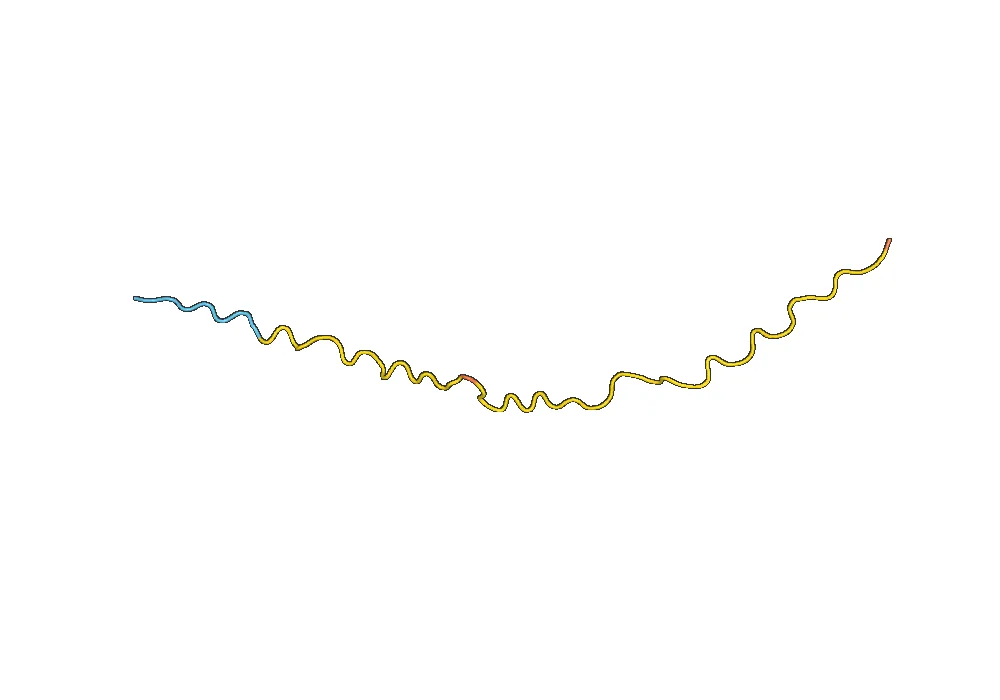
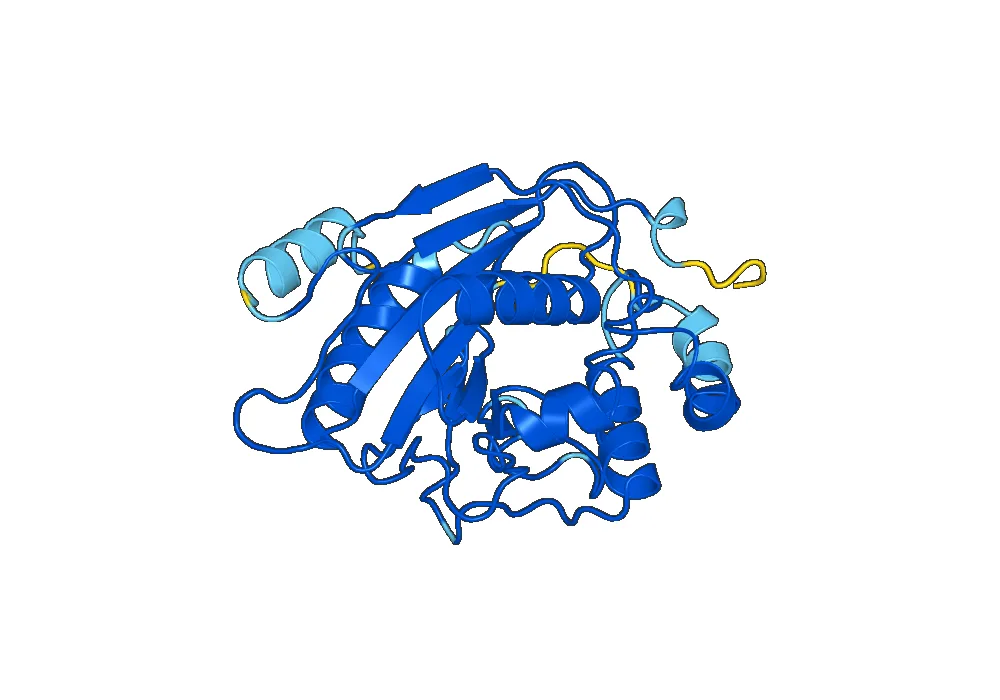
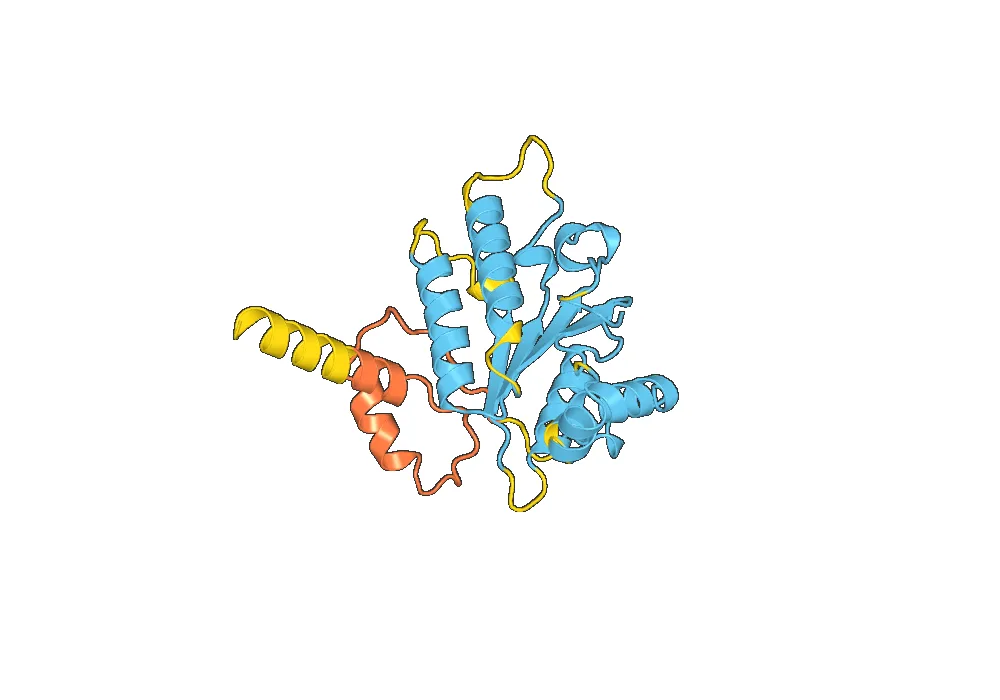
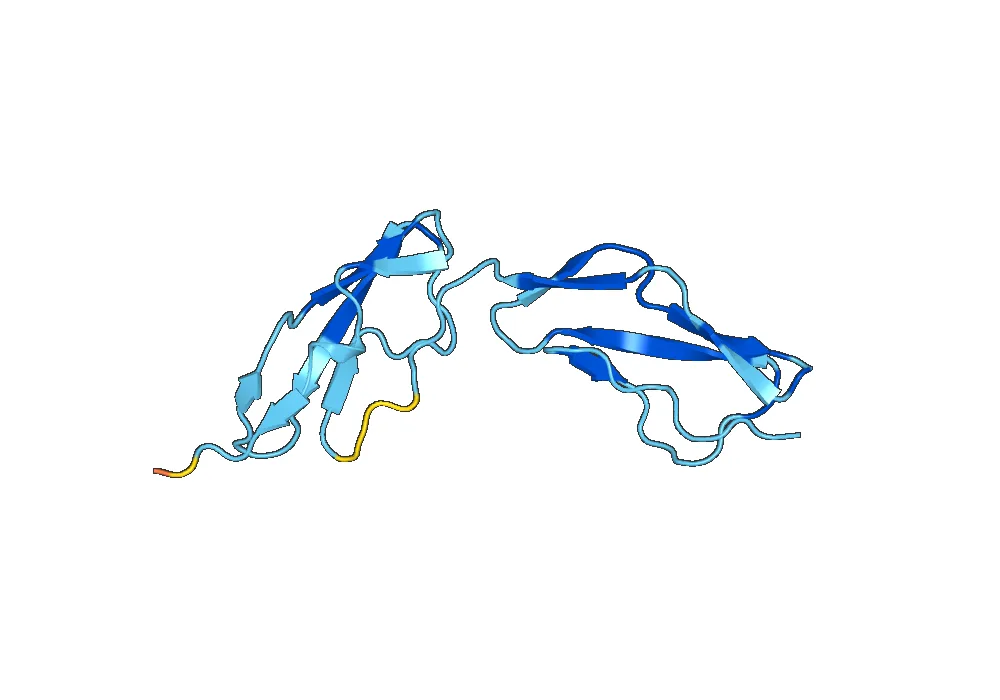
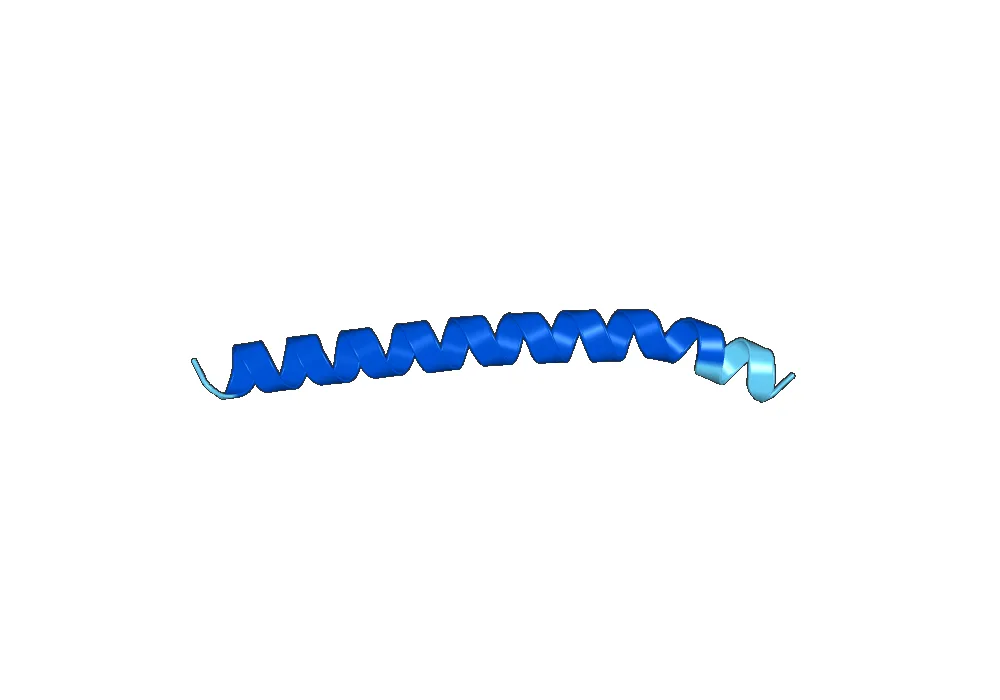
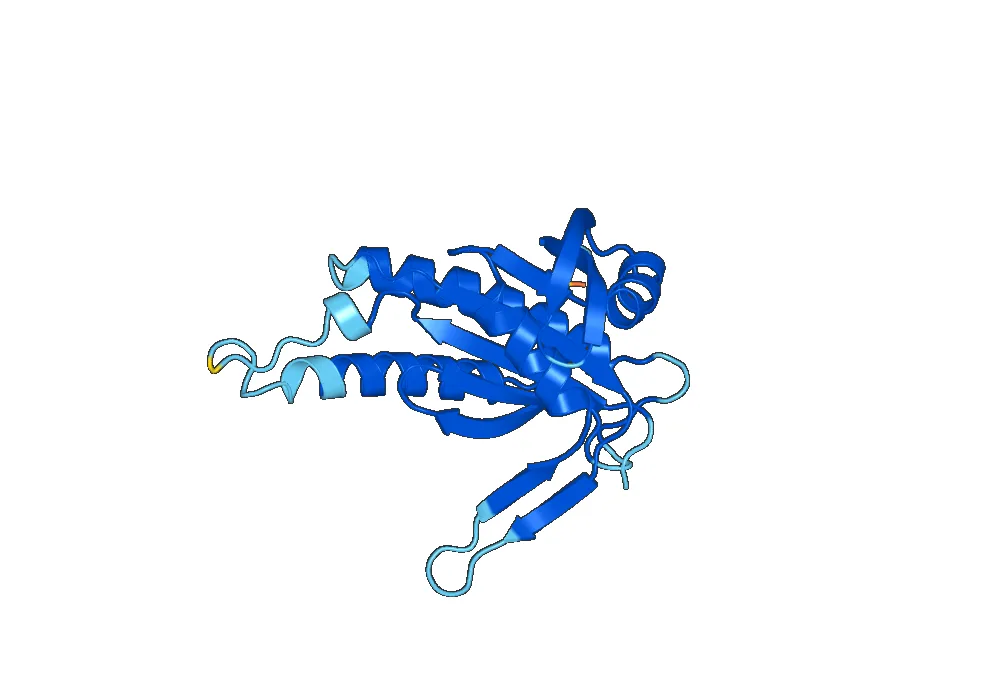
The recombinant human BASP1 protein is composed of 198 amino acids with a molecular weight of approximately 22 kDa. It consists of a highly conserved N-terminal domain and a variable C-terminal domain. The N-terminal domain contains a polybasic region and a proline-rich region, which are involved in protein-protein interactions. The C-terminal domain contains a hydrophobic region and a palmitoylation site, which are responsible for the membrane association of the protein. The crystal structure of recombinant human BASP1 protein has been determined, revealing a compact globular structure with a flexible C-terminal tail.
Activity of Recombinant Human BASP1 Protein
The recombinant human BASP1 protein has been shown to have multiple functions in various cellular processes. It is involved in the regulation of neuronal morphology and synaptic plasticity through its interactions with cytoskeletal proteins such as actin and tubulin. It also plays a role in axonal growth and regeneration by promoting the formation of growth cones and neurite outgrowth. In addition, recombinant human BASP1 protein has been found to modulate ion channels, neurotransmitter release, and calcium signaling, suggesting its involvement in neuronal excitability and synaptic transmission.
Application of Recombinant Human BASP1 Protein
Recombinant human BASP1 protein has a wide range of applications in both research and clinical settings. In basic research, it is used as a tool to study the role of BASP1 in neuronal development, plasticity, and regeneration. It can also be used to investigate the interactions between BASP1 and other proteins involved in these processes. In drug discovery, recombinant human BASP1 protein can be used as a target for developing therapies for neurological disorders such as Alzheimer’s disease and spinal cord injury. In addition, it has potential diagnostic applications as a biomarker for certain neurological diseases.
Recombinant Human BASP1 Protein as an Antigen
The recombinant human BASP1 protein has also been used as an antigen in immunological studies. It has been shown to induce a strong humoral and cellular immune response in various animal models. This makes it a potential candidate for vaccine development against neurological diseases. Moreover, recombinant human BASP1 protein can be used in antibody production for research and diagnostic purposes.
Recombinant Human BASP1 Protein in Cell Culture
Recombinant human BASP1 protein has been utilized in cell culture experiments to study its effects on neuronal cells. It has been shown to enhance neuronal survival, promote neurite outgrowth, and protect against oxidative stress-induced cell death. These findings suggest that recombinant human BASP1 protein has potential applications in cell-based therapies for neurodegenerative diseases.
Recombinant Human BASP1 Protein in Gene Therapy
Gene therapy is a promising approach for treating neurological

There are no reviews yet.