Introduction to Recombinant Human CCNDBP1 Protein
The Recombinant Human CCNDBP1 Protein, also known as Cyclin-D1-binding protein 1, is a protein that is encoded by the CCNDBP1 gene in humans. This protein belongs to the CCN (Cyr61, CTGF, Nov) family of proteins, which are known for their role in cell proliferation, differentiation, and adhesion. The CCNDBP1 protein is involved in a variety of cellular processes, including cell cycle regulation, DNA damage response, and apoptosis. In this article, we will discuss the structure, activity, and application of the Recombinant Human CCNDBP1 Protein.
Structure of Recombinant Human CCNDBP1 Protein
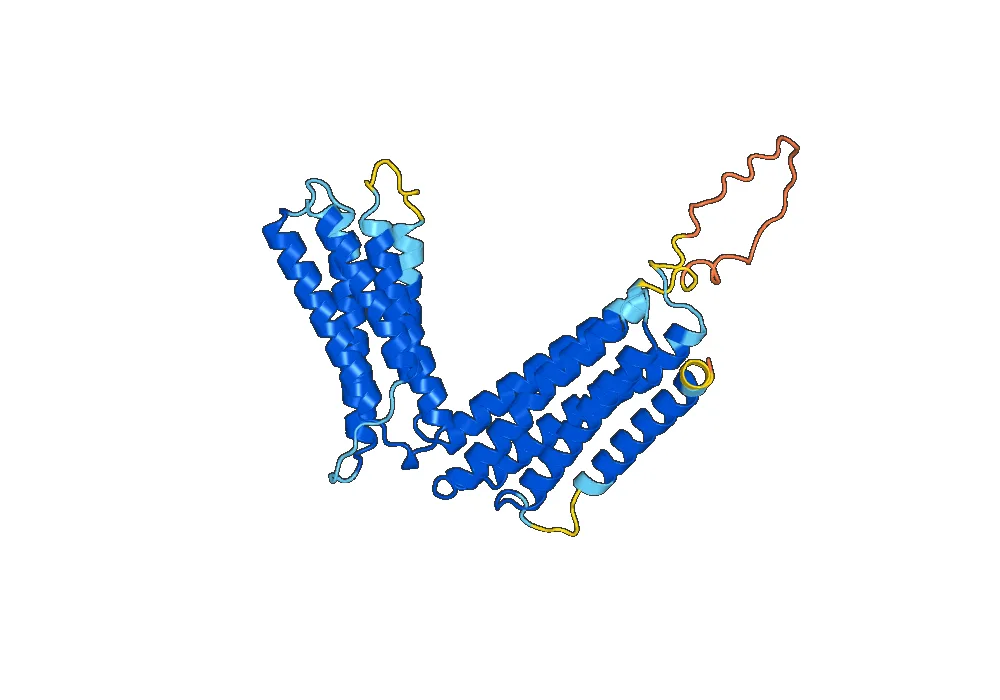
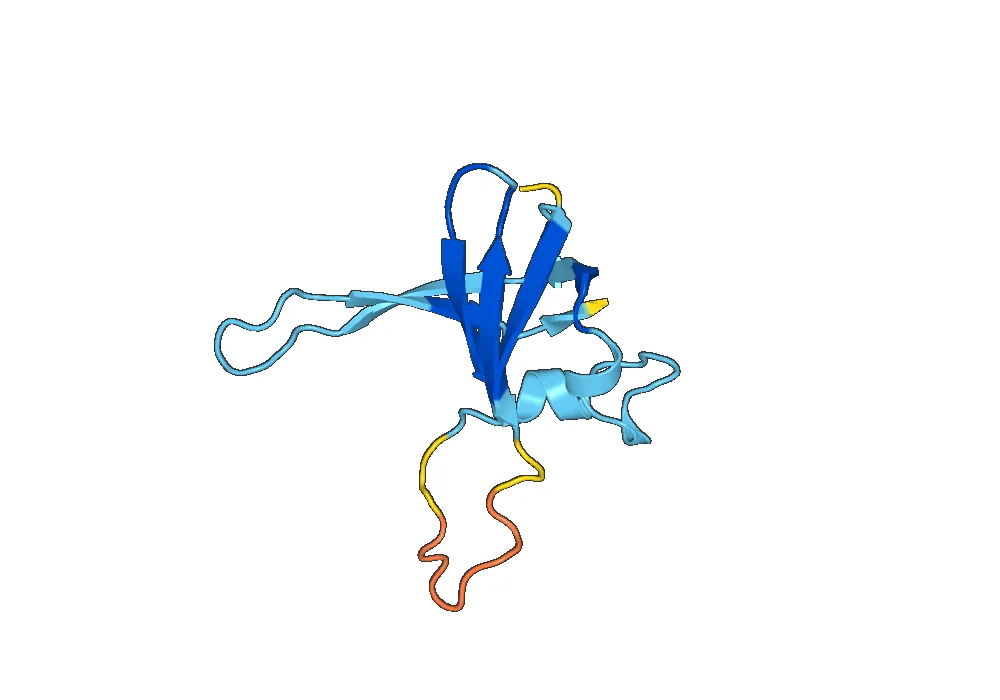
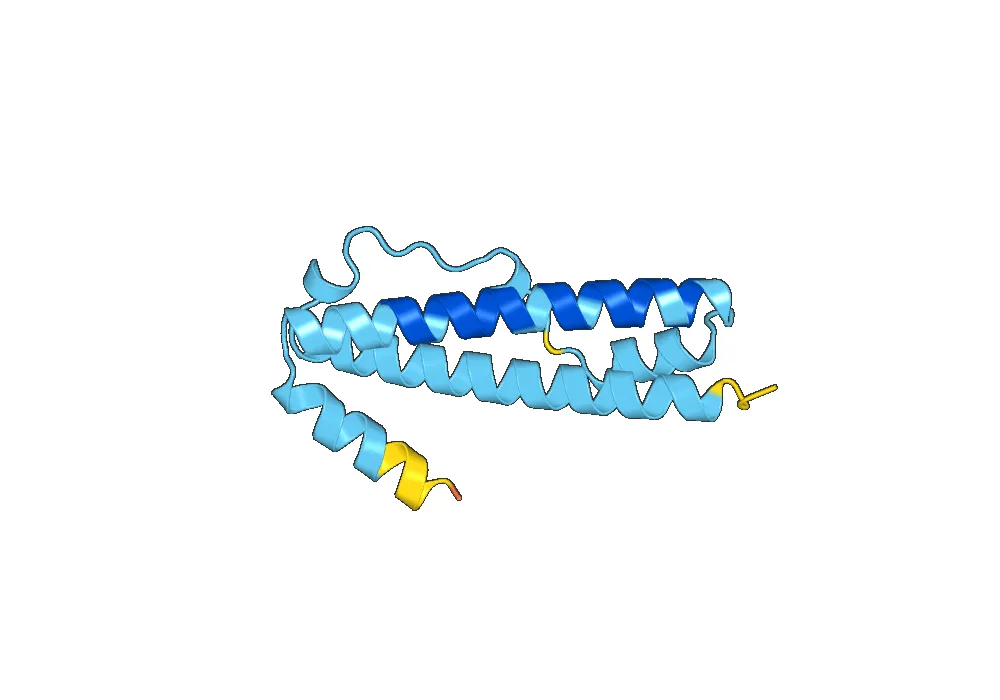
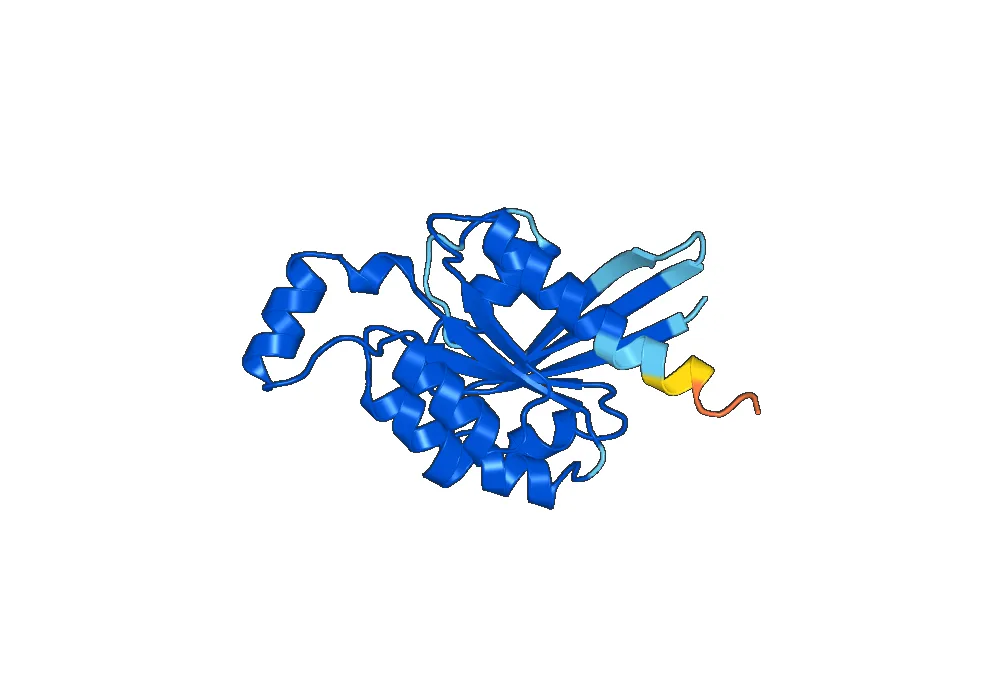
The Recombinant Human CCNDBP1 Protein is a 45 kDa protein with 404 amino acids. It is composed of three domains: an N-terminal domain, a central domain, and a C-terminal domain. The N-terminal domain contains a nuclear localization signal and a cyclin-binding motif, which are important for the nuclear localization and interaction with other proteins, respectively. The central domain contains a coiled-coil region, which is involved in protein-protein interactions. The C-terminal domain contains a putative DNA-binding domain, which is important for the DNA damage response.
The structure of the Recombinant Human CCNDBP1 Protein is highly conserved among different species, indicating its importance in cellular processes. It has been found to have a similar structure to other CCN family proteins, with a conserved cysteine-rich domain in the N-terminal region and a conserved C-terminal domain.
Activity of Recombinant Human CCNDBP1 Protein
The Recombinant Human CCNDBP1 Protein is a multifunctional protein that plays a role in various cellular processes. It has been found to interact with cyclin D1, a key regulator of the cell cycle, and inhibit its activity. This interaction leads to cell cycle arrest and prevents uncontrolled cell proliferation. The CCNDBP1 protein has also been shown to regulate the activity of other cell cycle regulators, such as p21 and p27, and promote cell cycle progression.
In addition to its role in cell cycle regulation, the Recombinant Human CCNDBP1 Protein is also involved in the DNA damage response. It has been found to interact with and stabilize the tumor suppressor protein p53, which plays a crucial role in the cellular response to DNA damage. This interaction leads to the activation of p53 and the induction of apoptosis, preventing the proliferation of damaged cells.
Application of Recombinant Human CCNDBP1 Protein
The Recombinant Human CCNDBP1 Protein has a wide range of applications in both research and medicine. It is commonly used as an antigen in studies investigating the role of CCNDBP1 in cell cycle regulation and DNA damage response. The recombinant protein is also used in biochemical assays to study its interactions with other proteins and its role in various cellular processes.
Furthermore, the Recombinant Human CCNDBP1 Protein has potential therapeutic applications. It has been found to be downregulated in various types of cancer, including breast, lung, and colon cancer. This suggests that the CCNDBP1 protein may act as a tumor suppressor and its upregulation could potentially inhibit tumor growth. Studies have also shown that the CCNDBP1 protein may be involved in drug resistance in cancer cells, making it a potential target for cancer treatment.
Conclusion
In summary, the Recombinant Human CCNDBP1 Protein is a multifunctional protein that plays a crucial role in cell cycle regulation and DNA damage response. Its structure is highly conserved among different species, highlighting its importance in cellular processes. The recombinant protein has various applications in research and medicine, and its


There are no reviews yet.