Sigvotatug Biosimilar – Anti-ITGB6 mAb: A Promising Therapeutic Antibody Targeting ITGB6 Sigvotatug Biosimilar is a novel monoclonal antibody (mAb) that specifically targets the integrin beta-6 (ITGB6) protein. This biosimilar is a research grade antibody that has shown promising results in preclinical studies and is currently being evaluated for its therapeutic potential in various diseases.
Structure of Sigvotatug Biosimilar
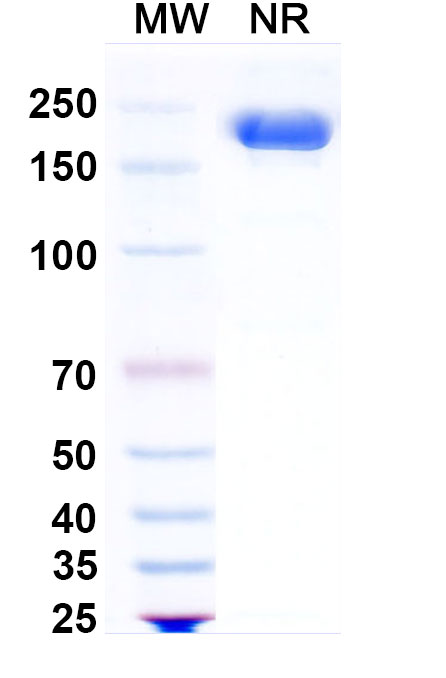
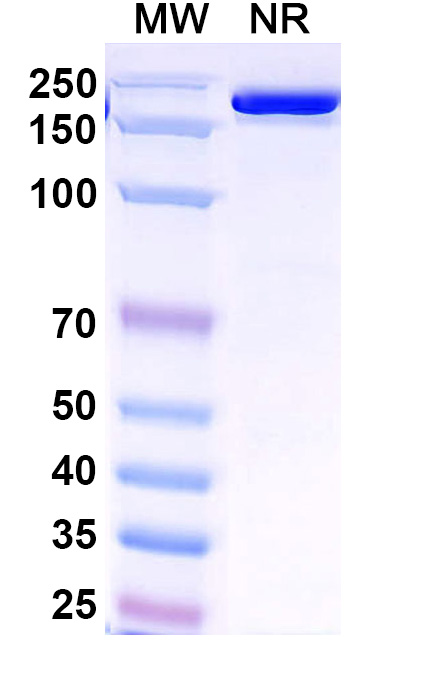
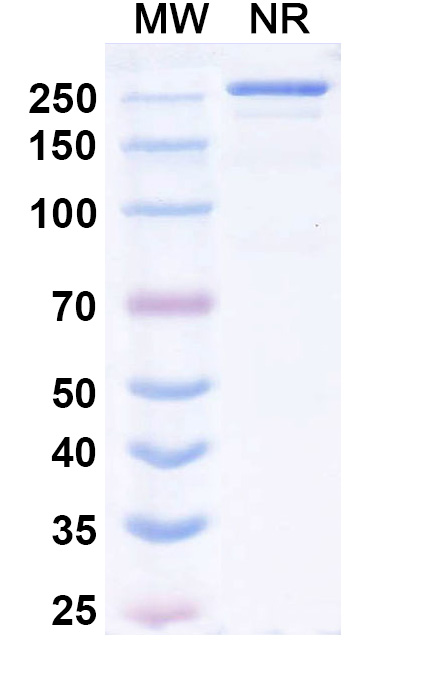
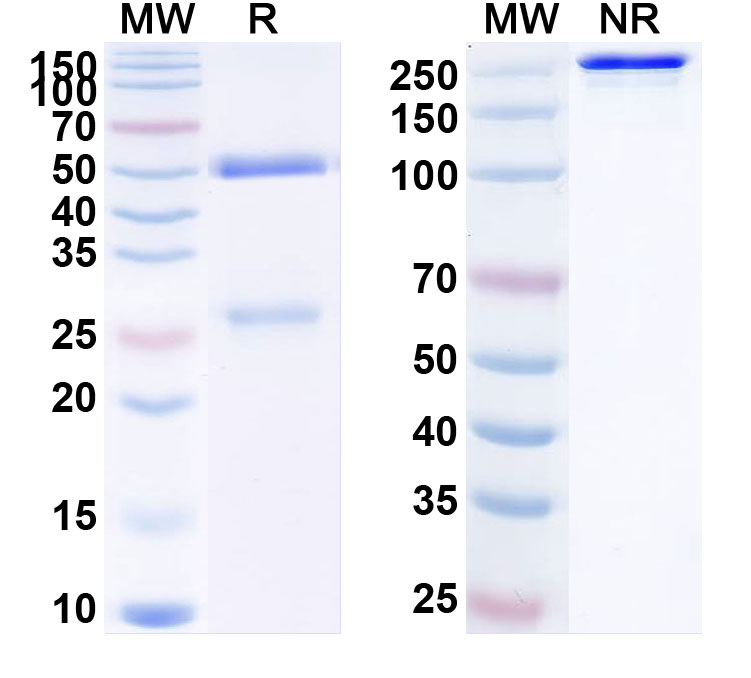
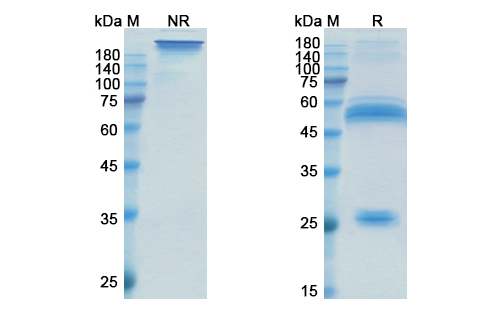
Sigvotatug Biosimilar is a recombinant humanized IgG1 monoclonal antibody, with a molecular weight of approximately 150 kDa. It is composed of two heavy chains and two light chains, each containing variable and constant regions. The variable regions of the antibody are responsible for binding to the target protein, ITGB6, while the constant regions provide effector functions.
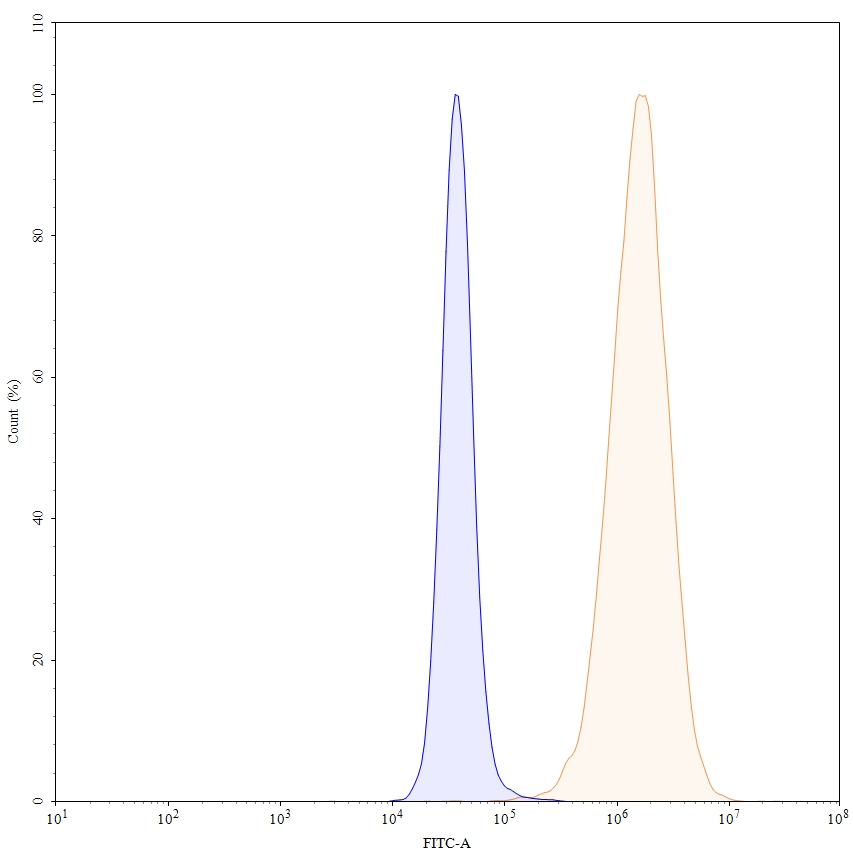
The binding site of Sigvotatug Biosimilar is located at the Fab region of the antibody, which recognizes a specific epitope on the extracellular domain of ITGB6. This binding site has been carefully engineered to have high affinity and specificity for ITGB6, making Sigvotatug Biosimilar an effective therapeutic agent.
Mechanism of Action
The main mechanism of action of Sigvotatug Biosimilar is its ability to block the interaction between ITGB6 and its ligands, such as fibronectin and laminin. This interaction is crucial for the activation of ITGB6 and its downstream signaling pathways, which play a role in various cellular processes, including cell proliferation, migration, and invasion.
By inhibiting the ITGB6 signaling, Sigvotatug Biosimilar can effectively block the growth and spread of cancer cells, as well as reduce inflammation and fibrosis in various diseases.
Therapeutic Applications
The unique targeting of ITGB6 by Sigvotatug Biosimilar makes it a promising therapeutic agent for a wide range of diseases. Its potential applications include:
Cancer ITGB6 has been found to be overexpressed in various types of cancer, including pancreatic, lung, and breast cancer. This overexpression has been associated with tumor growth, invasion, and metastasis. By targeting ITGB6, Sigvotatug Biosimilar has shown promising results in preclinical studies in inhibiting tumor growth and metastasis, making it a potential treatment option for cancer patients.
Fibrotic Diseases
ITGB6 has also been implicated in the development of fibrosis in various organs, such as the lungs, liver, and kidney. Sigvotatug Biosimilar has shown potential in reducing fibrosis and improving organ function in preclinical models of fibrotic diseases.
Inflammatory Diseases
The role of ITGB6 in inflammation has been increasingly recognized, and its overexpression has been linked to various inflammatory diseases, including inflammatory bowel disease and rheumatoid arthritis. By targeting ITGB6, Sigvotatug Biosimilar has the potential to reduce inflammation and improve disease outcomes in these conditions.
Conclusion
Sigvotatug Biosimilar – Anti-ITGB6 mAb is a promising therapeutic antibody that specifically targets ITGB6. Its unique structure and mechanism of action make it a potential treatment option for various diseases, including cancer, fibrosis, and inflammatory diseases. Further clinical studies are needed to fully evaluate its efficacy and safety in patients, but the preclinical data is highly promising. Sigvotatug Biosimilar has the potential to make a significant impact in the field of targeted therapy and improve the lives of patients suffering from ITGB6-related diseases.

There are no reviews yet.