Introduction
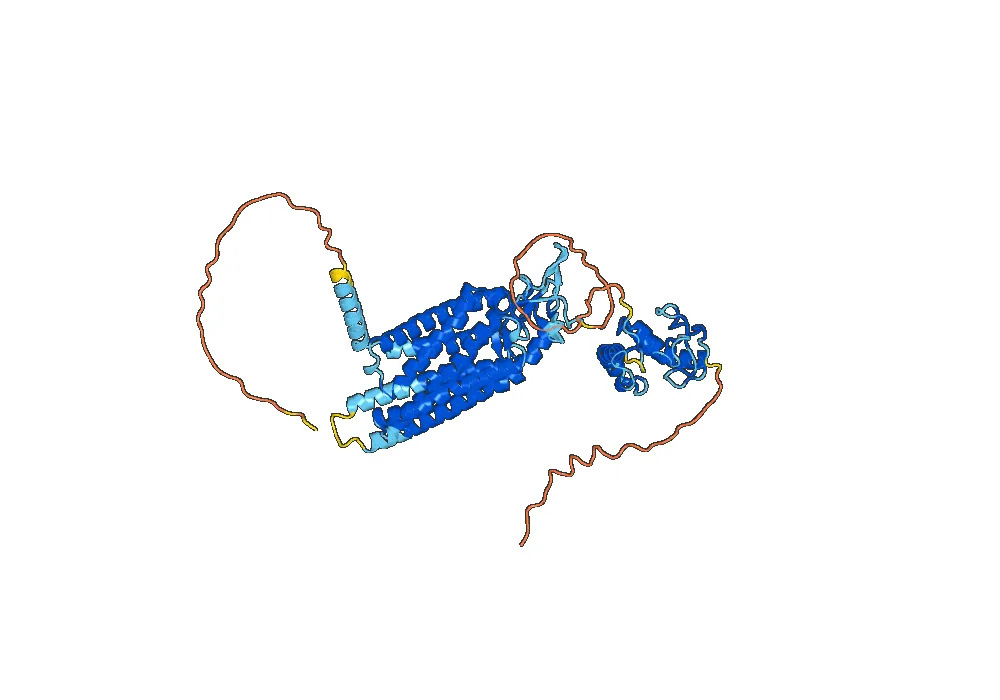
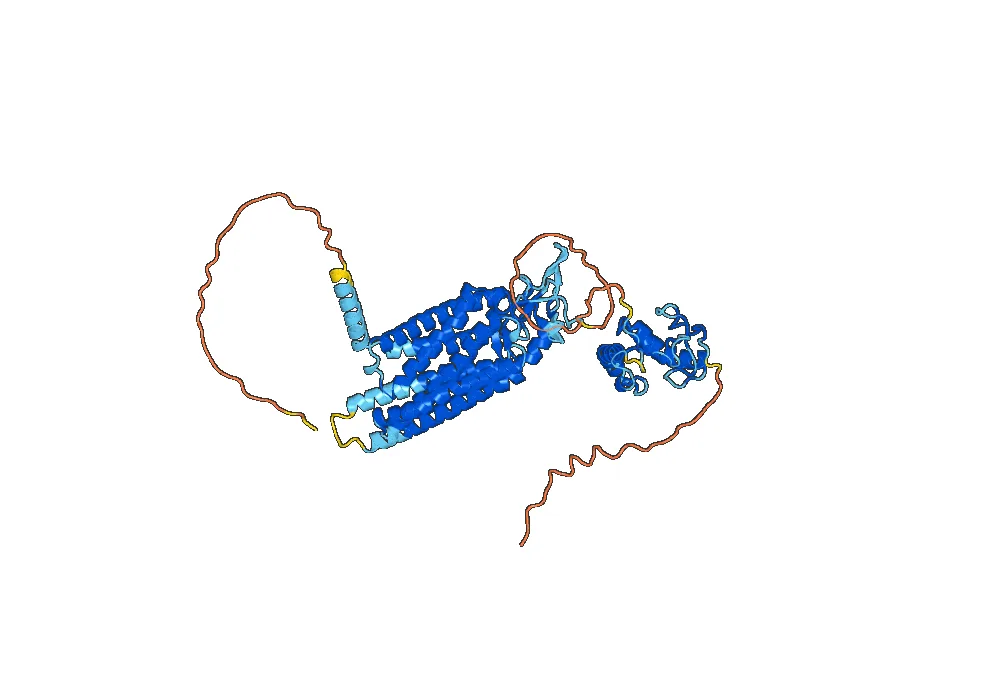
Tabituximab Biosimilar, also known as Anti-FZD10 mAb, is a monoclonal antibody that targets the Frizzled-10 (FZD10) receptor. This receptor is a member of the Frizzled family of proteins, which are involved in the Wnt signaling pathway. The Wnt pathway plays a crucial role in regulating cellular processes such as proliferation, differentiation, and cell fate determination. Aberrant activation of this pathway has been linked to various diseases, making FZD10 an attractive therapeutic target. In this article, we will discuss the structure, activity, and potential applications of Tabituximab Biosimilar as a research-grade antibody.
Structure of Tabituximab Biosimilar
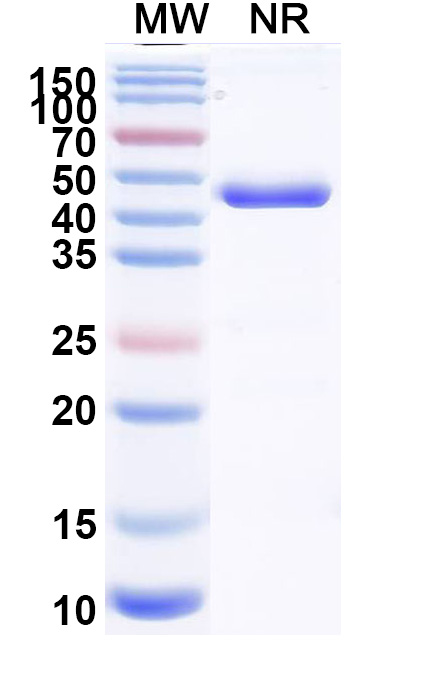
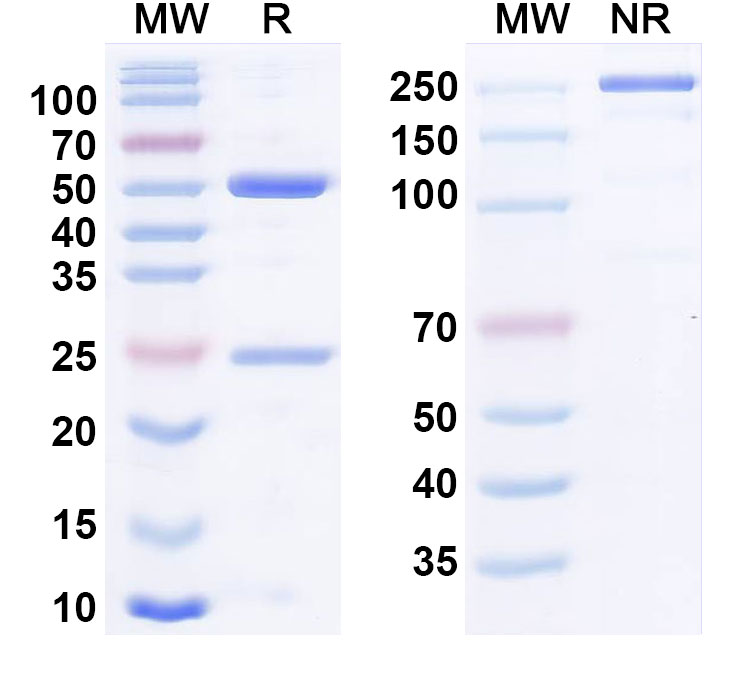
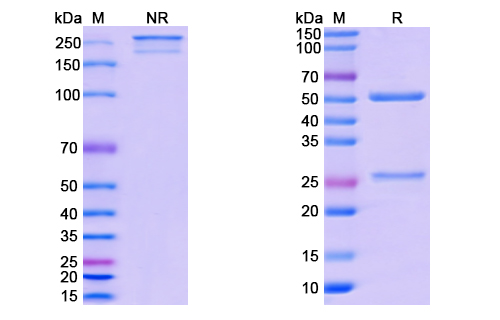
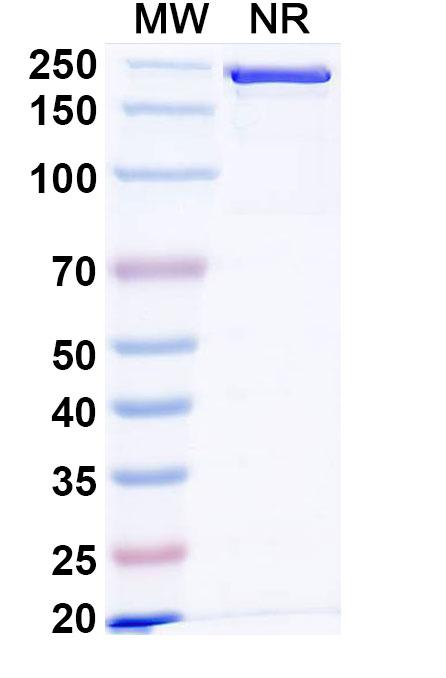
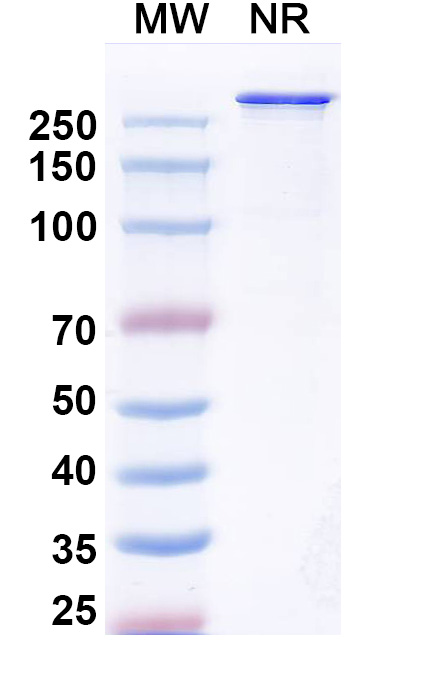
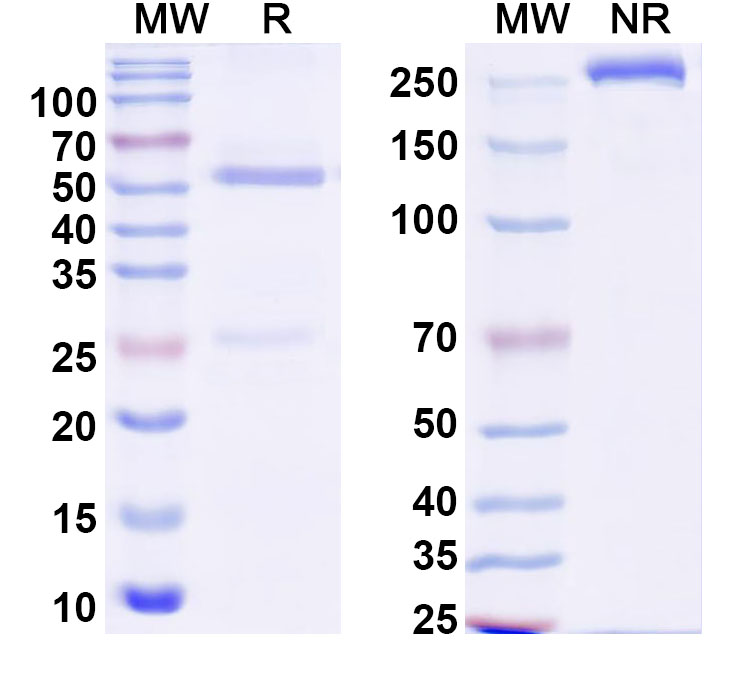
Tabituximab Biosimilar is a recombinant, humanized IgG1 monoclonal antibody that has been engineered to target FZD10. It is composed of two heavy chains and two light chains, each containing a variable region and a constant region. The variable regions are responsible for binding to FZD10, while the constant regions determine the antibody’s effector functions.
Binding to FZD10
Tabituximab Biosimilar binds to FZD10 with high specificity and affinity. This is achieved through its variable regions, which contain complementarity-determining regions (CDRs) that interact with specific amino acids on the FZD10 receptor. The antibody binds to the extracellular domain of FZD10, preventing the binding of its ligands and inhibiting downstream signaling.
Effector Functions
In addition to its role in blocking FZD10 signaling, Tabituximab Biosimilar also possesses effector functions that can enhance its therapeutic potential. The antibody’s constant regions can interact with immune cells, such as natural killer cells and macrophages, leading to the destruction of FZD10-expressing cells. This mechanism of action is known as antibody-dependent cell-mediated cytotoxicity (ADCC) and can be beneficial in treating diseases where FZD10 is overexpressed, such as cancer.
Activity of Tabituximab Biosimilar
Tabituximab Biosimilar has been shown to effectively inhibit FZD10 signaling in various preclinical studies. This inhibition leads to a decrease in Wnt pathway activity, which has been linked to the growth and survival of cancer cells. In addition, Tabituximab Biosimilar has also been shown to induce cell death in FZD10-expressing cancer cells through its effector functions. These activities make Tabituximab Biosimilar a promising candidate for the treatment of FZD10-related diseases.
In vitro Studies
In vitro studies have demonstrated the ability of Tabituximab Biosimilar to inhibit FZD10 signaling in different cancer cell lines, including lung, breast, and pancreatic cancers. The antibody was able to block Wnt pathway activation and reduce cell proliferation and survival. Furthermore, Tabituximab Biosimilar induced ADCC in FZD10-expressing cancer cells, leading to their destruction.
In vivo Studies
In vivo studies have also shown promising results for Tabituximab Biosimilar. In a mouse model of lung cancer, treatment with the antibody led to a significant reduction in tumor growth and improved survival. Similar results were observed in a mouse model of breast cancer. These studies highlight the potential of Tabituximab Biosimilar as a therapeutic agent for FZD10-related diseases.
Potential Applications
The unique structure and activity of Tabituximab Biosimilar make it a valuable tool for research in various fields. Its ability to specifically target FZD10 and inhibit Wnt signaling can aid in understanding the role of this pathway in different diseases. Furthermore, the antibody’s effector functions can be utilized in studying the immune response to FZD10-expressing cells.
Cancer Research
There are no reviews yet.