Introduction
Nezastomig Biosimilar – Anti-NAALAD1, T-cell-specific surface glycoprotein CD28 mAb – Research Grade is a novel biosimilar antibody that targets the T-cell-specific surface glycoprotein CD28. This antibody is designed to mimic the activity of the original antibody, providing a cost-effective and accessible option for researchers and clinicians. In this article, we will discuss the structure, activity, and potential applications of this biosimilar antibody.
Structure
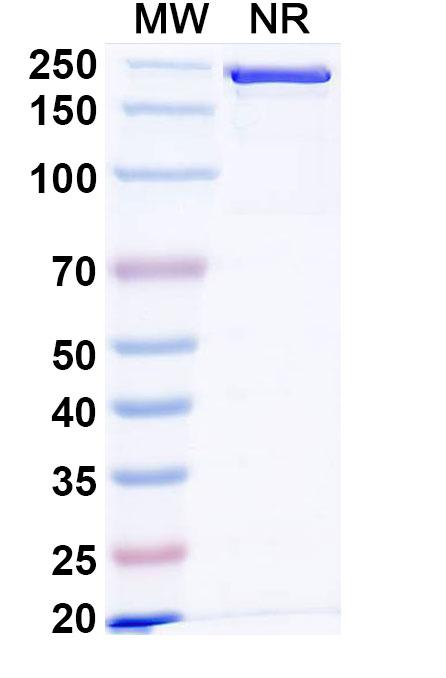
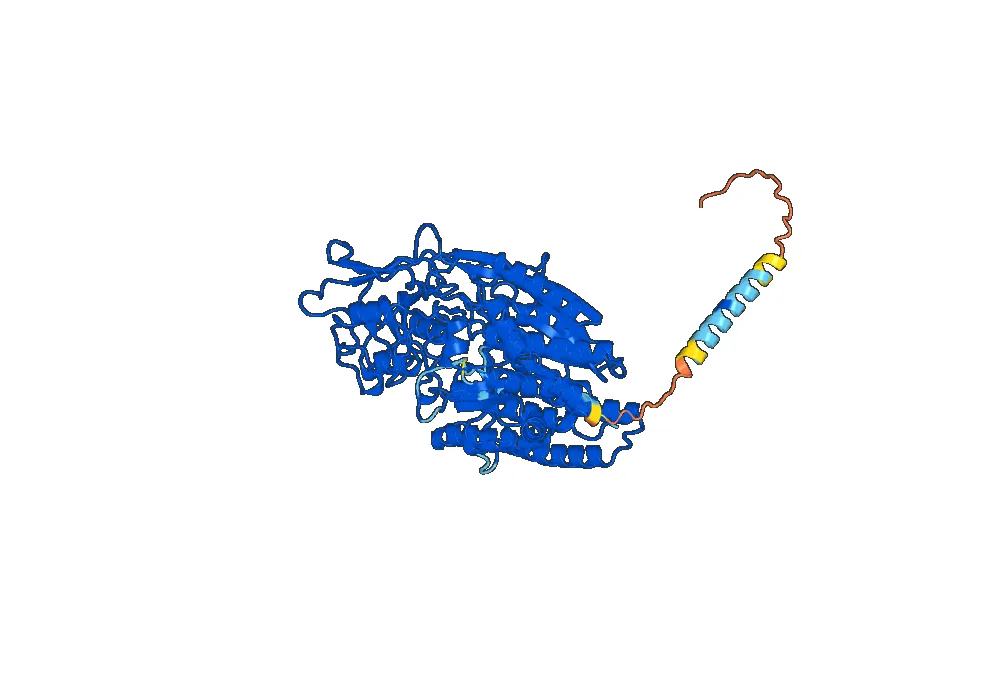
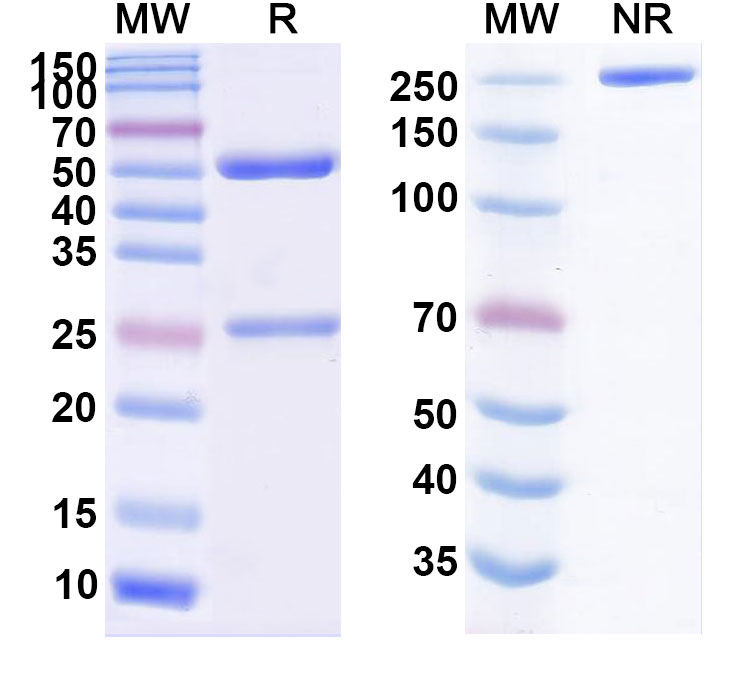
Nezastomig Biosimilar – Anti-NAALAD1, T-cell-specific surface glycoprotein CD28 mAb – Research Grade is a monoclonal antibody (mAb) that is produced by recombinant DNA technology. It is composed of two heavy chains and two light chains, each containing a variable and constant region. The variable region is responsible for binding to the target antigen, while the constant region determines the antibody’s effector functions.
Activity
The primary target of Nezastomig Biosimilar – Anti-NAALAD1, T-cell-specific surface glycoprotein CD28 mAb – Research Grade is the T-cell-specific surface glycoprotein CD28. This protein is a co-stimulatory molecule that is expressed on the surface of T cells. It plays a crucial role in T cell activation and proliferation, making it an attractive therapeutic target for various diseases.
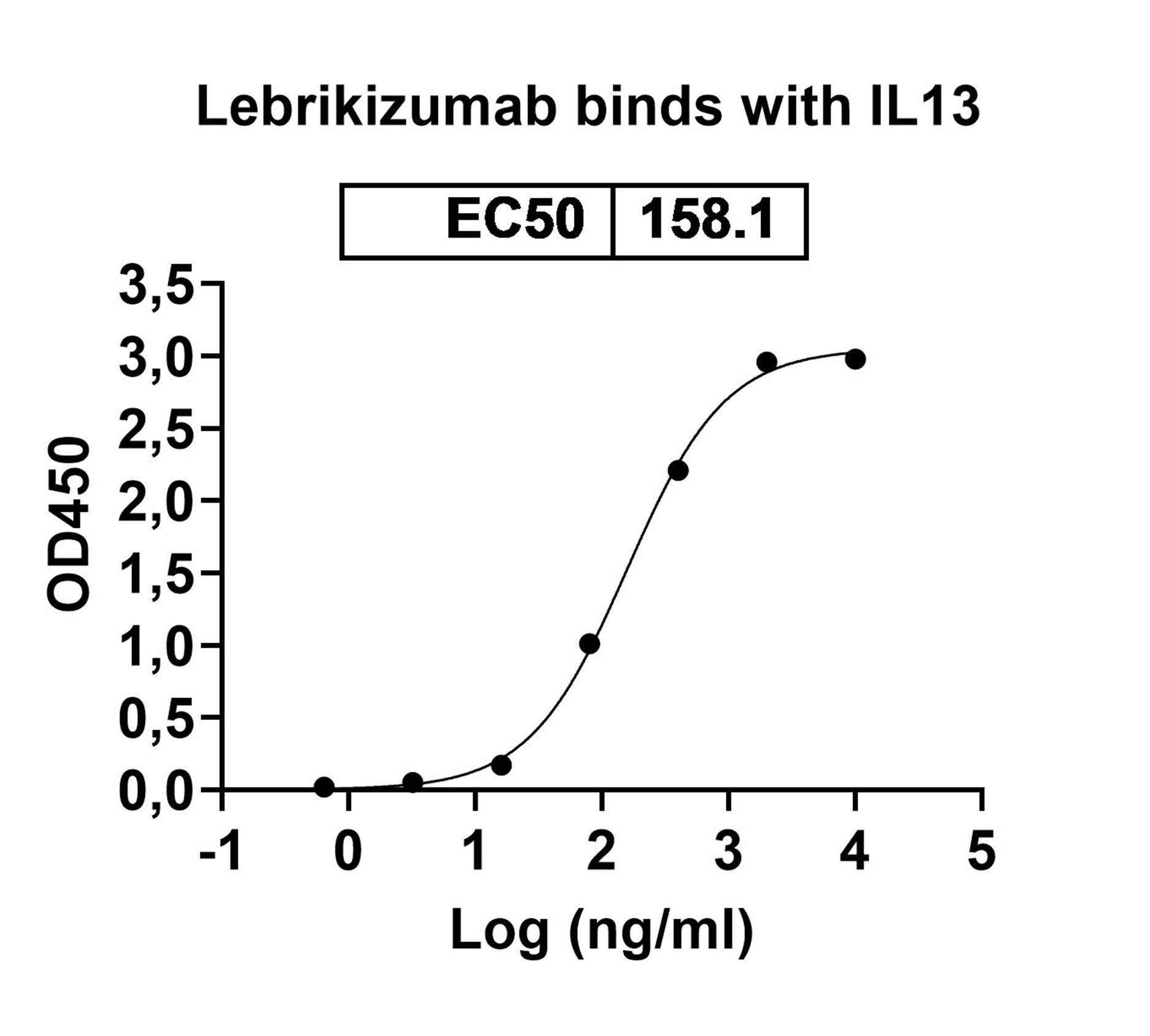
Nezastomig Biosimilar – Anti-NAALAD1, T-cell-specific surface glycoprotein CD28 mAb – Research Grade binds to CD28 with high specificity and affinity, mimicking the activity of the original antibody. This binding leads to the activation of T cells, promoting their proliferation and production of cytokines. This activity can be beneficial in diseases where T cell dysfunction or dysregulation is involved, such as autoimmune diseases and cancer.
Applications
Nezastomig Biosimilar – Anti-NAALAD1, T-cell-specific surface glycoprotein CD28 mAb – Research Grade has potential applications in both research and clinical settings. In research, this antibody can be used to study the role of CD28 in T cell function and its involvement in various diseases. It can also be used as a tool to manipulate T cell activity and study its effects on the immune response.
In the clinical setting, Nezastomig Biosimilar – Anti-NAALAD1, T-cell-specific surface glycoprotein CD28 mAb – Research Grade has potential as a therapeutic option for diseases where CD28 is dysregulated. This includes autoimmune diseases such as rheumatoid arthritis, multiple sclerosis, and psoriasis, where T cells play a significant role in the pathogenesis. By targeting CD28, this biosimilar antibody can modulate T cell activity and potentially alleviate symptoms in these diseases.
In addition, Nezastomig Biosimilar – Anti-NAALAD1, T-cell-specific surface glycoprotein CD28 mAb – Research Grade can also be used in cancer immunotherapy. CD28 is known to be upregulated on tumor-infiltrating T cells, and its activation can promote anti-tumor immune responses. By targeting CD28, this antibody can enhance T cell-mediated killing of cancer cells and potentially improve the efficacy of cancer treatments.
Conclusion
In summary, Nezastomig Biosimilar – Anti-NAALAD1, T-cell-specific surface glycoprotein CD28 mAb – Research Grade is a novel biosimilar antibody that targets the T-cell-specific surface glycoprotein CD28. It has a similar structure and activity to the original antibody and has potential applications in both research and clinical settings. By targeting CD28, this biosimilar antibody can modulate T cell activity and potentially be used as a therapeutic option for diseases where CD28 is dysregulated. Further studies and clinical trials are needed to fully understand the potential of this biosimilar antibody in various diseases.
There are no reviews yet.