Introduction
Zubotamig Biosimilar – Anti-VTCN1;CD3e mAb is a therapeutic antibody that targets the VTCN1 and CD3e proteins. This biosimilar is a research grade product that has been developed for use in various scientific studies and experiments. In this article, we will provide a detailed description of the structure, activity, and potential applications of Zubotamig Biosimilar – Anti-VTCN1;CD3e mAb.
Structure of Zubotamig Biosimilar – Anti-VTCN1;CD3e mAb
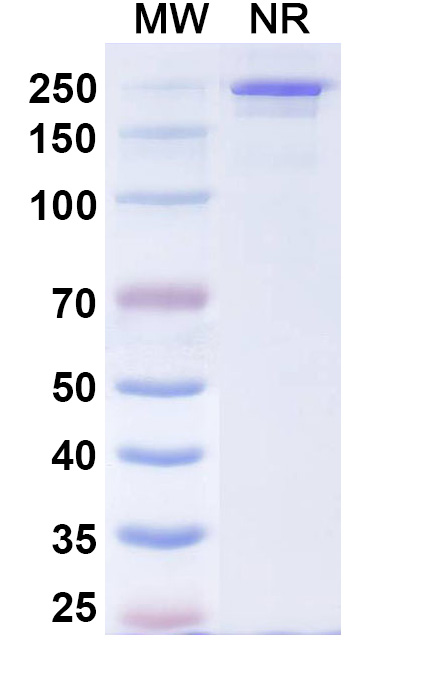
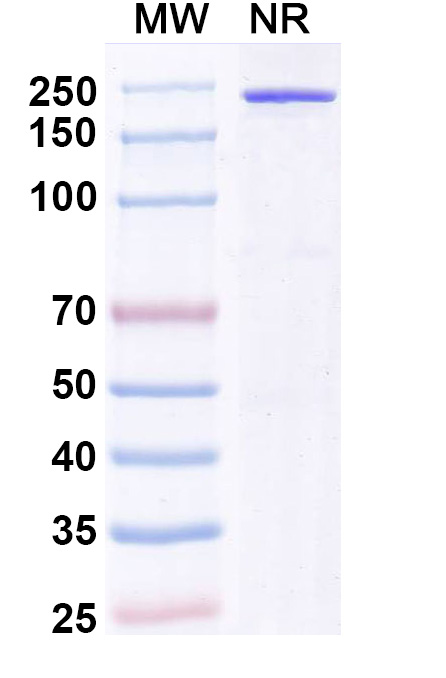
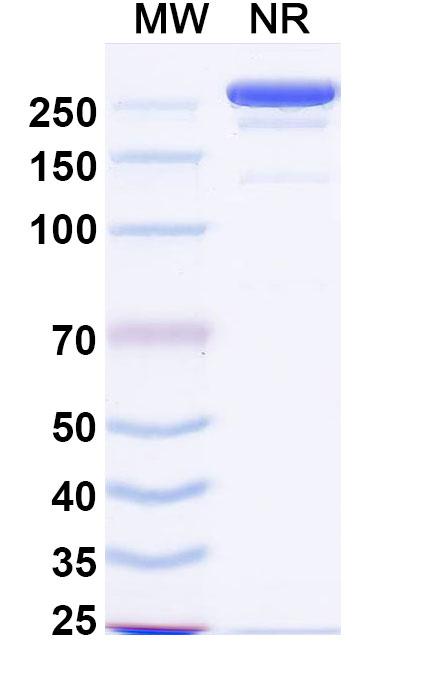
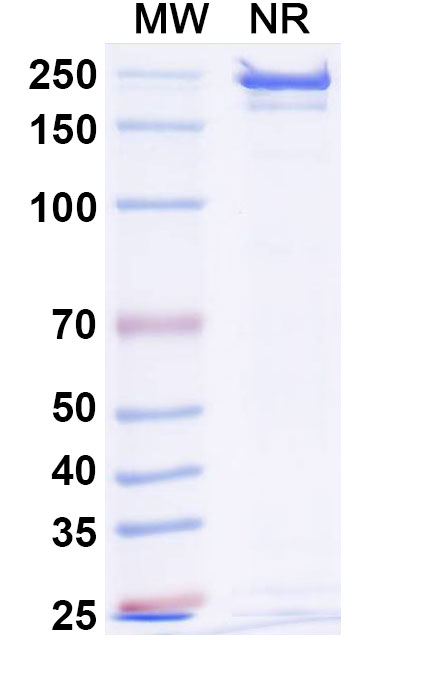
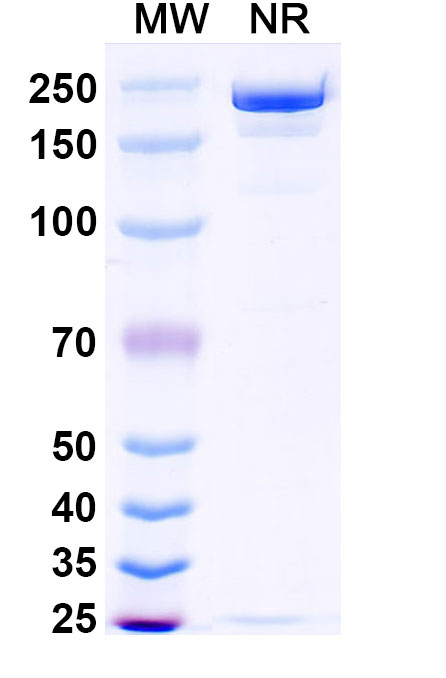
Zubotamig Biosimilar – Anti-VTCN1;CD3e mAb is a monoclonal antibody that is produced using recombinant DNA technology. It is a humanized antibody, meaning that it contains both human and mouse components. The antibody consists of two heavy chains and two light chains, which are linked together by disulfide bonds. The heavy and light chains contain variable regions that are responsible for binding to the target proteins, VTCN1 and CD3e.
Activity of Zubotamig Biosimilar – Anti-VTCN1;CD3e mAb
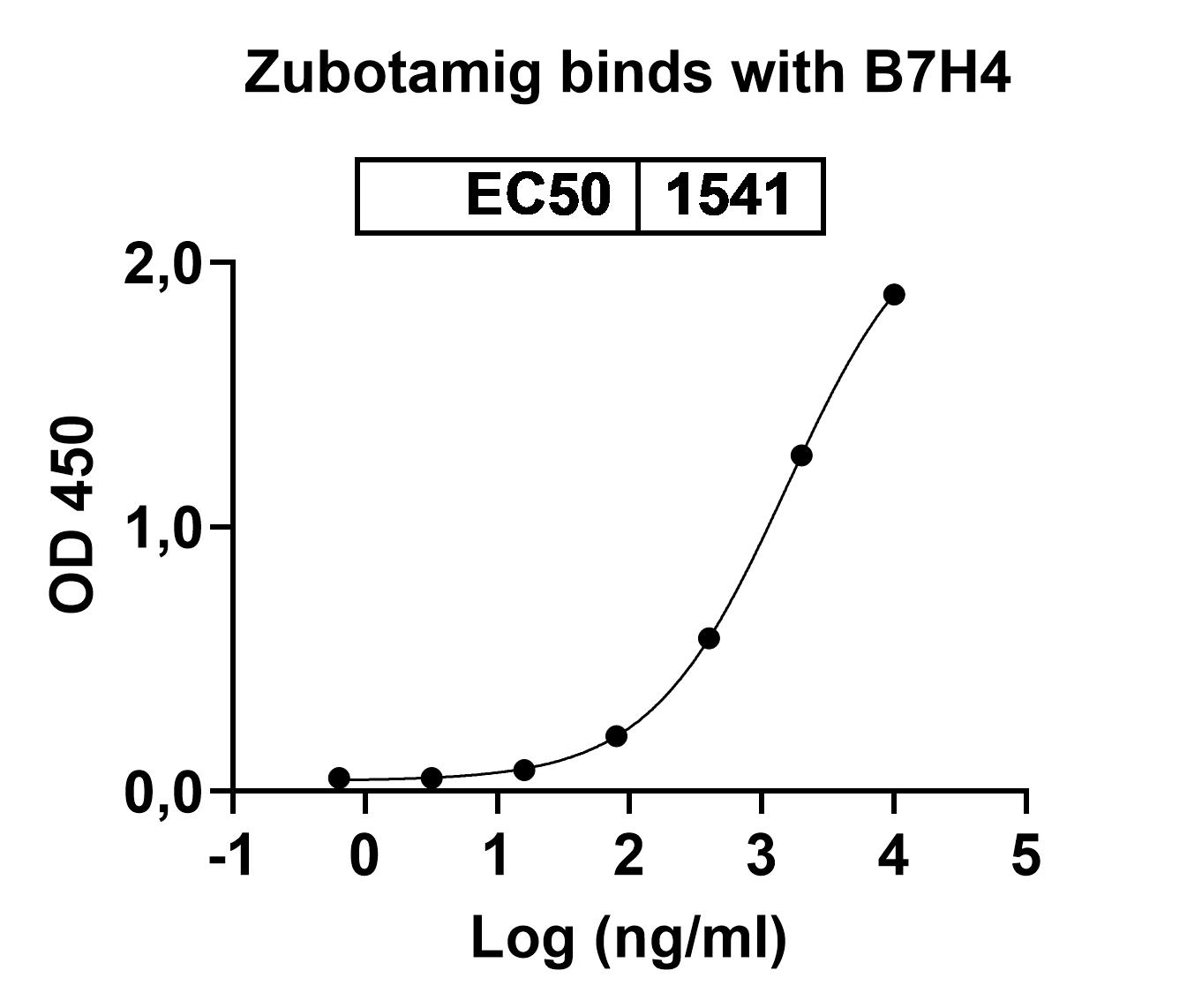
Zubotamig Biosimilar – Anti-VTCN1;CD3e mAb is designed to specifically target the VTCN1 and CD3e proteins. VTCN1, also known as B7-H4, is a protein that is expressed on the surface of tumor cells and plays a role in immune evasion. CD3e is a protein that is found on T cells and is involved in T cell activation. By binding to these proteins, Zubotamig Biosimilar – Anti-VTCN1;CD3e mAb can potentially block the immune evasion mechanisms of cancer cells and activate T cells to attack the tumor.
Mechanism of action
Zubotamig Biosimilar – Anti-VTCN1;CD3e mAb works by binding to VTCN1 and CD3e on the surface of cancer cells and T cells, respectively. This binding triggers a series of events that lead to the activation of T cells and the destruction of cancer cells. Additionally, the antibody can also block the interaction between VTCN1 and its receptor on T cells, which is necessary for immune evasion.
Potential Applications
Zubotamig Biosimilar – Anti-VTCN1;CD3e mAb has potential applications in both cancer therapy and immunology research. In cancer therapy, the antibody can be used as a targeted therapy to treat tumors that express high levels of VTCN1. It can also be used in combination with other cancer treatments to enhance their efficacy. In immunology research, Zubotamig Biosimilar – Anti-VTCN1;CD3e mAb can be used to study the role of VTCN1 and CD3e in immune evasion and T cell activation.
Advantages of Zubotamig Biosimilar – Anti-VTCN1;CD3e mAb
Compared to other therapeutic antibodies, Zubotamig Biosimilar – Anti-VTCN1;CD3e mAb has several advantages. Its humanized structure reduces the risk of immune reactions and increases its half-life in the body. Additionally, its specific targeting of VTCN1 and CD3e minimizes potential side effects and increases its efficacy.
Conclusion
In summary, Zubotamig Biosimilar – Anti-VTCN1;CD3e mAb is a research grade therapeutic antibody that targets the VTCN1 and CD3e proteins. Its unique structure and mechanism of action make it a promising candidate for cancer therapy and immunology research. Further studies and clinical trials are needed to fully evaluate its potential in treating cancer and other diseases.
There are no reviews yet.