

Cart (0 Items)
Your cart is currently empty.
View Products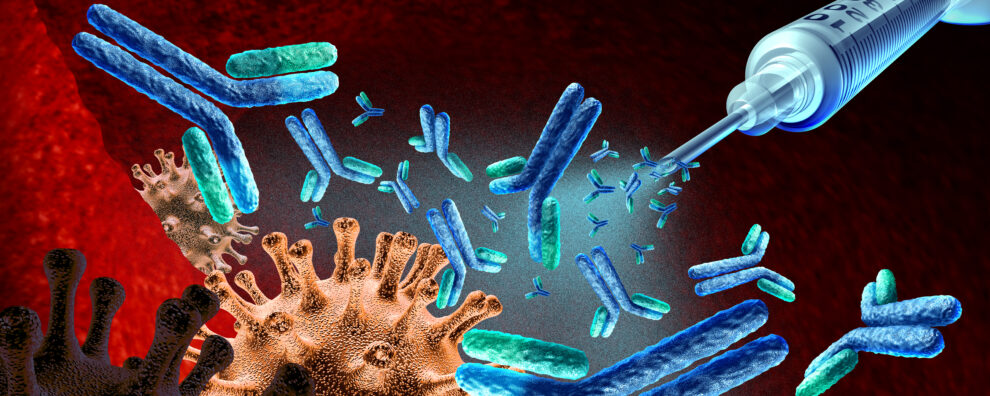 Antibody production
 Thomas Meyer
Antibody discovery is a cornerstone of modern biomedical science, offering unparalleled potential in therapeutics, diagnostics, and fundamental research. Antibodies, also known as immunoglobulins, are Y-shaped proteins produced by B cells in the immune system. They bind specifically to antigens, such as pathogens or malignant cells, neutralizing them or marking them for destruction by other immune cells. This specific binding capability makes antibodies indispensable tools across multiple domains.
Therapeutics: The development of monoclonal antibodies (mAbs) has revolutionized therapeutic strategies for a variety of diseases, including cancers, autoimmune disorders, and infectious diseases. Therapeutic antibodies are engineered to target specific antigens with high precision, thereby improving treatment efficacy while minimizing off-target effects. For example, trastuzumab (Herceptin) targets the HER2 receptor in HER2-positive breast cancer, significantly improving survival rates. Similarly, pembrolizumab (Keytruda) targets the PD-1 receptor on T cells, enhancing the immune system’s ability to fight cancer.
Diagnostics: In diagnostics, antibodies are crucial for the detection of biomarkers, which are indicators of disease presence or progression. Techniques such as enzyme-linked immunosorbent assays (ELISA), immunohistochemistry (IHC), and lateral flow assays rely on antibodies for their high specificity and sensitivity. These diagnostic tools are essential for early disease detection, monitoring disease progression, and evaluating the effectiveness of treatments. For instance, rapid COVID-19 tests use antibodies to detect viral antigens, providing quick and reliable results.
Research: In research, antibodies are indispensable reagents for investigating cellular processes and molecular mechanisms. They are used in a variety of applications, including Western blotting for protein identification, flow cytometry for cell sorting and characterization, and immunoprecipitation for studying protein interactions. The use of antibodies in research facilitates the exploration of complex biological systems, contributing to our understanding of disease mechanisms and the identification of novel therapeutic targets.
The landscape of antibody discovery is continuously evolving, driven by technological advancements and a deeper understanding of immunology. Traditional methods like hybridoma technology, which involves the fusion of B cells with myeloma cells to produce monoclonal antibodies, have been foundational but are now complemented by more advanced techniques. Phage display, where bacteriophages are used to present antibody fragments and select those that bind to a specific antigen, has also been a significant step forward.
Recent advancements include next-generation sequencing (NGS) and single-cell technologies, which allow for the high-throughput sequencing of antibody genes and the detailed analysis of individual B cells. These technologies have enabled the rapid identification and characterization of antibodies, significantly speeding up the discovery process. Furthermore, the integration of artificial intelligence (AI) and machine learning (ML) into antibody discovery is transforming the field. These computational tools can predict antibody-antigen interactions, optimize antibody structures, and identify potential cross-reactivities, thereby enhancing the efficiency and precision of antibody engineering.
Recombinant antibody technologies have also advanced, allowing for the production of antibodies in various formats, such as Fab fragments, single-chain variable fragments (scFvs), and bispecific antibodies. These recombinant antibodies offer improved pharmacokinetics, reduced immunogenicity, and the ability to engage multiple targets simultaneously.
High-throughput screening methods and automated platforms have further revolutionized the field, enabling the rapid and simultaneous testing of thousands of antibody candidates. These innovations are crucial for addressing the growing demand for new therapeutics and diagnostics, particularly in the context of emerging infectious diseases and complex conditions like cancer.
Single B Cell Sorting is a cutting-edge technology that involves the isolation and analysis of individual B cells to identify and sequence the antibodies they produce. This method utilizes advanced techniques such as flow cytometry or microfluidic platforms to sort single B cells from a heterogeneous population based on specific surface markers. Once isolated, the genetic material (RNA) of these B cells is extracted and sequenced to determine the antibody’s heavy and light chain sequences.
The primary advantage of Single B Cell Sorting is its ability to capture the natural diversity of the antibody repertoire directly from an individual’s immune response. Unlike traditional methods that may miss rare but potent antibodies, Single B Cell Sorting can identify these unique antibodies, providing a more comprehensive and accurate representation of the immune response.
Single B Cell Sorting has gained significant relevance in antibody discovery due to its precision, efficiency, and ability to access the natural immune repertoire. Traditional methods, such as hybridoma technology and phage display, often involve laborious and time-consuming steps with the risk of losing rare but highly potent antibodies. In contrast, Single B Cell Sorting enables the rapid and direct identification of antibodies from individual B cells, preserving the diversity and functional relevance of the natural immune response.
This technology is particularly valuable in scenarios where the immune response to a specific antigen is critical. For instance, during infectious disease outbreaks, Single B Cell Sorting can rapidly identify neutralizing antibodies against novel pathogens, facilitating the development of therapeutic antibodies and vaccines. In cancer immunotherapy, it allows for the identification of tumor-specific antibodies that can enhance the efficacy of existing treatments or lead to the development of new therapies.
Moreover, Single B Cell Sorting is instrumental in overcoming challenges related to antibody humanization and affinity maturation. The natural antibodies identified through this method often require minimal modifications to achieve the desired therapeutic properties, thereby reducing development timelines and enhancing the likelihood of clinical success.
The growing importance of Single B Cell Sorting is also reflected in its integration with other advanced technologies. For example, combining Single B Cell Sorting with next-generation sequencing and bioinformatics allows for the comprehensive analysis of the antibody repertoire, providing insights into the immune response and guiding the design of optimized antibodies. Additionally, the use of machine learning algorithms can predict the binding affinity and specificity of antibodies, further enhancing the efficiency of the discovery process.
As the field of antibody discovery continues to evolve, Single B Cell Sorting stands out as a transformative approach that propels the development of next-generation antibodies. Its application spans therapeutic, diagnostic, and research domains, offering solutions to some of the most pressing challenges in modern medicine.
Challenges in Specificity and Affinity
The development of therapeutic antibodies faces significant hurdles in achieving optimal specificity and affinity. Specificity refers to the antibody’s ability to bind exclusively to the target antigen without cross-reacting with other molecules. High affinity indicates a strong binding interaction between the antibody and its target. Both properties are crucial for therapeutic efficacy and safety.
Time-Consuming Processes
The development cycle for therapeutic antibodies is inherently lengthy, often taking several years from initial discovery to clinical application. This extended timeline is due to multiple stages, including antigen identification, antibody generation, preclinical testing, and clinical trials.
Difficulty in Targeting Diverse Antigens
Targeting a wide range of antigens presents another challenge in therapeutic antibody development. Some antigens, such as those on cancer cells or infectious pathogens, exhibit high variability or mimic host proteins, complicating the identification of suitable antibody targets.
Need for High Sensitivity and Specificity
Diagnostic antibodies must exhibit exceptional sensitivity and specificity to detect low-abundance biomarkers accurately. This requirement is crucial for early disease detection, where even small amounts of a biomarker can indicate the presence of a disease.
Limited Diversity in Available Antibodies
The diversity of available diagnostic antibodies is often limited, restricting the range of detectable biomarkers. This limitation hinders the development of comprehensive diagnostic panels that can provide a holistic view of a patient’s health.
Reproducibility and Reliability Issues
Reproducibility and reliability are critical in research antibody development, yet they often pose significant challenges. Inconsistent antibody performance can compromise experimental results, leading to erroneous conclusions and wasted resources.
High Costs and Lengthy Development Times
The development of research antibodies is both costly and time-intensive, often requiring substantial financial investment and extended timelines.
How Single B Cell Sorting Ensures High Specificity and Affinity
Single B Cell Sorting is a transformative technology that dramatically enhances the precision and specificity of antibody discovery. This technique isolates individual B cells that naturally produce antibodies, allowing for the direct analysis and sequencing of their genetic material. By focusing on single cells, researchers can accurately capture the natural pairing of heavy and light chains, preserving the native specificity and affinity developed by the immune system.
Examples of Successful Targeting of Diverse Antigens
Single B Cell Sorting has been successfully applied to target a wide range of antigens, showcasing its versatility and effectiveness:
Reduction in Time-Consuming Processes
Single B Cell Sorting significantly reduces the time-consuming processes associated with traditional antibody discovery methods. Traditional techniques, such as hybridoma technology and phage display, involve multiple rounds of screening and optimization, extending development timelines.
Streamlining of Antibody Discovery Workflows
Single B Cell Sorting integrates seamlessly into modern antibody discovery workflows, offering a streamlined and efficient process from start to finish:
Increased Repertoire of Antibodies
Single B Cell Sorting significantly enhances the diversity of antibodies available for discovery and development. By isolating individual B cells, researchers can capture a broader spectrum of the antibody repertoire, including rare and unique variants that might be missed by traditional methods.
Ability to Capture Rare and Unique Antibodies
The ability to capture rare and unique antibodies is one of the most compelling advantages of Single B Cell Sorting. These antibodies, often overlooked in bulk screening methods, can offer novel mechanisms of action and enhanced therapeutic potential:
Latest Advancements and Future Directions
The field of antibody discovery is rapidly evolving, and Single B Cell Sorting stands at the forefront of these advancements. Here are some of the latest trends and future directions that are poised to shape the future of antibody discovery:
Our Services and Solutions
At ProteoGenix, we harness the power of cutting-edge single B cell technologies to provide unmatched monoclonal antibody discovery services. Our comprehensive solutions are meticulously crafted to cater to the specific needs of researchers and scientists, ensuring precision, efficiency, and success in antibody development.
For more information on our services, visit our Single B Cell Sequencing Service Page.
Why Choose ProteoGenix for Single B Cell Services?
ProteoGenix distinguishes itself as a leader in single B cell technologies for a multitude of reasons:
How ProteoGenix Can Support Your Research
ProteoGenix is committed to supporting researchers in their antibody discovery endeavors through our state-of-the-art single B cell technologies. Here’s how we can help you achieve your research goals:
Ready to advance your antibody discovery efforts? Partner with ProteoGenix and leverage our expertise in single B cell technologies. Visit our Single B Cell Sequencing Service Page to learn more about our services and solutions.
Book a call with our experts today to discuss your project needs and how we can help you achieve your research goals. Transform your antibody development challenges into pioneering solutions with ProteoGenix!
Single B Cell Sorting technology represents a significant advancement in antibody discovery, offering unparalleled precision, efficiency, and diversity. This transformative approach addresses critical challenges in therapeutic, diagnostic, and research applications by ensuring high specificity and affinity, streamlining workflows, and expanding the repertoire of antibodies.
In therapeutic development, Single B Cell Sorting enhances the efficacy and safety of treatments by isolating highly specific and high-affinity antibodies, reducing development timelines, and effectively targeting diverse antigens. For diagnostics, the technology provides high sensitivity and specificity, enabling early and accurate disease detection, while also broadening the range of detectable biomarkers. In research, it improves reproducibility and reliability, accelerates discovery processes, and reduces costs.
Emerging trends such as AI integration, high-throughput screening, single-cell multi-omics, and synthetic biology are further propelling the capabilities of Single B Cell Sorting. Combining this technology with Phage B Cell Sequencing enhances antibody discovery by providing comprehensive repertoire analysis, optimizing specificity and affinity, and accelerating development timelines.
ProteoGenix leverages state-of-the-art Single B Cell Sorting technologies to support researchers in achieving their antibody discovery goals. Offering high-throughput screening, detailed antibody characterization, and custom antibody engineering, ProteoGenix ensures high-quality results tailored to specific research needs. With a commitment to quality, resource optimization, and advanced screening capabilities, ProteoGenix is a trusted partner in transforming antibody development challenges into pioneering solutions.
By adopting Single B Cell Sorting, researchers can significantly advance their therapeutic, diagnostic, and research endeavors, ultimately contributing to improved patient outcomes and scientific innovation.
Join our email list to receive exclusive content featuring the most interesting industry and research news, biologics development tips pieced together by experts, res, company news, and exclusive limited-offers. Join a community of 80,000 subscribers and save up to 30% on your first order.