Cart (0 Items)
Your cart is currently empty.
View Products
 Thomas Meyer
Antibody-drug conjugates (ADCs) are complex molecules. Their key properties are heavily influenced by linker chemistry and antibody conjugation methods. For this reason, several ADC bioanalysis methods have been developed…

Antibody-antibiotic conjugates (AACs) are an emerging class of biotherapeutics for the treatment of infectious diseases. With the rise of antibiotic… Read More
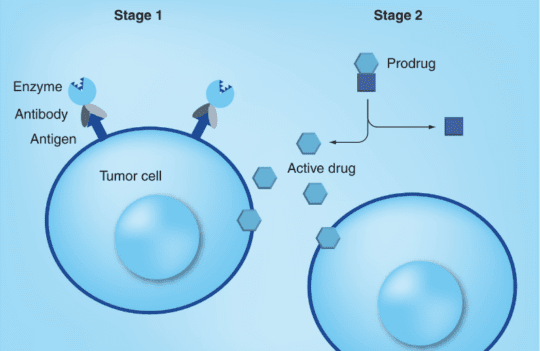
Antibody-enzyme conjugates represent a small but growing field of study within the vast topic of payloads for antibody-drug conjugate… Read More
When conjugated to antibodies and used in combinatorial therapeutic applications, protein toxins are typically referred to as fusion proteins or… Read More
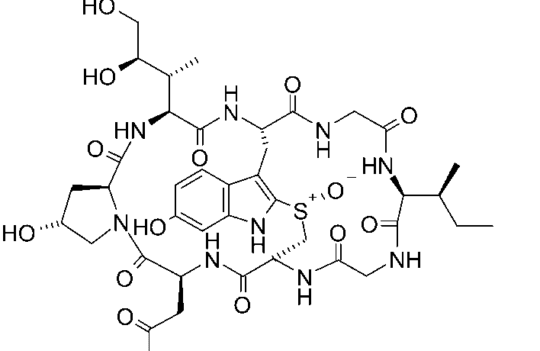
DNA-damaging agents are one of the major classes of payloads used in antibody-drug conjugate (ADC) development. Unlike tubulin inhibitors, most… Read More
Experts believe that most challenges tied to the production of ADCs can be overcome by creating better linkers for… Read More
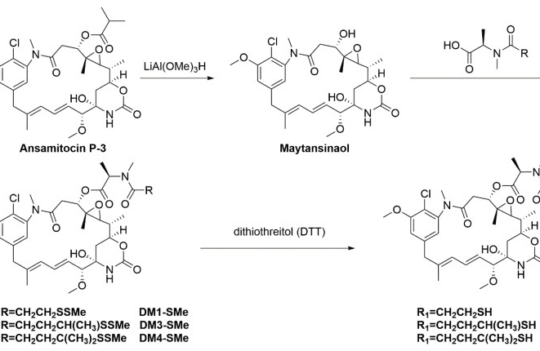
Payloads are the pharmaceutical component of antibody-drug conjugates (ADCs). Often these components are small drugs too toxic to be administered… Read More

Antibody-drug conjugates (ADCs) are an emerging class of pharmaceuticals designed to deliver highly toxic cargoes (payloads) to clinical targets. Read More

Cleavable linkers are a major class of linkers used in ADC development. As their name indicates, they have inbuilt… Read More
Different linker chemistry approaches have been developed since the inception of ADCs. Currently, cleavable and non-cleavable linkers are the… Read More