Get 25% off your first bioreagent online order — use code: PROTEOSHOP25

Chromatin and nuclear signaling

Chromatin protein and nuclear receptor signaling research area
Chromatin is the complexe formed by DNA, RNA and proteins to condense the DNA strings in eukaryotic cells. This form can protect the DNA and regulate gene expression. It is structured by the histone proteins around which the DNA wraps to form nucleosomes. The formation of such complexes can prevent or modify the use of DNA information in collaboration to nuclear receptor signalling. Nuclear receptors are proteins that can bind to the DNA to regulate the gene expression. Their actions are dependent of the reception and detection of steroids and hormones. Among these nuclear receptors transcription factors directly regulate the gene expression.
Proteogenix offers chromatin proteins such as histone proteins and nuclear receptors as well as antibodies targeting those proteins.
Chromatin protein and nuclear receptor signaling science
 
Chromatin description
Chromatin formation is regulated by the cell cycle. In interphase, the DNA is transcripted and replicated. Therefore the parts of strands corresponding to expressed genes must be available and the chromatin does not condense locally. These parts are called euchromatin on the contrary to heterochromatin which is more condensed zones. In the other phases chromatin protects the DNA against possible damages. The formation of this structure also depends on modifications determined by epigenetics. The structure of heterochromatin is based on the nucleosomes. These structures are composed of wrapped DNA strands around histone octomers. These nucleosomes further shape as turn coils to give a 30nm chromatin fiber. This structure, when applied to the whole DNA strand results in chromosomes. Therefore this complexe is partly responsible for gene expression.
Nuclear receptor signaling
Another regulation media is nuclear receptor signaling. Ligands such as hormones or proteins can interact with these proteins to activate them. These ligands are able to cross the plasma membrane to interact directly with the receptors inside the cells. Once activated the nuclear receptors can bind to the DNA strands to inactivate (antagonism) or activate (agonism) or down regulate (inverse agonism) its functions such as transcription. Therefore, nuclear receptors often share three main domains: a ligand-binding domain (E domain), a DNA Binding Domain(C domain), a domain responsible for nuclear localization (D domain) and an activation function at the very variable amino-terminus (A/B or AF1 domain). As an example, aryl hydrocarbon receptor is a nuclear receptor that is involved in many processes such as metabolism, stem cells regulation, cell differentiation and immunity. Nuclear receptors are of different types. Type I nuclear receptors binds as homodimers to inverted repeats of Hormone Response Elements, which are specific DNA sequences. They are recruited from the cytosol into the nucleus on ligand binding. Type II nuclear receptors bind as heterodimers to DNA when recruited by a ligand. When free from ligand these proteins form complexes with corepressors. Type III nuclear receptors bind as homodimers to direct repeats of Hormone Response Elements. Type IV nuclear receptors can bind as monomers or dimers through one of the DNA binding domains. Moreover nuclear receptors have the ability to regulate differently in different tissues. This property is often involved in therapies.
744 products
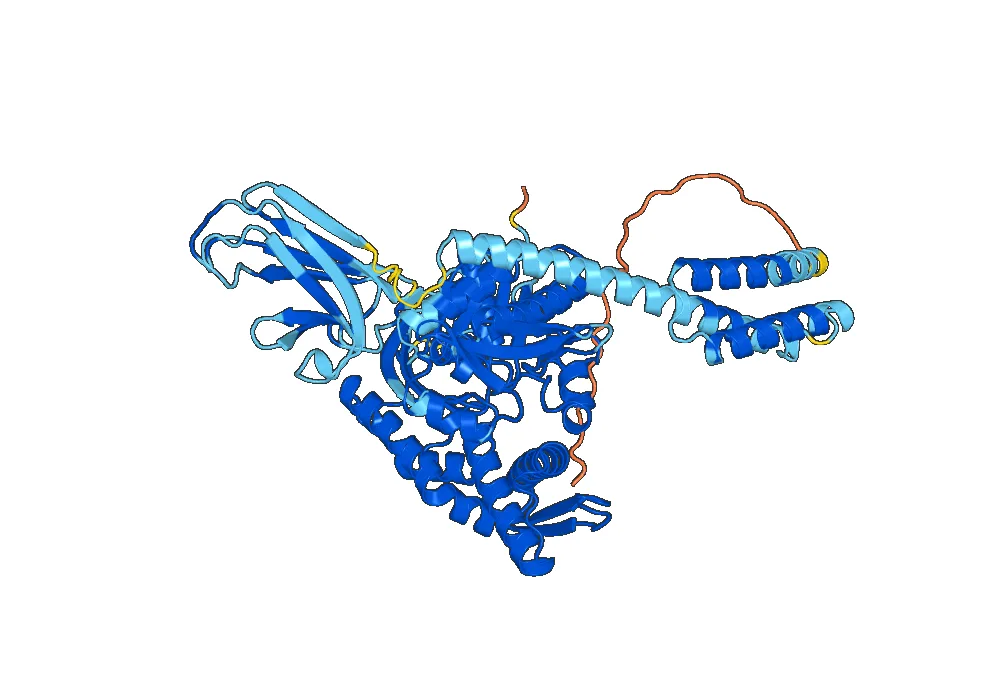
  • Human HSP110wt Recombinant Protein

    Human HSP110wt Recombinant Protein

    • PX-P1113-10
    Host species:
    Escherichia coli (E.coli)
    Origin species:
    Homo sapiens (Human)
    Brand:
    ProteoGenix
    Size:
    100ug | 50ug
  • Human HSP70 Recombinant Protein

    Human HSP70 Recombinant Protein

    • PX-P1057-10
    Host species:
    Escherichia coli (E.coli)
    Origin species:
    Homo sapiens (Human)
    Brand:
    ProteoGenix
    Size:
    100ug | 50ug
  • Human HSPA8 Recombinant Protein

    Human HSPA8 Recombinant Protein

    • PX-P3043-10
    Host species:
    Escherichia coli (E.coli)
    Origin species:
    Homo sapiens (Human)
    Brand:
    ProteoGenix
    Size:
    100ug | 50ug
  • Human MSH5Cter Recombinant Protein

    Human MSH5Cter Recombinant Protein

    • PX-P1126-10
    Host species:
    Escherichia coli (E.coli)
    Origin species:
    Homo sapiens (Human)
    Brand:
    ProteoGenix
    Size:
    100ug | 50ug
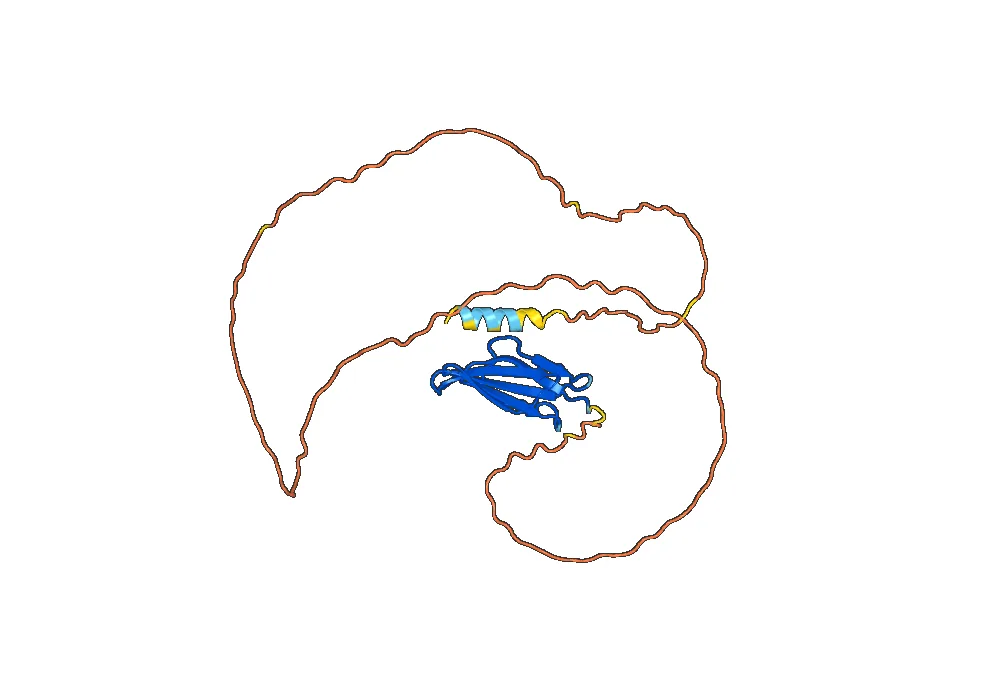
  • Human NDKA Recombinant Protein

    Human NDKA Recombinant Protein

    • PX-P1130-10
    Host species:
    Escherichia coli (E.coli)
    Origin species:
    Homo sapiens (Human)
    Brand:
    ProteoGenix
    Size:
    100ug | 50ug
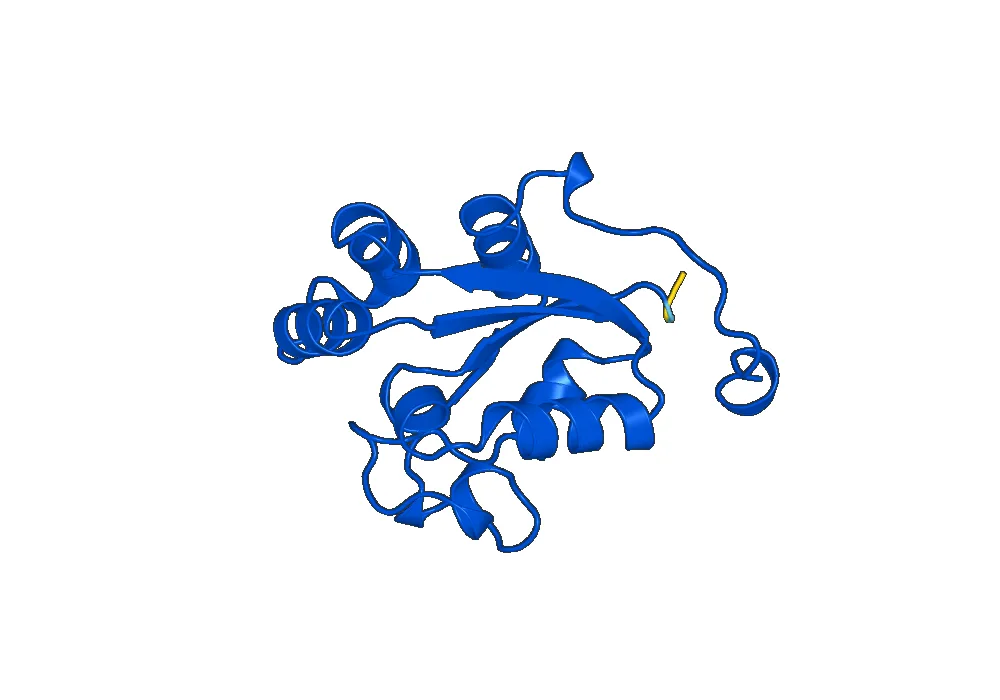
  • Human NMNAT2 Recombinant Protein

    Human NMNAT2 Recombinant Protein

    • PX-P3021-10
    Host species:
    Insect
    Origin species:
    Homo sapiens (Human)
    Brand:
    ProteoGenix
    Size:
    100ug | 50ug
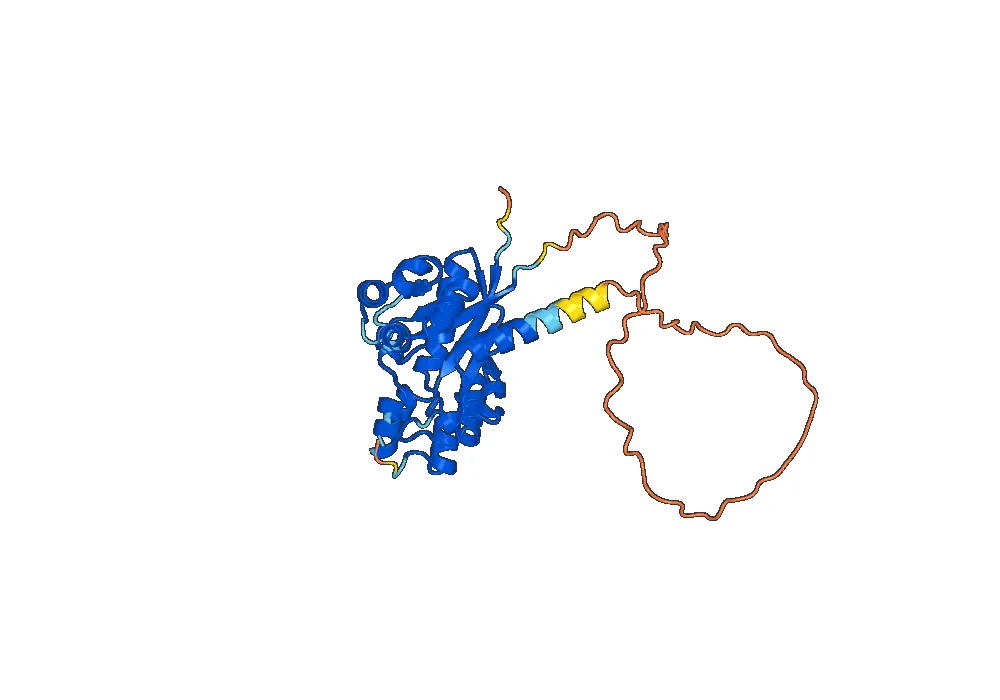
  • Human NPC1L1 Recombinant Protein

    Human NPC1L1 Recombinant Protein

    • PX-P1131-10
    Host species:
    Escherichia coli (E.coli)
    Origin species:
    Homo sapiens (Human)
    Brand:
    ProteoGenix
    Size:
    100ug | 50ug
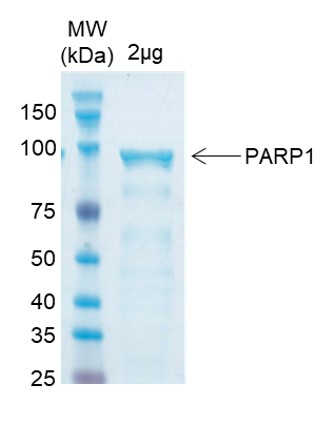
  • SDS-PAGE for Human PARP1 Recombinant Protein

    Human PARP1 Recombinant Protein

    • PX-P1137-10
    • 15 publications
    Host species:
    Escherichia coli (E.coli)
    Origin species:
    Homo sapiens (Human)
    Brand:
    ProteoGenix
    Size:
    100ug | 50ug
  • Human PDCD6IP Recombinant Protein

    Human PDCD6IP Recombinant Protein

    • PX-P3047-10
    Host species:
    Escherichia coli (E.coli)
    Origin species:
    Homo sapiens (Human)
    Brand:
    ProteoGenix
    Size:
    100ug | 50ug
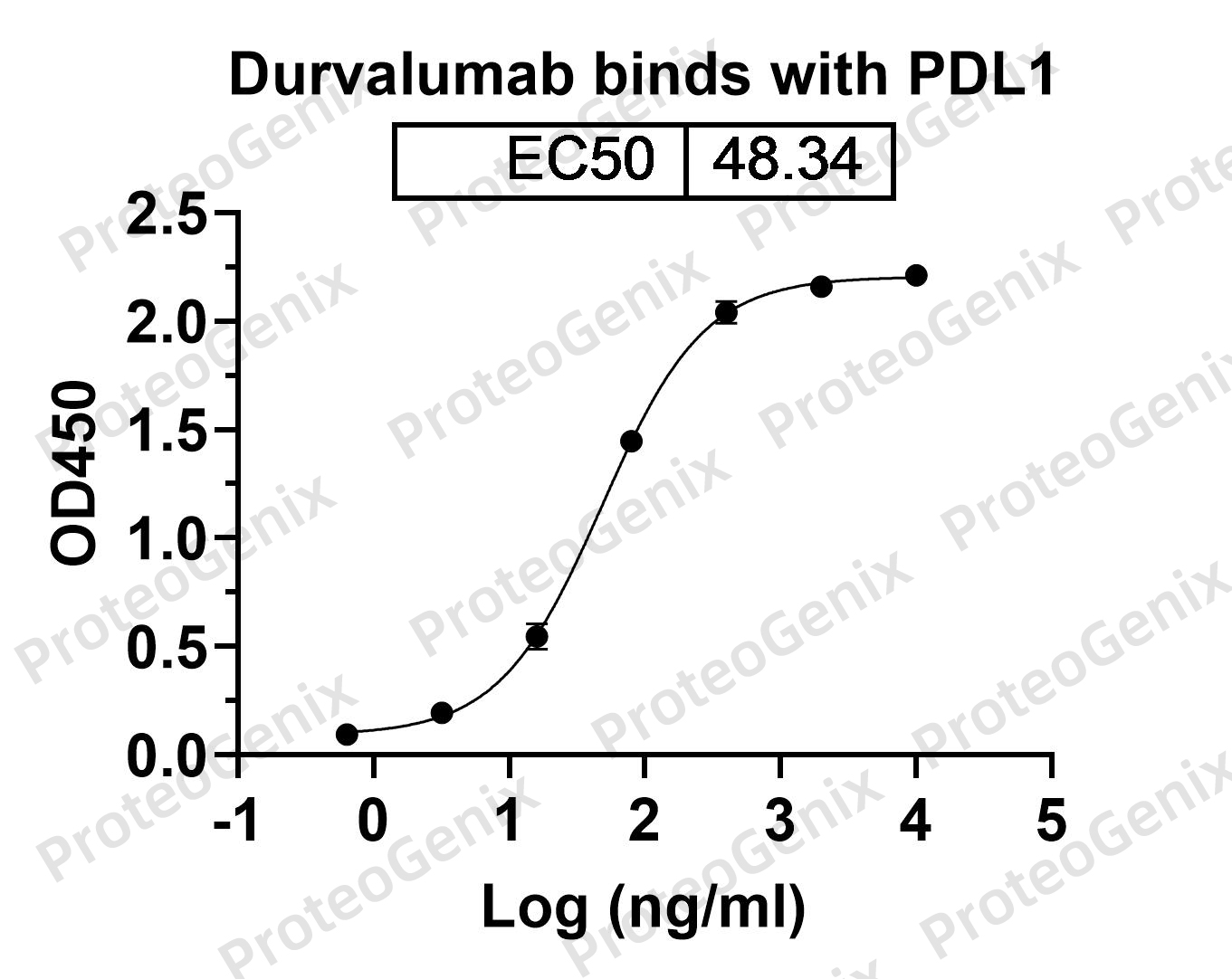
  • Durvalumab Biosimilar - Anti-PD-L1 mAb binds to Human PDL1, B7-H1, CD274 recombinant protein in indirect ELISA Assay

    Human PDL1, B7-H1, CD274 recombinant protein

    • PX-P4038-10
    Host species:
    Mammalian cells
    Origin species:
    Homo sapiens (Human)
    Brand:
    ProteoGenix
    Size:
    100ug | 50ug
  • Human PSMA Protein: FOLH1 Recombinant Protein

    Human PSMA Protein: FOLH1 Recombinant Protein

    • PX-P2059-10
    • 1 publication
    Host species:
    Insect
    Origin species:
    Homo sapiens (Human)
    Brand:
    ProteoGenix
    Size:
    100ug | 50ug
  • Human RETN Recombinant Protein

    Human RETN Recombinant Protein

    • PX-P3048-10
    Host species:
    Escherichia coli (E.coli)
    Origin species:
    Homo sapiens (Human)
    Brand:
    ProteoGenix
    Size:
    100ug | 20ug | 5ug | 50ug
  • Human SOX2 Recombinant Protein

    Human SOX2 Recombinant Protein

    • PX-P3053-10
    Host species:
    Escherichia coli (E.coli)
    Origin species:
    Homo sapiens (Human)
    Brand:
    ProteoGenix
    Size:
    100ug | 50ug
  • Human SR-BI Recombinant Protein

    Human SR-BI Recombinant Protein

    • PX-P1156-10
    Host species:
    Escherichia coli (E.coli)
    Origin species:
    Homo sapiens (Human)
    Brand:
    ProteoGenix
    Size:
    100ug | 50ug
Business people shaking hands in the office. Group of business persons in business meeting. Two entrepreneurs on meeting in board room. Corporate business team on meeting in modern office. Female manager discussing new project with her colleagues. Company owner on a meeting with her employee in her office.

Need a quote or more information? Contact us!

    Cart (0 Items)

    Your cart is currently empty.

    View Products