Introduction
Anti-Human CD21/CR2 Monoclonal Antibody (1A615) is a highly specific antibody that targets the human CD21/CR2 protein. This protein is a cell surface receptor that is primarily expressed on B cells and follicular dendritic cells. The 1A615 antibody has been extensively studied and has shown promising results in various research areas, making it a valuable tool for scientists.
Structure of Anti-Human CD21/CR2 Monoclonal Antibody (1A615)
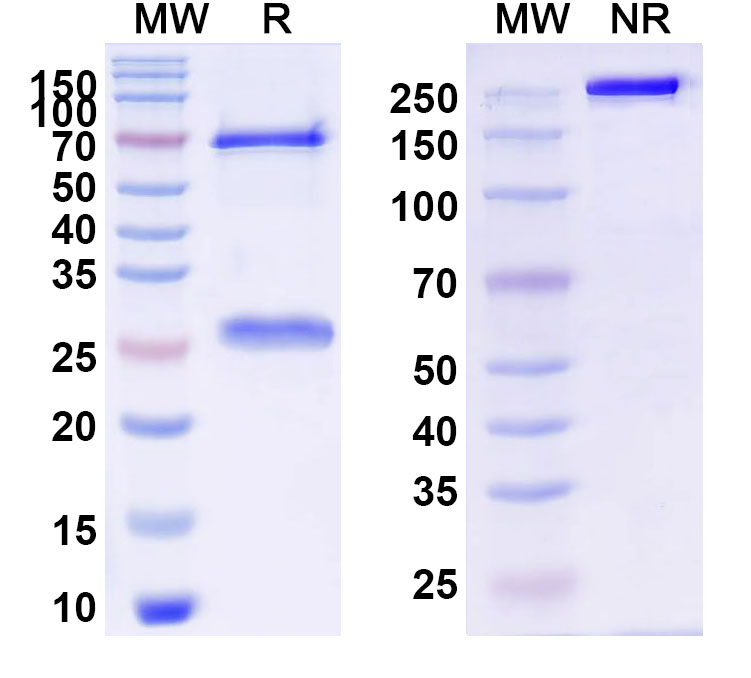
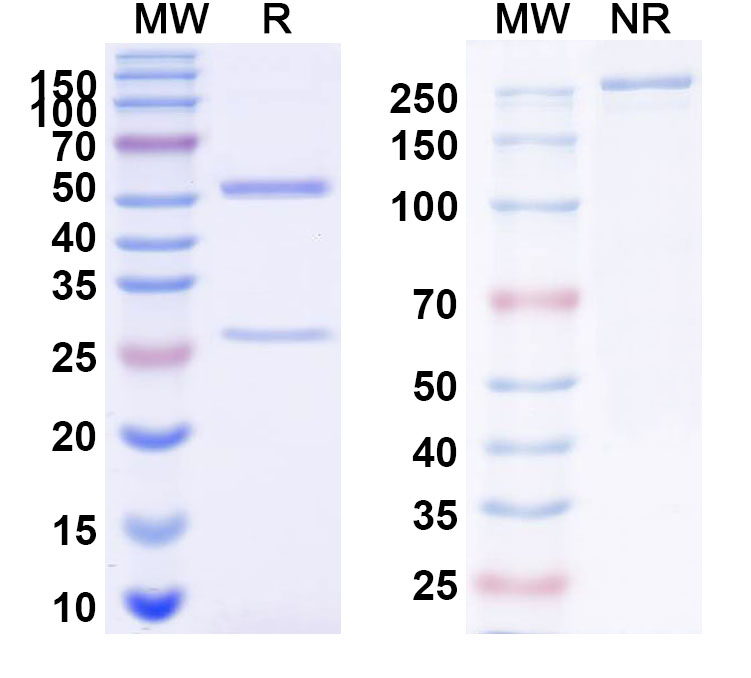
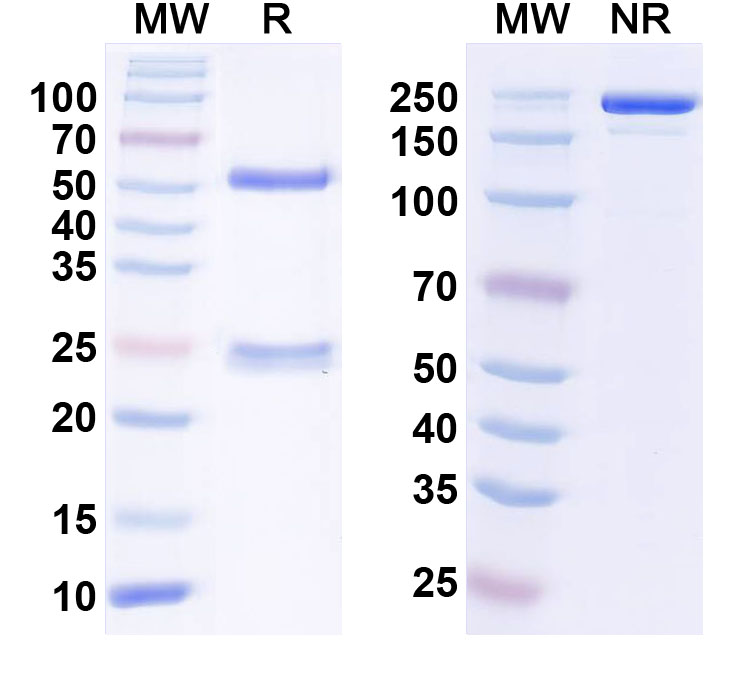
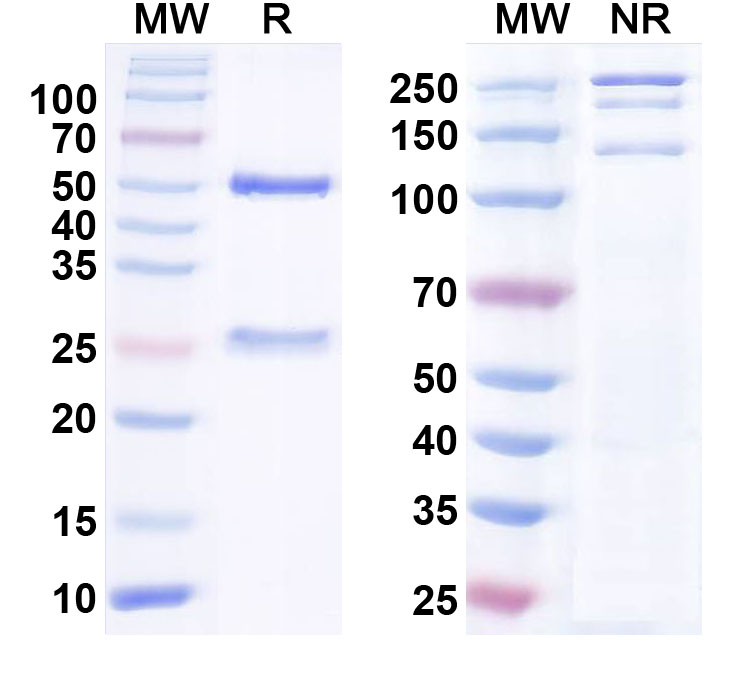
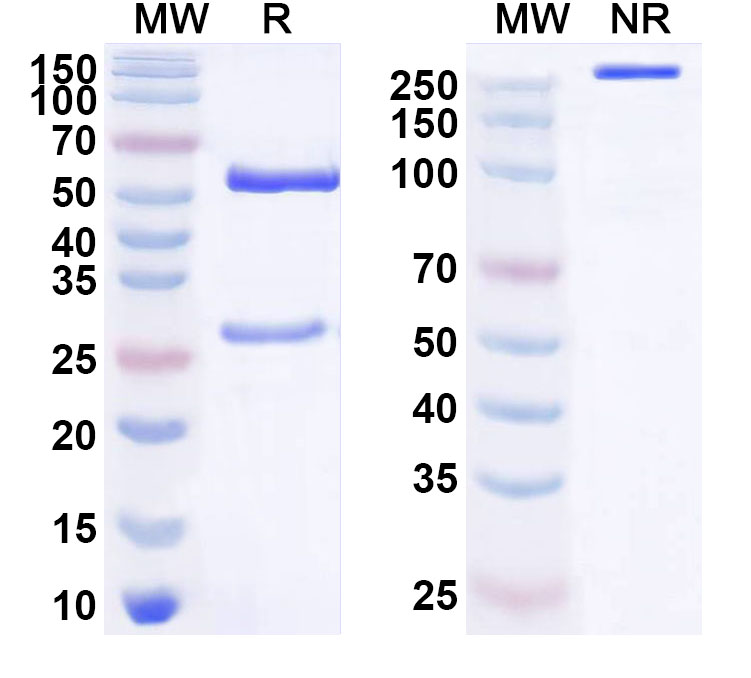
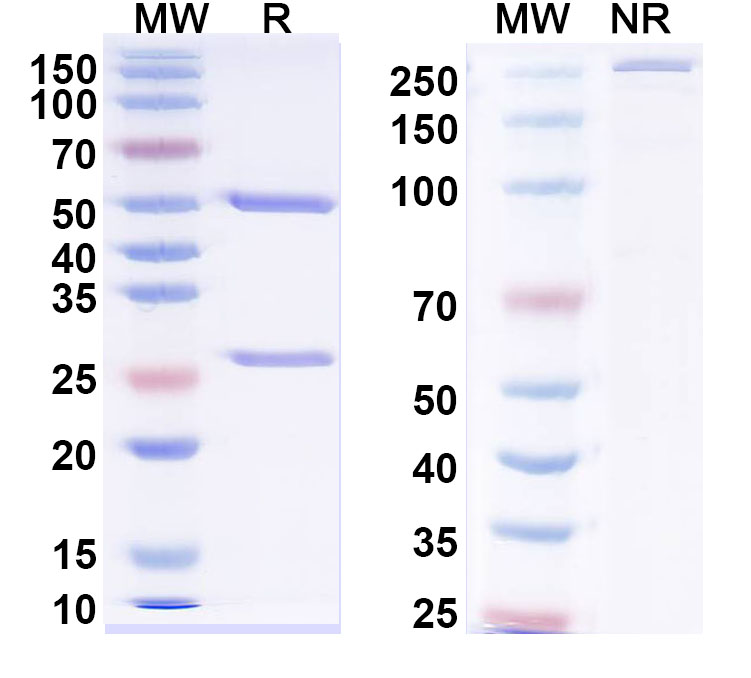
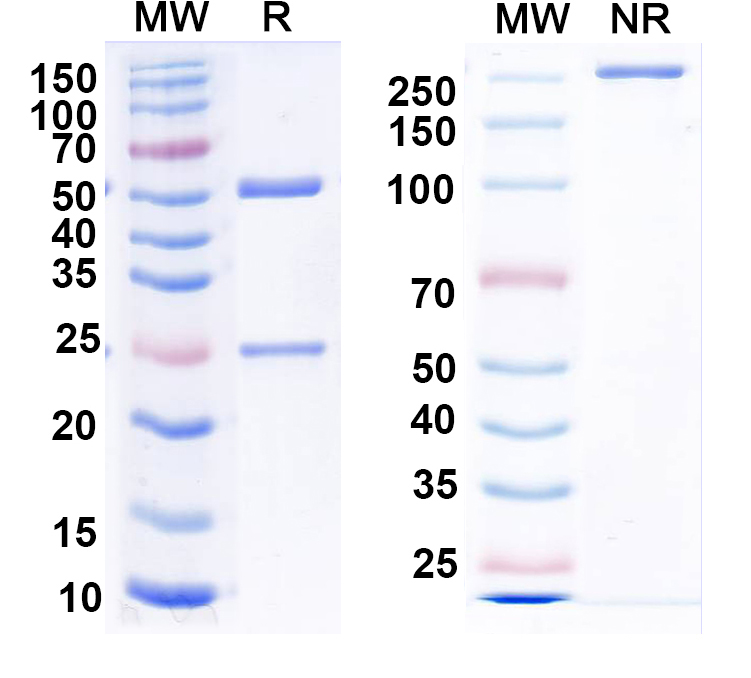
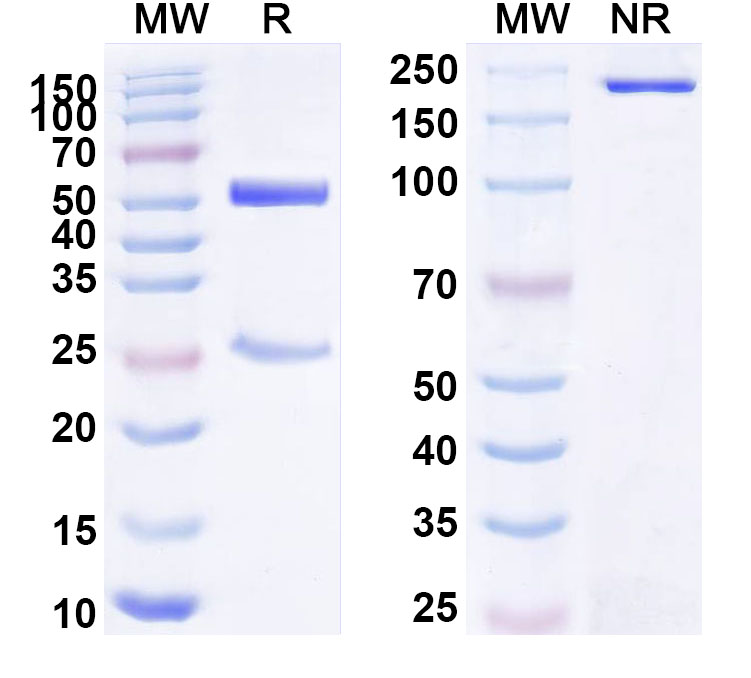
The 1A615 antibody is a monoclonal antibody, meaning it is produced by a single clone of B cells. It is derived from mouse hybridoma cells and has a molecular weight of approximately 150 kDa. The antibody is composed of two heavy chains and two light chains, each containing variable and constant regions. The variable regions are responsible for binding to the CD21/CR2 protein, while the constant regions determine the antibody’s effector functions.
Activity of Anti-Human CD21/CR2 Monoclonal Antibody (1A615)
The primary function of the CD21/CR2 protein is to act as a receptor for the complement component C3d. This interaction is crucial for B cell activation and antibody production. The 1A615 antibody binds to the CD21/CR2 protein, blocking its interaction with C3d and inhibiting B cell activation. This makes it a useful tool for studying the role of CD21/CR2 in various immune processes.
Applications of Anti-Human CD21/CR2 Monoclonal Antibody (1A615)
1. B cell research:
The CD21/CR2 protein is primarily expressed on B cells, and the 1A615 antibody has been extensively used in B cell research. It has been shown to inhibit B cell proliferation and antibody production, making it a valuable tool for studying the role of CD21/CR2 in B cell activation and differentiation.
2. Autoimmune diseases:
The CD21/CR2 protein has been implicated in various autoimmune diseases, including systemic lupus erythematosus and rheumatoid arthritis. The 1A615 antibody has been used in studies to investigate the role of CD21/CR2 in these diseases and has shown promising results in reducing disease severity.
3. Transplantation:
The CD21/CR2 protein has been shown to play a role in transplant rejection. The 1A615 antibody has been used in studies to block the interaction between CD21/CR2 and C3d, leading to improved graft survival in animal models.
4. Cancer research:
The CD21/CR2 protein has been found to be overexpressed on certain types of cancer cells, including B cell lymphomas and breast cancer cells. The 1A615 antibody has been used in studies to target and inhibit the growth of these cancer cells, making it a potential therapeutic option for cancer treatment.
5. Vaccines:
The 1A615 antibody has been used in studies to develop novel vaccine strategies. By targeting the CD21/CR2 protein, the antibody can enhance the immune response to vaccines, leading to improved efficacy.
Conclusion
Anti-Human CD21/CR2 Monoclonal Antibody (1A615) is a highly specific antibody that targets the CD21/CR2 protein. Its structure, activity, and applications make it a valuable tool for scientists in various research areas, including B cell research, autoimmune diseases, transplantation, cancer research, and vaccine development. Further studies on the 1A615 antibody and its target protein will continue to expand our understanding of the immune system and potentially lead to new therapeutic options for various diseases.

There are no reviews yet.