The Structure of Becotatug Biosimilar – Anti-HER1 mAb
Becotatug Biosimilar – Anti-HER1 mAb is a monoclonal antibody (mAb) that specifically targets the human epidermal growth factor receptor 1 (HER1), also known as the epidermal growth factor receptor (EGFR). It is a biosimilar of the therapeutic antibody cetuximab, which is used for the treatment of various types of cancer.
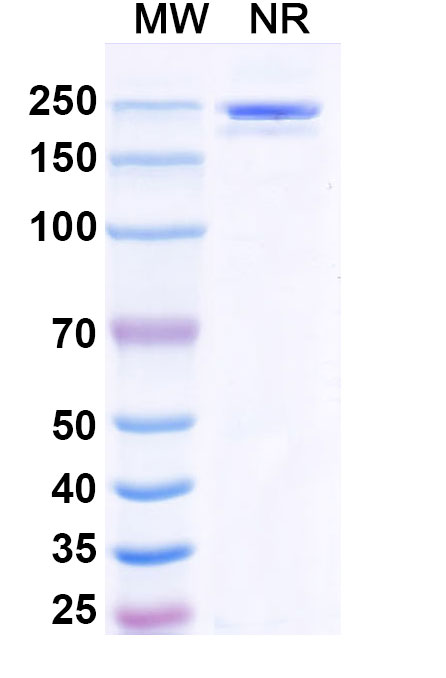
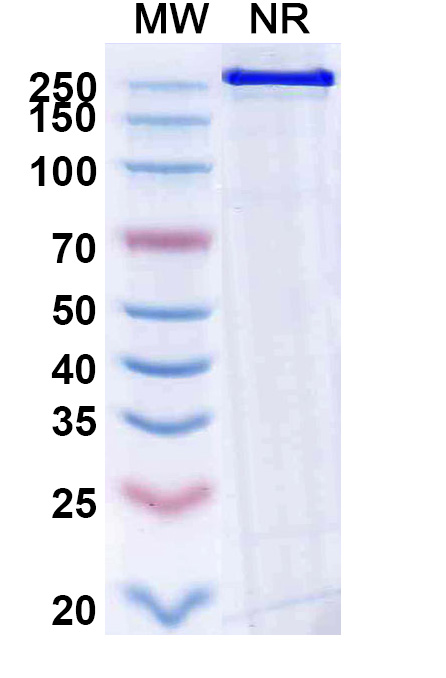
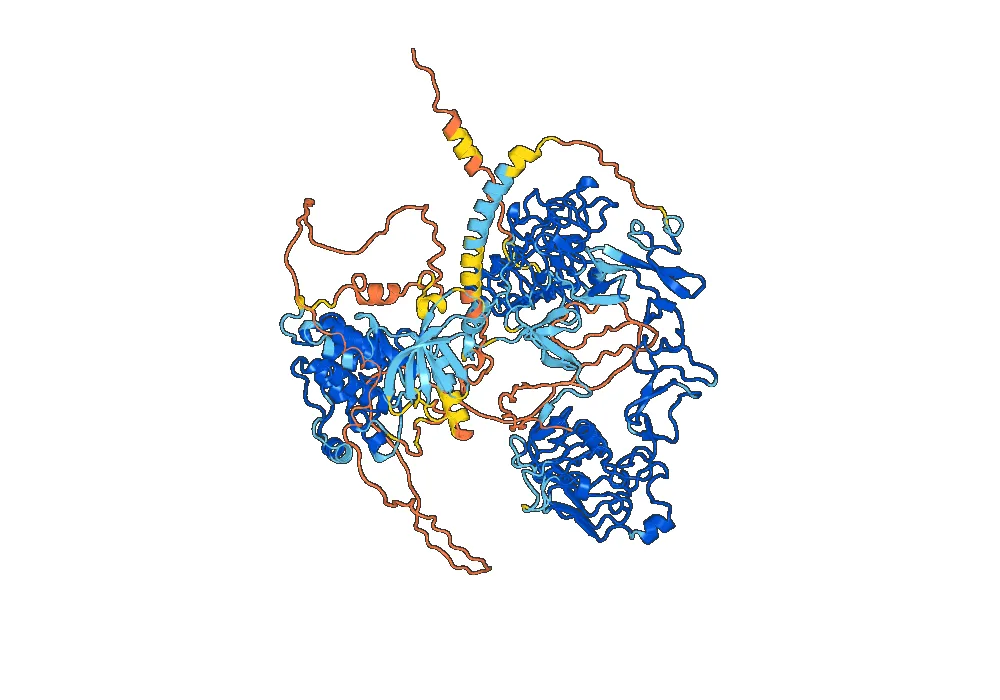
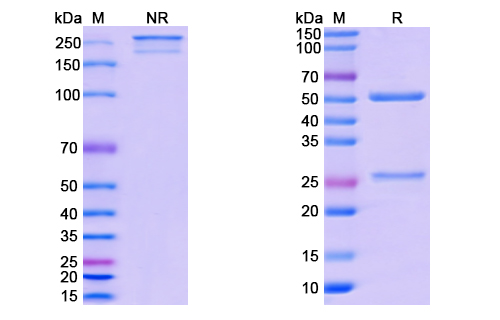
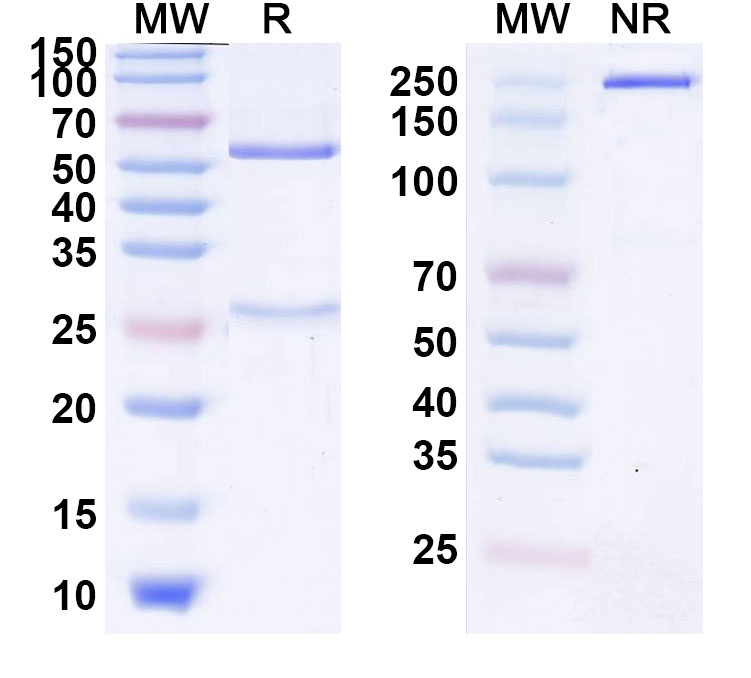
The structure of Becotatug Biosimilar – Anti-HER1 mAb is similar to that of cetuximab, as it is also a chimeric antibody composed of both human and mouse components. It consists of two heavy chains and two light chains, each containing variable and constant regions. The variable regions are responsible for binding to the HER1 receptor, while the constant regions determine the effector functions of the antibody.
The Activity of Becotatug Biosimilar – Anti-HER1 mAb
The main activity of Becotatug Biosimilar – Anti-HER1 mAb is to inhibit the activity of HER1, which is a key player in cell growth and proliferation. HER1 is overexpressed in many types of cancer, including colorectal, lung, and head and neck cancers. By binding to HER1, Becotatug Biosimilar – Anti-HER1 mAb blocks the binding of epidermal growth factor (EGF) and other ligands, preventing the activation of downstream signaling pathways that promote tumor growth.
In addition to blocking HER1 activity, Becotatug Biosimilar – Anti-HER1 mAb also induces antibody-dependent cell-mediated cytotoxicity (ADCC) and complement-dependent cytotoxicity (CDC). These mechanisms involve the recruitment and activation of immune cells, such as natural killer cells and macrophages, to target and destroy cancer cells that are bound by the antibody.
The Application of Becotatug Biosimilar – Anti-HER1 mAb
Becotatug Biosimilar – Anti-HER1 mAb is primarily used as a therapeutic agent for the treatment of cancer. It has been approved by regulatory agencies in many countries for the treatment of metastatic colorectal cancer and squamous cell carcinoma of the head and neck. It is also being investigated for its potential in other types of cancer, such as non-small cell lung cancer and glioblastoma.
Becotatug Biosimilar – Anti-HER1 mAb is typically administered intravenously in combination with other chemotherapy drugs. It has been shown to improve overall survival and progression-free survival in patients with advanced colorectal cancer and head and neck cancer. The use of Becotatug Biosimilar – Anti-HER1 mAb has also been associated with fewer side effects compared to other cancer treatments, making it a promising option for patients.
The Future of Becotatug Biosimilar – Anti-HER1 mAb Research
While Becotatug Biosimilar – Anti-HER1 mAb has shown great success in the treatment of certain types of cancer, ongoing research is focused on expanding its potential applications. One area of interest is the combination of Becotatug Biosimilar – Anti-HER1 mAb with other targeted therapies, such as inhibitors of other EGFR family members or downstream signaling pathways. This could potentially improve the efficacy of Becotatug Biosimilar – Anti-HER1 mAb and overcome resistance to treatment.
Another avenue of research is the use of Becotatug Biosimilar – Anti-HER1 mAb in earlier stages of cancer, such as adjuvant therapy after surgery or in combination with radiation therapy. This could potentially prevent tumor recurrence and improve overall survival rates.
In conclusion, Becotatug Biosimilar – Anti-HER1 mAb is a promising therapeutic antibody that specifically targets HER1 and has shown great success in the treatment of certain types of cancer. Ongoing research will continue to explore


There are no reviews yet.