Introduction
Bafisontamab Biosimilar, also known as Anti-ERBB1 mAb, is a monoclonal antibody that has been developed as a biosimilar to the original Bafisontamab antibody. This biosimilar has been designed to target the same therapeutic target, ERBB1, and has a similar structure and activity as the original antibody. In this article, we will delve into the details of Bafisontamab Biosimilar, including its structure, activity, and potential applications.
Structure of Bafisontamab Biosimilar
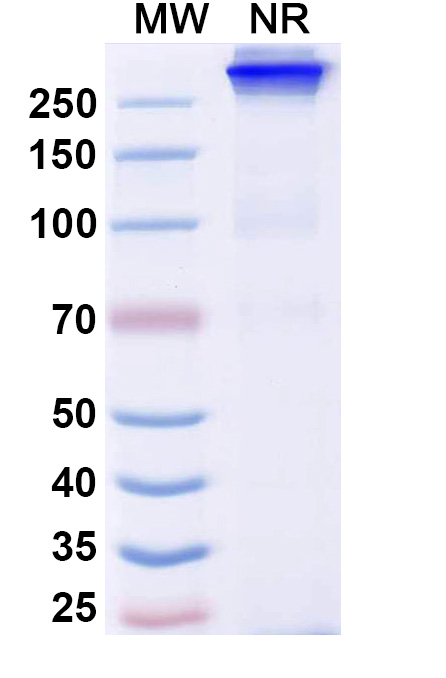
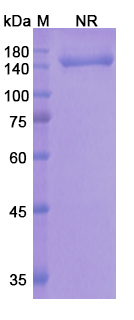
Bafisontamab Biosimilar is a monoclonal antibody, which means it is a type of protein that is made in the laboratory to mimic the body’s natural antibodies. It is composed of two identical heavy chains and two identical light chains, connected by disulfide bonds. These chains are made up of amino acids and have a specific sequence that determines the antibody’s structure and function.
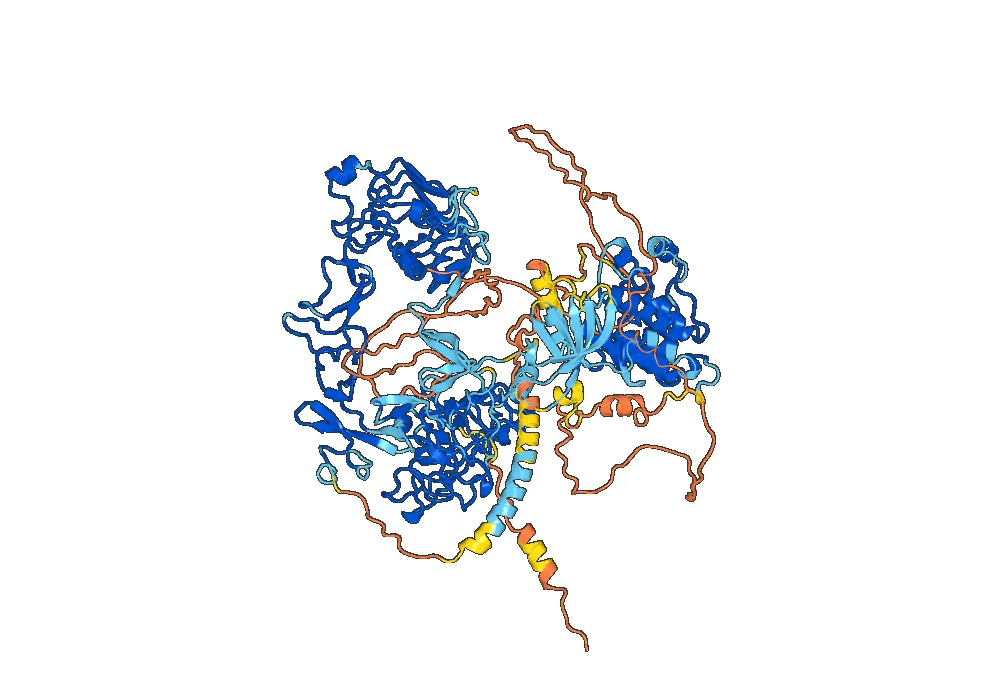
The structure of Bafisontamab Biosimilar is very similar to that of the original Bafisontamab antibody. It has a Y-shaped structure, with two arms that are responsible for binding to the therapeutic target, ERBB1. The amino acid sequence of Bafisontamab Biosimilar has been carefully engineered to match that of the original antibody, ensuring that it has the same binding affinity and specificity.
Activity of Bafisontamab Biosimilar
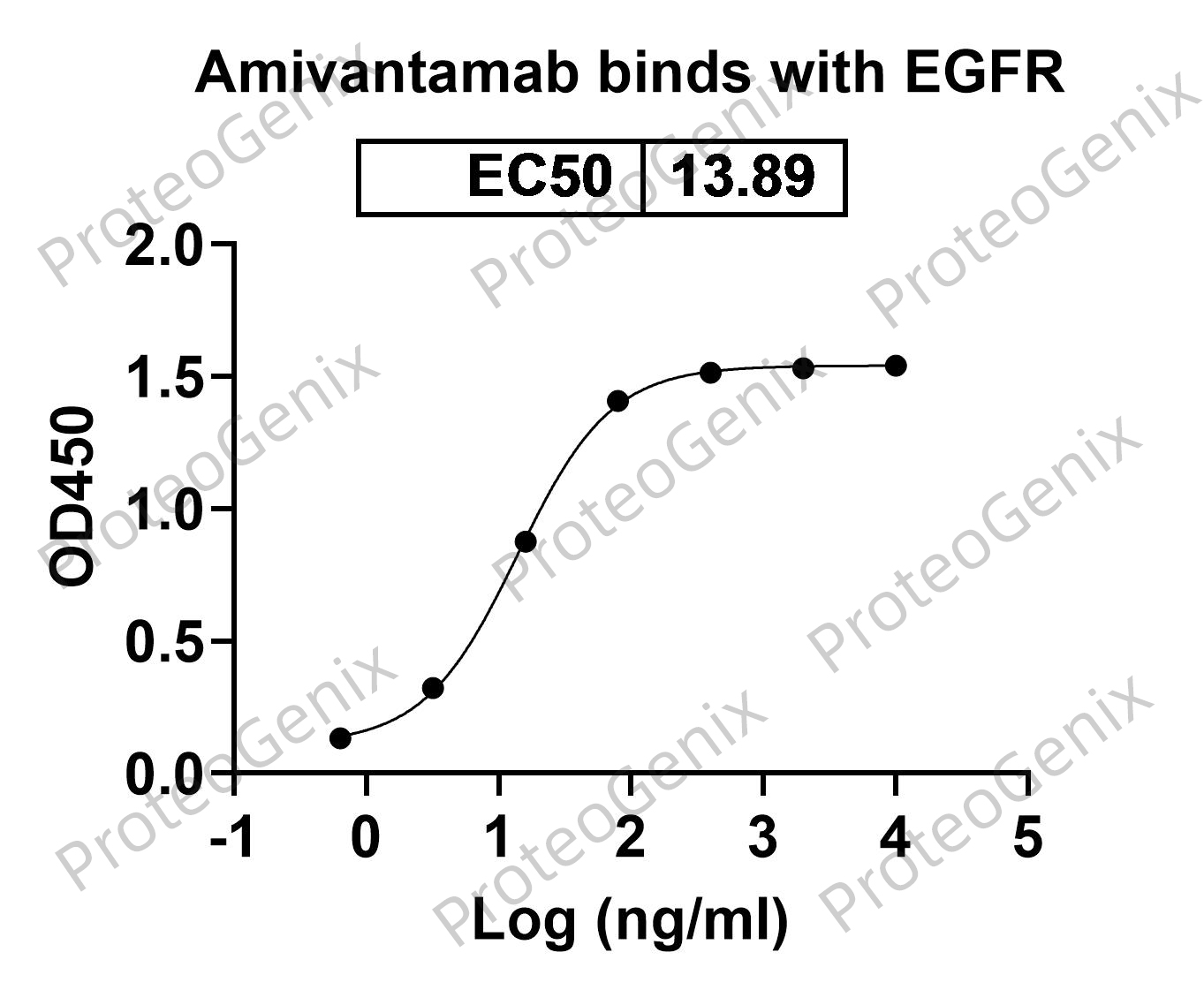
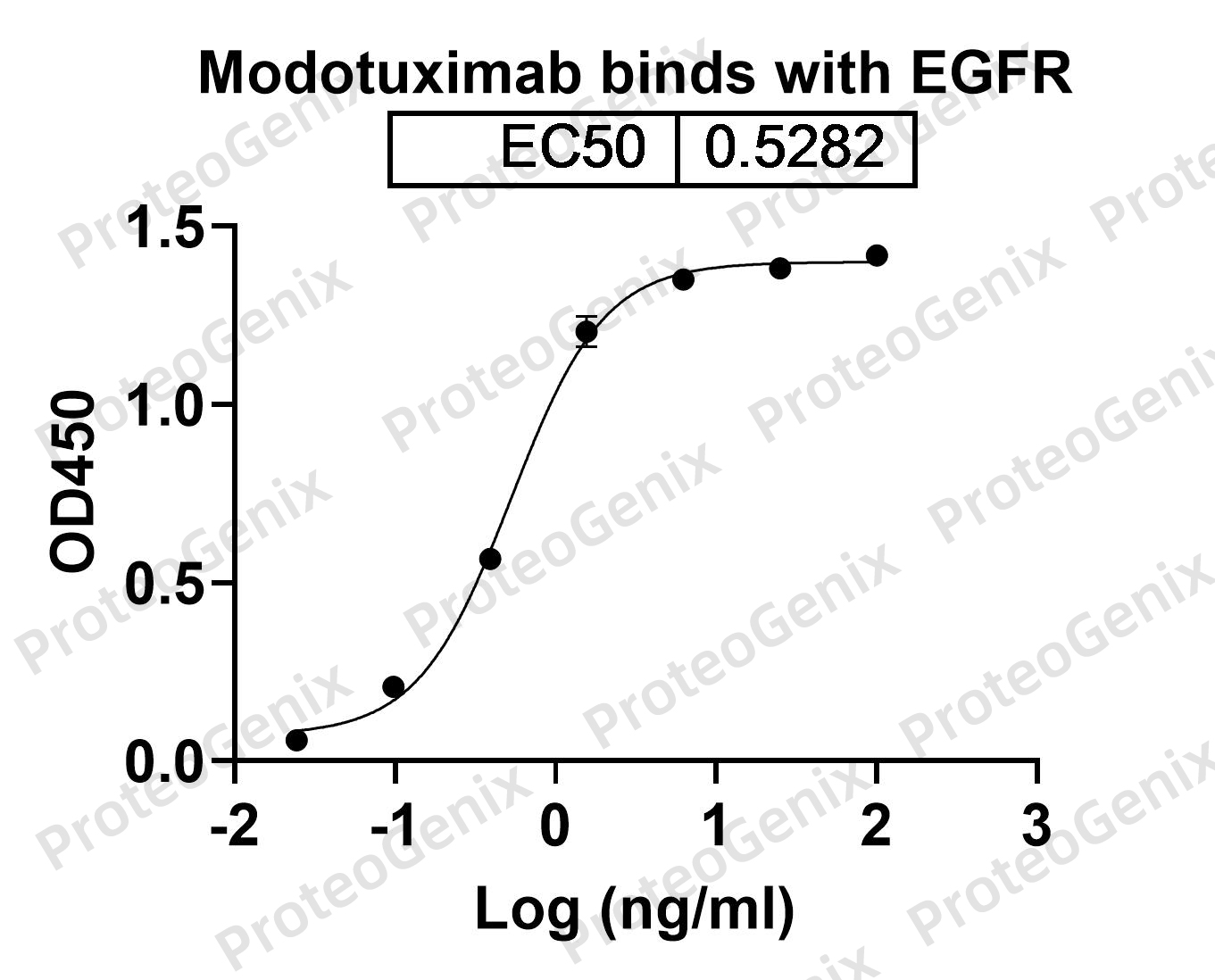
Bafisontamab Biosimilar, like the original antibody, targets ERBB1, which is a cell surface receptor that is overexpressed in various types of cancer. This receptor plays a crucial role in cell growth and proliferation, making it an attractive target for cancer treatment.
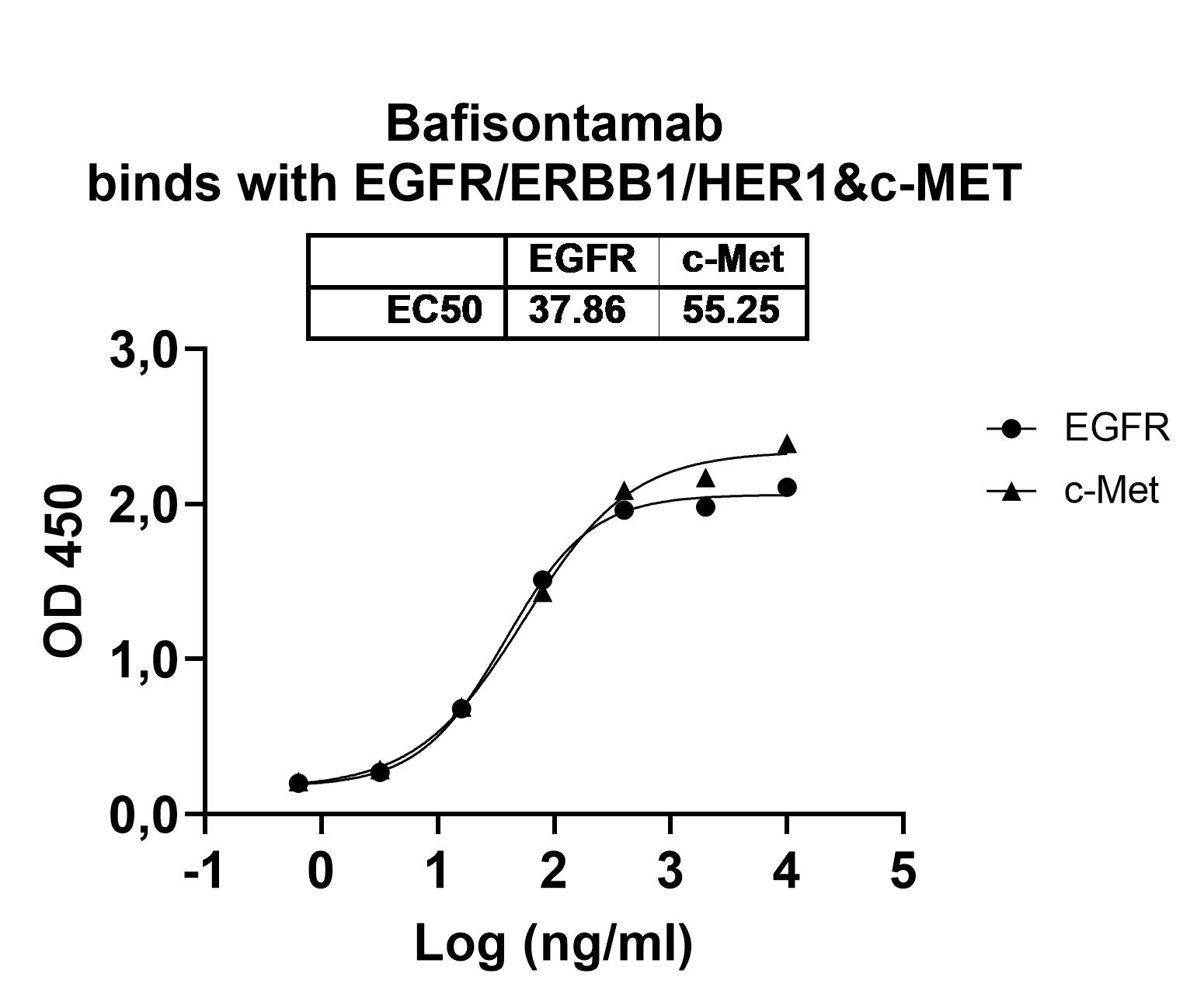
The main activity of Bafisontamab Biosimilar is to bind to ERBB1 and block its function. This prevents the receptor from sending signals that promote cancer cell growth and survival. By targeting ERBB1, Bafisontamab Biosimilar can effectively inhibit the growth and spread of cancer cells, leading to potential therapeutic benefits.
Applications of Bafisontamab Biosimilar
Bafisontamab Biosimilar has potential applications in the treatment of various types of cancer, including non-small cell lung cancer, head and neck cancer, and breast cancer. As a biosimilar to the original Bafisontamab antibody, it has the potential to offer similar therapeutic benefits at a lower cost, making it more accessible to patients.
In addition to its potential use as a cancer treatment, Bafisontamab Biosimilar also has potential applications in research. Its high specificity and binding affinity for ERBB1 make it a valuable tool for studying the role of this receptor in cancer and other diseases. It can also be used in diagnostic tests to detect the presence of ERBB1 in patient samples.
Conclusion
In summary, Bafisontamab Biosimilar is a monoclonal antibody that has been developed as a biosimilar to the original Bafisontamab antibody. It has a similar structure and activity, targeting the same therapeutic target, ERBB1. This biosimilar has potential applications in cancer treatment and research, offering a cost-effective alternative to the original antibody. With its high specificity and binding affinity, Bafisontamab Biosimilar has the potential to make a significant impact in the field of cancer therapeutics.
There are no reviews yet.