Cart (0 Items)
Your cart is currently empty.
View ProductsOriginal price was: $213.00.$167.00Current price is: $167.00.
50ug 22% OFF + 167 loyalty points
Necitumumab Biosimilar - Anti-EGFR, ERBB1 mAb - Research Gradewas analyzed by size exclusion chromatography with UV detection.
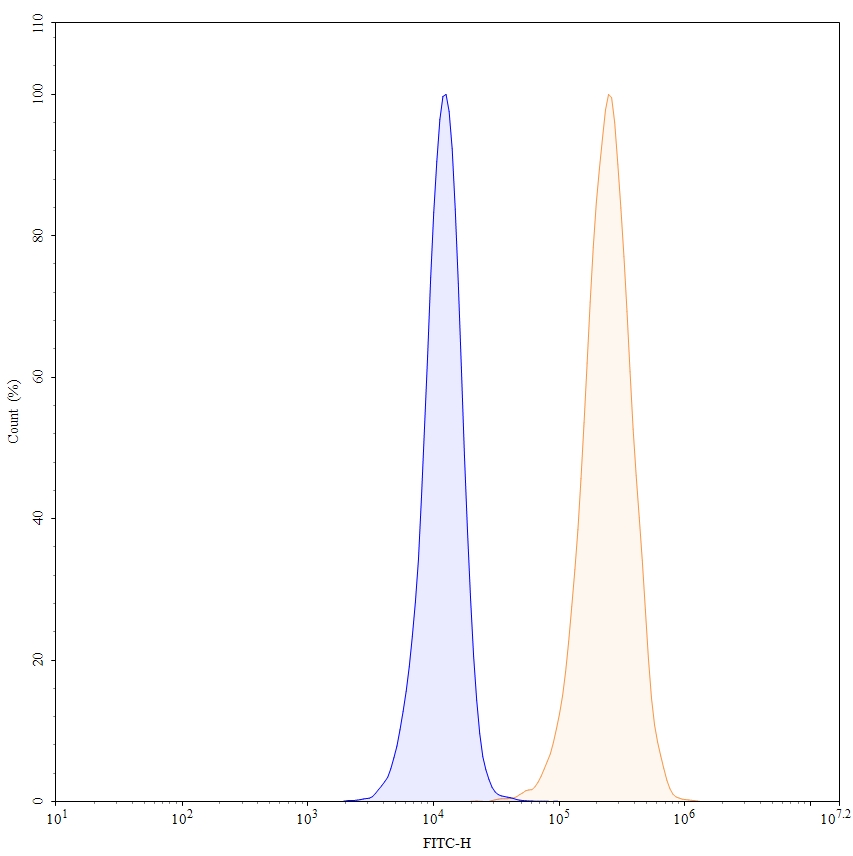
Target Cells were stained with an irrelevant antibody or Necitumumab Biosimilar - Anti-EGFR, ERBB1 mAb - Research Grade at a concentration of 5 µg/ml for 30 mins at RT. After washing, bound antibody was detected using Goat Anti-Human IgG Polyclonal Antibody, FITC (PTX18862) and cells analysed on a NovoCyte Flow Cytometer.
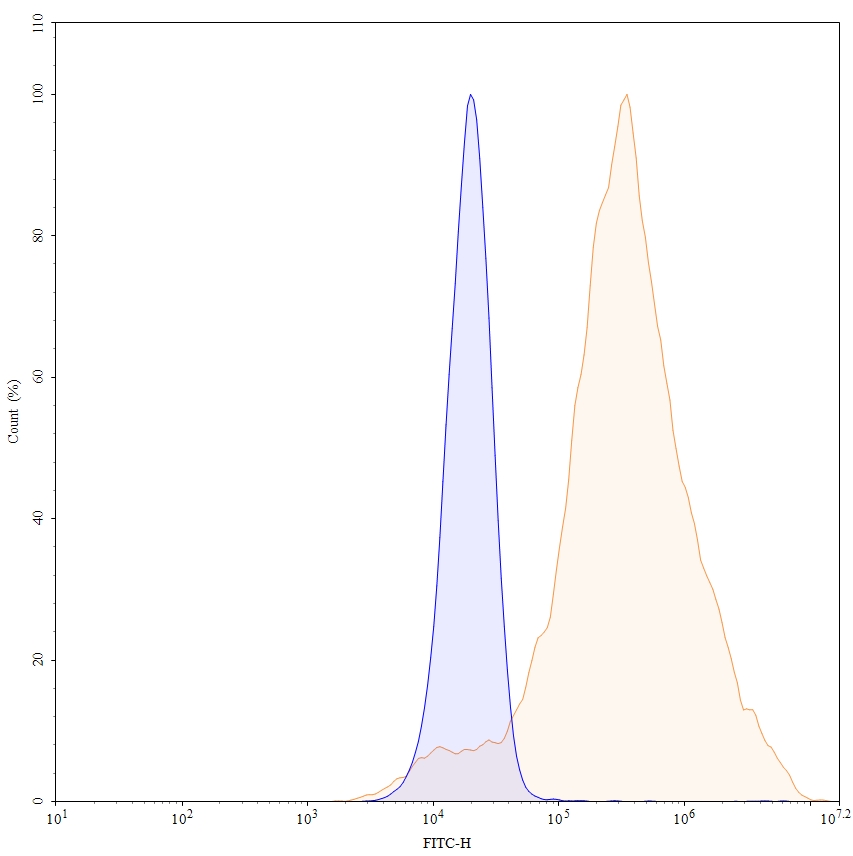
Flow-cytometry using anti-human EGFR antibody. Untransfected cells (blue Histogram) and Transfected cells (Yellow Histogram) were stained with an anti-human EGFR monoclonal antibody (Catalog PX-TA1209) at a concentration of 5 µg/ml for 30 mins at RT. After washing, bound antibody was detected using a Goat Anti-Human IgG H&L Polyclonal Antibody, FITC (abinScience: PTX18862) and cells analysed on a NovoCyte Flow Cytometer.
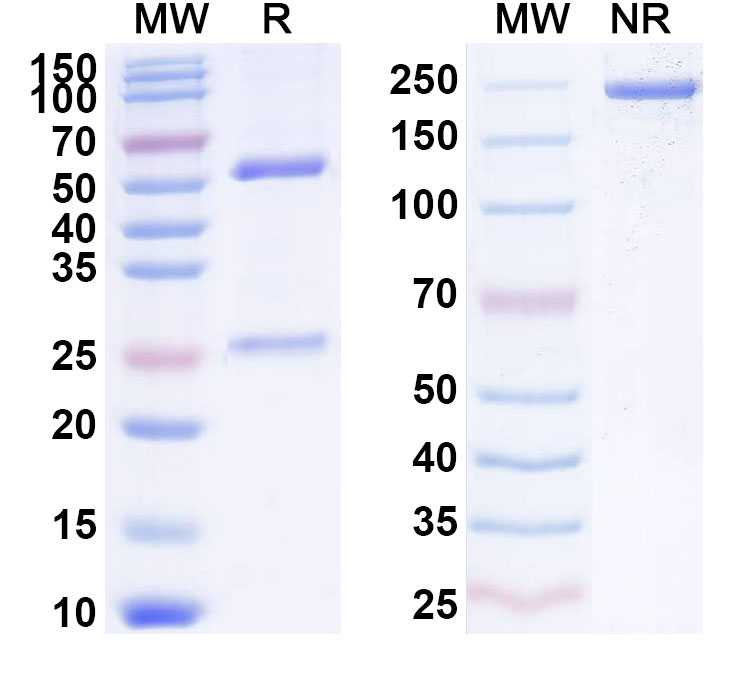
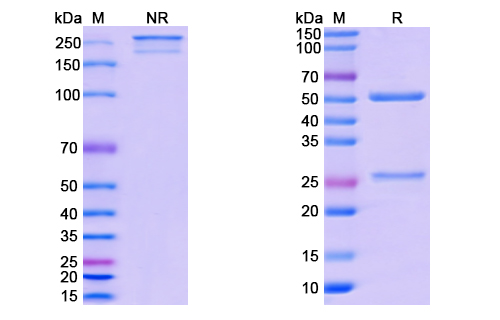
Necitumumab Biosimilar - Anti-EGFR, ERBB1 mAb - Research Grade, on SDS-PAGE. The gel was stained overnight with Coomassie Blue. The purity of the antibody is greater than 95%.
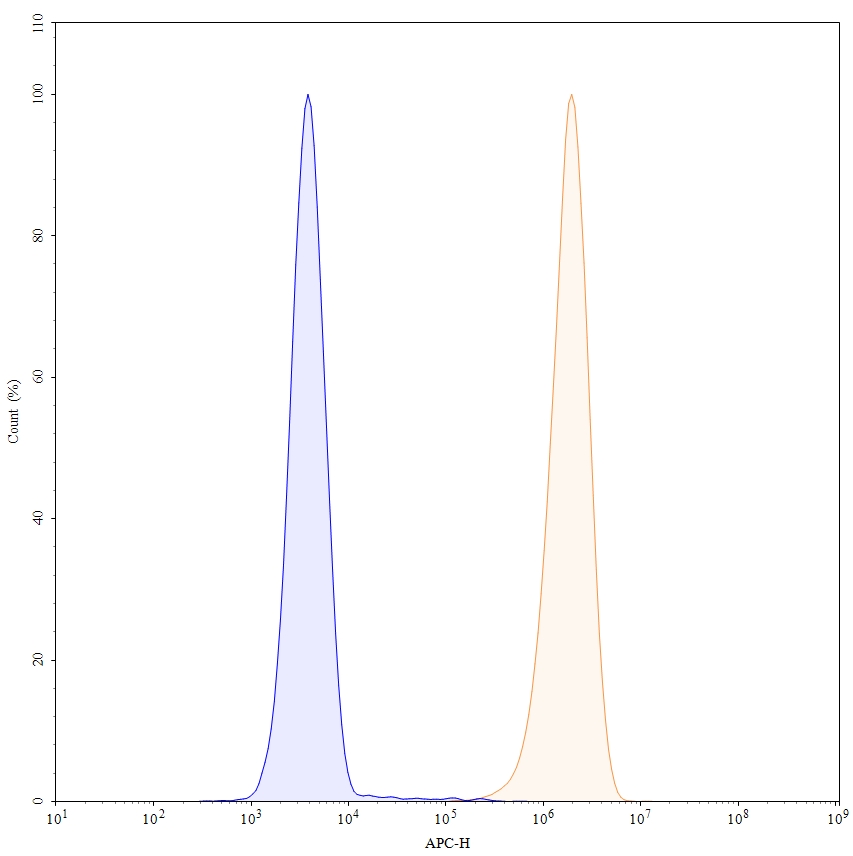
Flow-cytometry using APC anti-human EGFR antibody. A431 cells were stained with an irrelevant antibody (Blue Histogram) or an APC anti-human EGFR monoclonal antibody (Catalog: PX-TA1209, Yellow Histogram) at a concentration of 5 µg/ml for 30 mins at RT. After washing, and cells analysed on a NovoCyte Flow Cytometer.
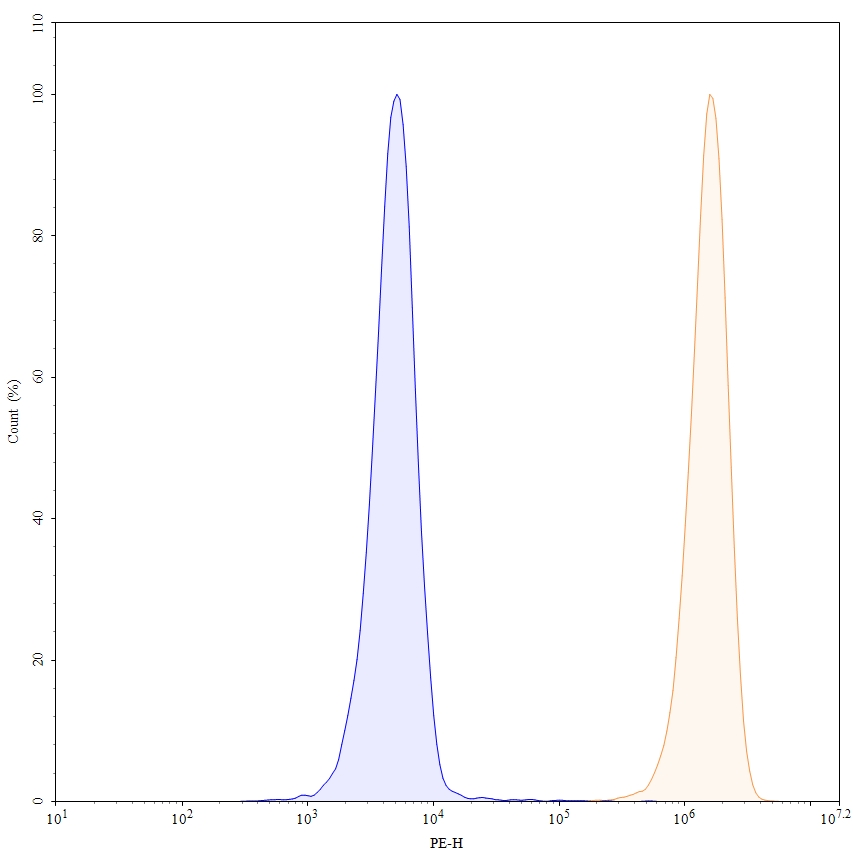
Target Cells were stained with an irrelevant antibody or Necitumumab Biosimilar - Anti-EGFR, ERBB1 mAb - Research Grade at a concentration of 5 µg/ml for 30 mins at RT. After washing, bound antibody was detected using Goat Anti-Human IgG Polyclonal Antibody, FITC (PTX18862) and cells analysed on a NovoCyte Flow Cytometer.
Filter to find the right variant
No matching clones.
KPTX122

Our catalog doesn’t cover everything — but our team does. Whether you need a custom antibody, a specific protein variant, or a bulk order, our scientists are here to help.
There are no reviews yet.