Pimurutamab Biosimilar: A Novel Anti-EGFR mAb for Targeted Cancer Therapy Introduction
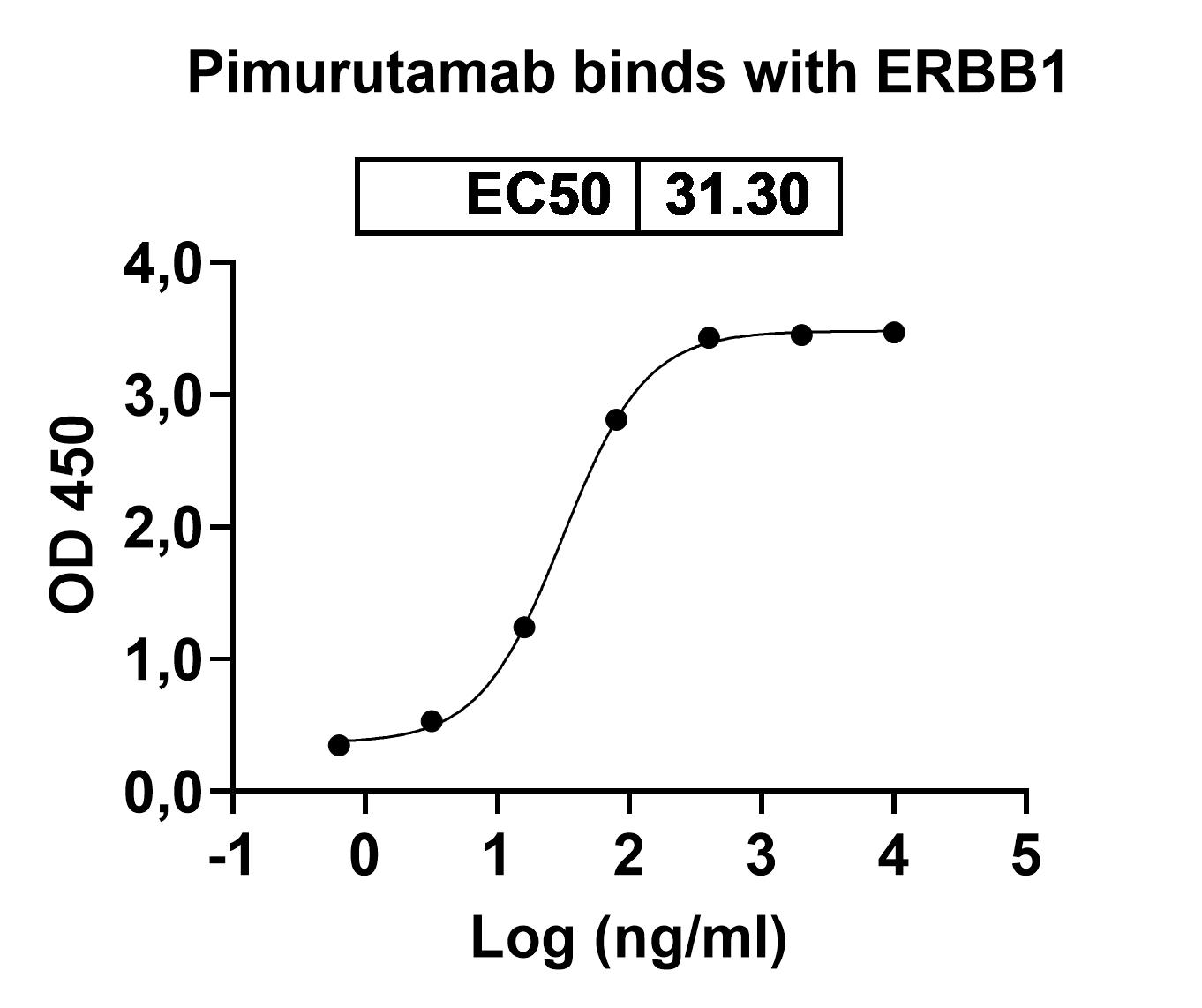
Pimurutamab Biosimilar is a monoclonal antibody (mAb) that specifically targets the epidermal growth factor receptor (EGFR). It is a biosimilar version of the anti-EGFR mAb cetuximab, which has been approved for the treatment of various types of cancer. Pimurutamab Biosimilar is currently in the research grade stage, and is being developed as a potential therapeutic for EGFR-positive cancers.
Structure of Pimurutamab Biosimilar
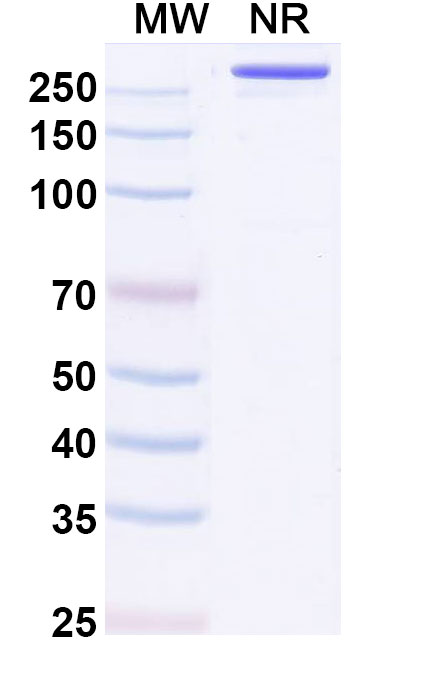
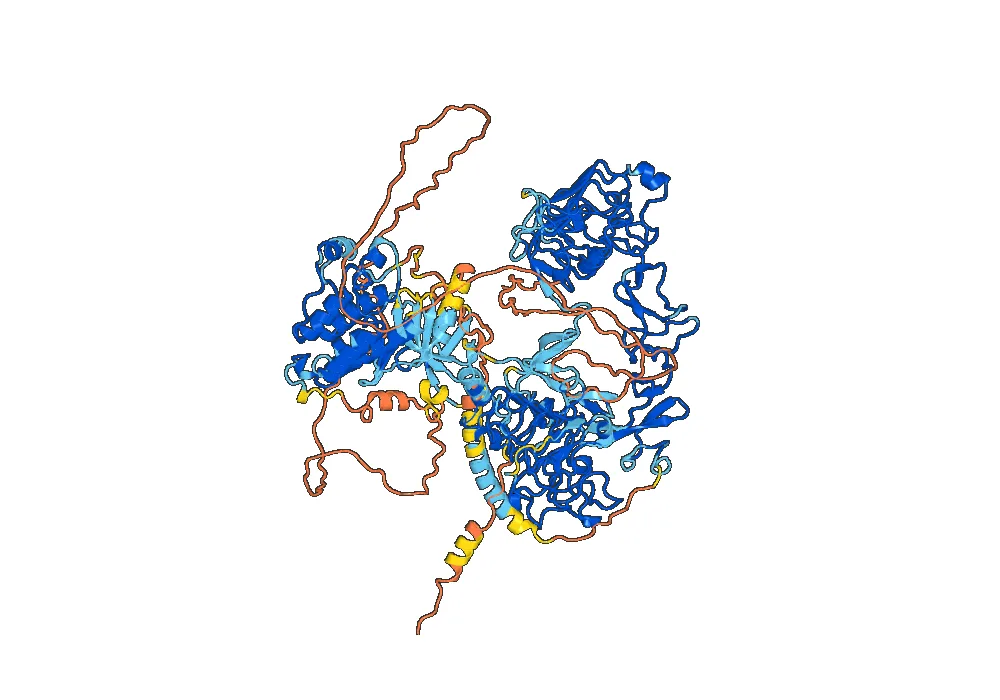
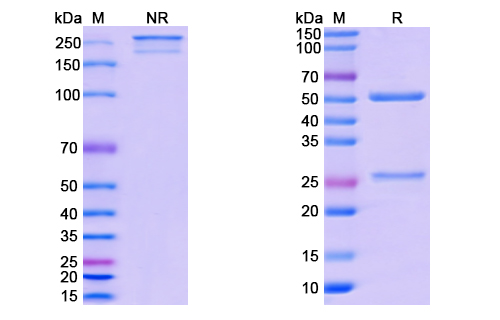
Pimurutamab Biosimilar is a recombinant humanized IgG1 monoclonal antibody. It is composed of two heavy chains and two light chains, each containing a variable region and a constant region. The variable region is responsible for binding to the extracellular domain of EGFR, while the constant region mediates effector functions such as antibody-dependent cellular cytotoxicity (ADCC) and complement-dependent cytotoxicity (CDC).
Mechanism of Action
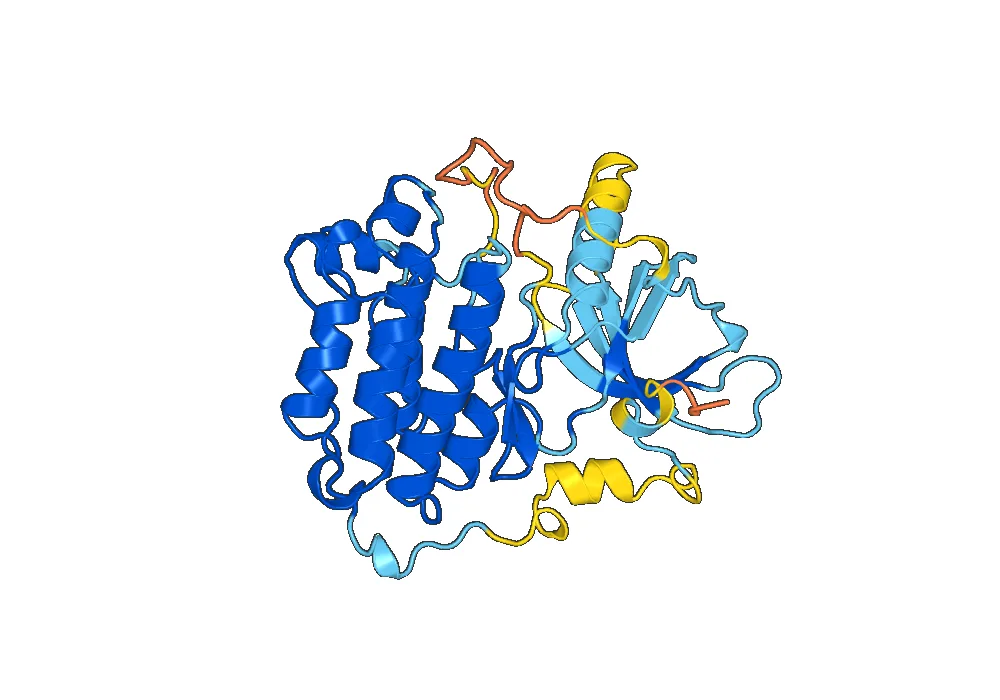
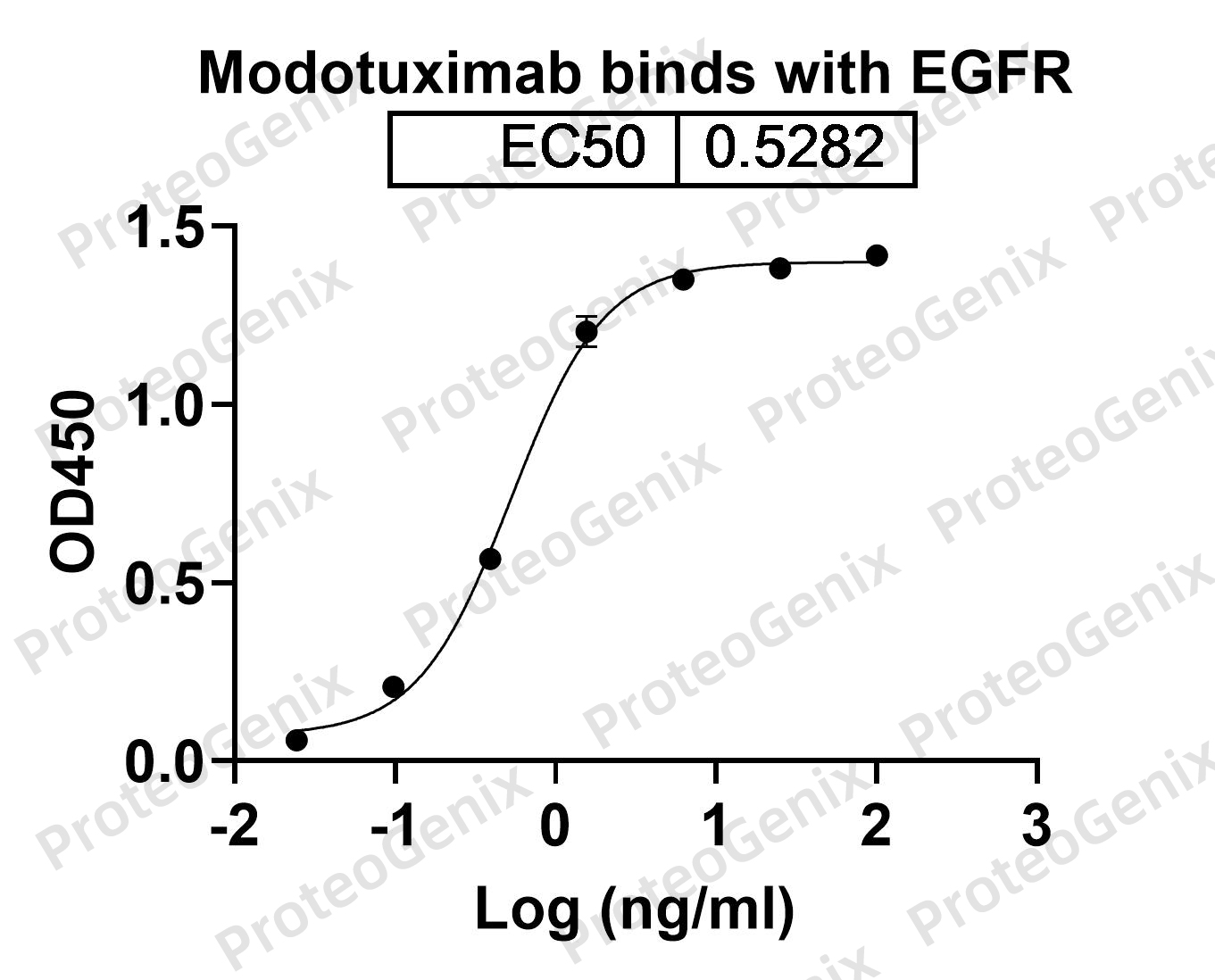
EGFR is a transmembrane receptor that plays a critical role in cell proliferation, survival, and differentiation. Overexpression or mutations in EGFR have been implicated in the development and progression of various cancers, including colorectal, lung, and head and neck cancers. Pimurutamab Biosimilar binds to the extracellular domain of EGFR, blocking its activation and downstream signaling pathways. This leads to inhibition of tumor growth and survival, and ultimately cell death.
Applications of Pimurutamab Biosimilar
Pimurutamab Biosimilar is being investigated as a potential treatment for EGFR-positive cancers, particularly those that have become resistant to current therapies. It has shown promising results in preclinical studies, demonstrating potent anti-tumor activity in various cancer models. Furthermore, Pimurutamab Biosimilar has also been shown to enhance the efficacy of other anti- cancer treatments, such as chemotherapy and radiotherapy, through its ability to sensitize cancer cells to these therapies.
Advantages of Pimurutamab Biosimilar
Compared to its reference product cetuximab, Pimurutamab Biosimilar offers several advantages. As a biosimilar, it has a highly similar structure and mechanism of action, but with potentially lower production costs. This could lead to more affordable treatment options for patients. Additionally, Pimurutamab Biosimilar has a longer half-life than cetuximab, which could result in less frequent dosing and improved patient compliance.
Clinical Development of Pimurutamab Biosimilar
Pimurutamab Biosimilar is currently in the research grade stage, and is undergoing preclinical studies to assess its safety, efficacy, and pharmacokinetics. These studies are necessary to support the development of Pimurutamab Biosimilar as a potential therapeutic for EGFR-positive cancers. If successful, it will move on to clinical trials in humans to further evaluate its safety and efficacy.
Conclusion
Pimurutamab Biosimilar is a promising anti-EGFR monoclonal antibody that has the potential to become a valuable treatment option for EGFR-positive cancers. Its highly specific targeting of EGFR and potential advantages over current therapies make it a promising candidate for further development. As research on Pimurutamab Biosimilar continues, it may offer new hope for patients with EGFR-positive cancers.


There are no reviews yet.