Introduction
Zalutumumab Biosimilar, also known as Anti-EGFR mAb, is a monoclonal antibody that has been developed as a biosimilar of the original drug, Zalutumumab. This biosimilar has been designed to have similar structure, activity, and application as the original drug, while also being more cost-effective. In this article, we will explore the structure, activity, and application of Zalutumumab Biosimilar in detail.
Structure
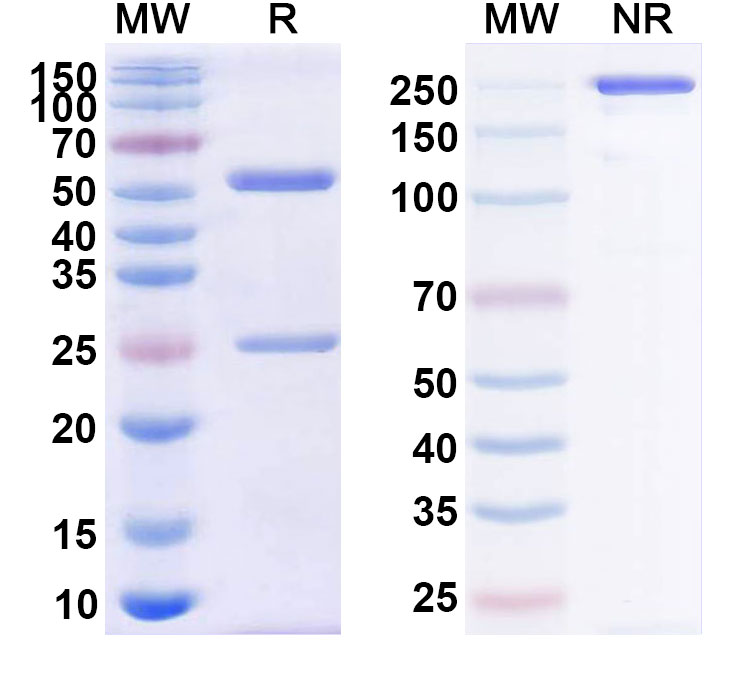
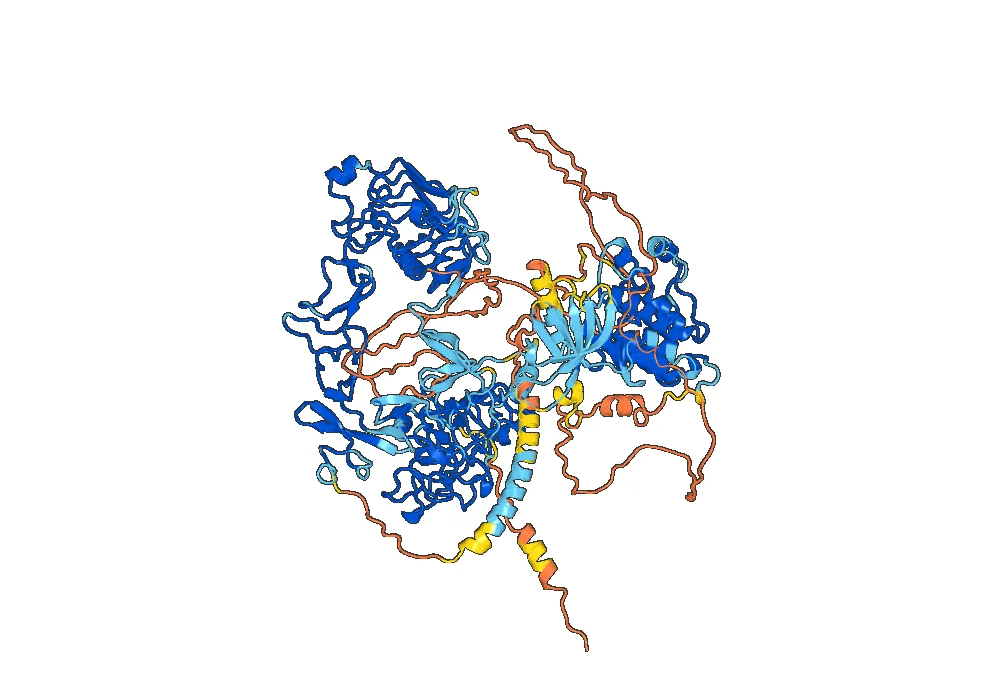
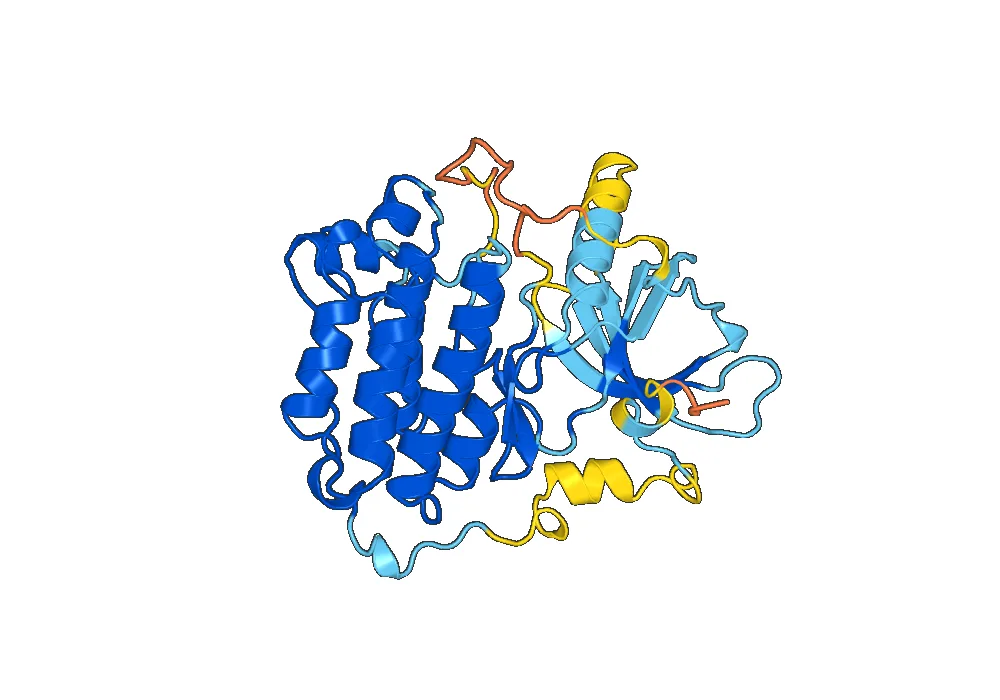
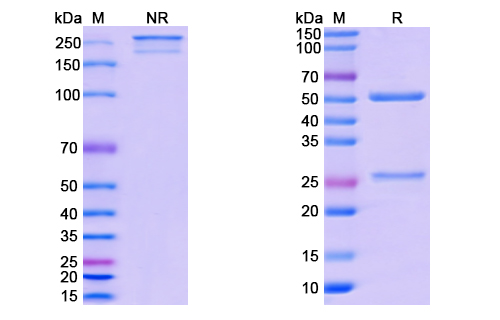
Zalutumumab Biosimilar is a monoclonal antibody that specifically targets the epidermal growth factor receptor (EGFR). It is a humanized IgG1 antibody, which means that it is composed of both human and mouse components. The antibody consists of two heavy chains and two light chains, with a total molecular weight of approximately 150 kDa. The structure of Zalutumumab Biosimilar is very similar to that of the original drug, ensuring its effectiveness in targeting EGFR.
Activity
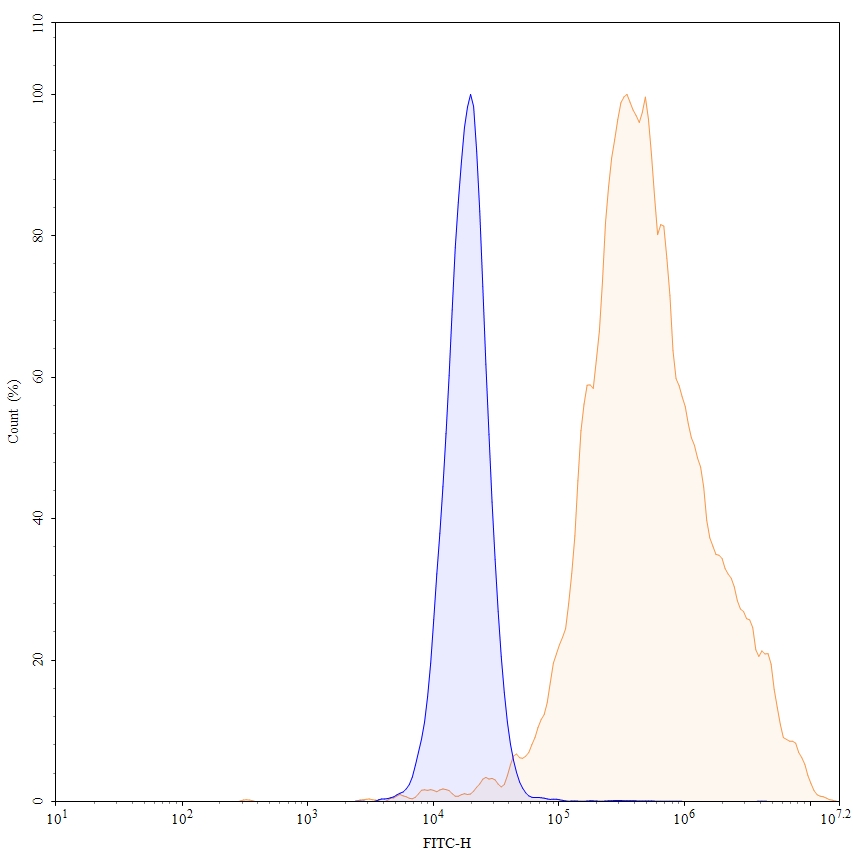
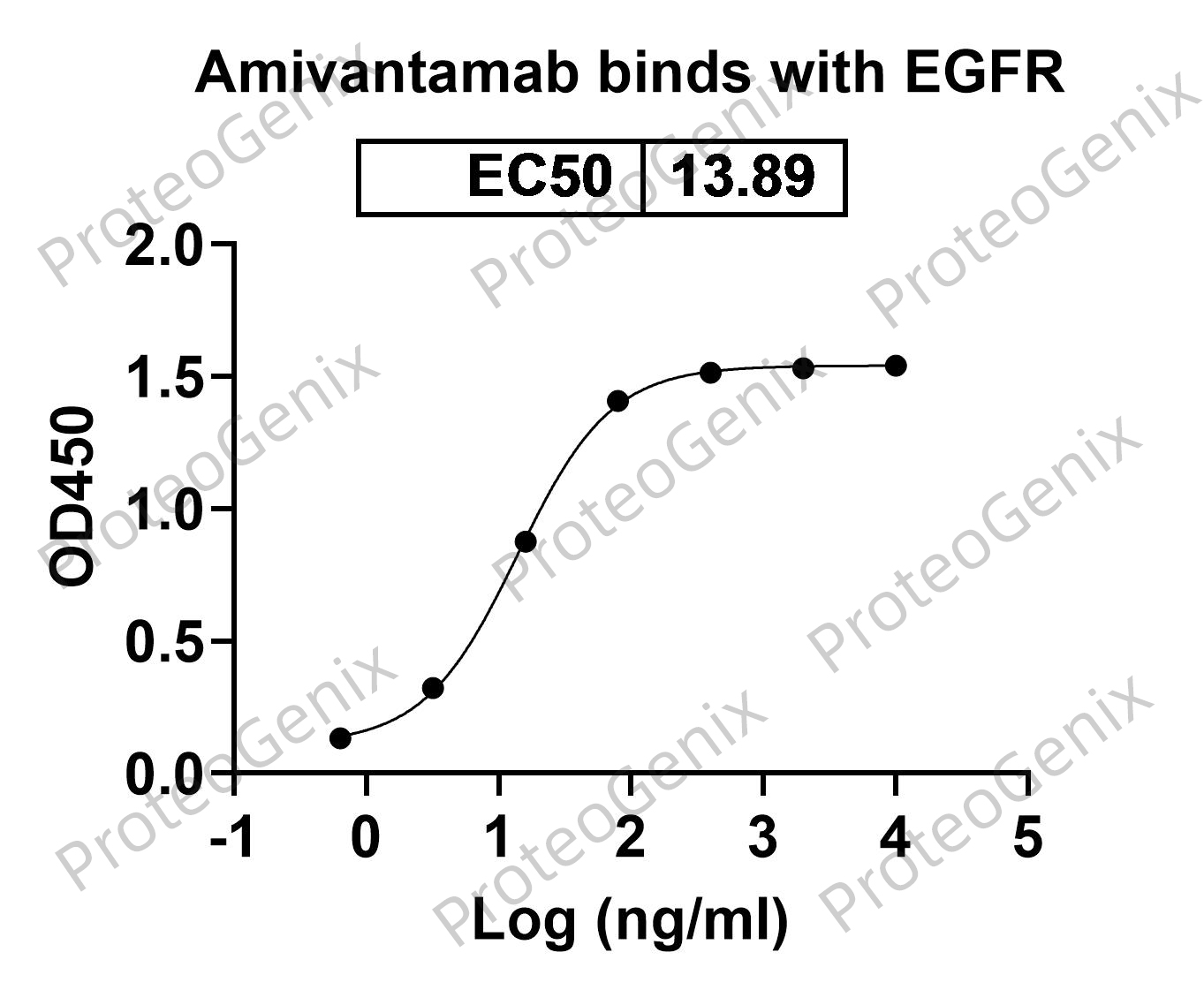
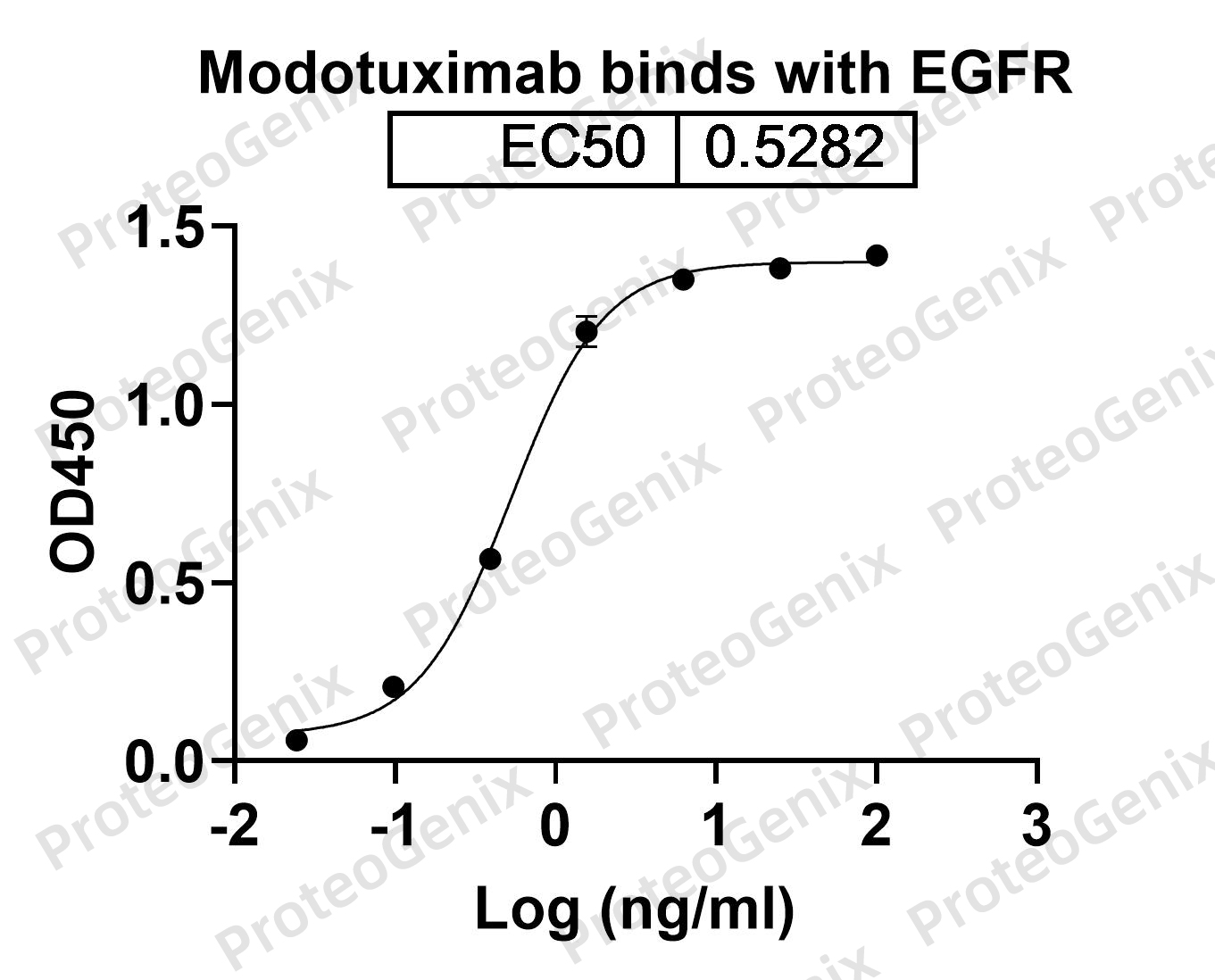
EGFR is a cell surface receptor that is overexpressed in many types of cancer, including head and neck cancer, colorectal cancer, and lung cancer. This overexpression of EGFR leads to uncontrolled cell growth and proliferation, making it an ideal therapeutic target for cancer treatment. Zalutumumab Biosimilar binds to EGFR with high affinity, blocking its activation and inhibiting downstream signaling pathways. This ultimately leads to the inhibition of cancer cell growth and survival.
Application
Zalutumumab Biosimilar has been primarily developed for the treatment of head and neck cancer. It has been shown to be effective in both preclinical and clinical studies, with similar efficacy and safety profiles as the original drug. In addition to head and neck cancer, Zalutumumab Biosimilar has also shown promising results in other types of cancer, such as colorectal cancer and lung cancer.
Head and Neck Cancer Head and neck
cancer is the sixth most common cancer worldwide, with over 600,000 new cases reported each year. Zalutumumab Biosimilar has been shown to be effective in both newly diagnosed and recurrent or metastatic head and neck cancer. It has been used in combination with chemotherapy and radiation therapy, as well as in monotherapy, with positive results. Zalutumumab Biosimilar has been shown to improve overall survival and progression-free survival in patients with head and neck cancer.
Colorectal Cancer Colorectal
cancer is the third most common cancer worldwide, with over 1.8 million new cases reported each year. Zalutumumab Biosimilar has shown promising results in preclinical studies for the treatment of colorectal cancer. It has been shown to inhibit tumor growth and metastasis, as well as sensitize cancer cells to chemotherapy. Clinical trials are currently ongoing to further evaluate the efficacy of Zalutumumab Biosimilar in colorectal cancer.
Lung Cancer Lung
cancer is the leading cause of cancer-related deaths worldwide, with over 2 million new cases reported each year. Zalutumumab Biosimilar has shown promising results in preclinical studies for the treatment of lung cancer. It has been shown to inhibit tumor growth and sensitize cancer cells to radiation therapy. Clinical trials are currently ongoing to further evaluate the efficacy of Zalutumumab Biosimilar in lung cancer.
Conclusion
In conclusion, Zalutumumab Biosimilar is a promising biosimilar of the original drug, Zalutumumab. It has a similar structure, activity, and application, making it an effective and cost-effective alternative for the treatment of various types of cancer. With ongoing clinical trials and further research, Zalutumumab Biosimilar has the potential to improve the outcomes and quality of life for cancer patients.


There are no reviews yet.