Title: Demupitamab Biosimilar: A Promising Anti-EGFR Monoclonal Antibody for Targeted Cancer Therapy Introduction:
Demupitamab Biosimilar, also known as anti-EGFR mAb, is a novel monoclonal antibody that has shown potential in targeted cancer therapy. This biosimilar is a highly specific antibody that targets the epidermal growth factor receptor (EGFR), a protein that is overexpressed in many types of cancer. In this article, we will discuss the structure, activity, and application of Demupitamab Biosimilar in detail.
Structure:
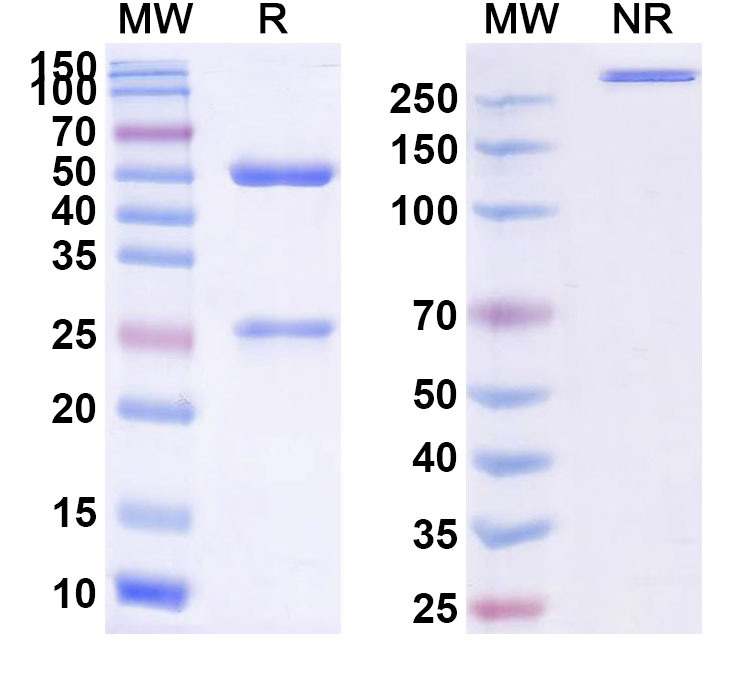
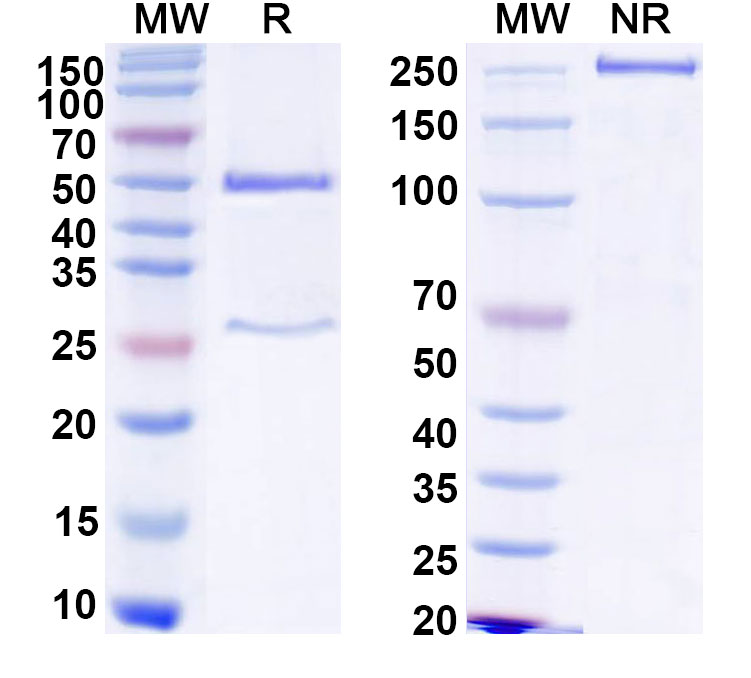
Demupitamab Biosimilar is a recombinant humanized monoclonal antibody that is produced by genetic engineering techniques. It is composed of two identical heavy chains and two identical light chains, which are linked together by disulfide bonds. The antibody has a molecular weight of approximately 150 kDa and belongs to the IgG1 subclass. The variable regions of the antibody are derived from a murine antibody, while the constant regions are humanized to reduce immunogenicity.
Activity:
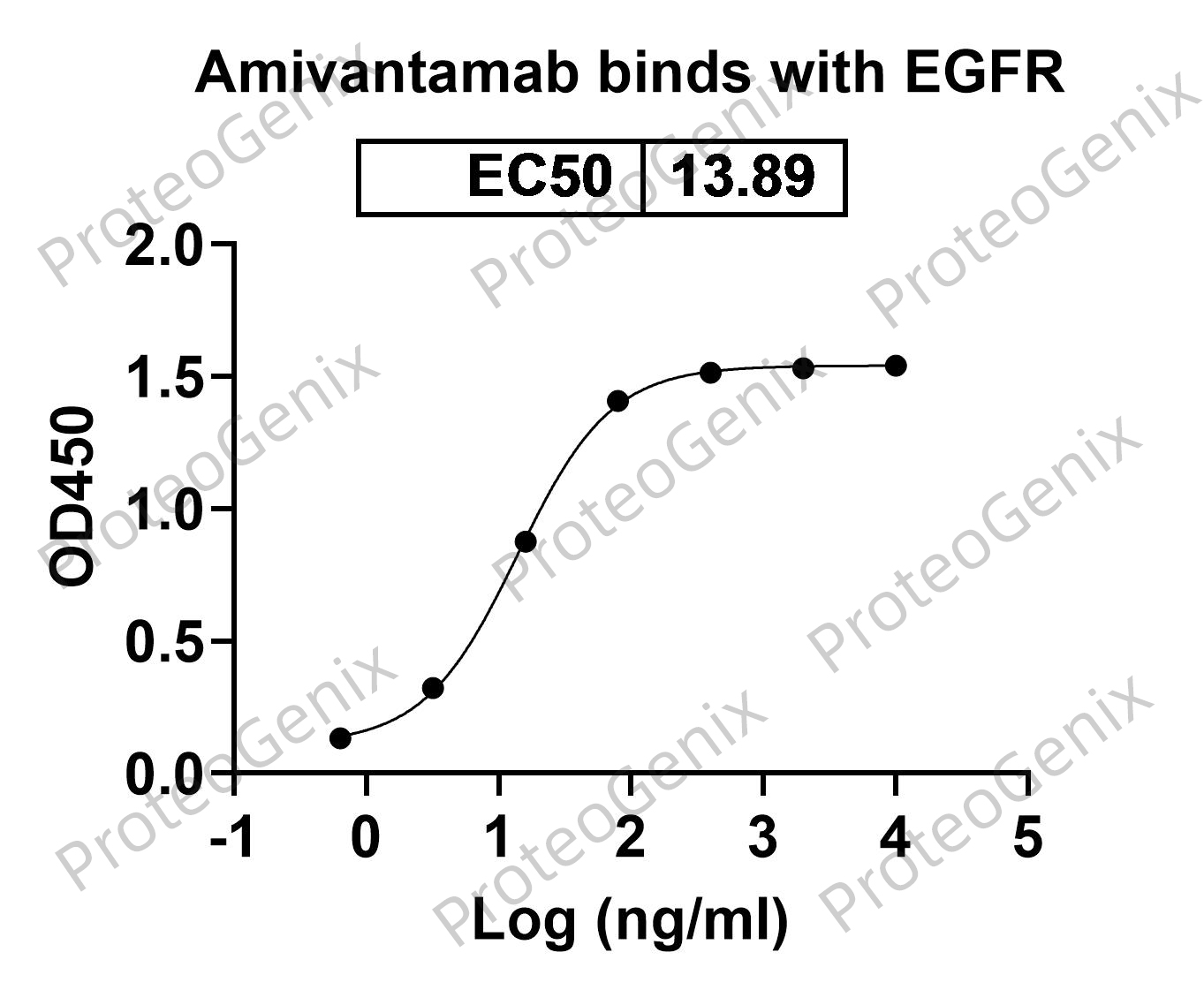
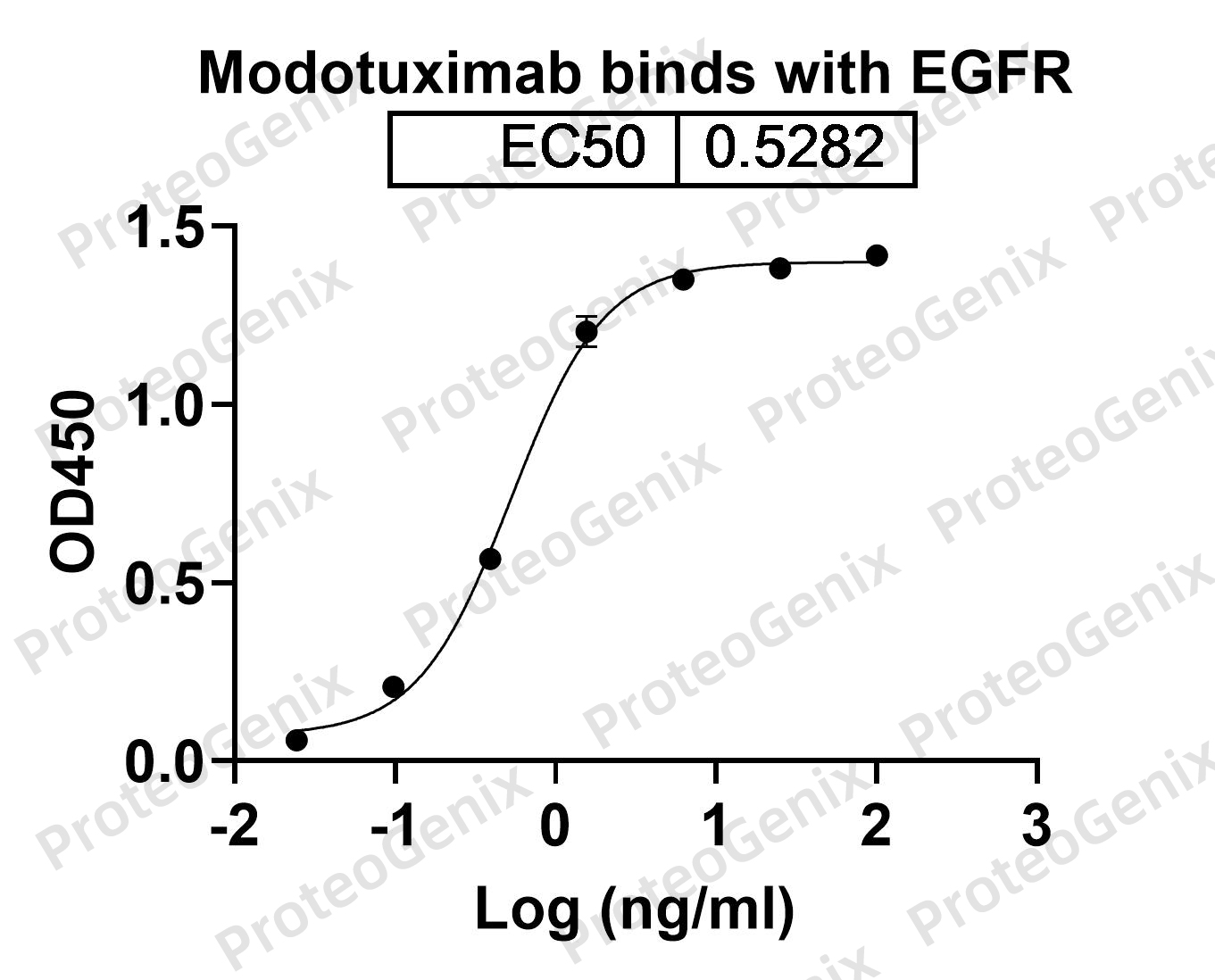
Demupitamab Biosimilar binds specifically to the extracellular domain of EGFR, inhibiting its activation and downstream signaling pathways. This leads to the inhibition of cell proliferation, induction of apoptosis, and suppression of angiogenesis in cancer cells. The antibody also has antibody-dependent cellular cytotoxicity (ADCC) and complement-dependent cytotoxicity (CDC) activities, which further enhance its anti-tumor effects.
Application:
Demupitamab Biosimilar has shown promising results in preclinical and clinical studies as a targeted therapy for various types of cancer. It has been approved for the treatment of metastatic colorectal cancer, metastatic non-small cell lung cancer, and squamous cell carcinoma of the head and neck. The antibody is also being evaluated in clinical trials for other types of cancer, including pancreatic, ovarian, and breast cancer.
Mechanism of Action:
EGFR is a transmembrane receptor that is activated by binding of its ligands, such as epidermal growth factor (EGF) and transforming growth factor alpha (TGF-α). This activation leads to the activation of downstream signaling pathways, including the PI3K/Akt and MAPK pathways, which promote cell proliferation, survival, and angiogenesis. Demupitamab Biosimilar binds to the extracellular domain of EGFR, preventing the binding of its ligands and inhibiting receptor activation. This results in the inhibition of downstream signaling pathways and ultimately leads to the suppression of tumor growth.
Advantages:
Demupitamab Biosimilar has several advantages over other anti-EGFR therapies, including its high specificity, low immunogenicity, and favorable pharmacokinetic properties. Its humanized structure reduces the risk of immunogenic reactions, making it a safer option for long-term treatment. The antibody also has a longer half-life compared to other anti-EGFR therapies, allowing for less frequent dosing and improved patient compliance.
Future Directions:
With its promising results in clinical trials, Demupitamab Biosimilar is expected to have a significant impact on the treatment of various types of cancer. Ongoing research is focused on evaluating its efficacy in combination with other anti- cancer therapies, as well as exploring its potential in other types of cancer. Additionally, efforts are being made to develop a biosimilar version of Demupitamab for wider availability and affordability.
Conclusion:
Demupitamab Biosimilar is a novel anti-EGFR monoclonal antibody that has shown promising results in targeted cancer therapy. Its specific binding to EGFR and subsequent inhibition of downstream signaling pathways make it a highly effective treatment option for various types of cancer. With further research and development, Demupitamab Biosimilar has the potential to improve the outcomes of cancer patients and become a valuable addition to the arsenal of anti- cancer therapies.


There are no reviews yet.