Introduction
Panitumumab Biosimilar, also known as Anti-EGFR mAb, is a research grade monoclonal antibody that has been developed as a potential therapeutic agent for the treatment of various types of cancer. This antibody specifically targets the epidermal growth factor receptor (EGFR), a protein that is overexpressed in many cancer cells and plays a crucial role in tumor growth and progression. In this article, we will discuss the structure, activity, and potential applications of Panitumumab Biosimilar in cancer research.
Structure of Panitumumab Biosimilar
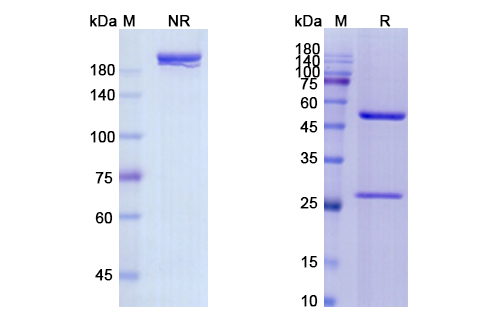
Panitumumab Biosimilar is a fully humanized monoclonal antibody, meaning that it is derived from human cells and has a structure similar to naturally occurring antibodies in the body. It is composed of two identical heavy chains and two identical light chains, which are connected by disulfide bonds. The variable regions of the antibody, which are responsible for binding to the target molecule, are located at the tips of the heavy and light chains. The constant regions of the antibody, on the other hand, dictate its effector functions, such as antibody-dependent cellular cytotoxicity and complement-dependent cytotoxicity.
Mechanism of Action
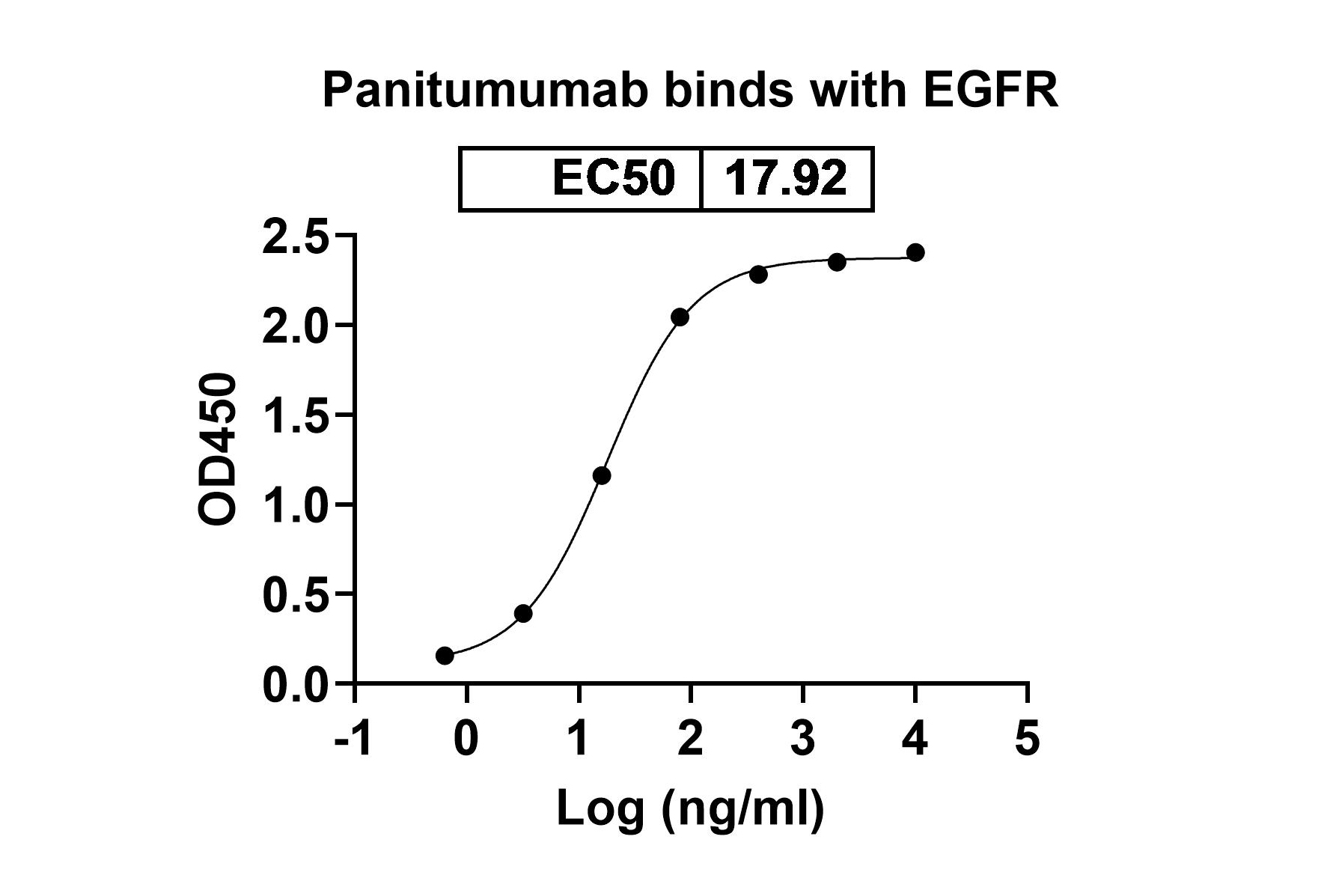
Panitumumab Biosimilar works by binding to the extracellular domain of EGFR, preventing its activation and subsequent signaling pathways that promote tumor growth and survival. This binding also triggers internalization and degradation of the receptor, further inhibiting its activity. Additionally, Panitumumab Biosimilar can also block the binding of ligands, such as epidermal growth factor (EGF) and transforming growth factor alpha (TGF-α), to EGFR, further inhibiting its activation.
Applications of Panitumumab Biosimilar
Panitumumab Biosimilar has shown promising results in preclinical studies as a potential therapeutic agent for various types of cancer, including colorectal, lung, and head and neck cancers. It has also been studied in combination with other anti- cancer drugs, such as chemotherapy and radiation therapy, to enhance its efficacy. In clinical trials, Panitumumab Biosimilar has demonstrated significant anti-tumor activity and improved overall survival in patients with advanced colorectal cancer.
In addition to its therapeutic potential, Panitumumab Biosimilar has also been used in cancer research as a tool for studying the role of EGFR in cancer development and progression. Its ability to specifically target EGFR allows for a better understanding of the receptor’s role in different types of cancer and its potential as a therapeutic target.
Future Directions
Panitumumab Biosimilar is currently undergoing clinical trials for various types of cancer, including non-small cell lung cancer, head and neck cancer, and pancreatic cancer. Its potential as a targeted therapy for these cancers is being further explored, and results from these studies are eagerly awaited.
Conclusion
In summary, Panitumumab Biosimilar is a research grade monoclonal antibody that specifically targets EGFR, a protein that is overexpressed in many types of cancer. Its structure, mechanism of action, and potential applications make it a promising therapeutic agent for the treatment of cancer. Ongoing research and clinical trials will provide further insight into the efficacy and safety of Panitumumab Biosimilar, potentially leading to its approval as a standard treatment option for cancer patients.


There are no reviews yet.