Introduction
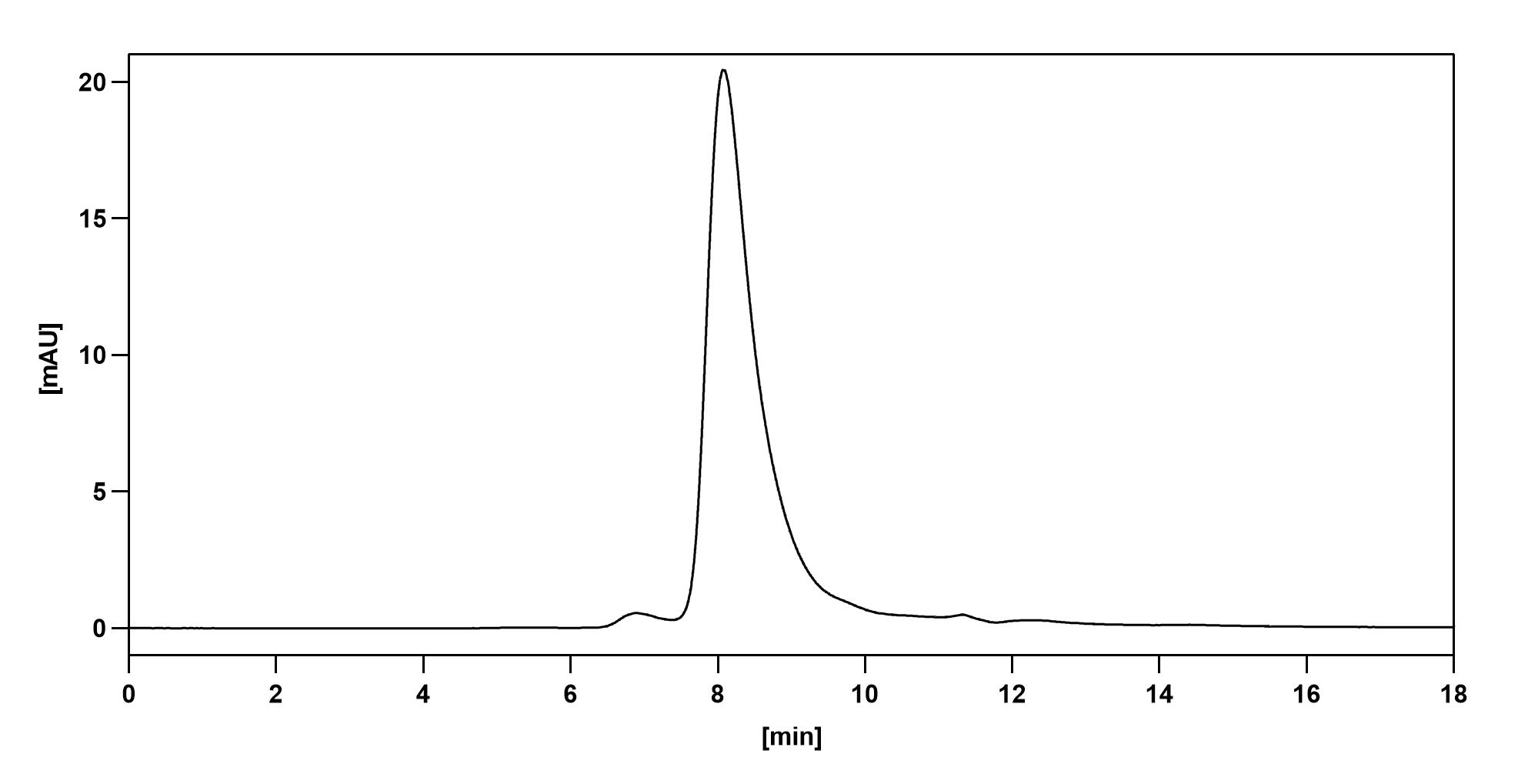
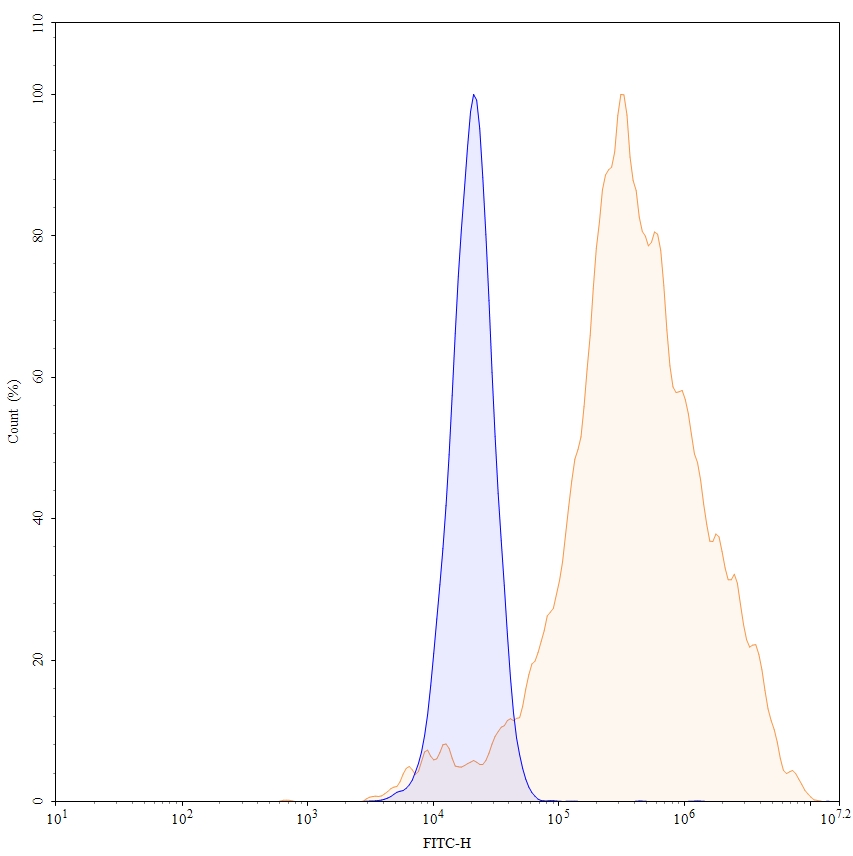
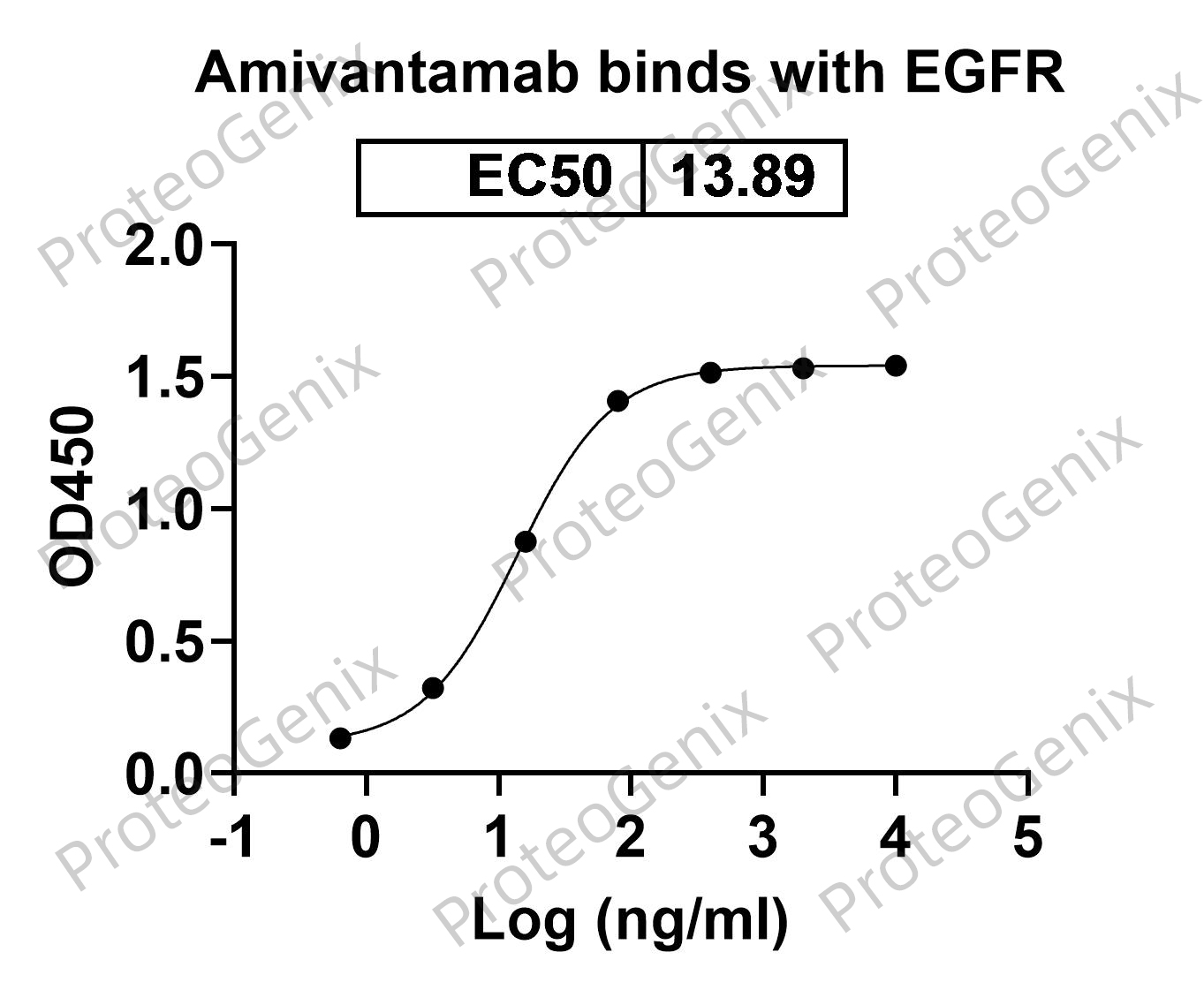
Tomuzotuximab Biosimilar, also known as Anti-EGFR mAb, is a research grade monoclonal antibody that targets the epidermal growth factor receptor (EGFR). This antibody has been developed as a biosimilar to the original therapeutic antibody, cetuximab, and has shown promising results in pre-clinical studies.
Structure of Tomuzotuximab Biosimilar
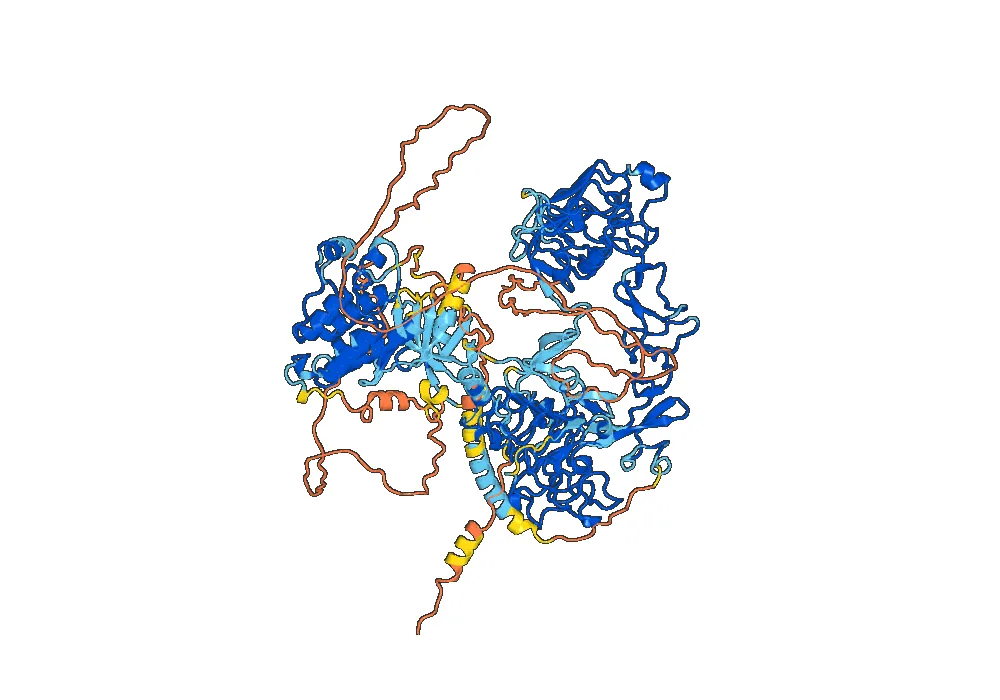
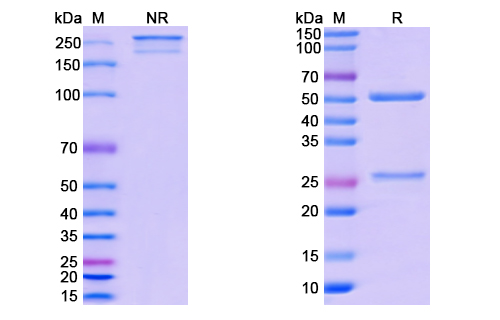
Tomuzotuximab Biosimilar is a recombinant humanized IgG1 monoclonal antibody. It is composed of two identical heavy chains and two identical light chains, each containing a variable region and a constant region. The variable region is responsible for binding to the EGFR, while the constant region is responsible for the effector functions of the antibody.
Mechanism of Action
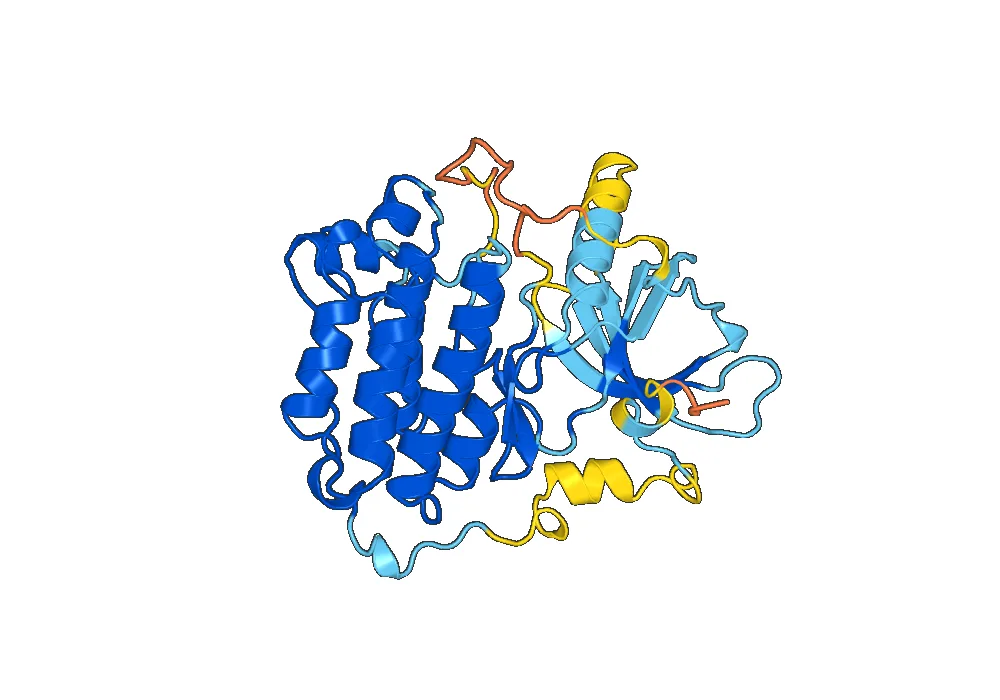
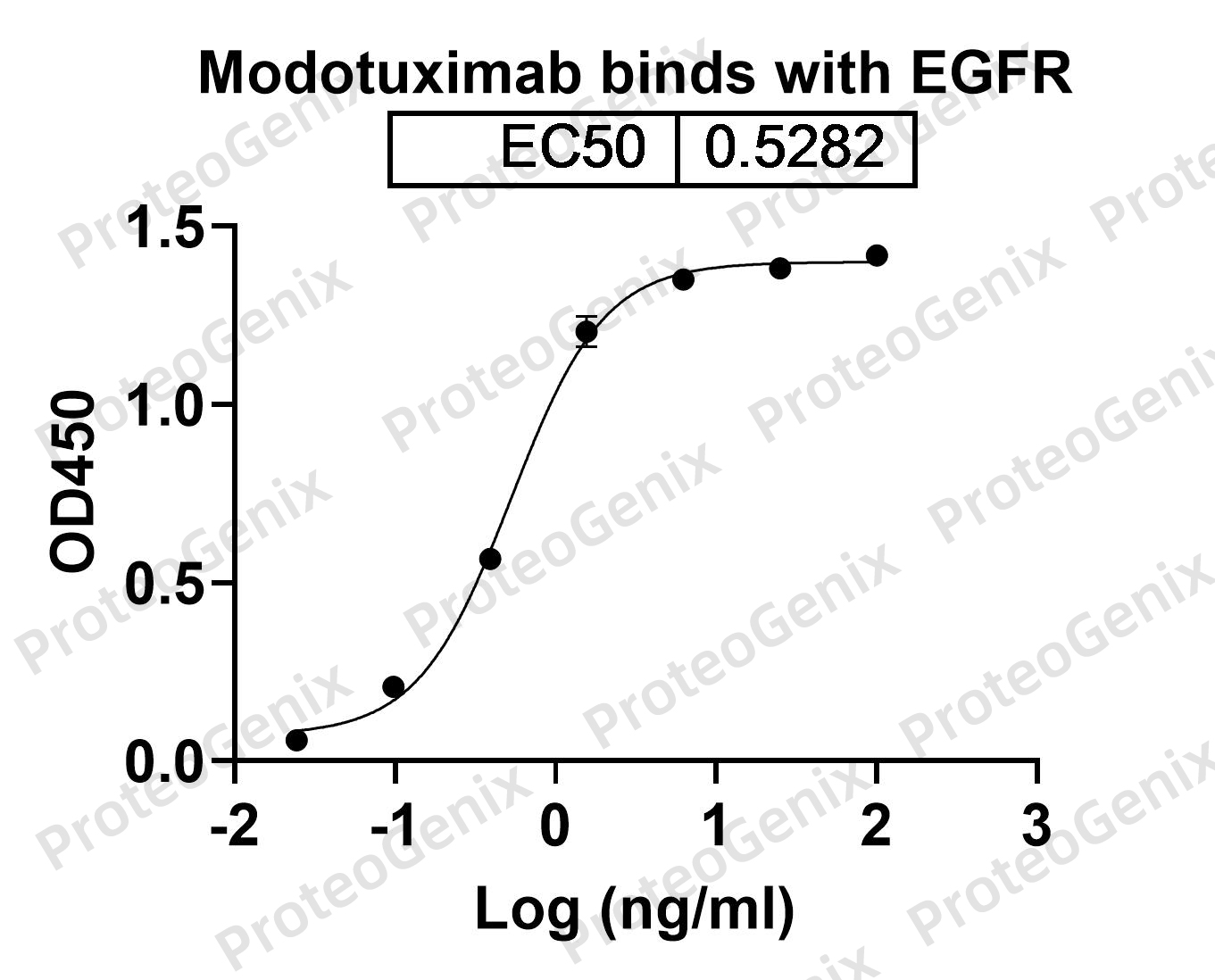
The main therapeutic target of Tomuzotuximab Biosimilar is the EGFR, a transmembrane receptor that is overexpressed in many types of cancer. The binding of Tomuzotuximab Biosimilar to the EGFR inhibits the activation of downstream signaling pathways, such as the PI3K/AKT and MAPK pathways, which are involved in cell proliferation and survival. This results in the inhibition of tumor growth and the induction of apoptosis in cancer cells.
Applications of Tomuzotuximab Biosimilar
Tomuzotuximab Biosimilar has shown promising results in pre-clinical studies for the treatment of various types of cancer, including colorectal, head and neck, and non-small cell lung cancer. It has also been studied as a potential treatment for other EGFR-driven diseases, such as psoriasis and rheumatoid arthritis.
Advantages of Tomuzotuximab Biosimilar
As a biosimilar, Tomuzotuximab offers several advantages over the original therapeutic antibody, cetuximab. Firstly, it is more cost-effective, making it more accessible to patients. Secondly, it has a lower immunogenicity, meaning it is less likely to cause an immune response in patients. Additionally, Tomuzotuximab has a longer half-life compared to cetuximab, allowing for less frequent dosing.
Pre-Clinical Studies
In pre-clinical studies, Tomuzotuximab Biosimilar has shown similar efficacy and safety profiles to the original therapeutic antibody, cetuximab. In a study on colorectal cancer, Tomuzotuximab was found to inhibit tumor growth and induce apoptosis in cancer cells. In another study on head and neck cancer, it was found to have a higher affinity for the EGFR and longer duration of inhibition compared to cetuximab.
Clinical Development
Tomuzotuximab Biosimilar is currently in the early stages of clinical development. Phase I clinical trials have been completed, and the results have shown a favorable safety profile and promising efficacy in patients with advanced solid tumors. Phase II clinical trials are currently ongoing to further evaluate the efficacy and safety of Tomuzotuximab in specific cancer types.
Conclusion
Tomuzotuximab Biosimilar is a promising research grade monoclonal antibody that targets the EGFR and has shown potential in pre-clinical studies for the treatment of various types of cancer. As a biosimilar, it offers advantages such as lower cost and lower immunogenicity. Further clinical studies are needed to fully evaluate its efficacy and safety in patients, but it has the potential to become a valuable addition to the current treatment options for EGFR-driven diseases.


There are no reviews yet.