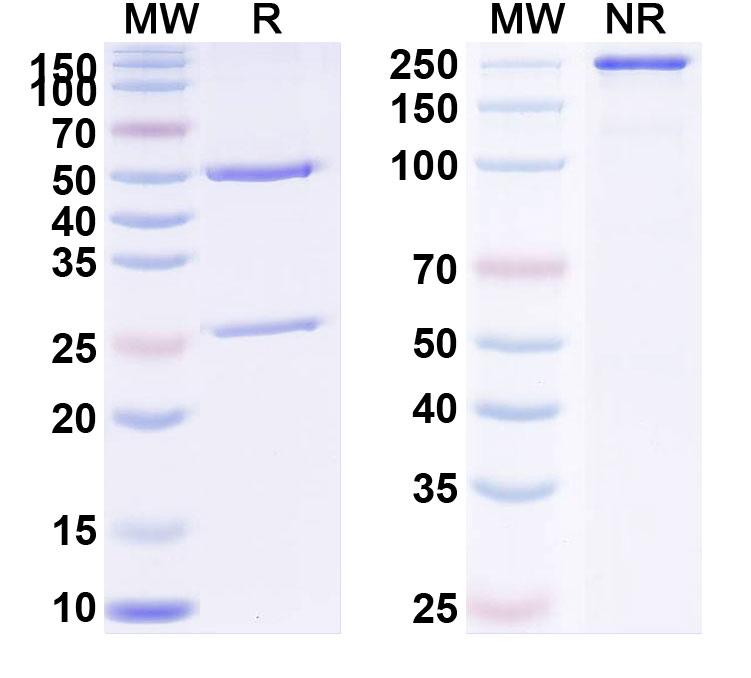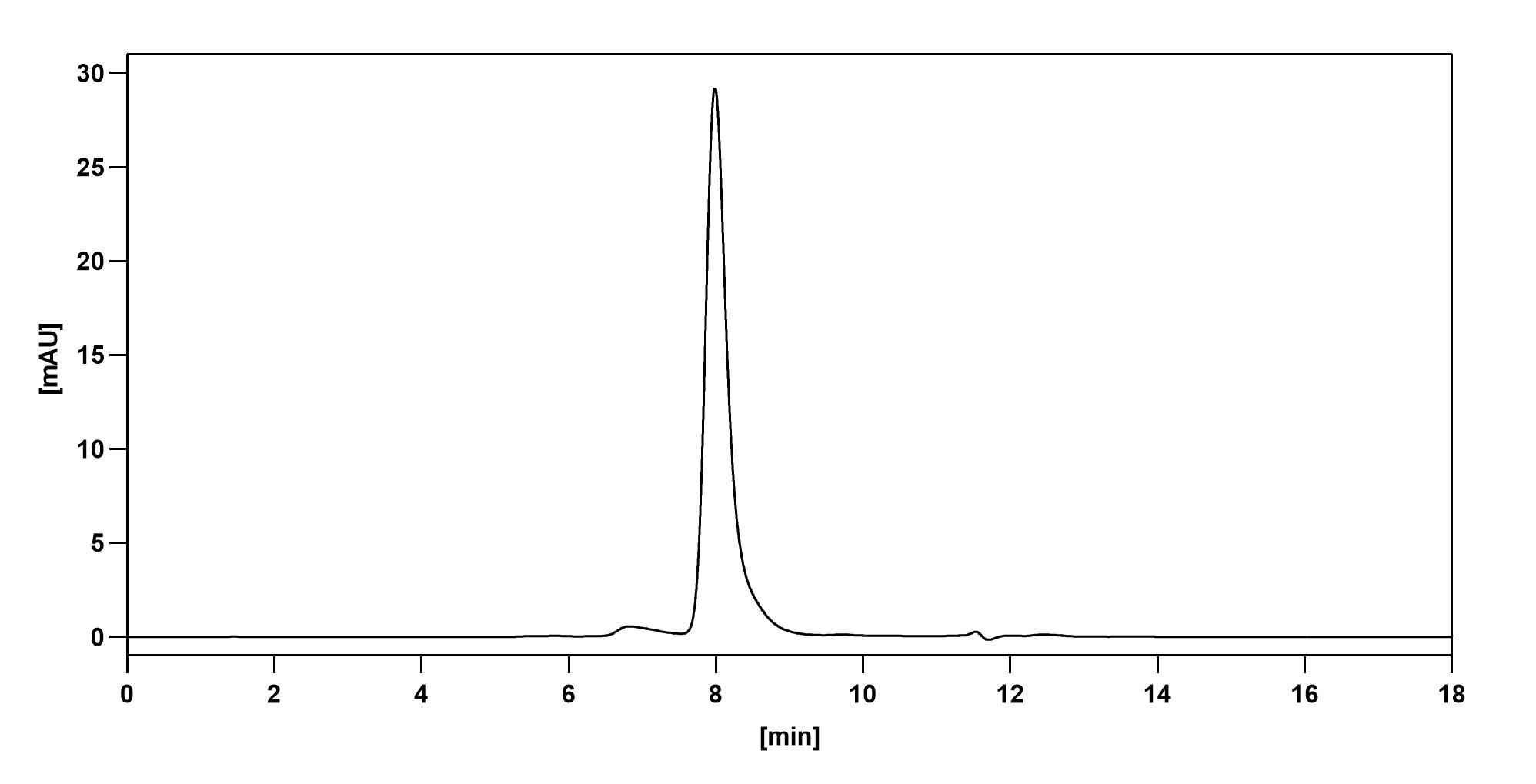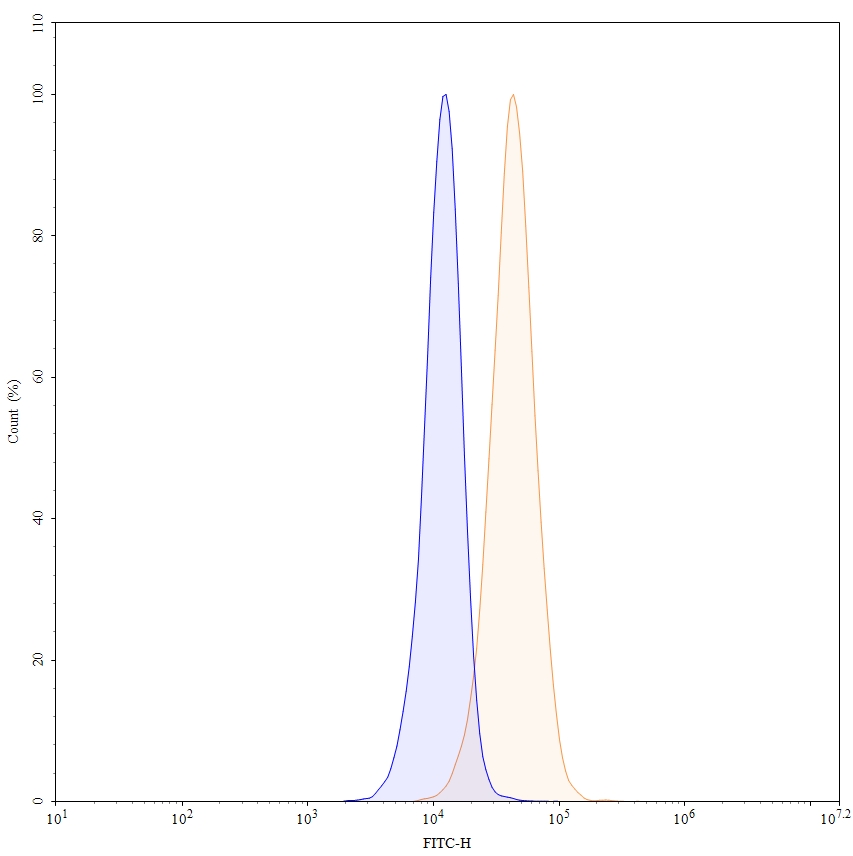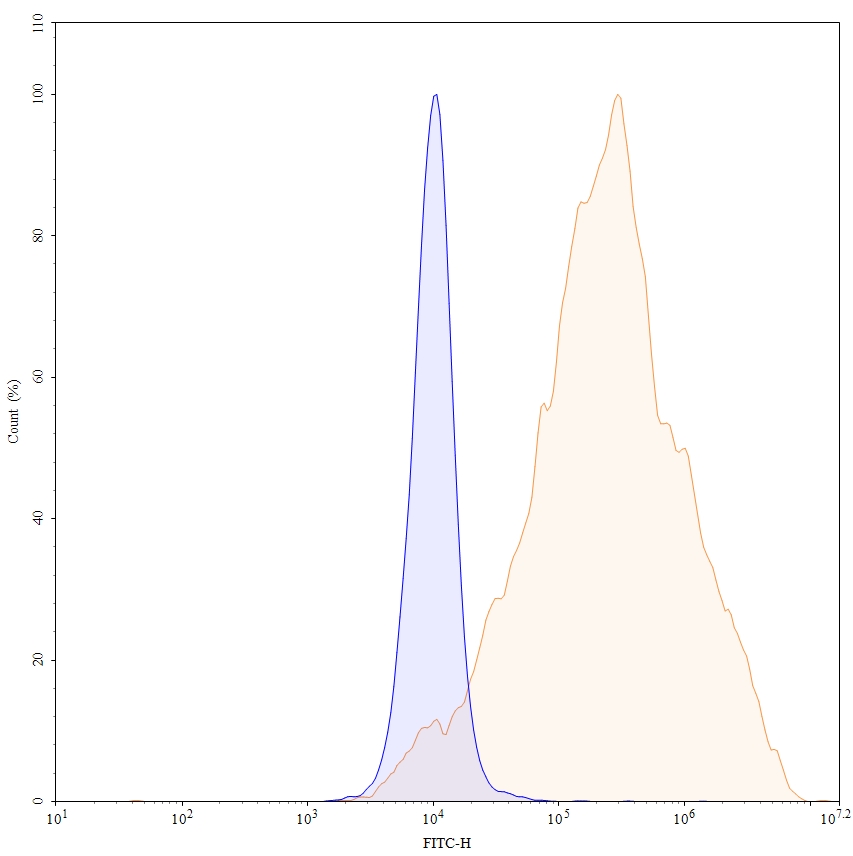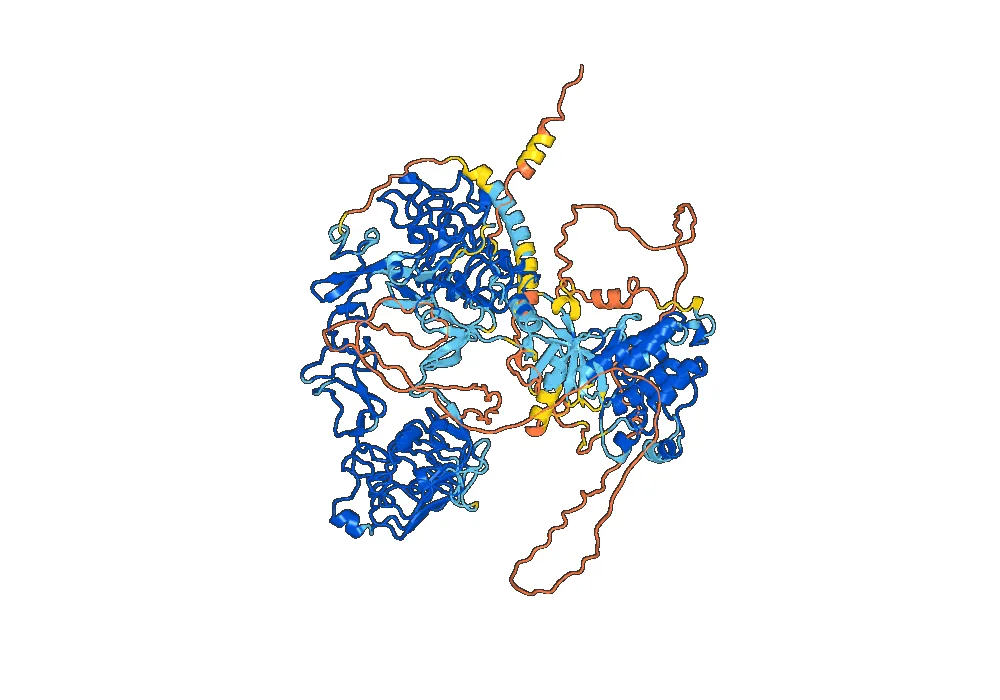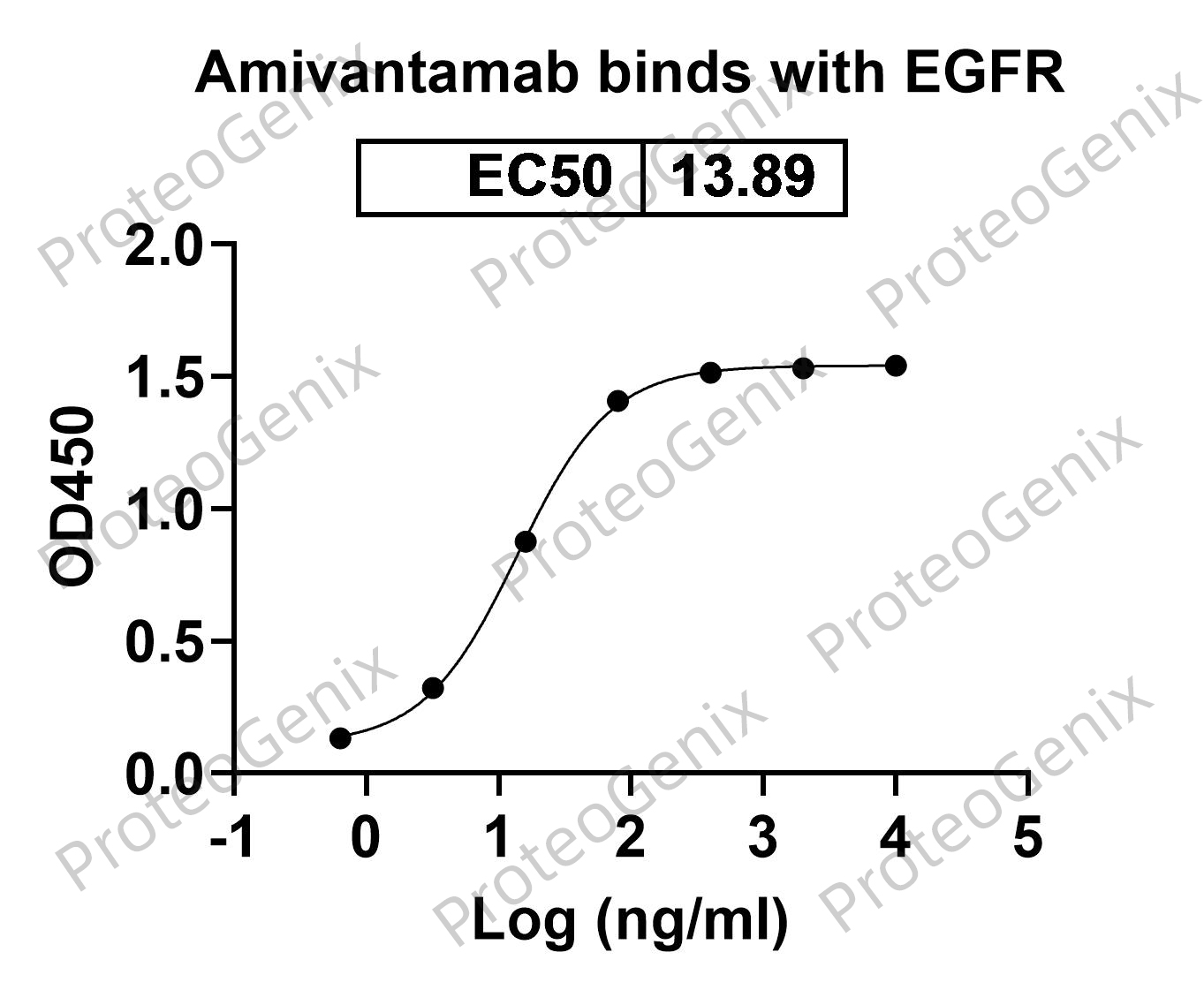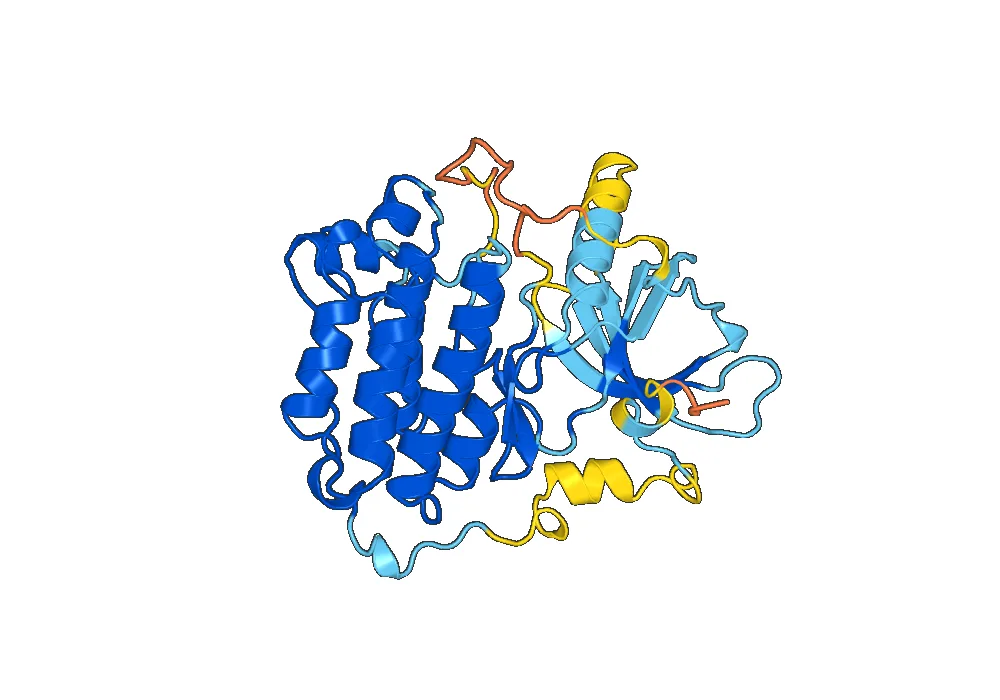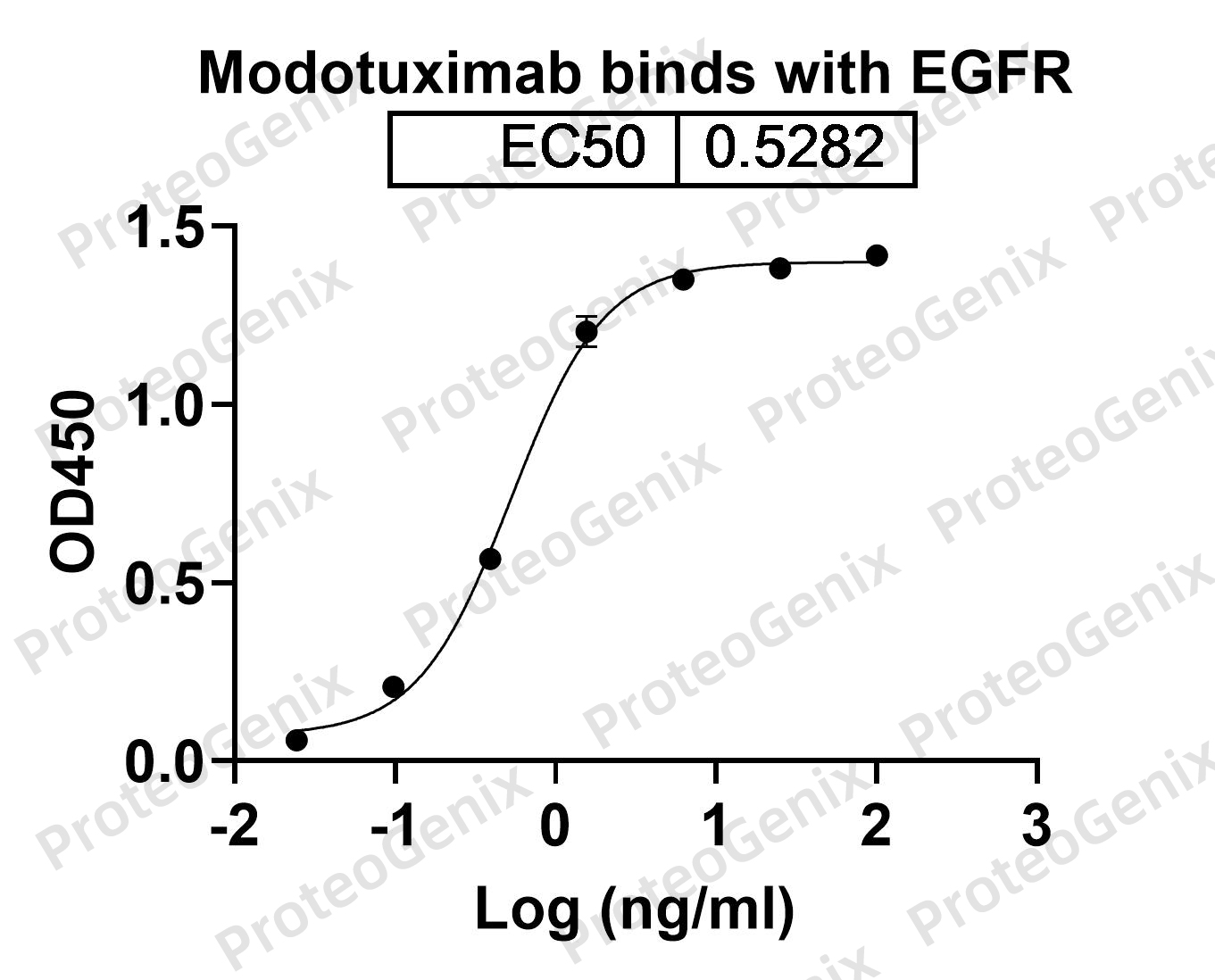
Introduction
Losatuxizumab Biosimilar is a monoclonal antibody (mAb) designed to specifically target the epidermal growth factor receptor (EGFR), a protein that is overexpressed in many types of cancer. This biosimilar is a research-grade version of the original Losatuxizumab, which has been approved for use in treating certain types of cancer. In this article, we will discuss the structure, activity, and potential applications of Losatuxizumab Biosimilar.
Structure of Losatuxizumab Biosimilar
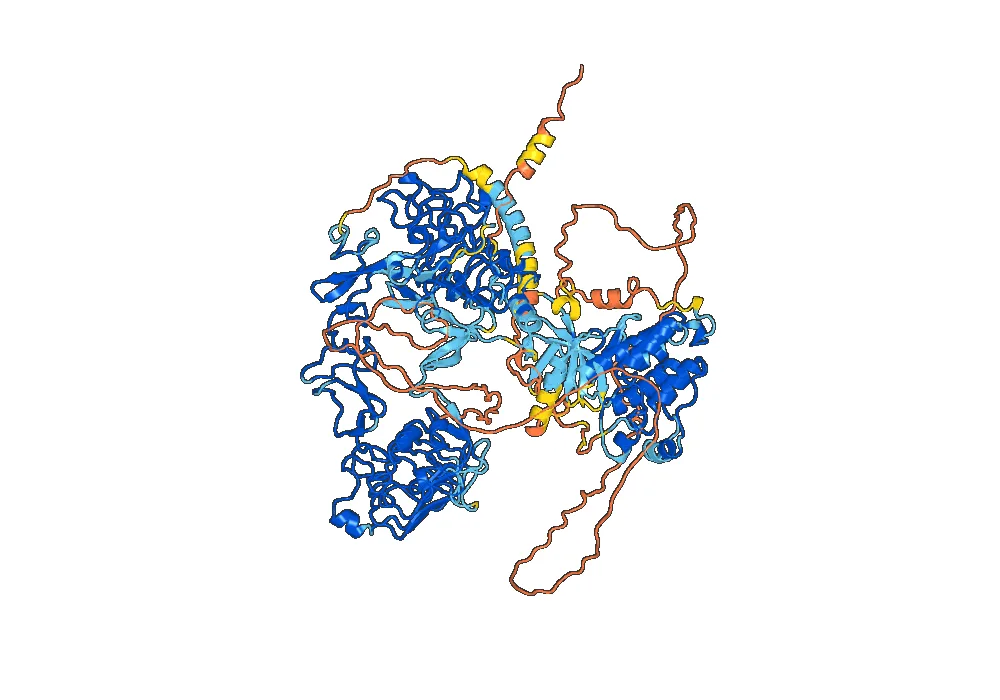
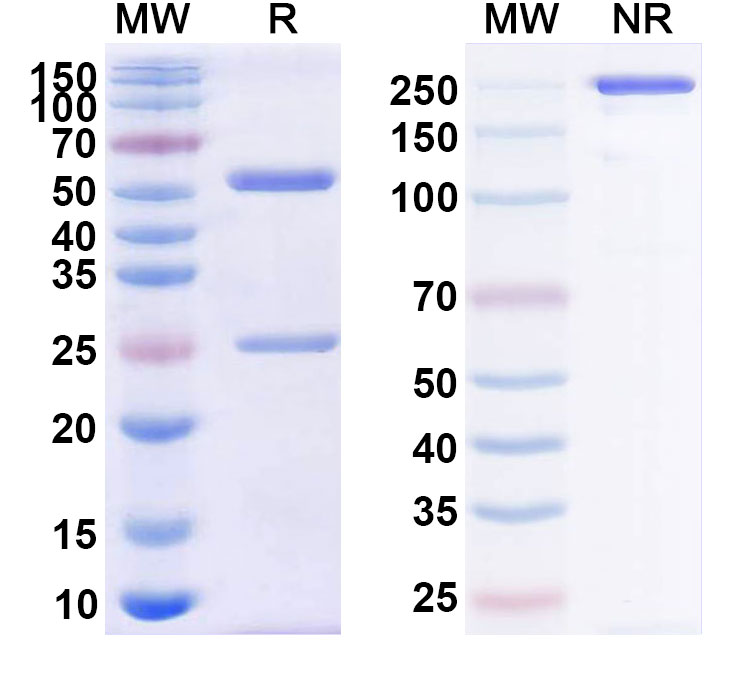
Losatuxizumab Biosimilar is a type of immunoglobulin G1 (IgG1) monoclonal antibody, which means it is made up of two heavy chains and two light chains. These chains are linked together by disulfide bonds to form a Y-shaped structure. The heavy chains are responsible for binding to the target protein, while the light chains help with stability and specificity.
The amino acid sequence of Losatuxizumab Biosimilar is highly similar to that of the original Losatuxizumab, with minor modifications to ensure its biosimilarity. These modifications do not affect the overall structure and function of the antibody.
Activity of Losatuxizumab Biosimilar
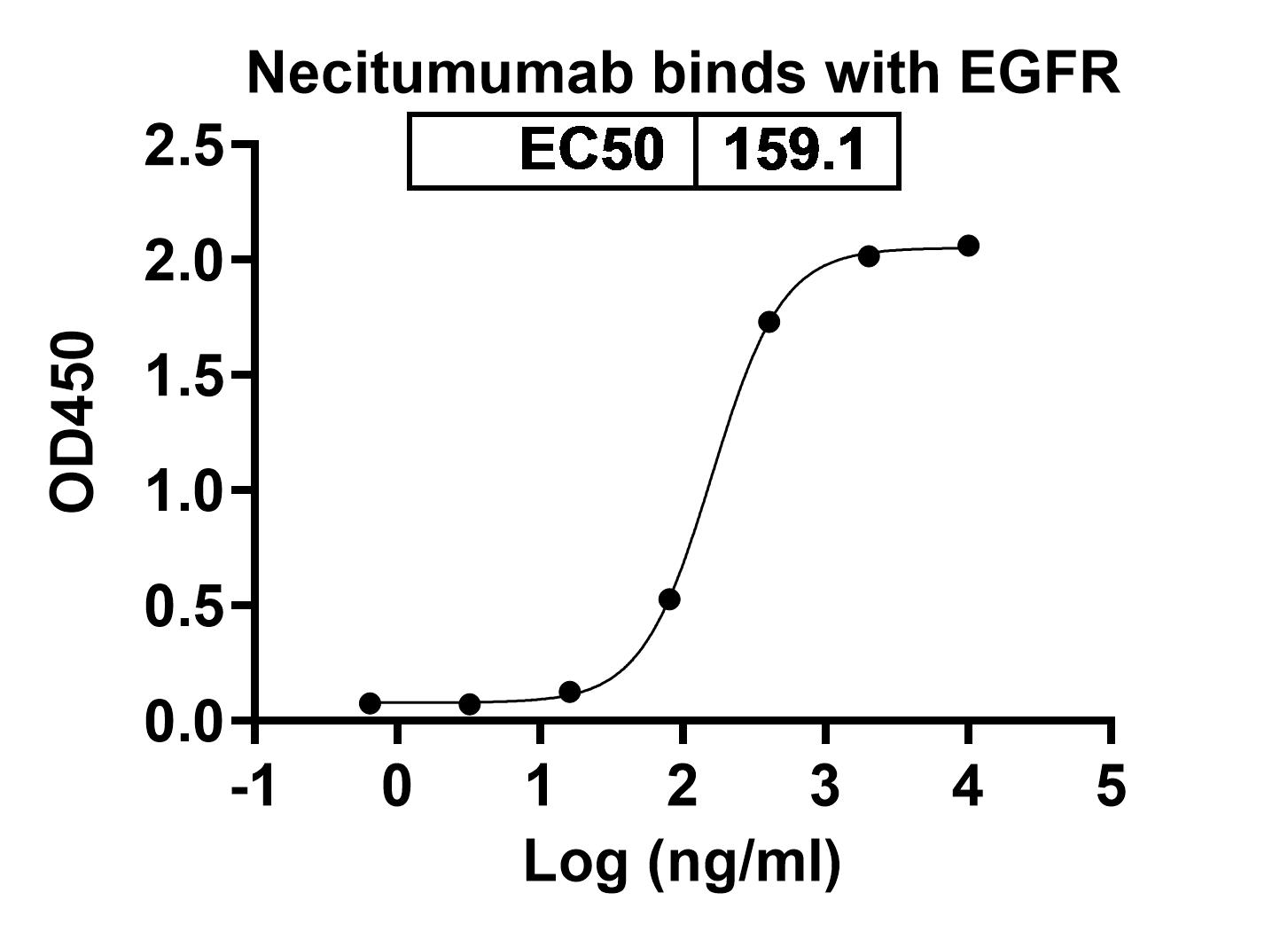
Losatuxizumab Biosimilar works by binding to the extracellular domain of EGFR, preventing its interaction with ligands and subsequent activation of downstream signaling pathways. This inhibition of EGFR signaling leads to decreased cell proliferation, increased cell death, and reduced tumor growth.
In addition to its direct effects on
cancer cells, Losatuxizumab Biosimilar also has immune-modulatory effects. It can activate immune cells, such as natural killer cells and macrophages, to attack cancer cells. This makes it a promising therapeutic option for cancers that are resistant to traditional treatments.
Potential Applications of Losatuxizumab Biosimilar
Losatuxizumab Biosimilar is currently being investigated for its potential use in various types of cancer, including non-small cell lung cancer, colorectal cancer, and head and neck cancer. It has shown promising results in preclinical studies and is now being evaluated in clinical trials.
One potential application of Losatuxizumab Biosimilar is in combination with other cancer treatments, such as chemotherapy or radiation therapy. Its immune-modulatory effects may enhance the effectiveness of these treatments and reduce the risk of resistance.
Another potential application is in the treatment of EGFR-mutant cancers. These types of cancers are known to be highly dependent on EGFR signaling and are often resistant to other treatments. Losatuxizumab Biosimilar, with its targeted inhibition of EGFR, may be an effective treatment option for these types of cancers.
Conclusion
Losatuxizumab Biosimilar is a research-grade version of the original Losatuxizumab, a monoclonal antibody that targets EGFR. Its structure and activity are highly similar to the original antibody, making it a promising biosimilar for the treatment of various types of cancer. Its potential applications include use in combination with other treatments and treatment of EGFR-mutant cancers. Further clinical studies are needed to fully evaluate the efficacy and safety of this biosimilar.
There are no reviews yet.