Serclutamab Biosimilar – Anti-EGFR mAb – Research Grade Serclutamab Biosimilar – Anti-EGFR mAb – Research Grade Introduction
Serclutamab Biosimilar is a monoclonal antibody (mAb) that targets the epidermal growth factor receptor (EGFR). It is a research grade antibody that is currently being developed as a biosimilar to a well-known anti-EGFR mAb drug. In this article, we will discuss the structure, activity, and potential applications of Serclutamab Biosimilar.
Structure
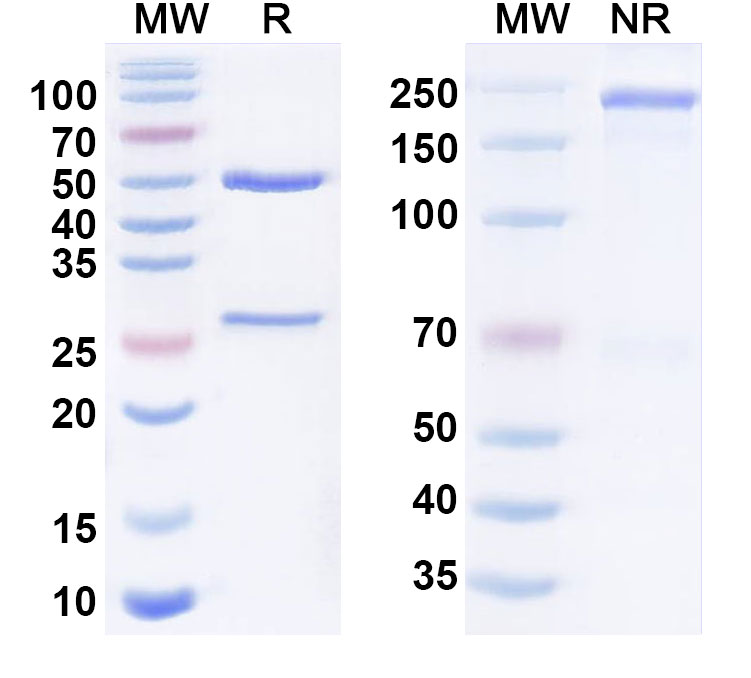
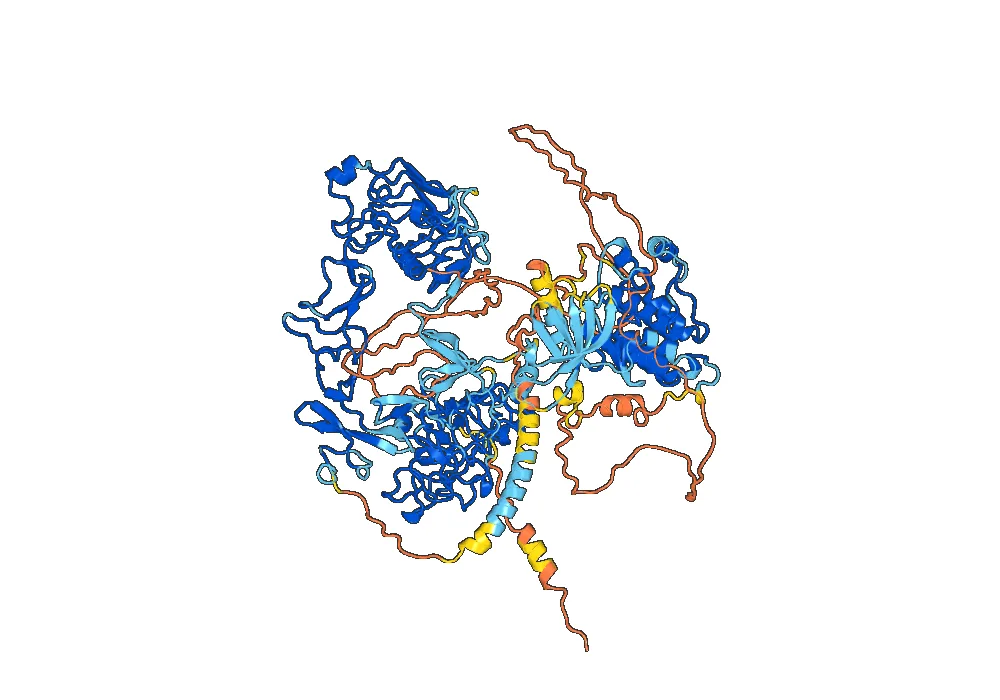
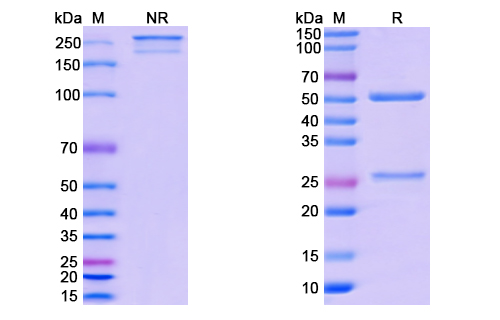
Serclutamab Biosimilar is a humanized IgG1 monoclonal antibody. It is composed of two heavy chains and two light chains, each consisting of a variable and a constant region. The variable regions of the heavy and light chains are responsible for binding to the extracellular domain of EGFR, while the constant regions provide effector functions such as complement activation and antibody-dependent cellular cytotoxicity (ADCC).
Activity
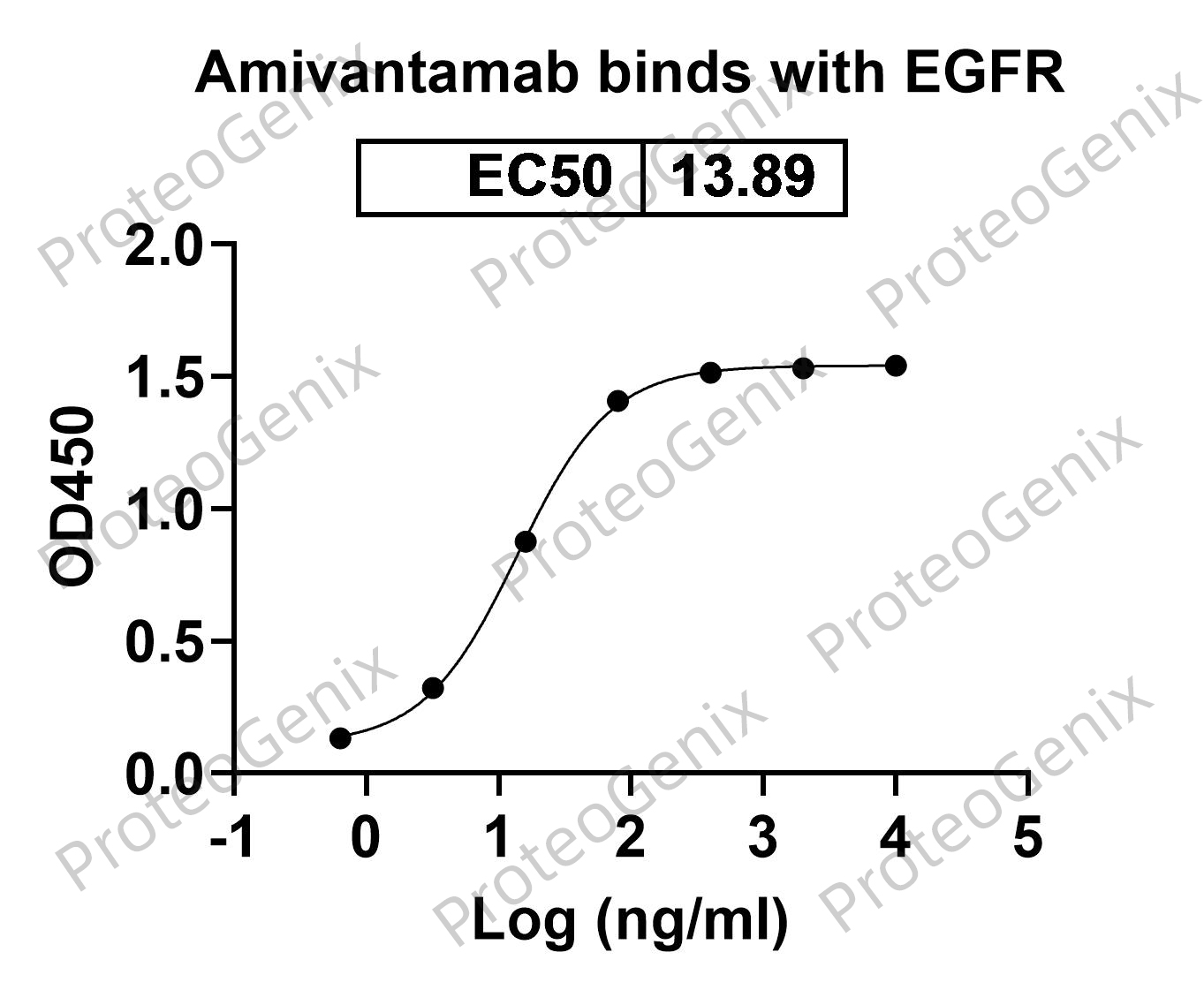
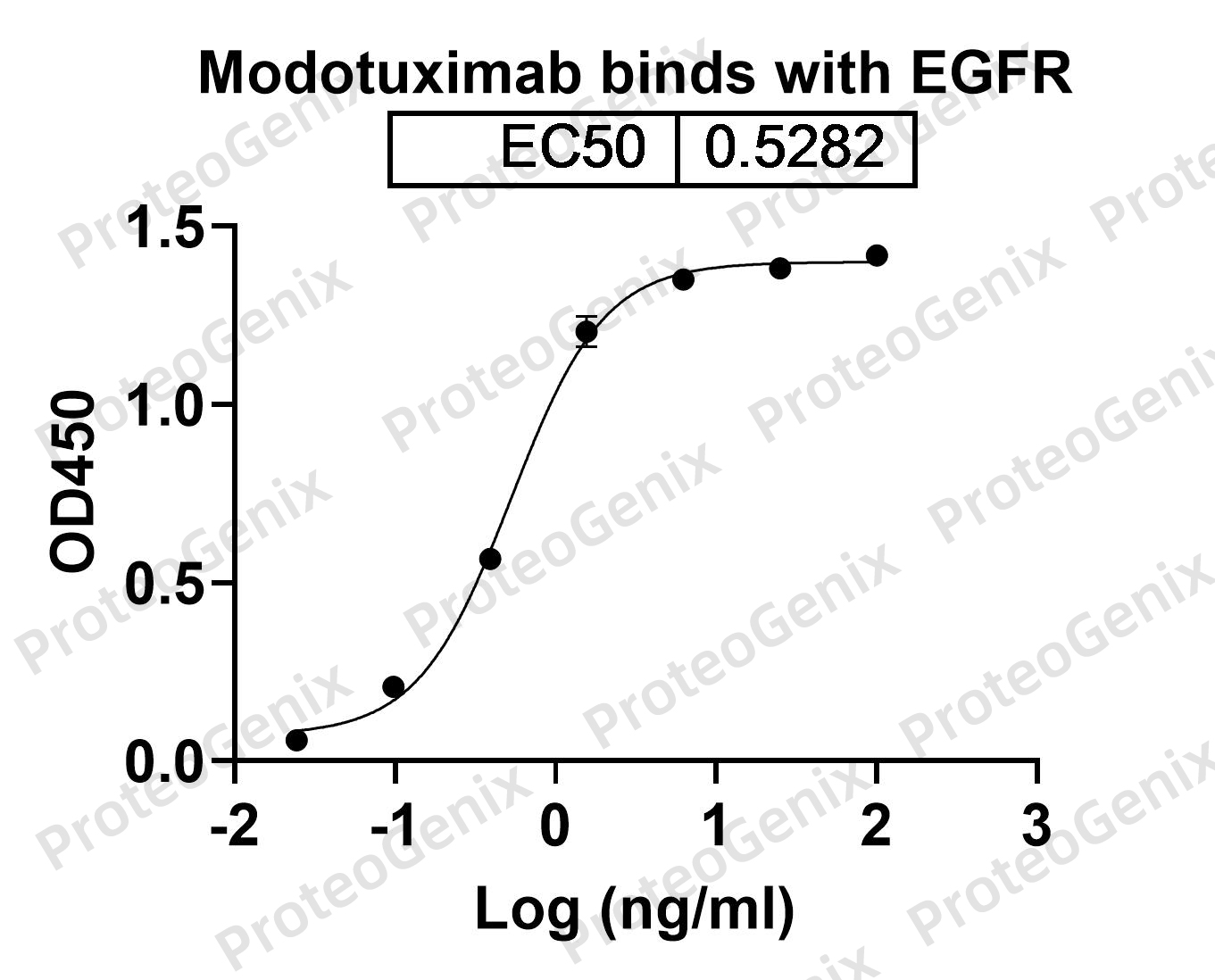
The main activity of Serclutamab Biosimilar is to bind to EGFR, a transmembrane receptor that is overexpressed in many types of cancer. By binding to EGFR, Serclutamab Biosimilar inhibits the activation of downstream signaling pathways that promote cell growth and survival. This leads to a decrease in tumor growth and potentially, tumor regression. In addition, Serclutamab Biosimilar can also induce ADCC, where immune cells recognize and kill cancer cells that are bound by the antibody.
Therapeutic Target: EGFR
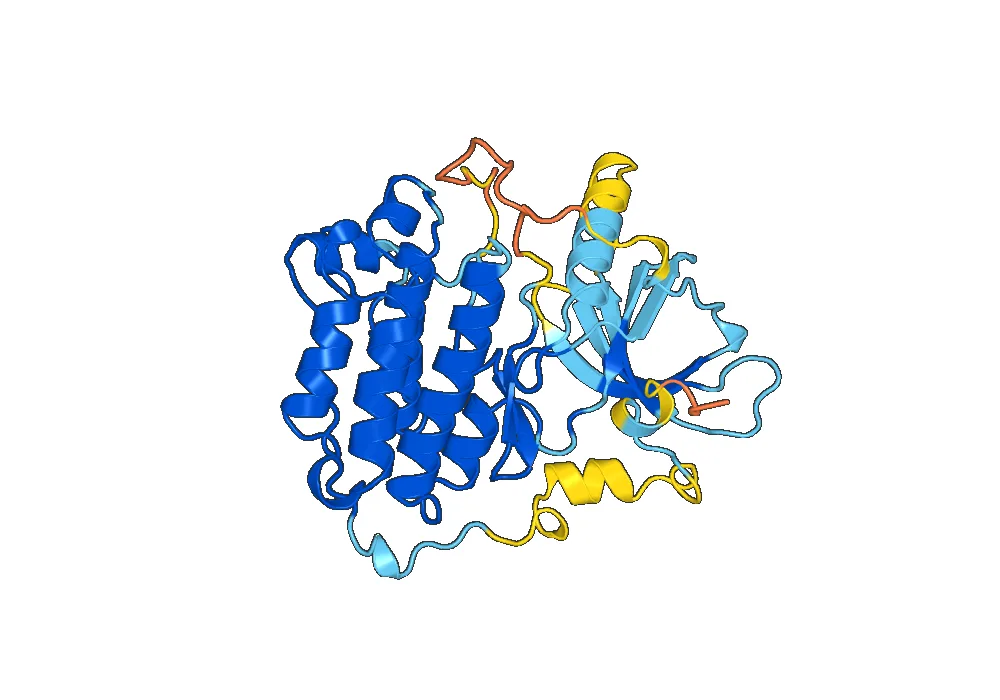
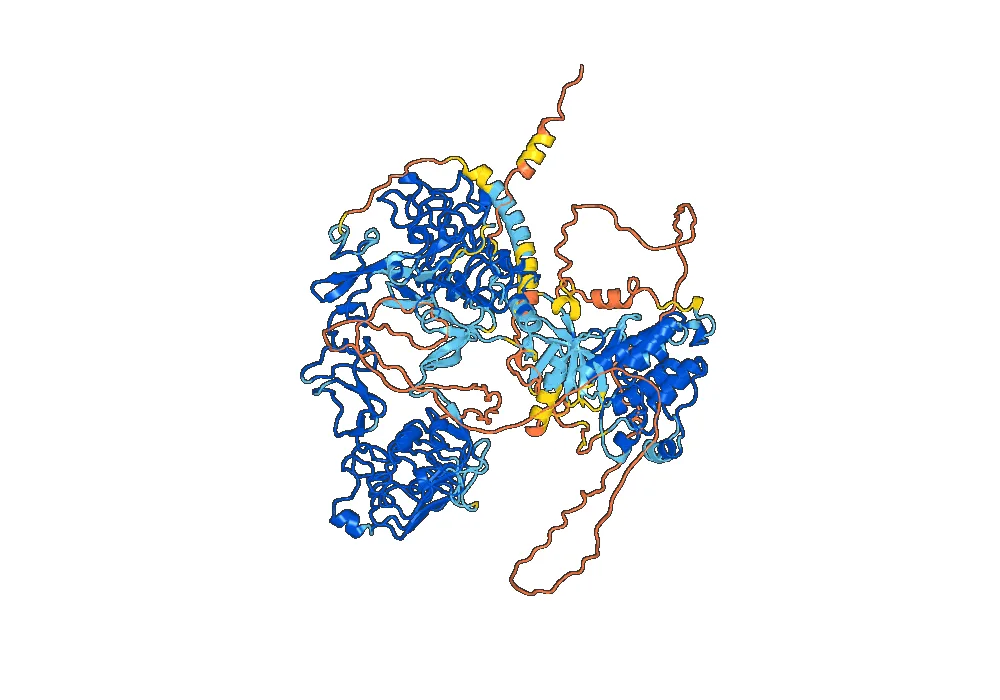
EGFR is a well-known therapeutic target in cancer treatment. It is a receptor tyrosine kinase that is involved in various cellular processes such as proliferation, differentiation, and survival. Overexpression or mutations in EGFR have been linked to the development and progression of many types of cancer, including non-small cell lung cancer, colorectal cancer, and head and neck cancer. Therefore, inhibiting EGFR signaling has been a successful strategy in treating these types of cancer.
Applications
Serclutamab Biosimilar has potential applications in the treatment of various cancers, particularly those that overexpress EGFR. It can be used as a monotherapy or in combination with other anti- cancer drugs. As a research grade antibody, it can also be used in preclinical studies to evaluate its efficacy and safety in different cancer models.
Treatment of Non-Small Cell Lung Cancer (NSCLC) NSCLC is the most common type of lung
cancer and is often associated with EGFR overexpression or mutations. Serclutamab Biosimilar has shown promising results in clinical trials as a treatment for NSCLC. It has been shown to improve progression-free survival and overall survival in patients with advanced NSCLC compared to standard chemotherapy.
Treatment of Colorectal Cancer Colorectal
cancer is the third most common cancer worldwide and is also associated with EGFR overexpression. Serclutamab Biosimilar has been shown to be effective in combination with chemotherapy in treating colorectal cancer. It has been approved as a first-line treatment for metastatic colorectal cancer in some countries.
Treatment of Head and Neck Cancer Head and neck
cancer is another type of cancer that is often driven by EGFR overexpression. Serclutamab Biosimilar has shown promising results in clinical trials as a treatment for head and neck cancer. It has been shown to improve overall survival in patients with recurrent or metastatic head and neck cancer compared to standard chemotherapy.
Conclusion Serclutam

There are no reviews yet.