Introduction
The Human ATP7B ELISA Kit is a highly sensitive and specific assay designed for the quantitative measurement of ATP7B protein levels in human samples. This kit is a valuable tool for researchers and clinicians studying the role of ATP7B in various diseases and for identifying potential therapeutic targets.
Structure of ATP7B
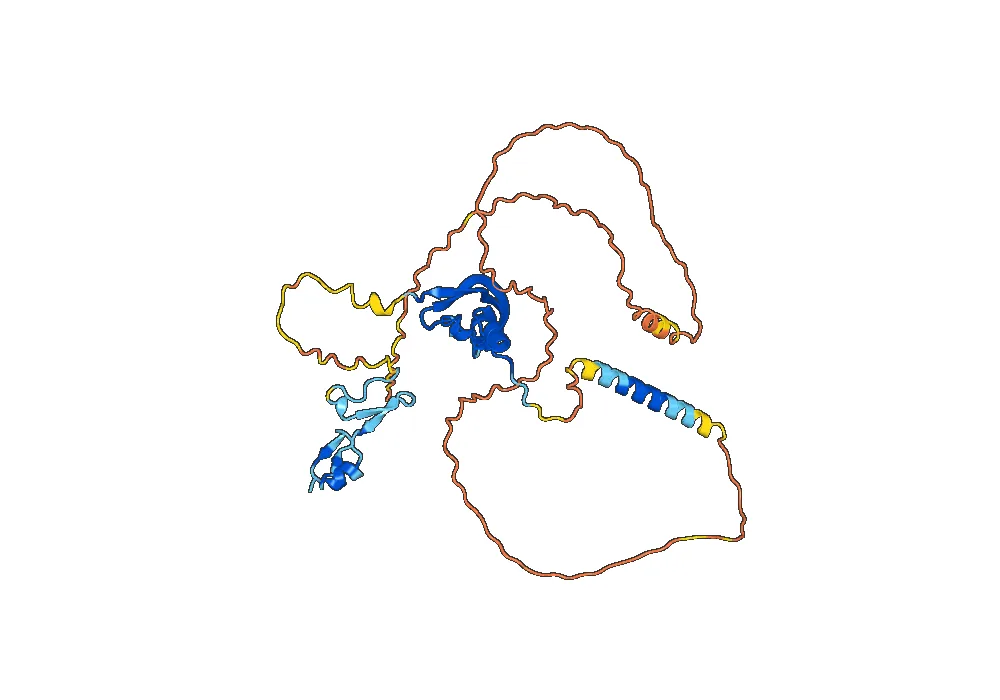
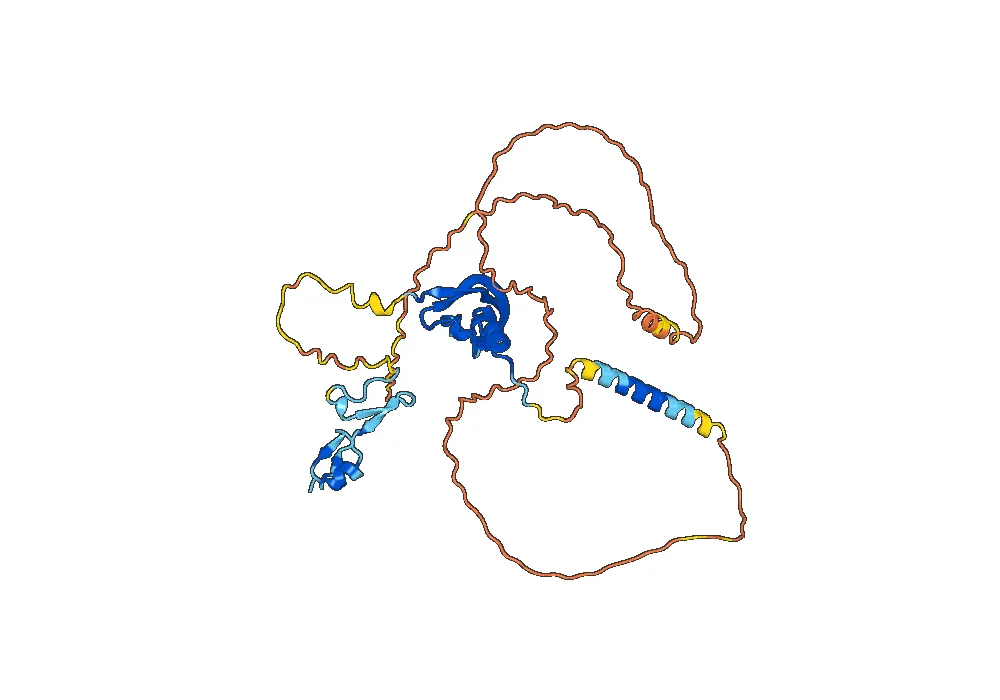
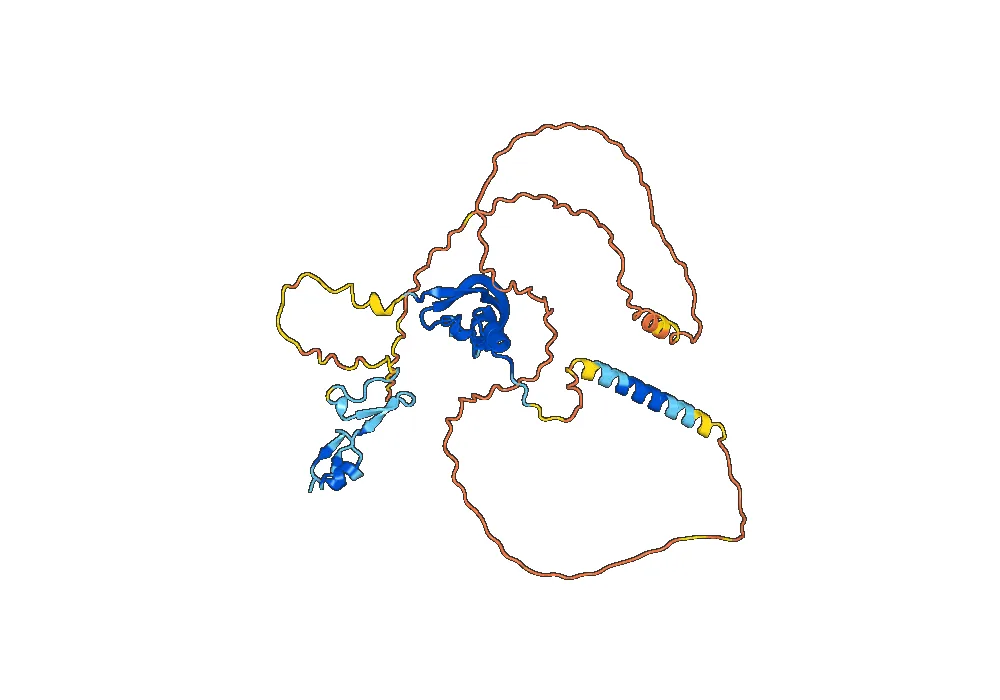
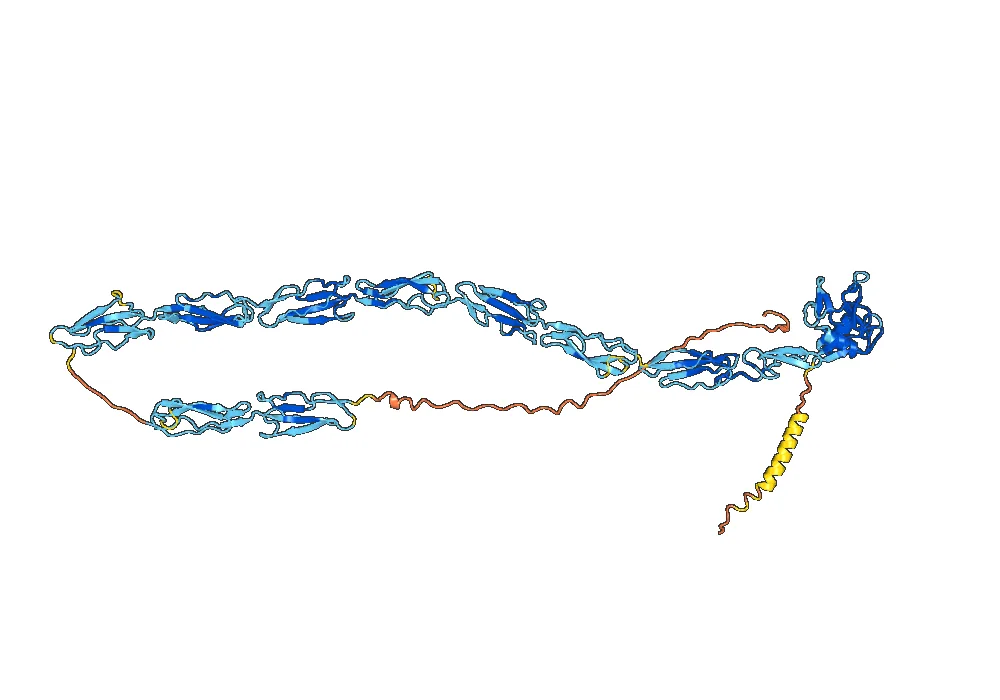
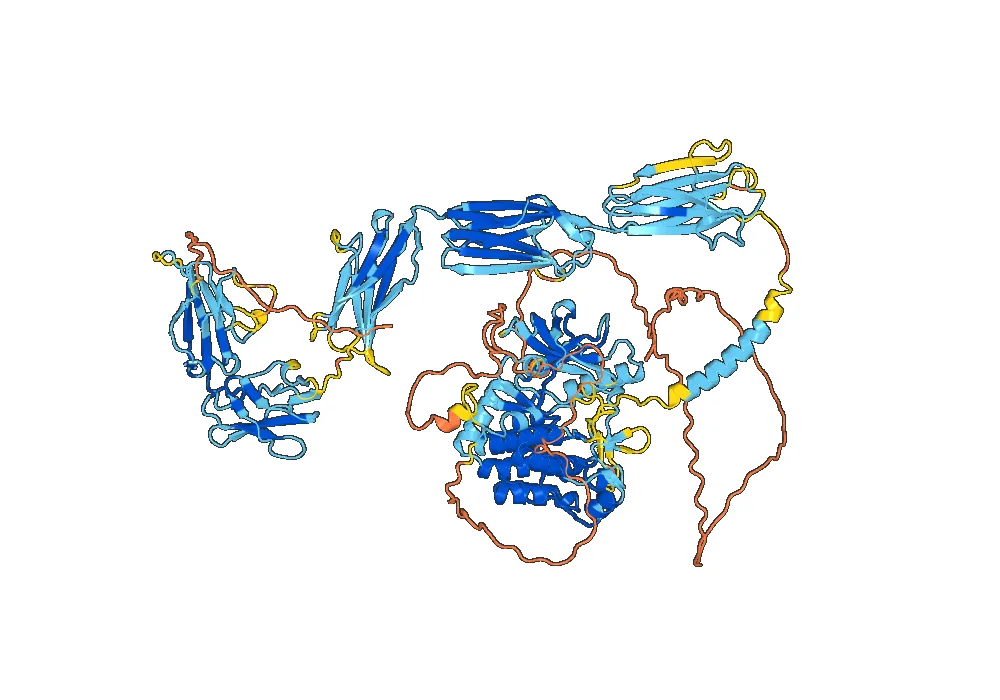
ATP7B is a copper-transporting P-type ATPase that plays a crucial role in maintaining copper homeostasis in the body. It is a large transmembrane protein consisting of 1465 amino acids with a molecular weight of approximately 160 kDa. The protein has eight transmembrane domains and three cytoplasmic domains, including an N-terminal domain, a phosphorylation domain, and an ATP-binding domain.
Activity of ATP7B
The main function of ATP7B is to transport copper ions across cell membranes. It is primarily expressed in the liver, where it plays a vital role in the excretion of excess copper from the body. ATP7B is also found in other tissues, including the brain, kidney, and placenta, where it is involved in copper transport and metabolism.
ATP7B functions as an ATP-dependent copper pump, using the energy from ATP hydrolysis to transport copper ions against their concentration gradient. It is responsible for the transport of copper from the cytoplasm into the Golgi apparatus, where it is incorporated into copper-dependent enzymes and proteins or excreted into the bile. Mutations in the ATP7B gene can lead to impaired copper transport, resulting in copper accumulation and toxicity in various tissues.
Application of Human ATP7B ELISA Kit
The Human ATP7B ELISA Kit is a valuable tool for researchers and clinicians studying the role of ATP7B in various diseases. It can be used to measure ATP7B protein levels in various human samples, including serum, plasma, and tissue lysates. This kit provides a quick, sensitive, and reliable method for quantifying ATP7B levels, making it a useful tool for identifying potential therapeutic targets and monitoring disease progression.
Therapeutic Target
ATP7B has been identified as a potential therapeutic target for various diseases, including Wilson’s disease, a rare genetic disorder characterized by copper accumulation and toxicity. Mutations in the ATP7B gene are responsible for the impaired copper transport seen in Wilson’s disease. The Human ATP7B ELISA Kit can be used to measure ATP7B protein levels in patients with Wilson’s disease, providing valuable information for the development of targeted therapies.
In addition to Wilson’s disease, ATP7B has also been implicated in other conditions, such as Alzheimer’s disease and various types of cancer. The Human ATP7B ELISA Kit can be used to measure ATP7B levels in these diseases, providing insights into the role of ATP7B in their pathogenesis and potential therapeutic options.
Research Use
The Human ATP7B ELISA Kit is also a valuable tool for research studies investigating the role of ATP7B in various biological processes. It can be used to measure ATP7B levels in different cell types and tissues, providing insights into the expression and regulation of this protein. This kit can also be used to compare ATP7B levels in healthy and diseased individuals, helping to further our understanding of its role in disease pathogenesis.
Conclusion
The Human ATP7B ELISA Kit is a highly sensitive and specific assay for the quantitative measurement of ATP7B protein levels in human samples. It is a valuable tool for researchers and clinicians studying the role of ATP7B in various diseases and for identifying potential therapeutic targets. With its quick, reliable, and sensitive detection, this kit is an essential addition to any laboratory studying copper metabolism and its associated diseases.

There are no reviews yet.