Introduction to Obrindatamab Biosimilar – Anti-CD276,CD3E mAb
Obrindatamab Biosimilar, also known as Anti-CD276,CD3E monoclonal antibody (mAb), is a novel therapeutic agent that has shown promising results in treating various types of cancers. This biosimilar antibody is a highly specific and potent immunotherapy that targets CD276, a protein that is overexpressed in many cancer cells. In this article, we will discuss the structure, activity, and potential applications of Obrindatamab Biosimilar in the field of cancer research.
Structure of Obrindatamab Biosimilar
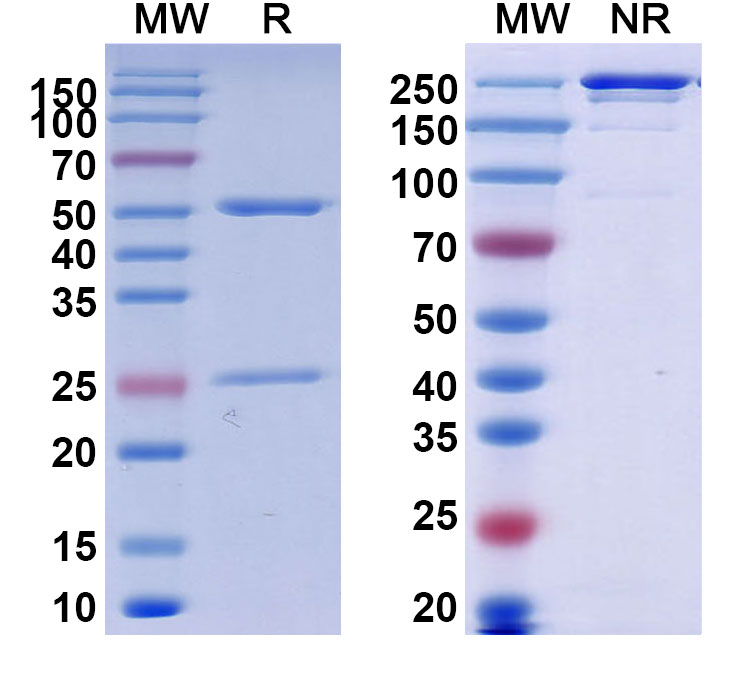
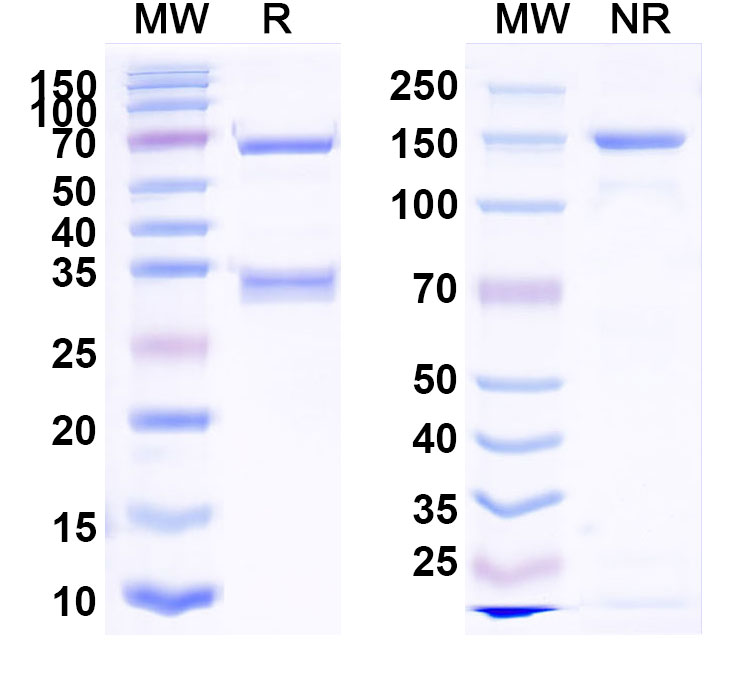
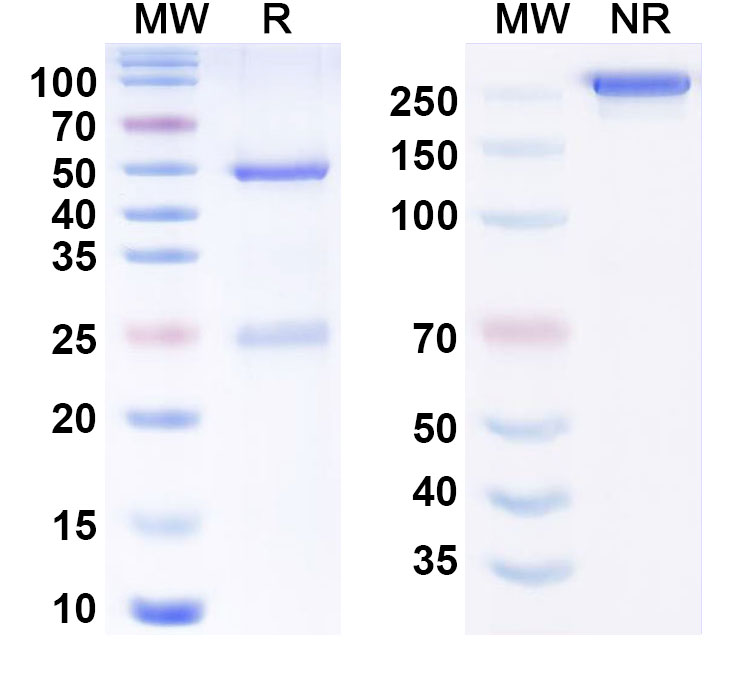
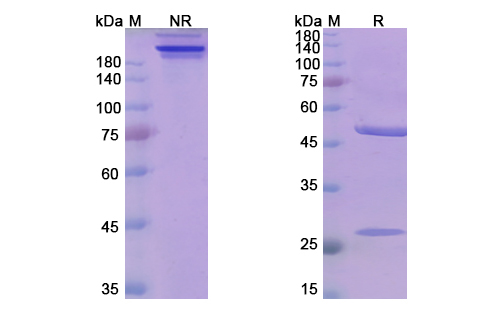
Obrindatamab Biosimilar is a recombinant, fully humanized monoclonal antibody that is produced using advanced biotechnological techniques. It is composed of two identical heavy chains and two identical light chains, each containing a variable region and a constant region. The variable region is responsible for the specific binding of the antibody to its target, CD276, while the constant region mediates effector functions such as antibody-dependent cellular cytotoxicity (ADCC) and complement-dependent cytotoxicity (CDC).
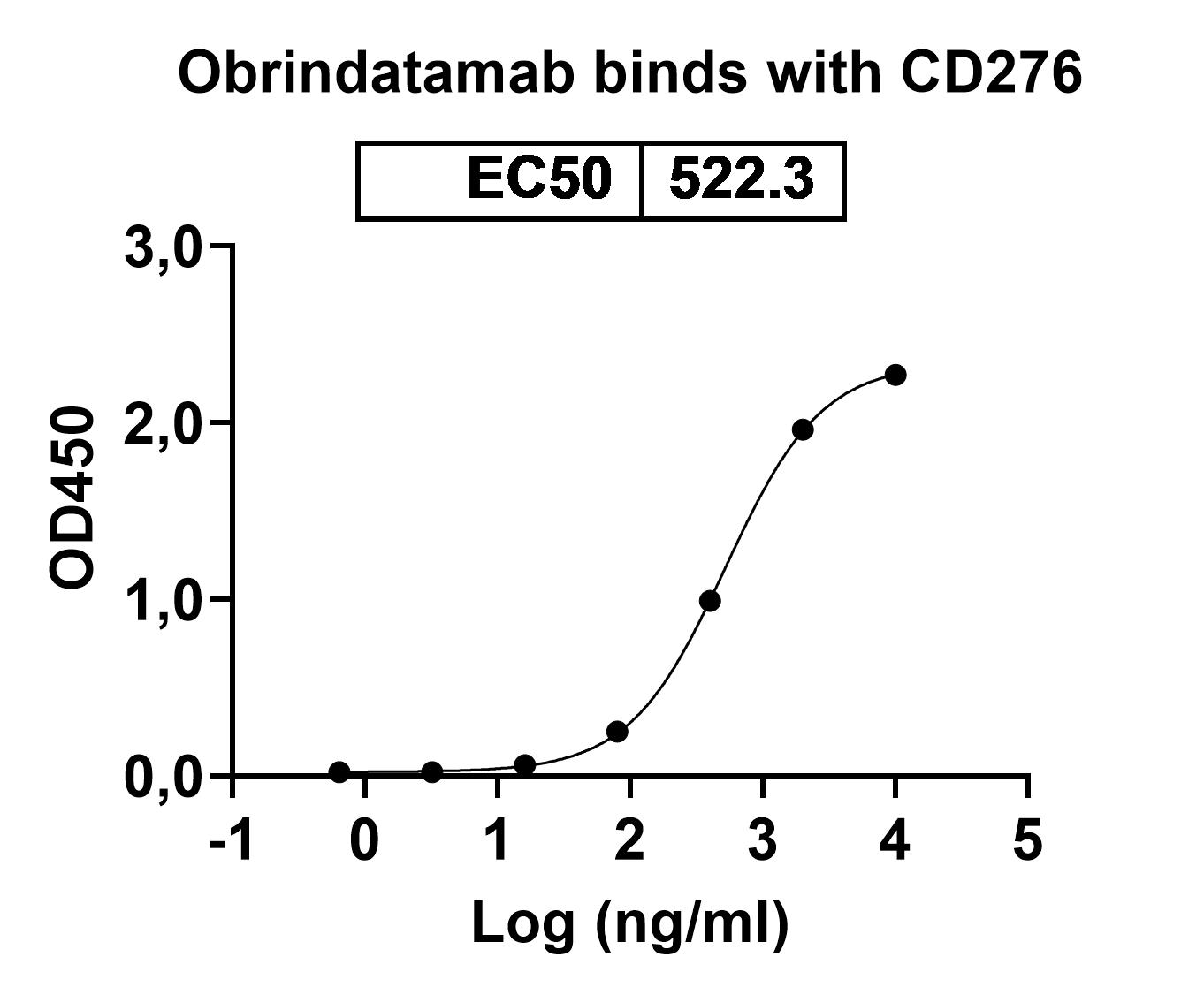
The unique structure of Obrindatamab Biosimilar allows it to bind to CD276 with high affinity and specificity, making it an effective therapeutic agent for cancer treatment.
Activity of Obrindatamab Biosimilar
Obrindatamab Biosimilar works by targeting and binding to CD276, a protein that is highly expressed on the surface of cancer cells. This binding leads to the activation of the body’s immune system, specifically T cells, to attack and kill the cancer cells. This mechanism of action is known as immune checkpoint inhibition, which is a key strategy in cancer immunotherapy.
In addition to its direct anti-tumor activity, Obrindatamab Biosimilar also has the ability to enhance the immune response by recruiting other immune cells, such as natural killer (NK) cells and macrophages, to the site of cancer. This further enhances the efficacy of the antibody in eliminating cancer cells.
Applications of Obrindatamab Biosimilar
Obrindatamab Biosimilar has shown promising results in preclinical and clinical studies for the treatment of various types of cancers, including lung cancer, breast cancer, and bladder cancer. It has also been investigated as a potential treatment for solid tumors and hematological malignancies.
Currently, Obrindatamab Biosimilar is being evaluated in clinical trials as a monotherapy and in combination with other cancer treatments, such as chemotherapy and other immunotherapies. Its potential to enhance the immune response and target a specific protein on cancer cells makes it a promising candidate for combination therapies.
In addition to its therapeutic potential, Obrindatamab Biosimilar is also being studied for its diagnostic and prognostic value. The overexpression of CD276 in cancer cells makes it a potential biomarker for cancer diagnosis and predicting treatment response.
Conclusion
Obrindatamab Biosimilar, a novel anti-CD276,CD3E monoclonal antibody, has shown great potential in treating various types of cancers. Its unique structure and mechanism of action make it a highly specific and potent immunotherapy. With ongoing clinical trials and further research, Obrindatamab Biosimilar has the potential to become a valuable addition to the arsenal of cancer treatments.

There are no reviews yet.