The Structure of Onacrisantaspase Biosimilar
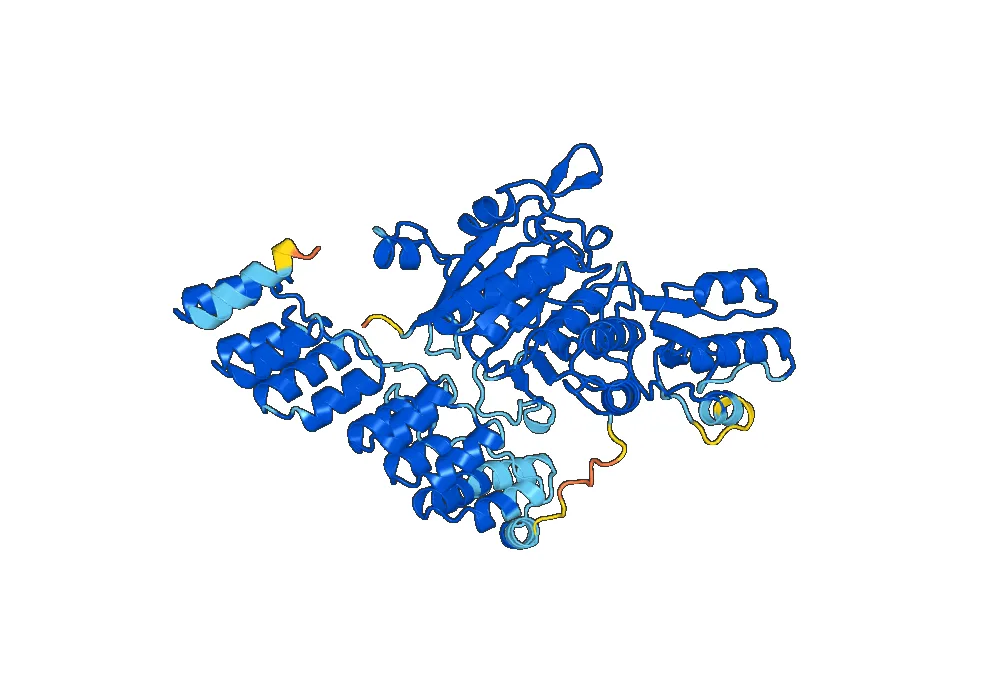
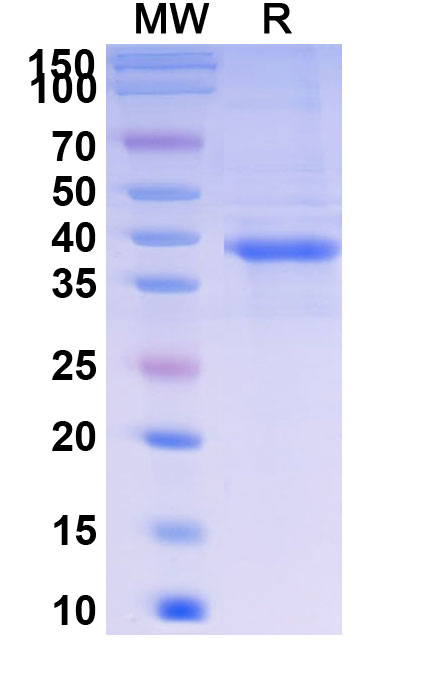
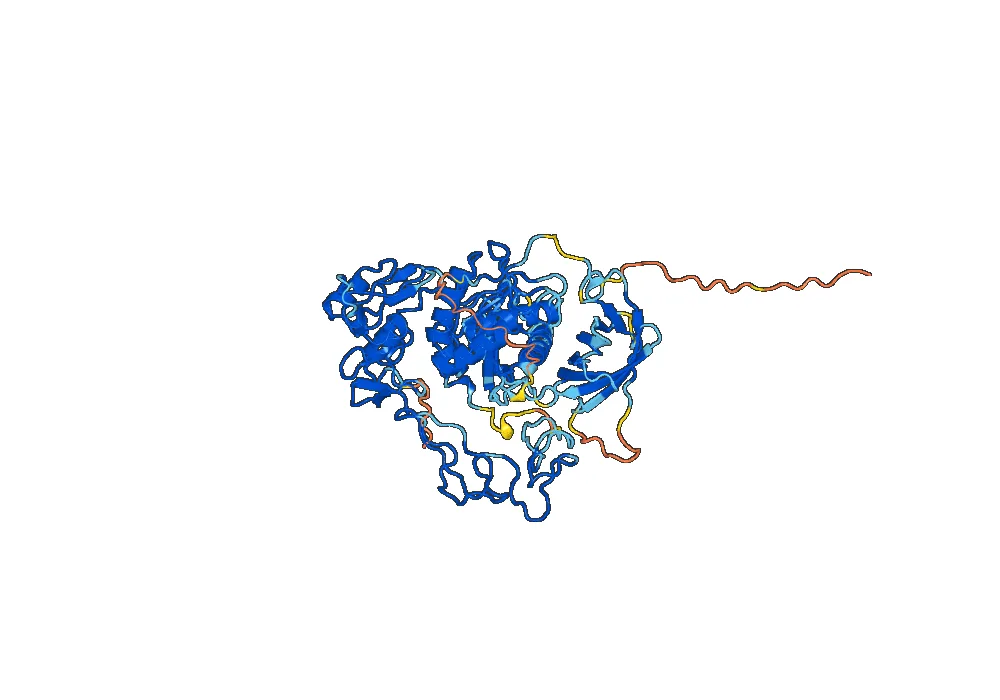
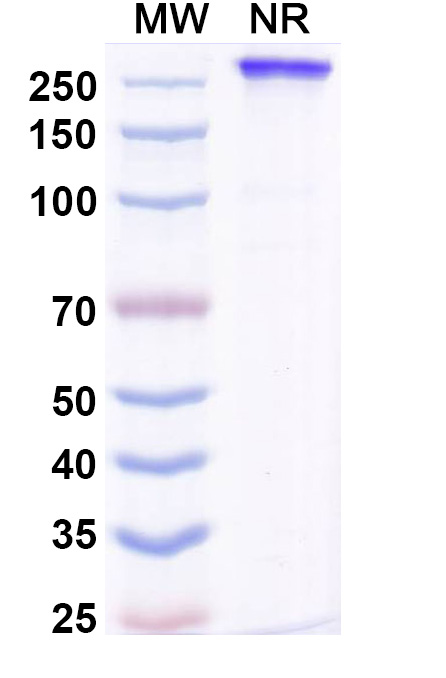
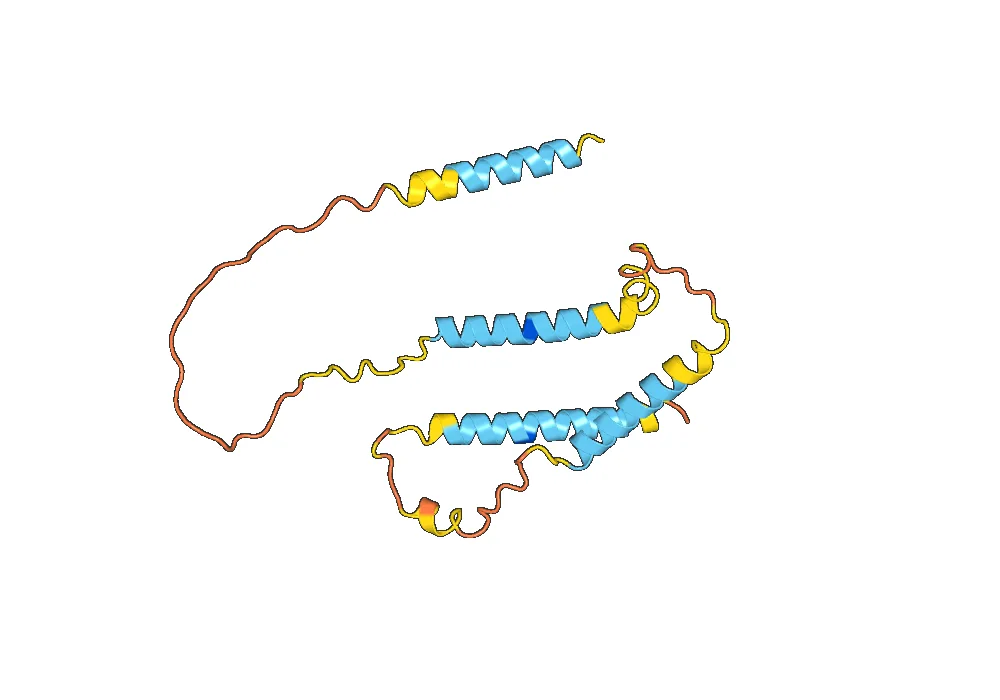
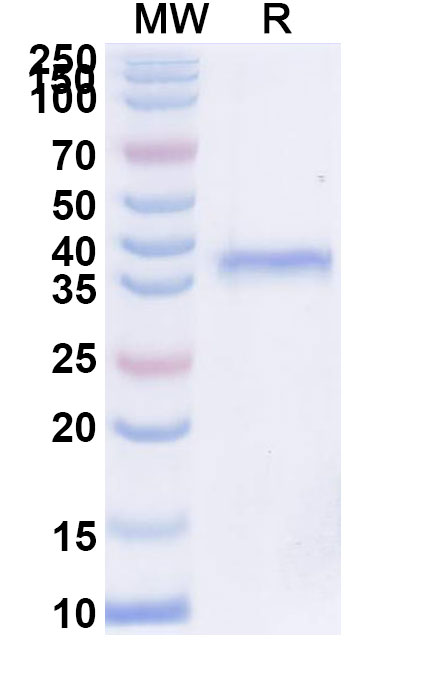
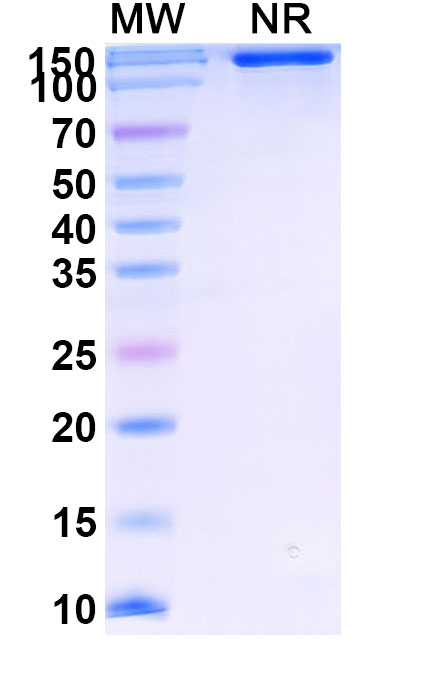
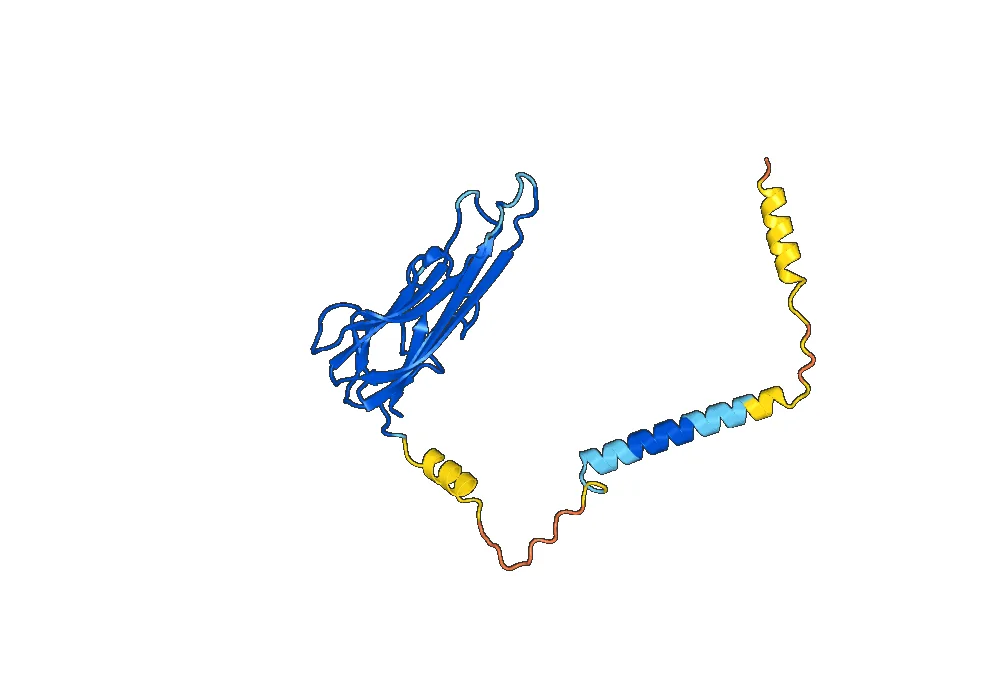
Onacrisantaspase Biosimilar is a monoclonal antibody (mAb) that has been developed as a biosimilar to the therapeutic antibody, Onivyde (irinotecan liposome injection). The structure of Onacrisantaspase Biosimilar is similar to that of Onivyde, as it is also a humanized IgG1 kappa monoclonal antibody. This means that it is composed of two heavy chains and two light chains, with a molecular weight of approximately 150 kDa.
The heavy chains of Onacrisantaspase Biosimilar consist of four constant domains (CH1, CH2, CH3, and CH4) and one variable domain (VH). The light chains, on the other hand, have two constant domains (CL and CL1) and one variable domain (VL). These variable domains are responsible for the specificity of the antibody, as they bind to a specific target molecule.
The Activity of Onacrisantaspase Biosimilar
Onacrisantaspase Biosimilar is a biosimilar of Onivyde, which is a liposomal formulation of irinotecan. Irinotecan is an anticancer drug that works by inhibiting the enzyme topoisomerase I, which is involved in DNA replication and repair. By inhibiting this enzyme, irinotecan prevents cancer cells from dividing and growing, ultimately leading to their death.
Onacrisantaspase Biosimilar, being a monoclonal antibody, works in a different way. It specifically targets and binds to the enzyme L-asparagine amidohydrolase, also known as asparaginase. This enzyme is responsible for breaking down the amino acid asparagine, which is essential for the growth and survival of cancer cells. By binding to and inhibiting asparaginase, Onacrisantaspase Biosimilar deprives cancer cells of the asparagine they need to grow and survive, ultimately leading to their death.
The Application of Onacrisantaspase Biosimilar
Onacrisantaspase Biosimilar is primarily used as a treatment for acute lymphoblastic leukemia (ALL), a type of blood cancer that affects the white blood cells. It is specifically indicated for use in patients who have developed hypersensitivity to the asparaginase contained in other chemotherapy regimens.
In addition to ALL, Onacrisantaspase Biosimilar has also shown promising results in the treatment of other types of cancer, such as acute myeloid leukemia (AML) and non-Hodgkin’s lymphoma. It is currently being investigated in clinical trials for these indications.
The Role of Onacrisantaspase Biosimilar as a Therapeutic Antibody
Onacrisantaspase Biosimilar is a prime example of a therapeutic antibody, which is a type of antibody that is specifically designed and used for therapeutic purposes. Unlike traditional antibodies, which are produced naturally by the immune system to fight off infections, therapeutic antibodies are engineered in a laboratory to target and bind to specific molecules involved in diseases.
In the case of Onacrisantaspase Biosimilar, it is designed to target and inhibit the activity of the asparaginase enzyme, which is essential for the growth and survival of cancer cells. By doing so, it effectively kills cancer cells and helps to slow down the progression of the disease.
The Future of Onacrisantaspase Biosimilar
Onacrisantaspase Biosimilar has shown promising results in clinical trials and has been approved for use in the treatment of ALL. As more research is conducted, it is expected that this biosimilar will also be approved for other types of cancer, providing patients with more treatment options.
In addition, the development of biosimilars like Onacrisantaspase Biosimilar is an important step in making cancer treatments more affordable and accessible. By providing a more cost-effective alternative to the original therapeutic antibody, more patients will be able to access life-saving treatments.
In

There are no reviews yet.