Introduction
Recombinant Human MYL3 protein is a synthetic protein that is produced through genetic engineering techniques. This protein is a member of the myosin light chain family and plays a crucial role in muscle contraction and relaxation. In this article, we will discuss the structure, activity, and application of Recombinant Human MYL3 Protein.
Structure of Recombinant Human MYL3 Protein
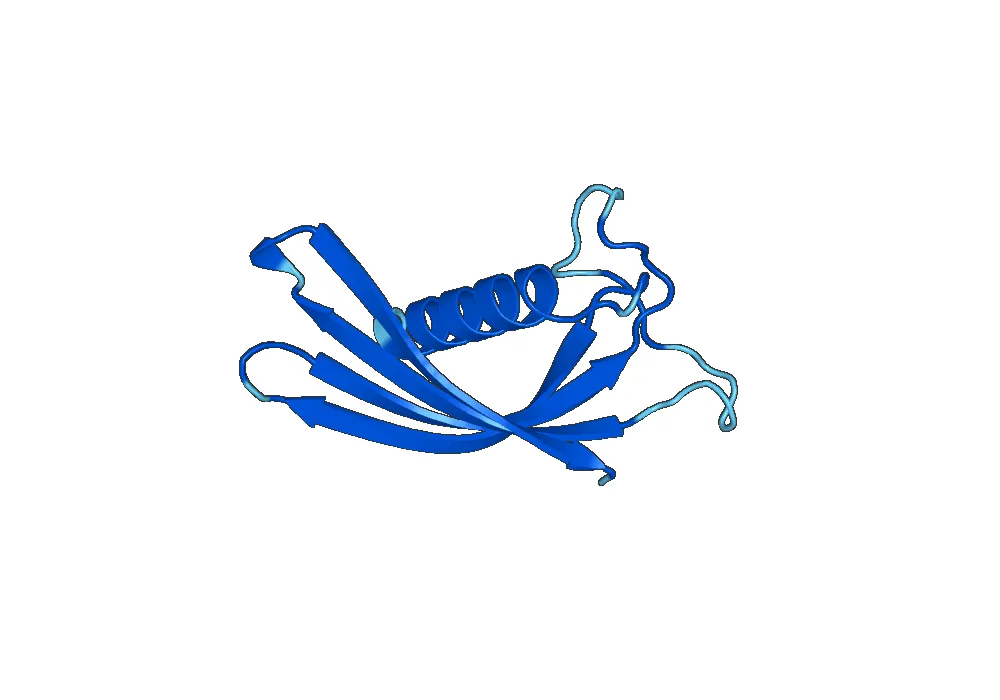
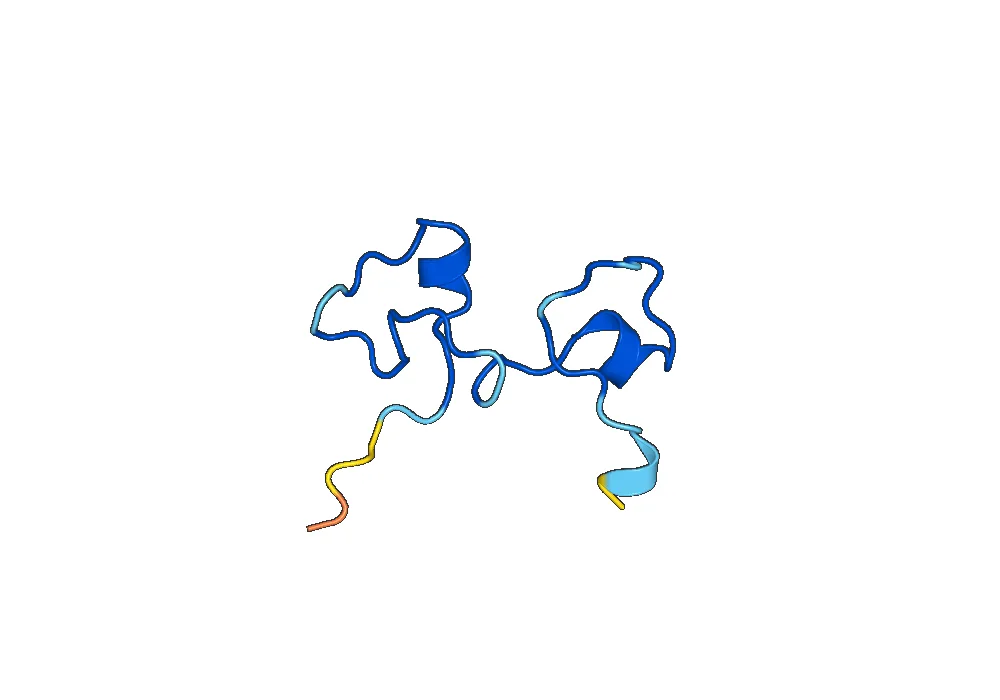
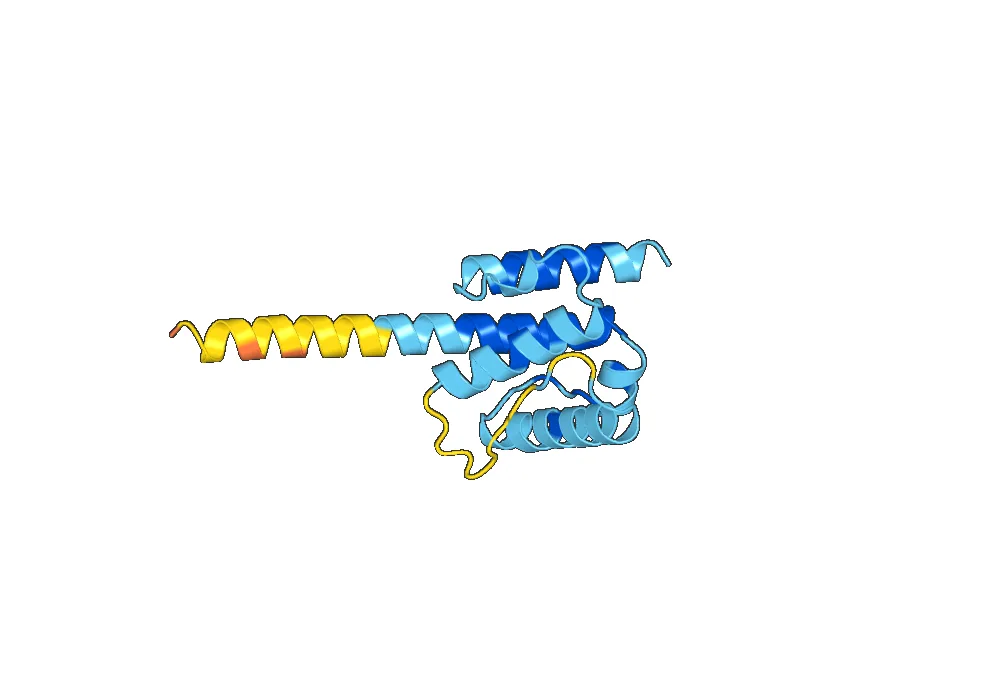
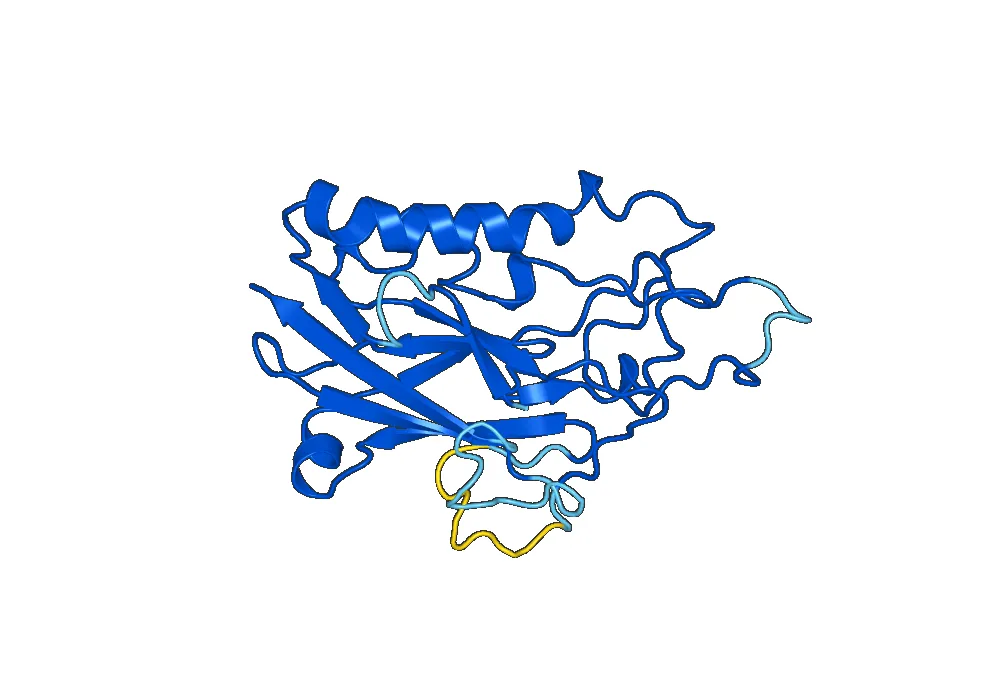
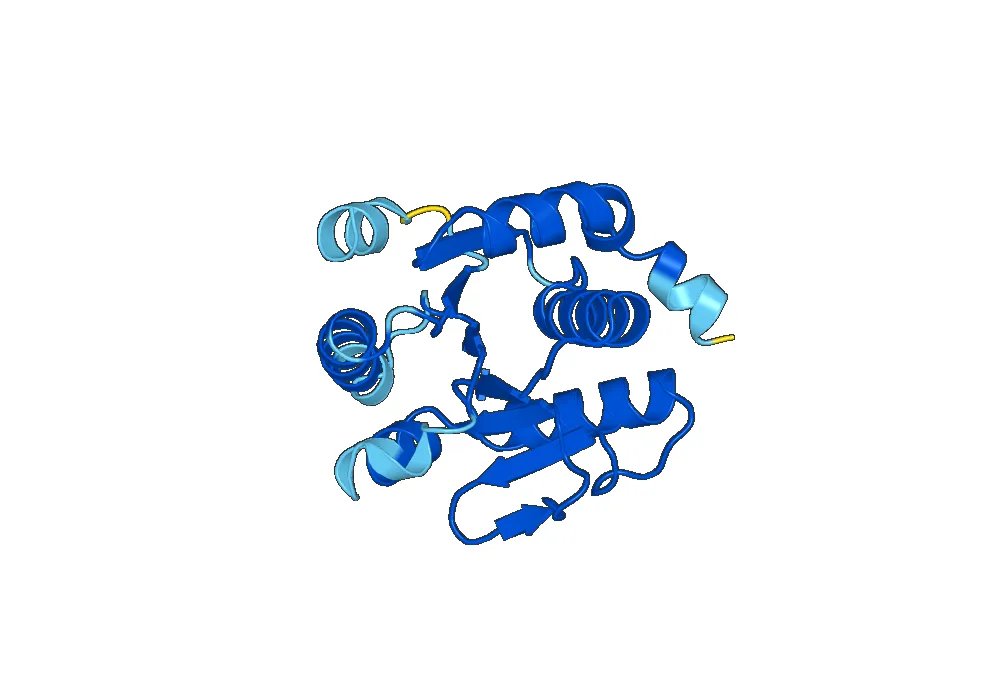
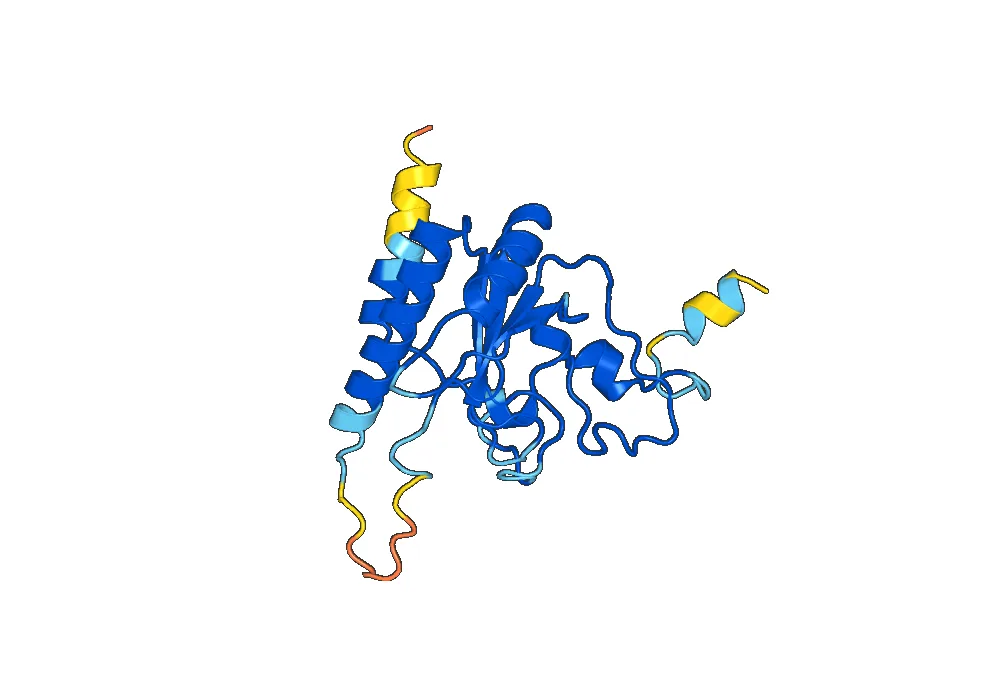
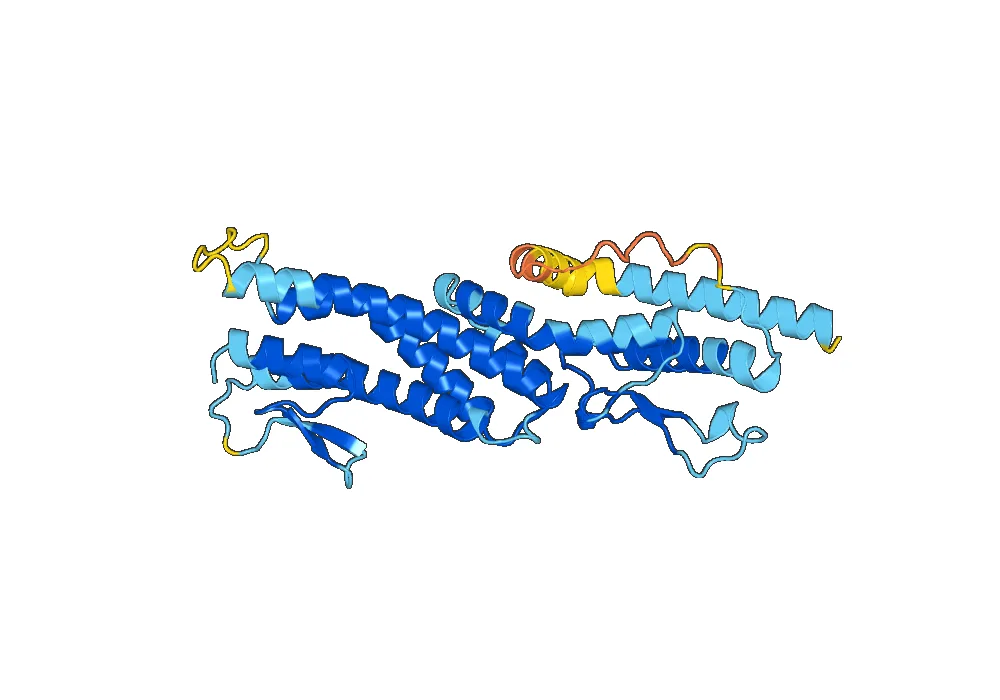
Recombinant Human MYL3 Protein is composed of 195 amino acids and has a molecular weight of approximately 21.9 kDa. It is a single polypeptide chain with a globular structure. The protein has two domains, the N-terminal domain and the C-terminal domain, connected by a flexible linker region. The N-terminal domain contains the binding site for actin, while the C-terminal domain binds to the heavy chain of myosin.
The structure of Recombinant Human MYL3 Protein is similar to the native protein, making it an ideal substitute for research purposes. The protein is produced in a controlled environment, ensuring its purity and consistency.
Activity of Recombinant Human MYL3 Protein
Recombinant Human MYL3 Protein is involved in muscle contraction and relaxation by regulating the interaction between actin and myosin. It binds to the heavy chain of myosin, causing a conformational change that allows the myosin head to bind to actin and initiate muscle contraction.
In addition to its role in muscle contraction, Recombinant Human MYL3 Protein has been found to have other activities. It has been shown to regulate the activity of myosin light chain kinase, an enzyme responsible for the phosphorylation of myosin light chains. This activity has implications in cell migration, cell division, and other cellular processes.
Application of Recombinant Human MYL3 Protein
Recombinant Human MYL3 Protein has various applications in the field of research and medicine. Here are some of the key areas where this protein is used:
1. Study of Muscle Contraction
Recombinant Human MYL3 Protein is widely used in the study of muscle contraction. Its ability to regulate the interaction between actin and myosin makes it a valuable tool in understanding the mechanism of muscle contraction. Researchers can manipulate the protein and study its effects on muscle contraction, providing insights into various muscle-related disorders.
2. Diagnostic Tool
Recombinant Human MYL3 Protein can be used as an antigen to detect the presence of antibodies in patient samples. This can aid in the diagnosis of autoimmune diseases, such as myositis, where the body produces antibodies against its own muscle proteins.
3. Therapeutic Agent
Recombinant Human MYL3 Protein has potential therapeutic applications in the treatment of muscle-related disorders. It can be used to develop drugs that target the interaction between actin and myosin, providing a more targeted approach for treating muscle diseases.
4. Biomarker
Recombinant Human MYL3 Protein has been identified as a potential biomarker for certain diseases, such as heart failure. Elevated levels of MYL3 in the blood have been linked to heart muscle damage, making it a promising biomarker for early detection and monitoring of heart conditions.
5. Tissue Engineering
Recombinant Human MYL3 Protein has been used in tissue engineering to create artificial muscle tissue. Its role in muscle contraction makes it an essential component for the development of functional muscle tissue for medical purposes.
Conclusion
Recombinant Human MYL3 Protein is a synthetic protein with a similar structure and activity to the native protein. Its crucial role in muscle contraction and other cellular processes makes it a valuable tool for research and potential therapeutic applications. With further studies and advancements in genetic engineering techniques, this protein holds great potential for the treatment of various muscle-related disorders.

There are no reviews yet.