Introduction
Anti-Human ANO1 Monoclonal Antibody (1A606) is a highly specific and potent antibody that targets the ANO1 protein in humans. ANO1, also known as TMEM16A, is a calcium-activated chloride channel that is involved in a variety of physiological processes, including cell proliferation, migration, and apoptosis. This antibody has been extensively studied and has shown promising results in both in vitro and in vivo experiments. In this article, we will discuss the structure, activity, and potential applications of Anti-Human ANO1 Monoclonal Antibody (1A606).
Structure of Anti-Human ANO1 Monoclonal Antibody (1A606)
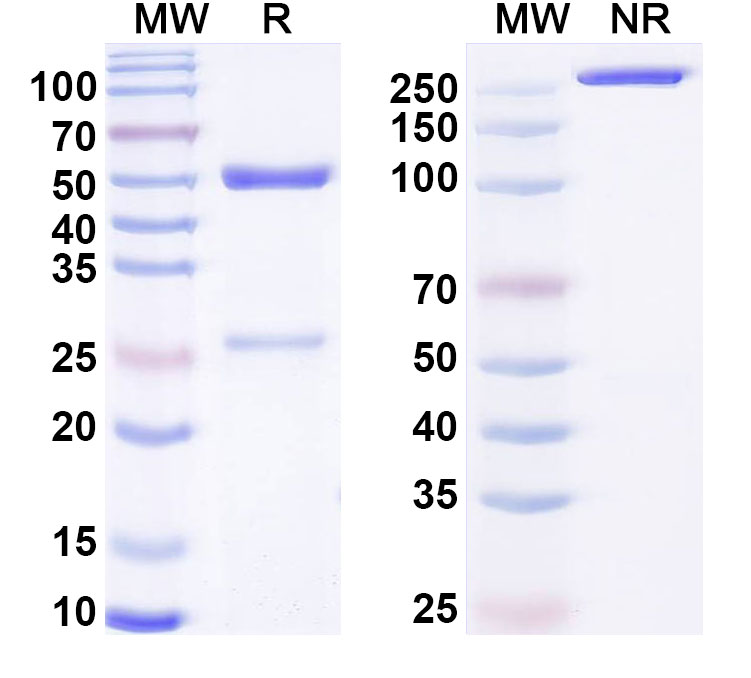
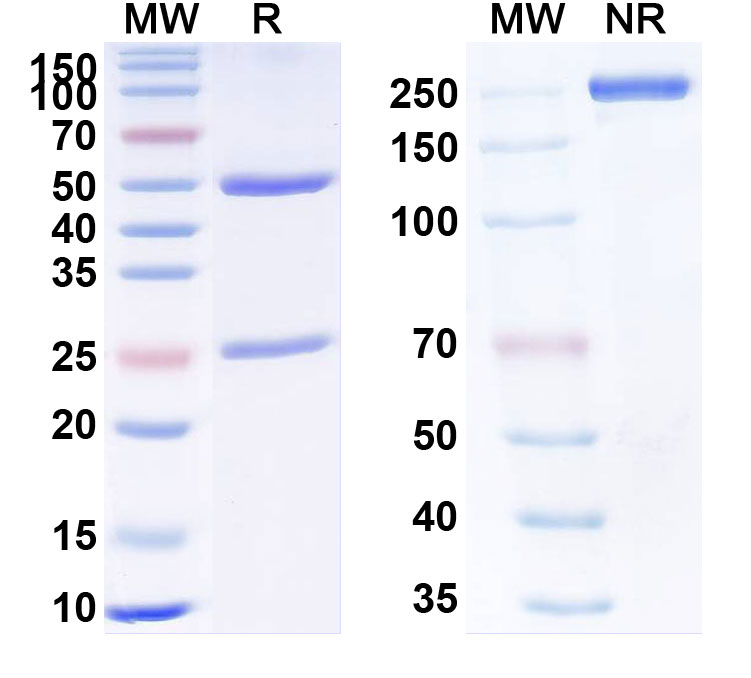
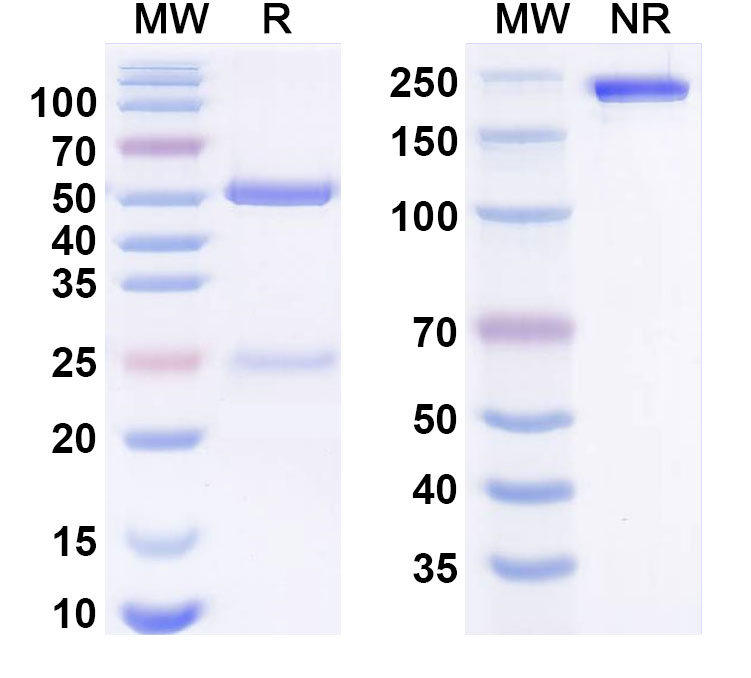
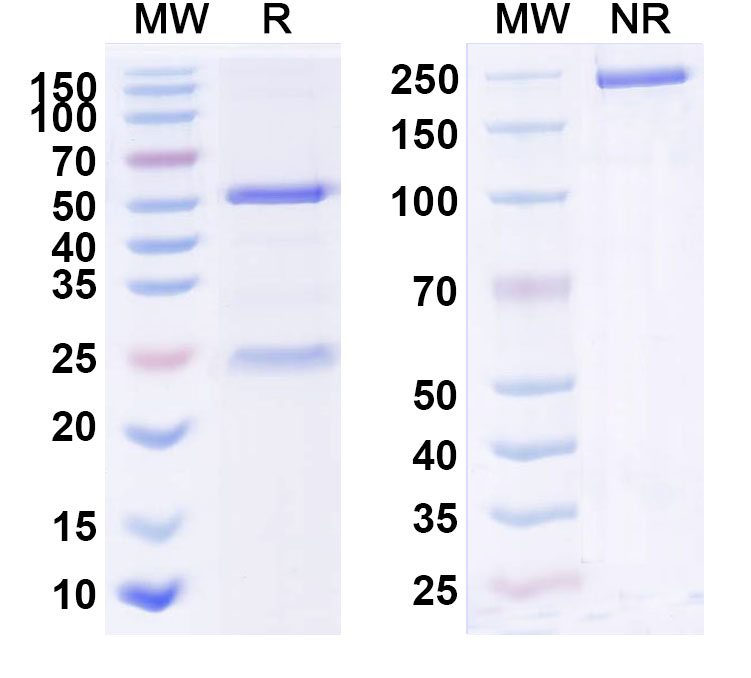
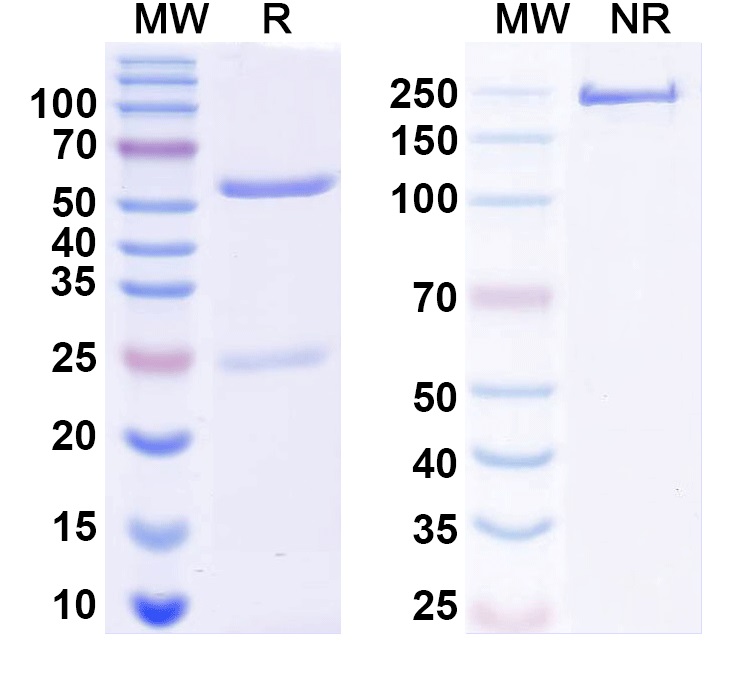
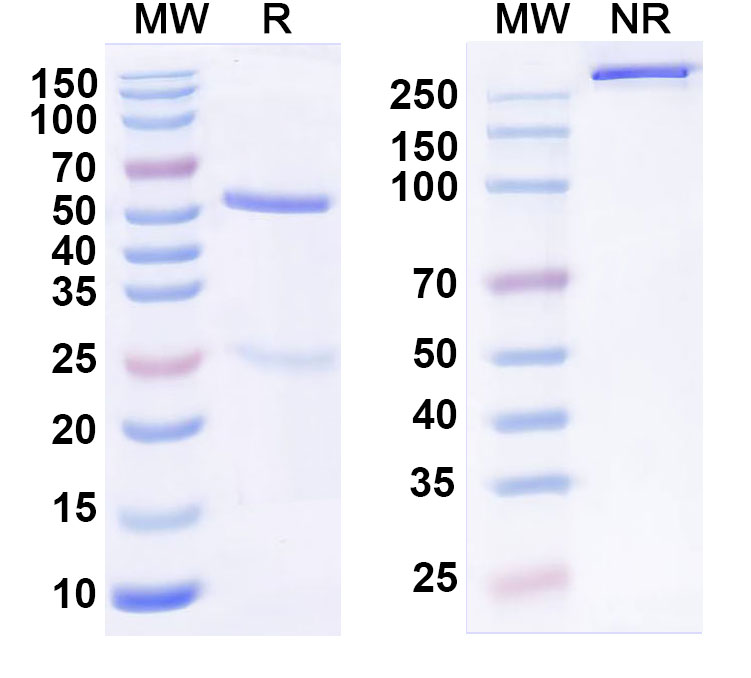
Anti-Human ANO1 Monoclonal Antibody (1A606) is a monoclonal antibody, meaning it is produced by a single clone of immune cells. It is a type of immunoglobulin G (IgG) antibody, which is the most abundant type of antibody in the human body. The antibody is composed of two heavy chains and two light chains, which are connected by disulfide bonds. The heavy chains consist of a constant region and a variable region, while the light chains only have a variable region. The variable regions are responsible for binding to the specific target, in this case, the ANO1 protein.
Activity of Anti-Human ANO1 Monoclonal Antibody (1A606)
Anti-Human ANO1 Monoclonal Antibody (1A606) has been shown to specifically bind to the ANO1 protein with high affinity. This binding occurs at the extracellular domain of ANO1, which is essential for its function as a chloride channel. By binding to ANO1, the antibody inhibits its activity, leading to a decrease in chloride ion influx. This, in turn, affects various cellular processes that are regulated by ANO1, such as cell proliferation and migration.
In addition to its inhibitory activity, Anti-Human ANO1 Monoclonal Antibody (1A606) has also been shown to induce antibody-dependent cellular cytotoxicity (ADCC). This means that the antibody can activate immune cells, such as natural killer cells, to target and kill cells that express ANO1. This property of the antibody makes it a potential therapeutic agent for the treatment of ANO1-expressing cancers.
Applications of Anti-Human ANO1 Monoclonal Antibody (1A606)
Anti-Human ANO1 Monoclonal Antibody (1A606) has been extensively studied and has shown promising results in various applications. One of the main applications of this antibody is in cancer research. Studies have shown that ANO1 is overexpressed in several types of cancers, including breast, prostate, and lung cancer. By targeting ANO1, Anti-Human ANO1 Monoclonal Antibody (1A606) has been shown to inhibit cancer cell proliferation and migration, making it a potential therapeutic agent for these types of cancers.
Moreover, this antibody has also shown potential in the treatment of inflammatory diseases. ANO1 is involved in the regulation of inflammation, and studies have shown that its inhibition can reduce inflammation in various disease models. Anti-Human ANO1 Monoclonal Antibody (1A606) has been shown to effectively inhibit ANO1 activity and reduce inflammation in these models, making it a promising candidate for the treatment of inflammatory diseases.
In addition to its therapeutic applications, Anti-Human ANO1 Monoclonal Antibody (1A606) has also been used in research studies to better understand the role of ANO1 in various physiological processes. By specifically targeting ANO1, researchers can study its function and potential as a therapeutic target in different diseases.
Conclusion
In summary, Anti-Human ANO1 Monoclonal Antibody (1A606) is a highly specific and potent antibody that targets the ANO1 protein in humans.

There are no reviews yet.