Introduction
Anti-Human CD23/FCER2 Monoclonal Antibody (1A503) is a powerful tool used in various research and diagnostic applications. This monoclonal antibody specifically targets the CD23 protein, also known as the Fc epsilon receptor II (FCER2), which is found on the surface of certain immune cells. In this article, we will discuss the structure, activity, and applications of Anti-Human CD23/FCER2 Monoclonal Antibody (1A503).
Structure of Anti-Human CD23/FCER2 Monoclonal Antibody (1A503)
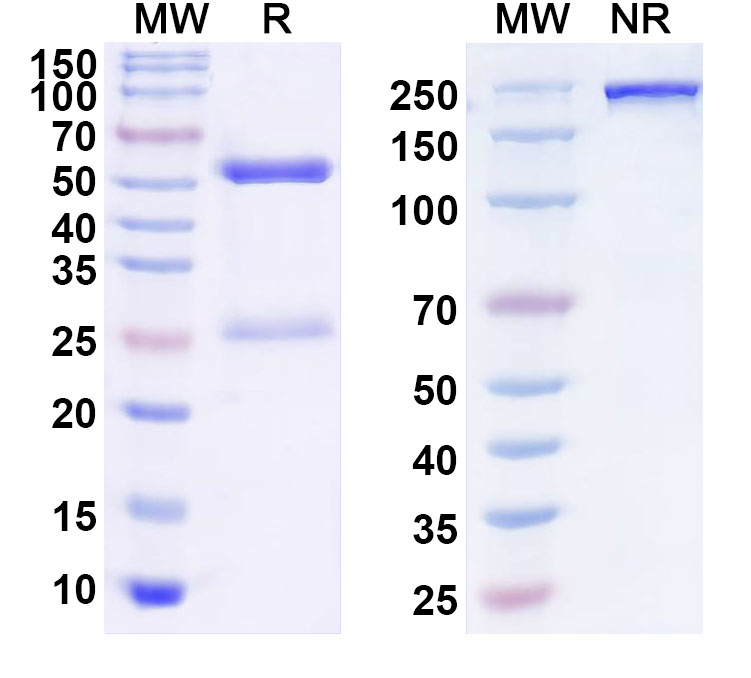
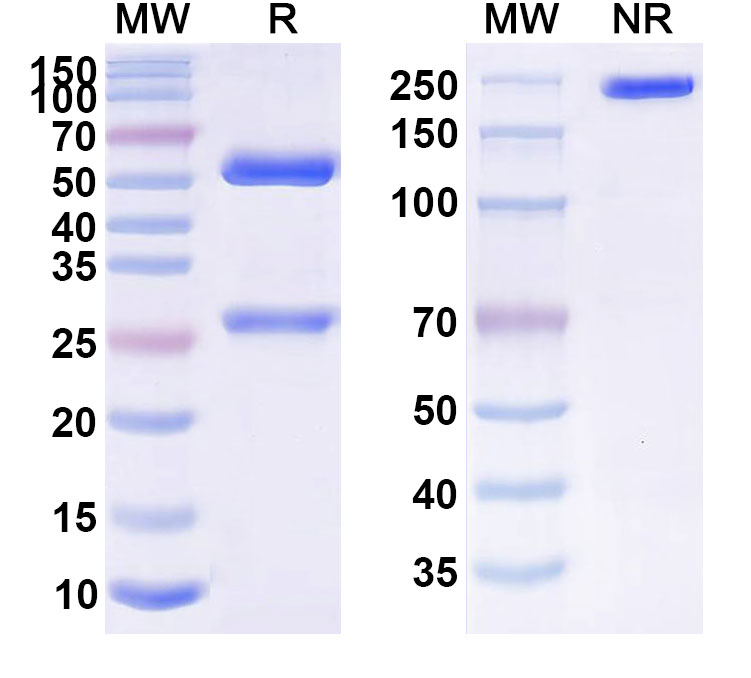
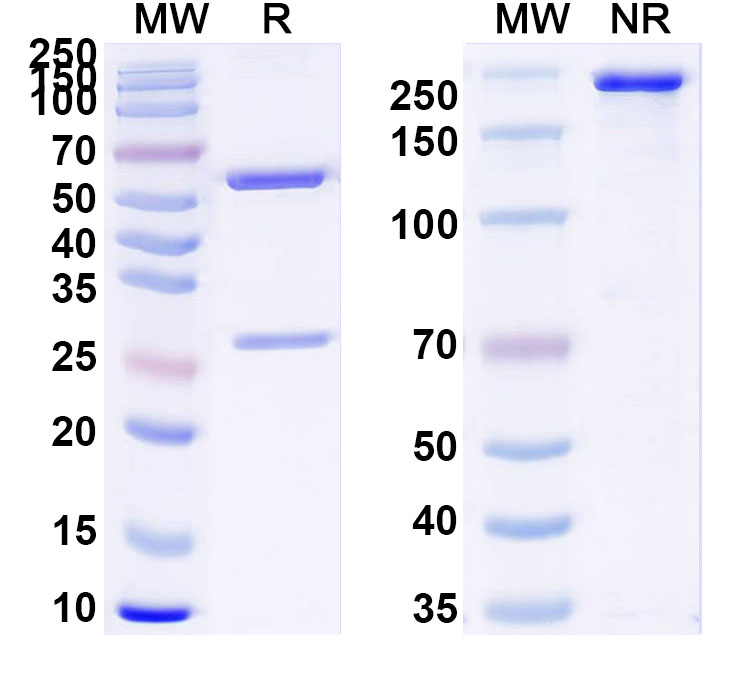
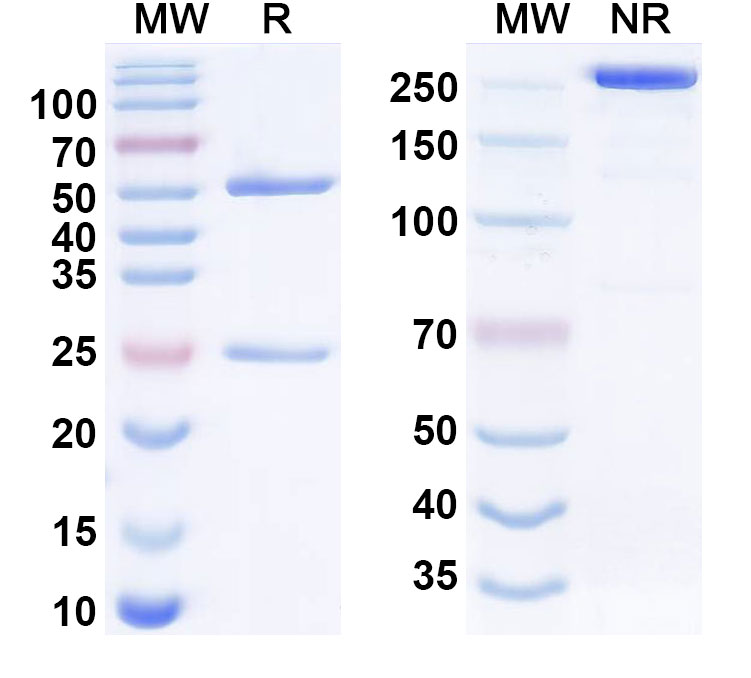
Anti-Human CD23/FCER2 Monoclonal Antibody (1A503) is a type of monoclonal antibody, meaning it is produced from a single clone of cells. This ensures that each antibody is identical and specific to its target, in this case, the CD23 protein. The antibody is composed of two heavy chains and two light chains, connected by disulfide bonds. The variable regions of the antibody, which bind to the CD23 protein, are located at the tips of the “Y” shape.
Activity of Anti-Human CD23/FCER2 Monoclonal Antibody (1A503)
Anti-Human CD23/FCER2 Monoclonal Antibody (1A503) works by binding to the CD23 protein on the surface of immune cells, specifically B cells and macrophages. This binding triggers a series of events that can modulate the activity of these cells. For example, CD23 is known to play a role in the regulation of IgE production, and by binding to CD23, Anti-Human CD23/FCER2 Monoclonal Antibody (1A503) can block this process.
In addition, CD23 is also involved in the activation and differentiation of B cells. By targeting CD23, Anti-Human CD23/FCER2 Monoclonal Antibody (1A503) can affect the function of these cells, potentially leading to changes in the immune response.
Applications of Anti-Human CD23/FCER2 Monoclonal Antibody (1A503)
Anti-Human CD23/FCER2 Monoclonal Antibody (1A503) has a wide range of applications in both research and diagnostics. Some of the key applications include:
1. Immunohistochemistry (IHC)
Anti-Human CD23/FCER2 Monoclonal Antibody (1A503) can be used in IHC to detect the presence and distribution of CD23 in tissue samples. This is particularly useful in identifying B cell lymphomas, as CD23 is highly expressed in these types of cancers.
2. Flow Cytometry
Flow cytometry is a powerful technique used to analyze and sort cells based on their surface markers. Anti-Human CD23/FCER2 Monoclonal Antibody (1A503) can be used in flow cytometry to identify and isolate CD23-expressing cells, providing valuable information about the immune cell population.
3. Neutralization Assays
As mentioned earlier, Anti-Human CD23/FCER2 Monoclonal Antibody (1A503) can block the activity of CD23. This property makes it useful in neutralization assays, where the antibody can be used to inhibit the function of CD23 and study its role in various biological processes.
4. Drug Development
CD23 has been identified as a potential therapeutic target in various diseases, including asthma and autoimmune disorders. Anti-Human CD23/FCER2 Monoclonal Antibody (1A503) can be used in drug development to study the role of CD23 and evaluate the efficacy of potential treatments.
Conclusion
In summary, Anti-Human CD23/FCER2 Monoclonal Antibody (1A

There are no reviews yet.