Introduction
The Anti-Human POU2AF1 Monoclonal Antibody (1A543) is a highly specific and sensitive tool used in scientific research for the detection and analysis of POU2AF1 protein. This antibody is a monoclonal antibody, meaning it is produced by a single clone of cells and therefore has a high level of consistency and reliability in its performance. In this article, we will discuss the structure, activity, and application of this antibody in detail.
Structure of Anti-Human POU2AF1 Monoclonal Antibody (1A543)
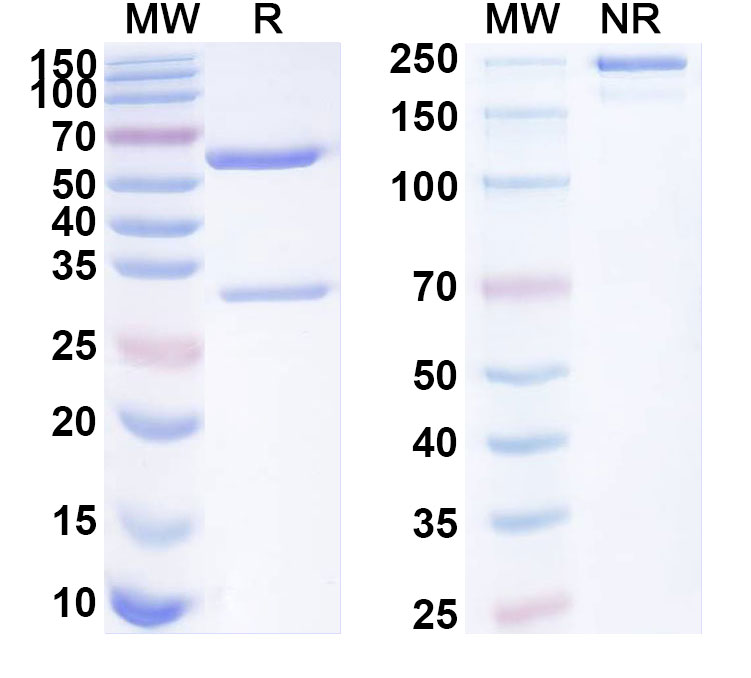
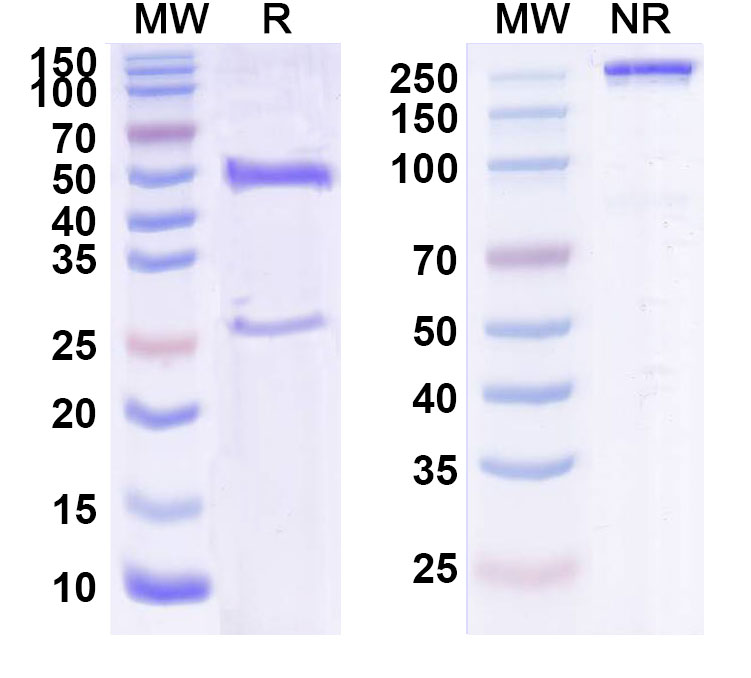
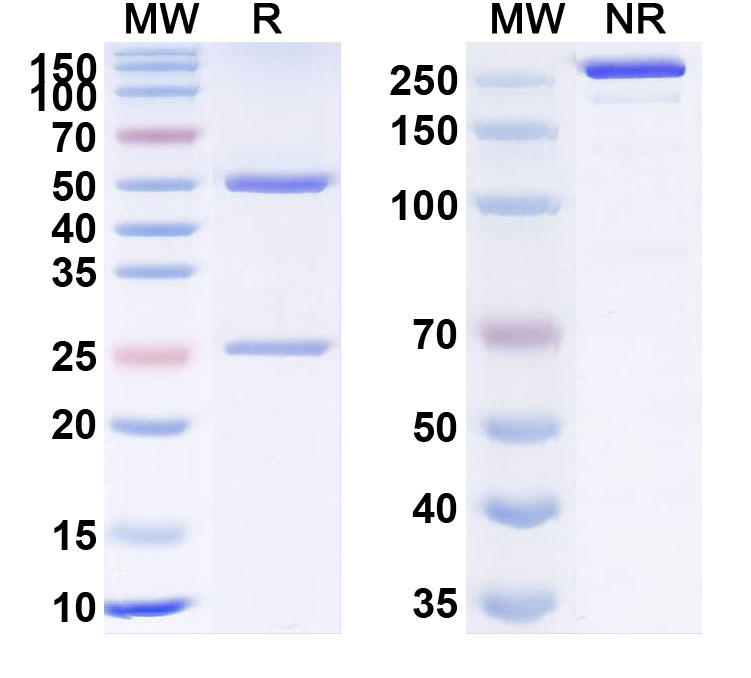
The Anti-Human POU2AF1 Monoclonal Antibody (1A543) is a mouse monoclonal antibody that specifically binds to the POU2AF1 protein. It is composed of two heavy chains and two light chains, each with a variable region that recognizes a specific epitope on the POU2AF1 protein. The variable regions are connected to constant regions, which determine the antibody’s class and function. The heavy chains are further divided into constant and variable regions, with the variable region being responsible for antigen recognition. The light chains also have constant and variable regions, with the variable region assisting in antigen binding.
Activity of Anti-Human POU2AF1 Monoclonal Antibody (1A543)
The primary activity of the Anti-Human POU2AF1 Monoclonal Antibody (1A543) is its ability to specifically bind to the POU2AF1 protein. This binding occurs through the variable regions of the antibody, which recognize and bind to specific epitopes on the POU2AF1 protein. This binding is highly specific, meaning the antibody will only bind to POU2AF1 and not other proteins, making it a valuable tool for detecting and studying this protein.
In addition to its binding activity, the Anti-Human POU2AF1 Monoclonal Antibody (1A543) also has other functional properties. It can be used in various techniques such as Western blotting, immunohistochemistry, and flow cytometry. In Western blotting, the antibody is used to detect the presence of POU2AF1 protein in a sample, while in immunohistochemistry, it can be used to visualize the distribution of POU2AF1 in tissue samples. Flow cytometry, on the other hand, allows for the quantification of POU2AF1 protein levels in cells.
Applications of Anti-Human POU2AF1 Monoclonal Antibody (1A543)
The Anti-Human POU2AF1 Monoclonal Antibody (1A543) has a wide range of applications in scientific research. One of the primary applications is in the study of POU2AF1 protein and its role in various cellular processes. POU2AF1 is a transcription factor that plays a crucial role in B-cell development and activation. By using this antibody, researchers can better understand the function of POU2AF1 and its involvement in diseases such as leukemia and lymphoma.
Furthermore, the Anti-Human POU2AF1 Monoclonal Antibody (1A543) can also be used in diagnostic applications. As POU2AF1 is involved in various diseases, such as autoimmune disorders and cancer, this antibody can be used to detect and monitor the levels of POU2AF1 in patient samples. This can aid in the early detection and treatment of these diseases.
In addition, this antibody can also be used in drug discovery and development. By understanding the role of POU2AF1 in disease, researchers can target this protein for therapeutic interventions. The Anti-Human POU2AF1 Monoclonal Antibody (1A543) can be used to screen potential drug candidates that can modulate the activity of POU2AF1.
Conclusion
In summary, the Anti-Human POU2AF1 Monoclonal Antibody (1A543) is a valuable tool in

There are no reviews yet.