Tegoprubart Biosimilar: An Innovative Antibody Targeting sCD40L
Tegoprubart Biosimilar is a novel antibody that targets soluble CD40 ligand (sCD40L), a key protein involved in immune response and inflammatory processes. This research grade antibody is a biosimilar of the clinically approved anti-sCD40L monoclonal antibody (mAb) and offers a promising therapeutic option for various diseases.
Structure of Tegoprubart Biosimilar
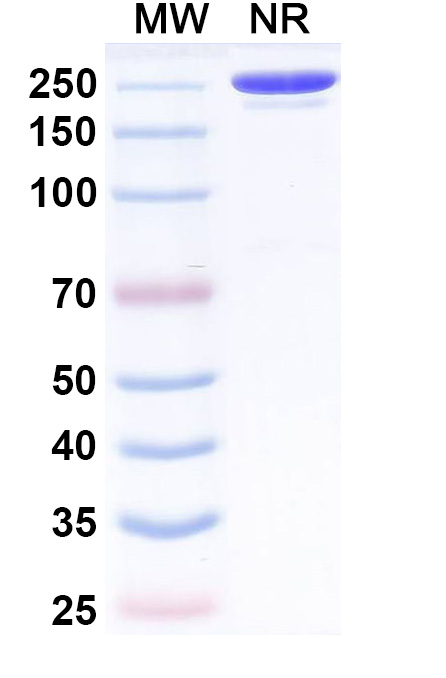
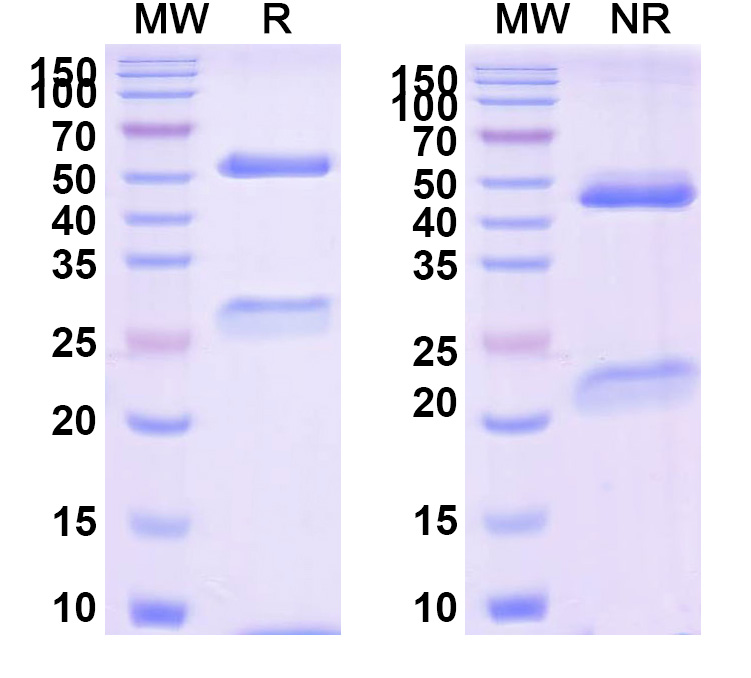
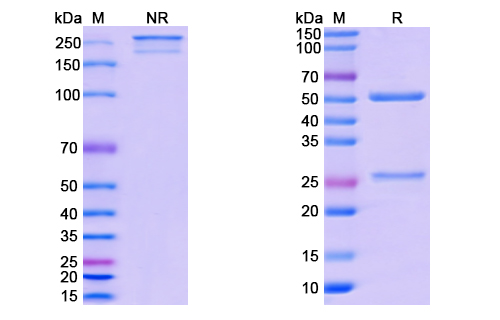
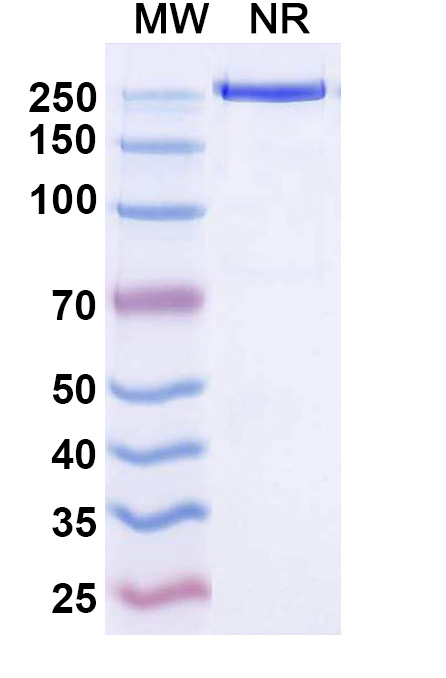
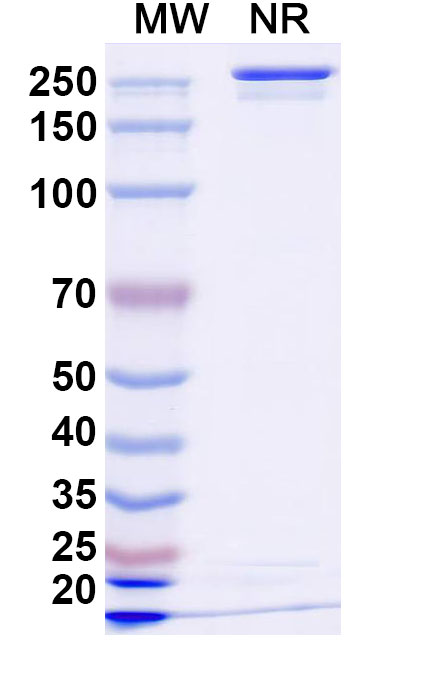
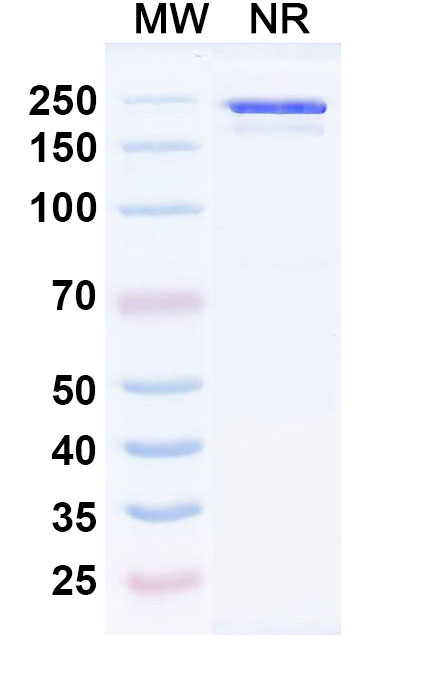
Tegoprubart Biosimilar is a fully humanized IgG1 monoclonal antibody with a molecular weight of approximately 150 kDa. It consists of two identical heavy chains and two identical light chains, each containing a variable region and a constant region. The variable region of the antibody is responsible for binding to the target protein, sCD40L, while the constant region mediates effector functions such as complement activation and antibody-dependent cellular cytotoxicity (ADCC).
The amino acid sequence of Tegoprubart Biosimilar is highly similar to the approved anti-sCD40L mAb, ensuring its specificity and efficacy in targeting sCD40L. The antibody is produced using recombinant DNA technology in mammalian cells, ensuring high purity and consistency.
Mechanism of Action
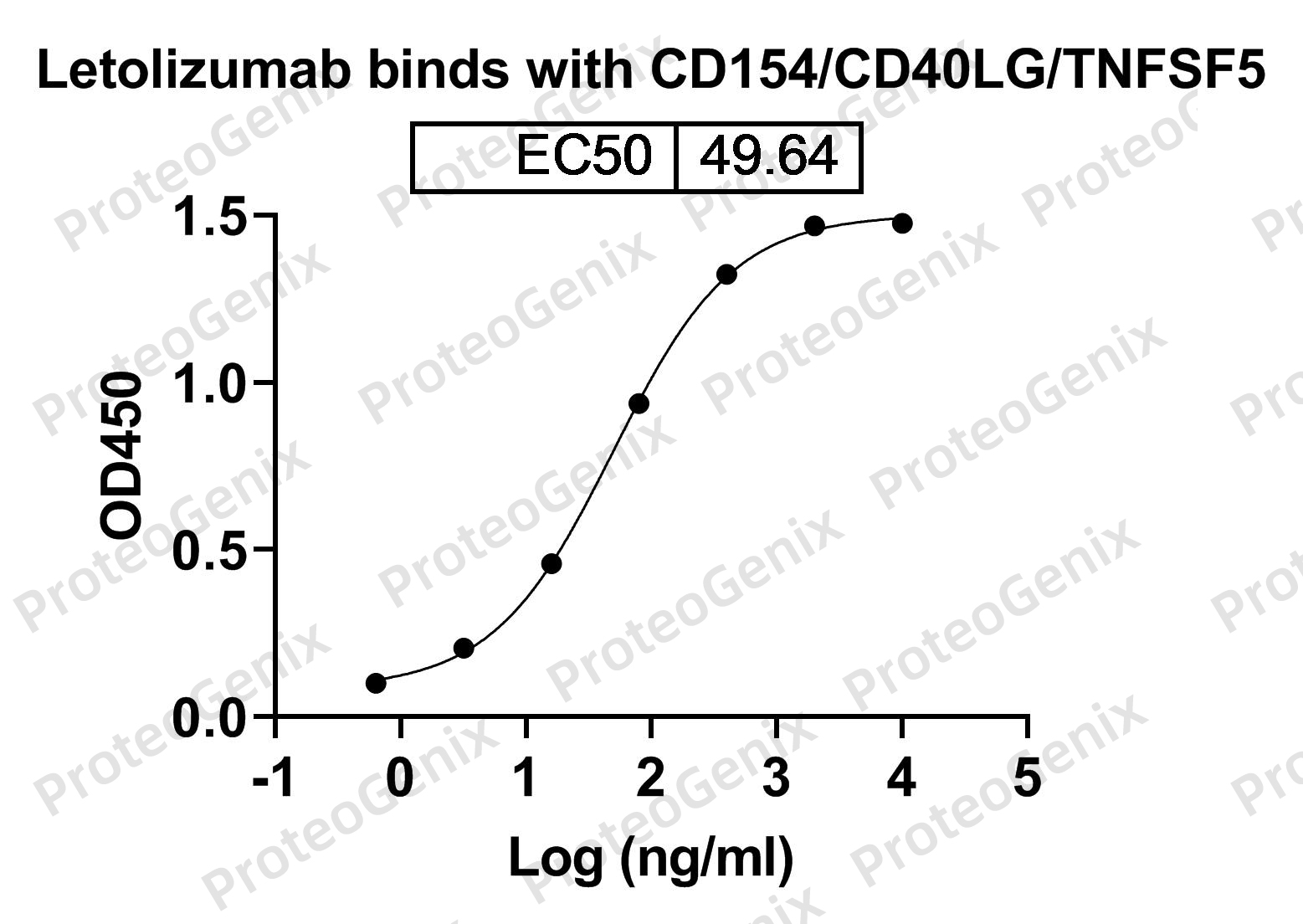
Tegoprubart Biosimilar binds to sCD40L with high affinity and specificity, inhibiting its interaction with CD40 on immune cells. CD40-CD40L interaction is essential for the activation of immune cells, including B cells, T cells, and dendritic cells, leading to the production of pro-inflammatory cytokines and recruitment of immune cells to the site of inflammation.
By blocking this interaction, Tegoprubart Biosimilar can modulate the immune response and reduce inflammation. Additionally, the antibody can induce the internalization and degradation of sCD40L, further reducing its levels in the circulation.
Applications of Tegoprubart Biosimilar
Tegoprubart Biosimilar has shown promising results in preclinical studies for various inflammatory and autoimmune diseases, including systemic lupus erythematosus, rheumatoid arthritis, and multiple sclerosis. In a phase II clinical trial, the approved anti-sCD40L mAb showed significant efficacy in reducing disease activity in patients with systemic lupus erythematosus.
Furthermore, Tegoprubart Biosimilar has the potential to be used in organ transplantation to prevent graft rejection. sCD40L has been implicated in acute and chronic rejection of transplanted organs, and targeting it with Tegoprubart Biosimilar can potentially improve transplant outcomes.
Advantages of Tegoprubart Biosimilar
The biosimilar nature of Tegoprubart Biosimilar offers several advantages over the original anti-sCD40L mAb. It is produced using advanced biotechnology methods, ensuring high purity and consistency, and can be produced in large quantities to meet the growing demand for this therapeutic target.
Moreover, being a biosimilar, Tegoprubart Biosimilar is expected to have a lower cost compared to the original anti-sCD40L mAb, making it more accessible to patients. The biosimilar also has a comparable safety and efficacy profile to the approved mAb, making it a viable alternative for patients.
Conclusion
Tegoprubart Biosimilar is a promising therapeutic option for various inflammatory and autoimmune diseases, targeting the key protein sCD40L. Its biosimilar nature, high specificity, and efficacy make it a valuable addition to the treatment armamentarium. Further clinical trials are needed to establish its safety and efficacy in different disease conditions, but the initial results are encouraging. With the increasing prevalence of inflammatory diseases, Tegoprubart Biosimilar has the potential to improve the lives of many patients worldwide.
There are no reviews yet.