Adebrelimab Biosimilar: A Revolutionary Anti-PDL1 mAb for Targeted Therapy
In recent years, there has been a significant increase in the development and use of monoclonal antibodies (mAbs) as therapeutic agents for various diseases. Among these, Adebrelimab Biosimilar, also known as Anti-PDL1 mAb, has emerged as a promising treatment option for a wide range of cancers and autoimmune disorders. This biosimilar is a highly specific and potent antibody that targets the programmed cell death ligand 1 (PDL1) and has shown great potential in improving patient outcomes. In this article, we will explore the structure, activity, and applications of Adebrelimab Biosimilar in detail.
Structure of Adebrelimab Biosimilar
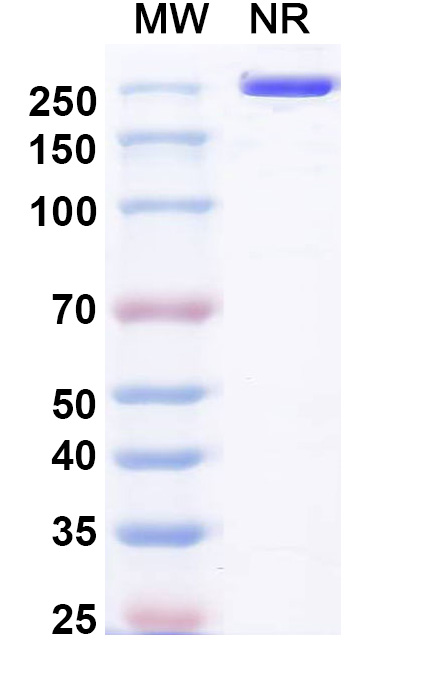
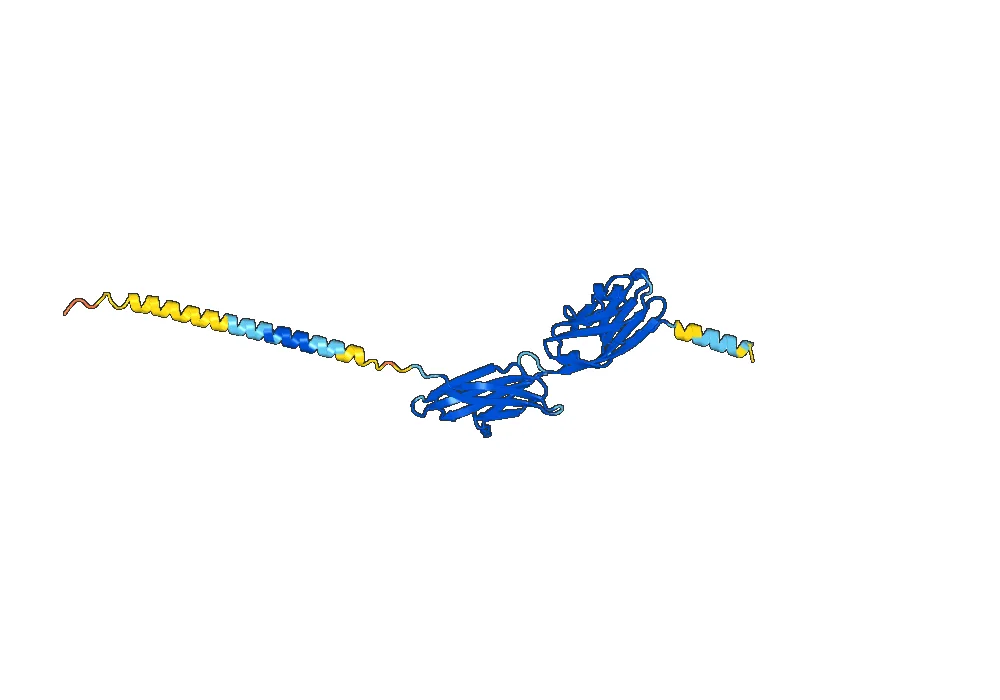
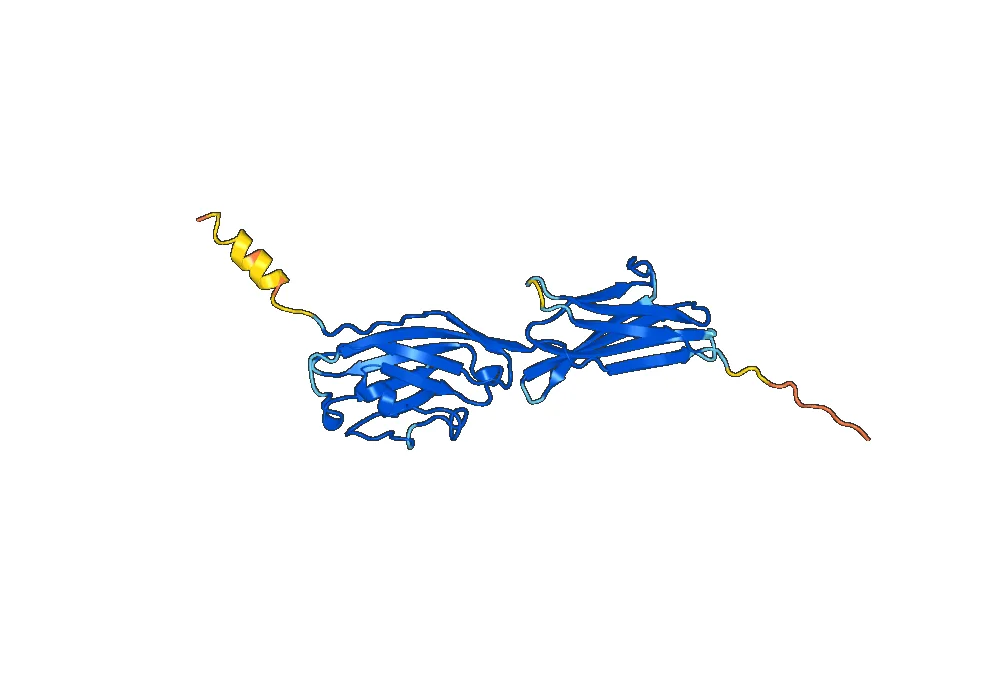
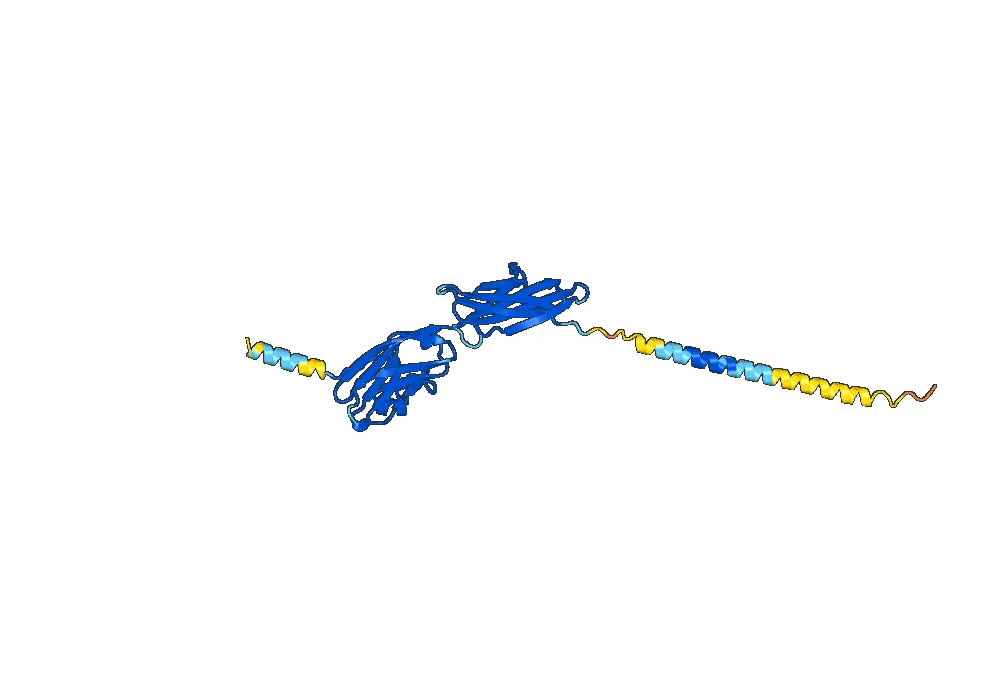
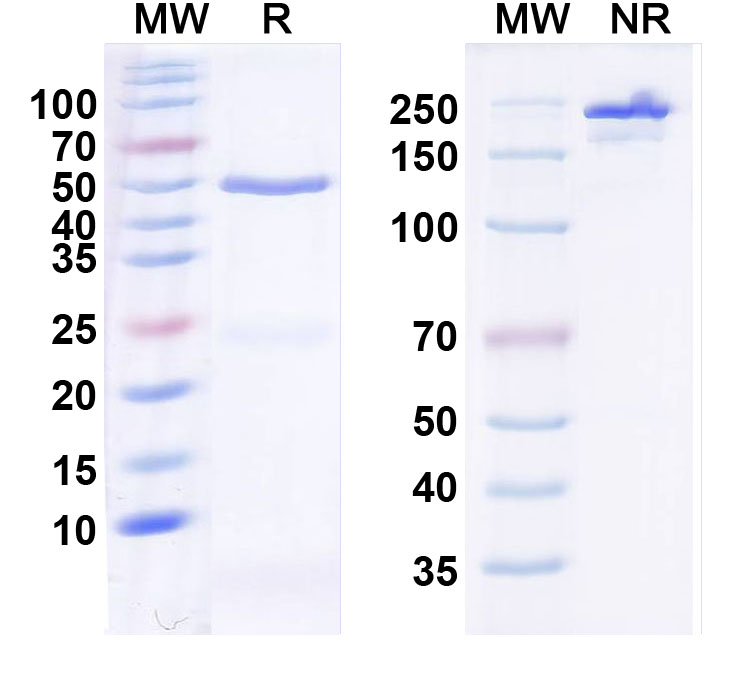
Adebrelimab Biosimilar is a recombinant humanized IgG1 monoclonal antibody that is produced using advanced biotechnology techniques. It is a biosimilar of the original mAb, Atezolizumab, which was approved by the FDA in 2016. The biosimilar has a similar structure and function to the original mAb, but is produced by a different manufacturer. The antibody consists of two heavy chains and two light chains, each containing a variable and constant region. The variable regions are responsible for binding to the PDL1 protein, while the constant regions determine the antibody’s effector functions.
Mechanism of Action
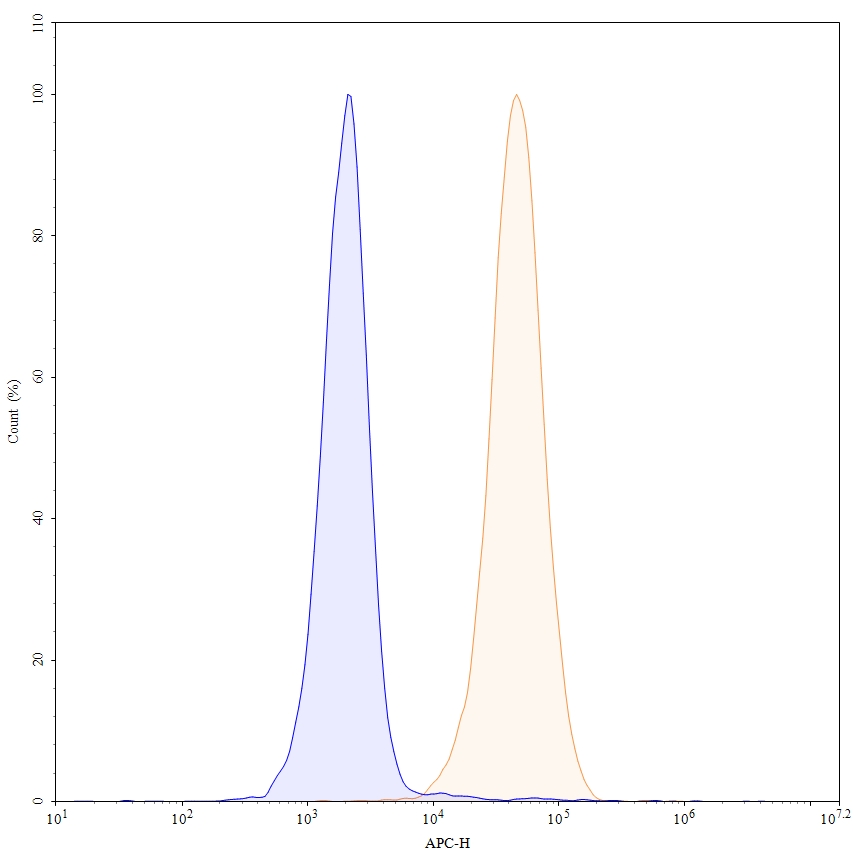
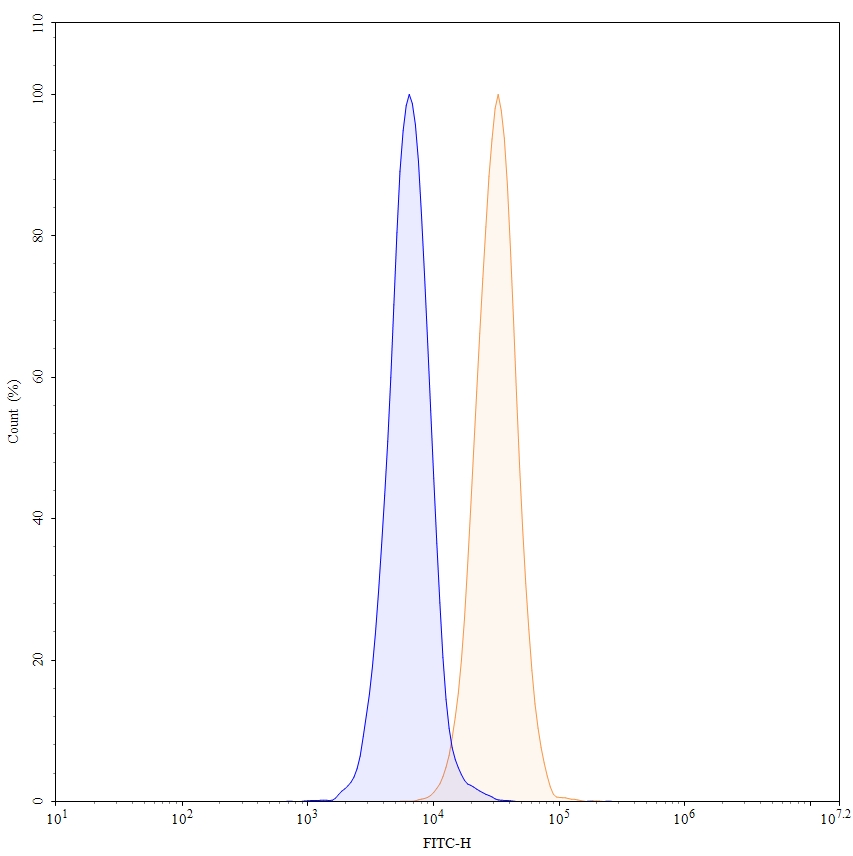
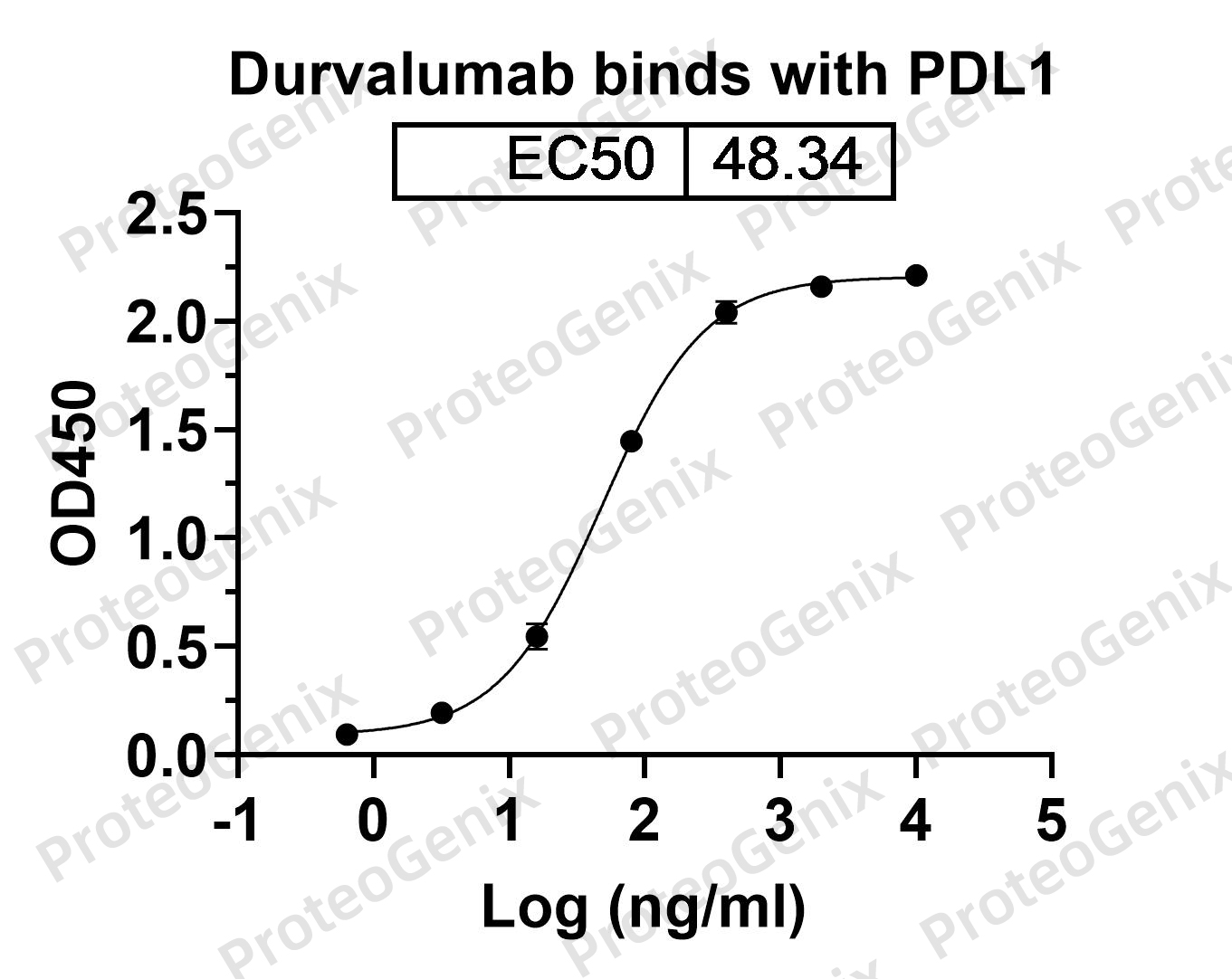
Adebrelimab Biosimilar exerts its therapeutic effects by targeting PDL1, a protein found on the surface of cancer cells and immune cells. PDL1 plays a crucial role in suppressing the immune response and allowing cancer cells to evade detection by the immune system. Adebrelimab Biosimilar binds to PDL1 and blocks its interaction with the programmed cell death protein 1 (PD1) receptor on immune cells. This prevents the cancer cells from evading the immune response and allows the immune system to recognize and attack them.
Moreover, Adebrelimab Biosimilar also has other effector functions, such as antibody-dependent cellular cytotoxicity (ADCC) and complement-dependent cytotoxicity (CDC), which contribute to its anti-tumor activity. ADCC involves the recruitment of immune cells to attack cancer cells, while CDC leads to the destruction of cancer cells by forming pores in their membrane.
Applications of Adebrelimab Biosimilar
Adebrelimab Biosimilar has shown promising results in clinical trials for various types of cancer, including lung cancer, bladder cancer, and breast cancer. It has also been approved for the treatment of certain types of advanced or metastatic cancers, such as non-small cell lung cancer and urothelial carcinoma. In addition to its anti-tumor activity, Adebrelimab Biosimilar has also shown efficacy in treating autoimmune disorders, such as rheumatoid arthritis and multiple sclerosis.
Furthermore, Adebrelimab Biosimilar has also been used in combination with other cancer treatments, such as chemotherapy and radiation therapy, to enhance their effectiveness. This combination therapy has shown promising results in improving patient outcomes and reducing the risk of disease recurrence.
Research Grade Adebrelimab Biosimilar
In addition to its use as a therapeutic agent, Adebrelimab Biosimilar is also available in a research grade form for scientific studies and research purposes. This research grade antibody is produced using the same manufacturing process as the therapeutic grade, ensuring high quality and consistency. It can be used in various in vitro and in vivo studies to further understand its mechanism of action and potential applications.
Conclusion
Adebrelimab Biosimilar, also known as Anti-PDL1 mAb, is a highly specific and potent antibody that has shown great promise in the treatment of various cancers and autoimmune disorders. Its unique mechanism of action, along with its multiple effector functions, make it a valuable addition to the arsenal of
There are no reviews yet.