Introduction
Sugemalimab is a biosimilar of the anti-PDL1 monoclonal antibody (mAb) that has been developed as a potential immunotherapy for various types of cancer. This article will provide a scientific description of Sugemalimab in terms of its structure, activity, and potential applications.
Structure of Sugemalimab
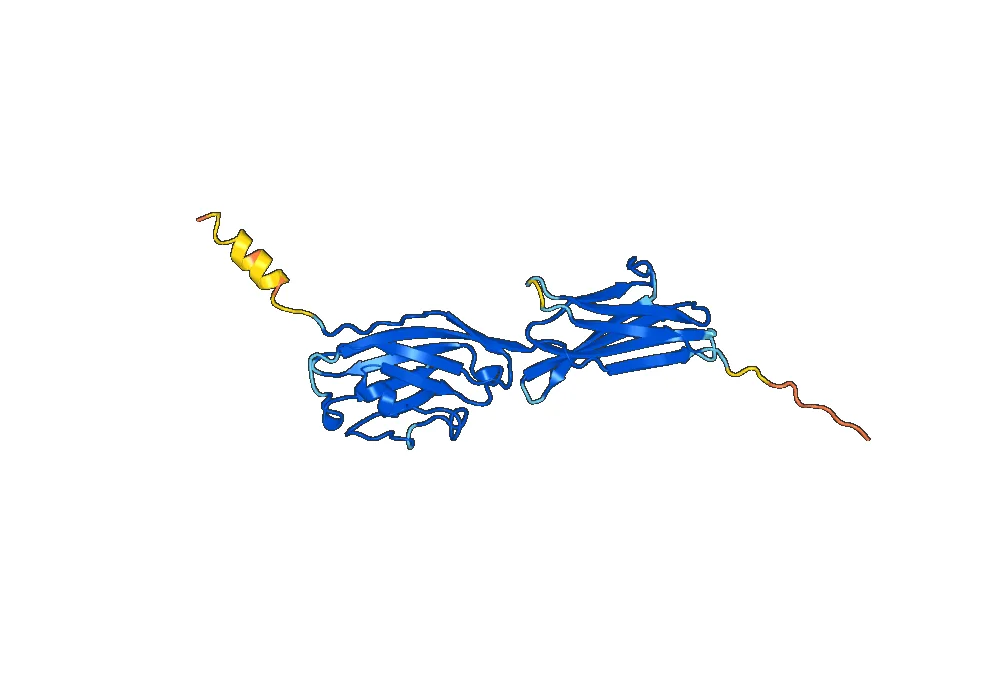
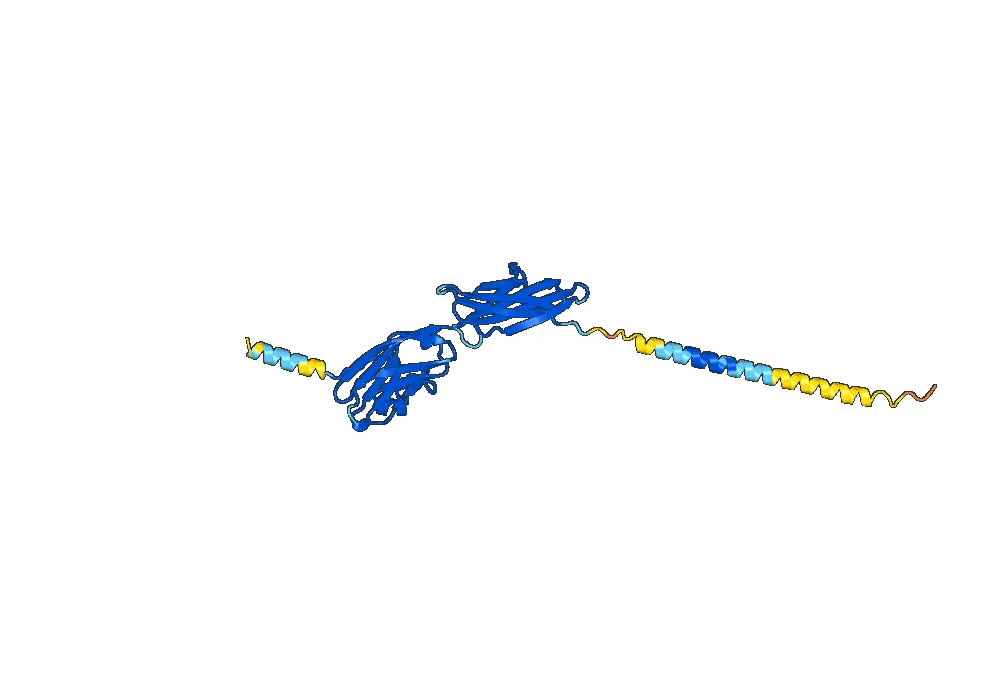
Sugemalimab is a recombinant humanized IgG4 monoclonal antibody that targets the programmed death-ligand 1 (PDL1) protein. It is composed of two heavy chains and two light chains, each containing a variable region and a constant region. The variable region is responsible for binding to PDL1, while the constant region is responsible for effector functions such as antibody-dependent cell-mediated cytotoxicity (ADCC) and complement-dependent cytotoxicity (CDC).
Activity of Sugemalimab
The main mechanism of action of Sugemalimab is the blockade of the PDL1 protein. PDL1 is a cell surface protein that is expressed on cancer cells and immune cells. It interacts with the programmed cell death protein 1 (PD1) on T cells, leading to the suppression of the immune response and allowing cancer cells to evade detection and destruction. By binding to PDL1, Sugemalimab prevents this interaction, thereby enhancing the anti-tumor immune response.
In addition to PDL1 blockade, Sugemalimab also has the potential to induce ADCC and CDC. This means that the antibody can recruit immune cells and complement proteins to directly kill cancer cells, further enhancing its anti-tumor activity.
Applications of Sugemalimab
Sugemalimab is being investigated as a potential treatment for a variety of cancers, including non-small cell lung cancer, melanoma, and bladder cancer. It is also being studied in combination with other anti- cancer therapies, such as chemotherapy and other immunotherapies.
In clinical trials, Sugemalimab has shown promising results in terms of both efficacy and safety. In a phase 1 trial for advanced solid tumors, Sugemalimab demonstrated a manageable safety profile and encouraging anti-tumor activity, with some patients experiencing partial or complete responses. In a phase 2 trial for advanced non-small cell lung cancer, Sugemalimab showed promising efficacy and safety, with a manageable adverse event profile.
Conclusion
Sugemalimab is a biosimilar of the anti-PDL1 monoclonal antibody that has shown promising results in clinical trials for various types of cancer. Its structure, activity, and potential applications make it a promising immunotherapy for improving patient outcomes. Further research and clinical trials are needed to fully understand the potential of Sugemalimab as a therapeutic agent for cancer treatment.


There are no reviews yet.