Introduction
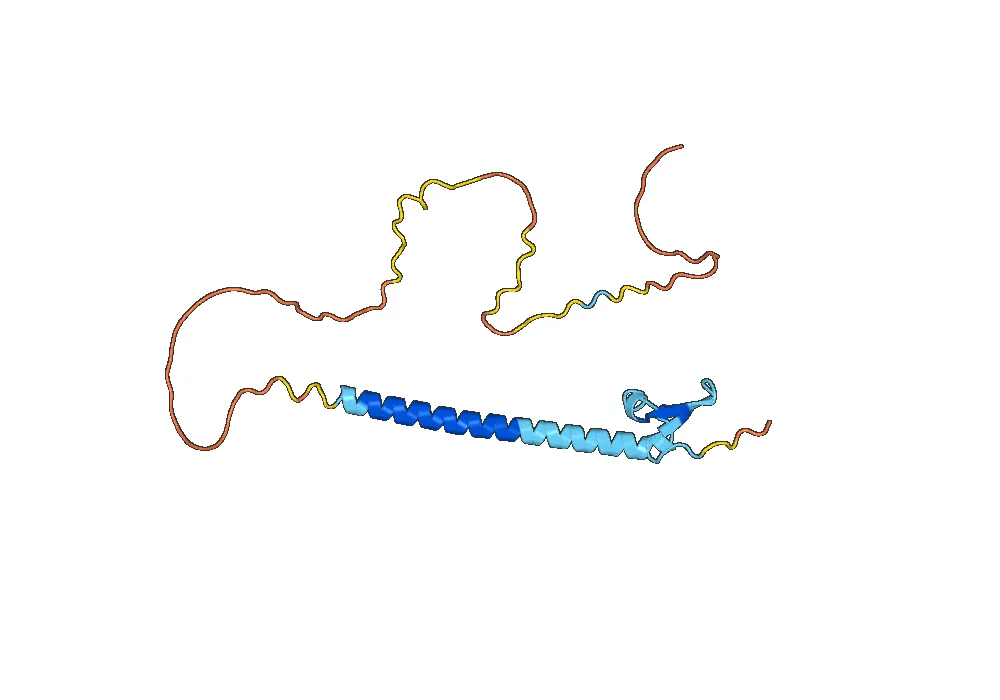
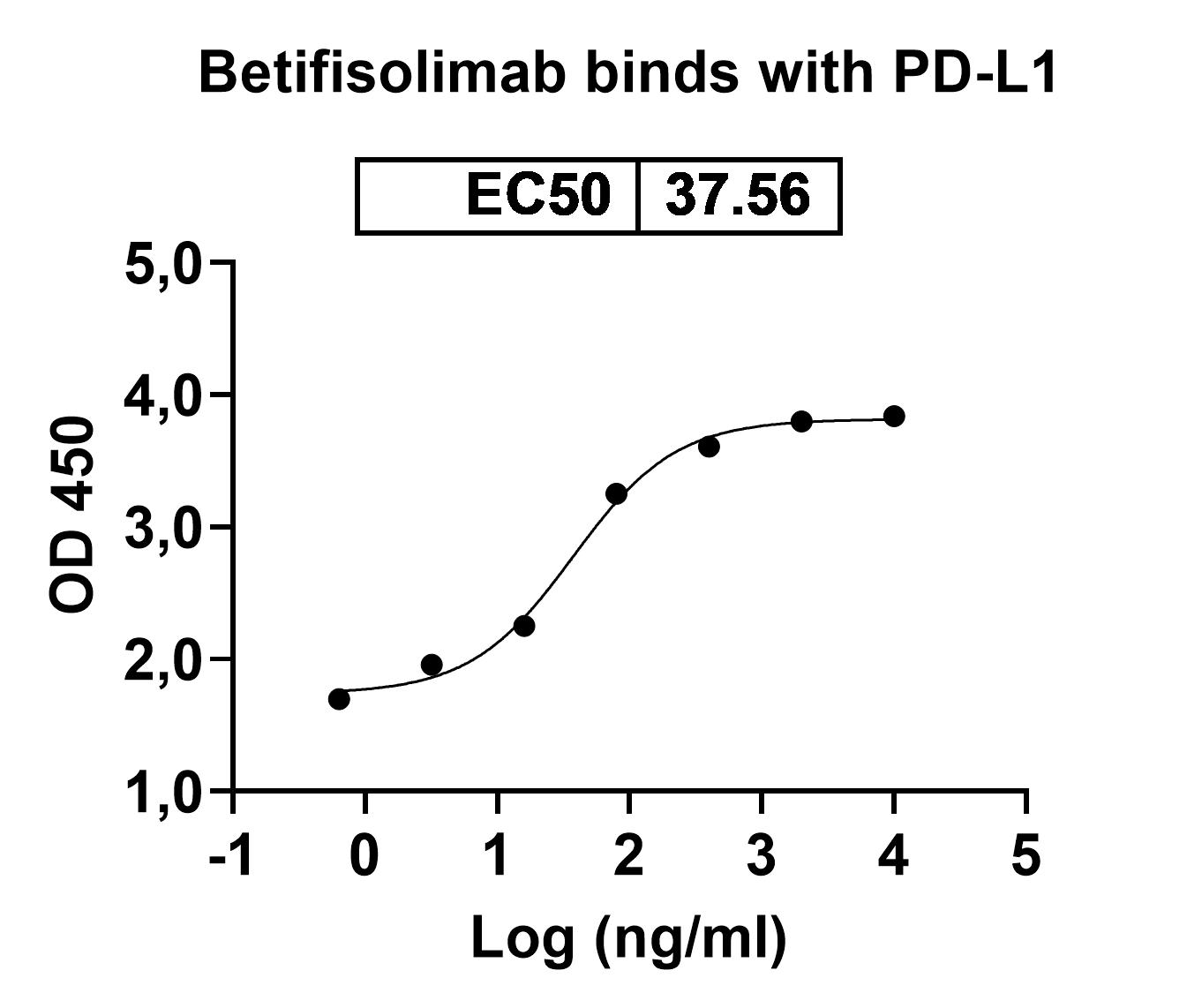
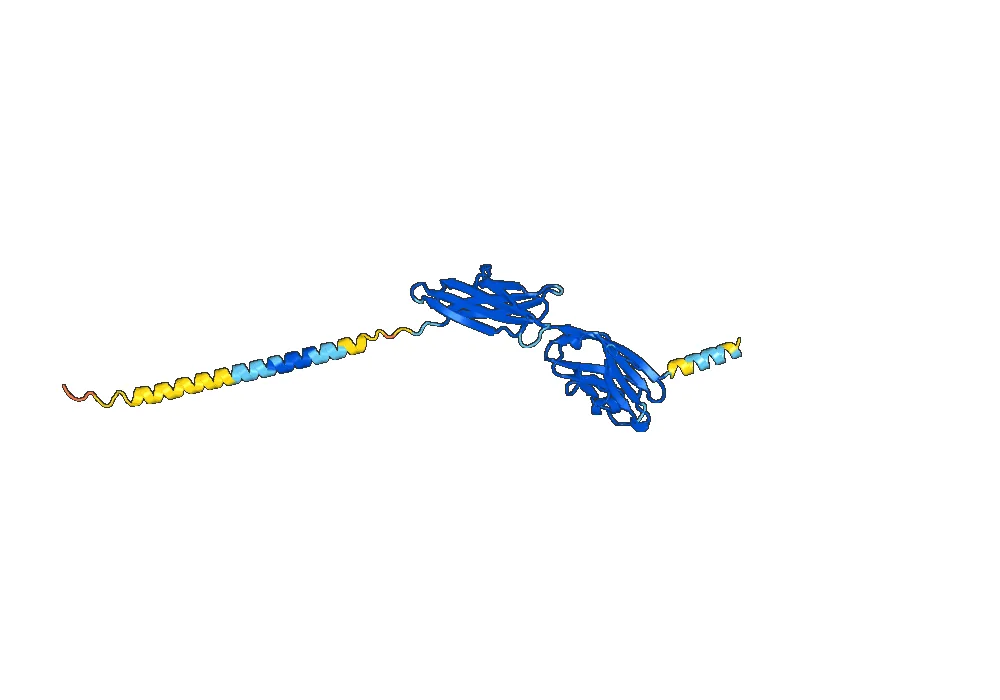
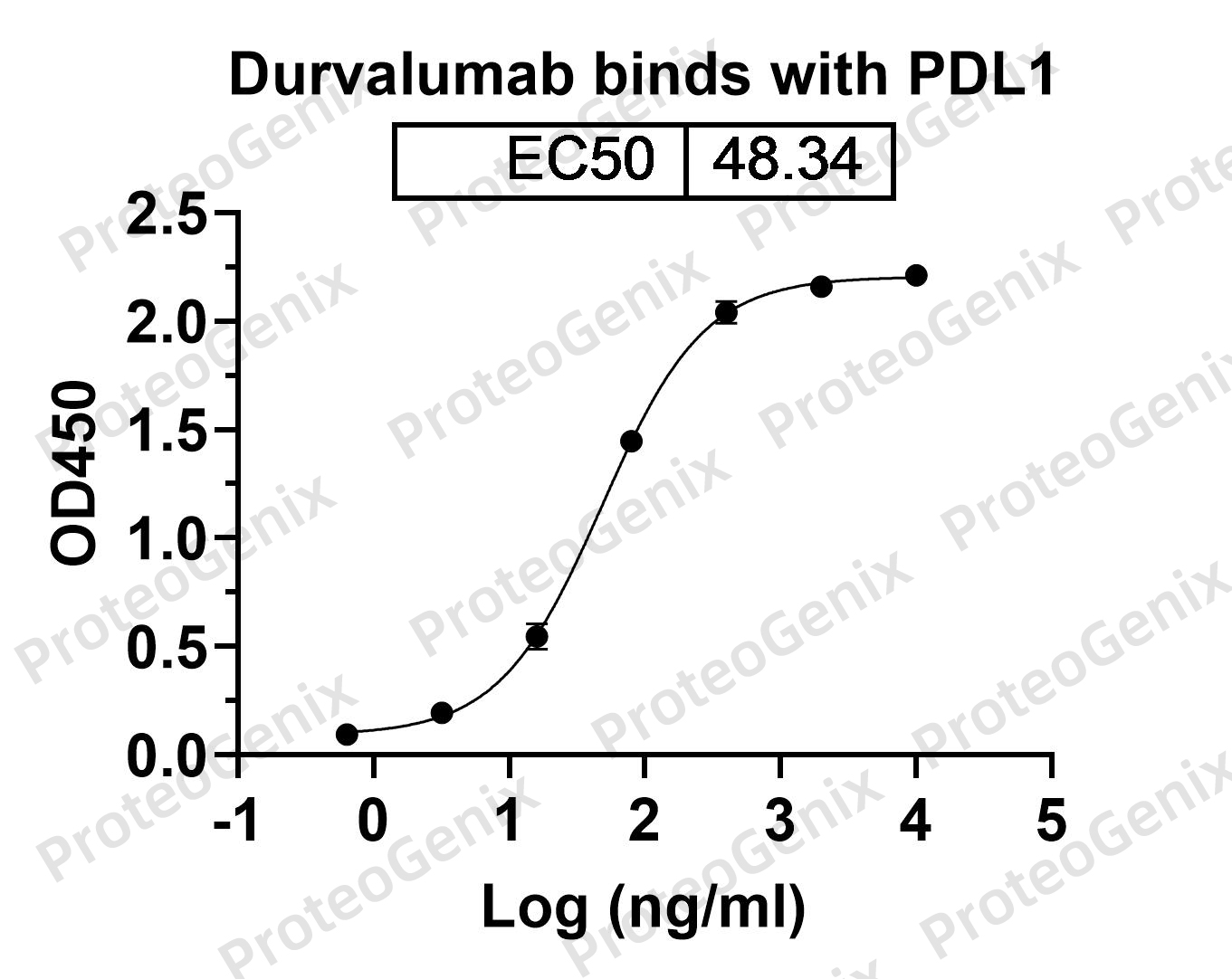
Betifisolimab Biosimilar, also known as Anti-CD274 mAb, is a monoclonal antibody that has been developed as a biosimilar to the therapeutic antibody, Nivolumab. It specifically targets the protein CD274, also known as programmed death-ligand 1 (PD-L1), which is a key immune checkpoint in the regulation of the immune response. Betifisolimab Biosimilar is a promising therapeutic agent that has shown potential in the treatment of various cancers and other immune-related diseases.
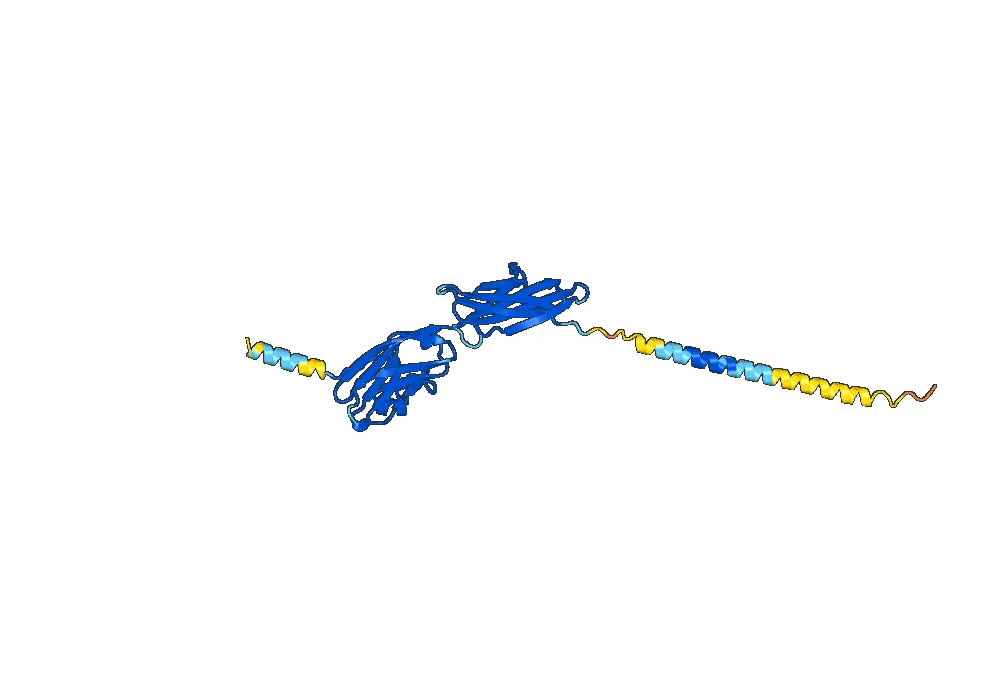
Structure of Betifisolimab Biosimilar
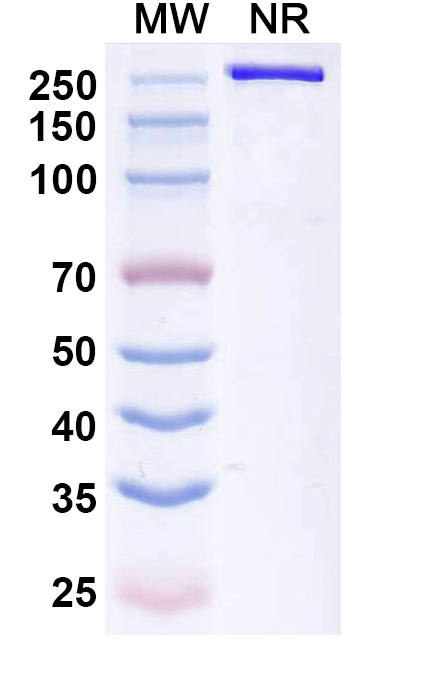
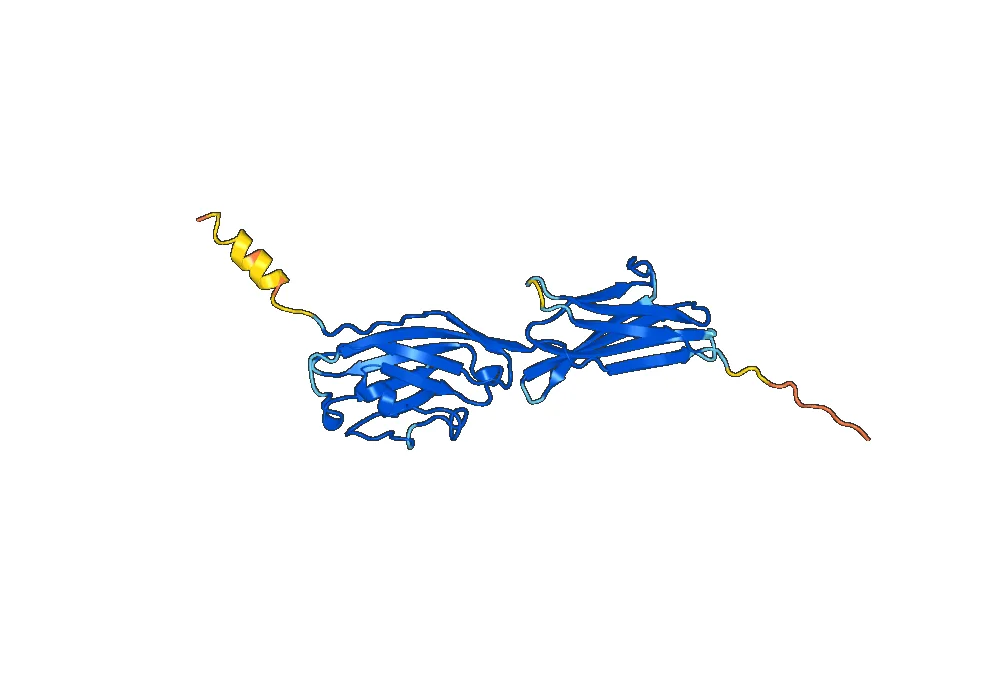
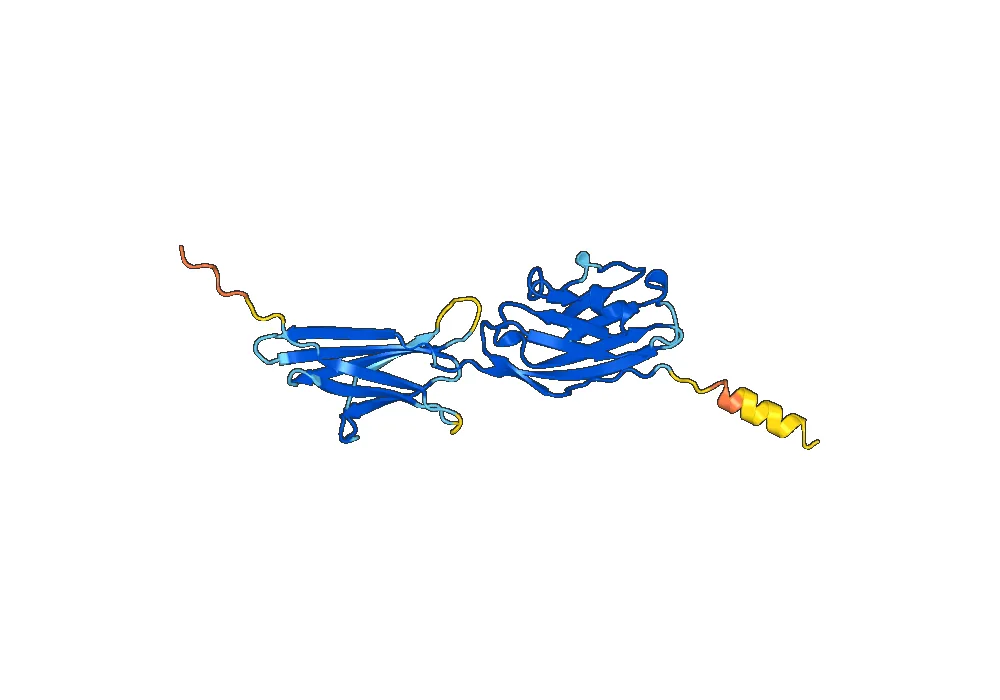
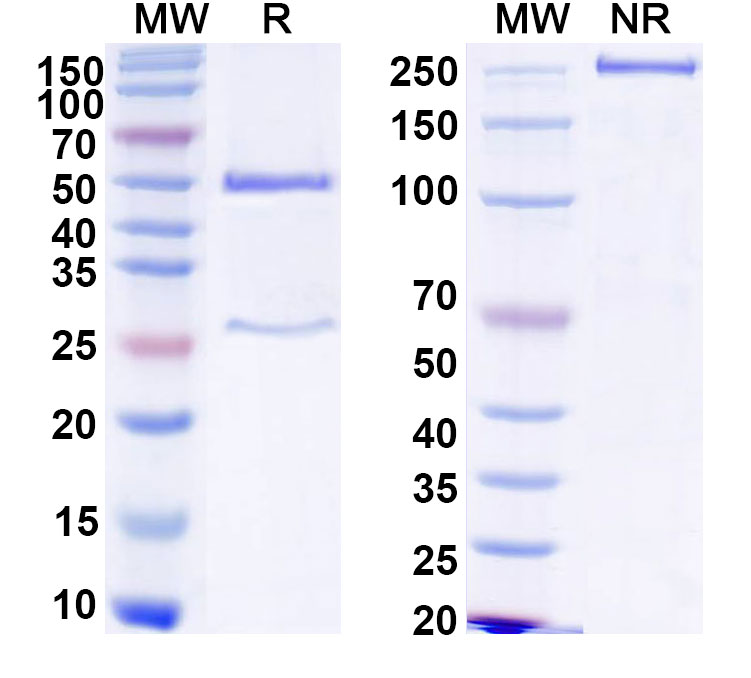
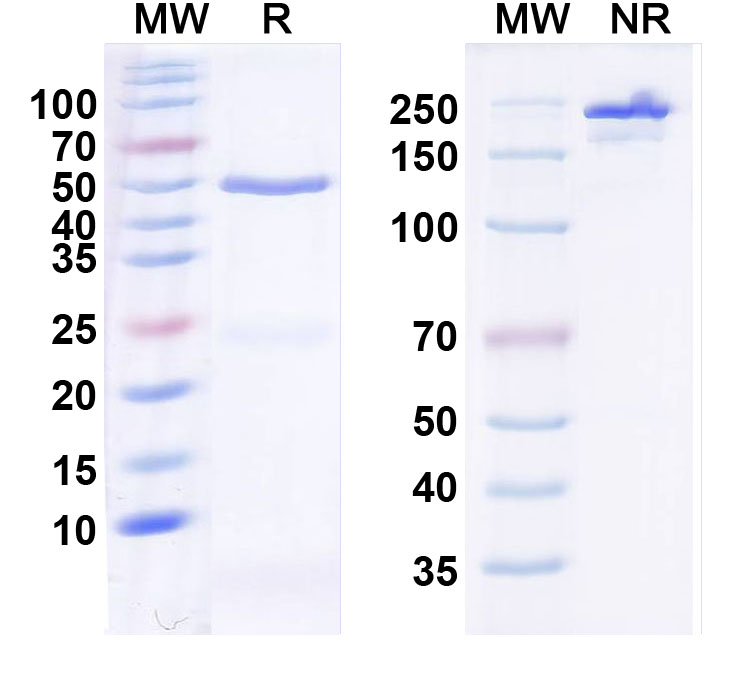
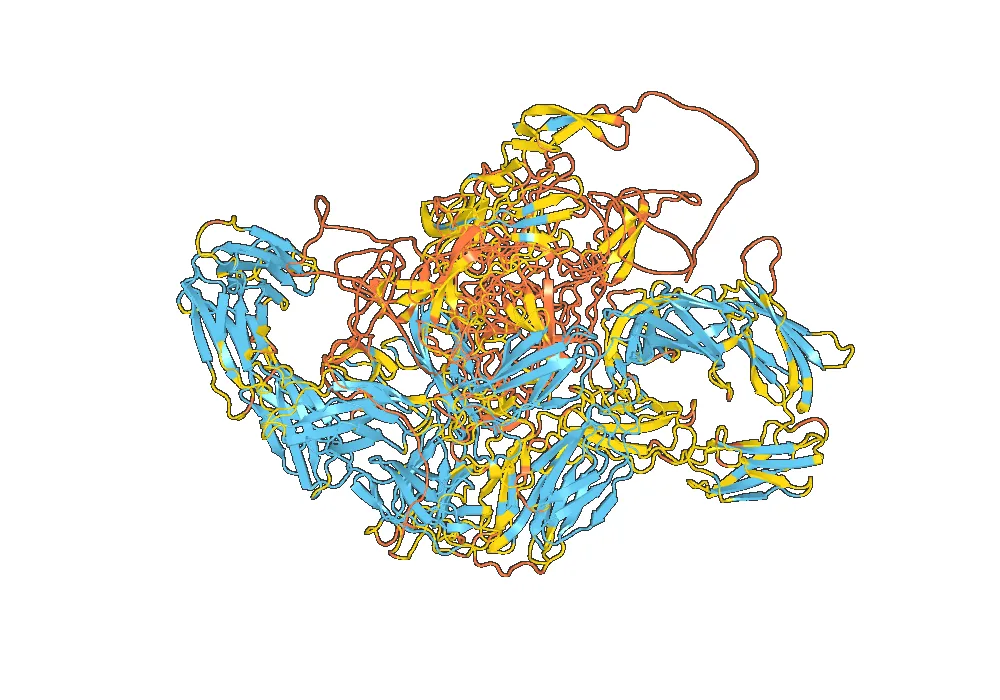
Betifisolimab Biosimilar is a fully humanized monoclonal antibody, meaning that it is derived from human cells and has a high affinity for its target, CD274. The antibody has a molecular weight of approximately 150 kDa and is composed of two heavy chains and two light chains. The heavy chains are made up of four constant regions (CH1, CH2, CH3, and CH4) and one variable region (VH), while the light chains consist of one constant region (CL) and one variable region (VL). These regions are responsible for the specific binding of the antibody to its target.
Mechanism of Action
Betifisolimab Biosimilar works by binding to CD274 on the surface of tumor cells or immune cells. This interaction blocks the binding of PD-L1 to its receptor, programmed cell death protein 1 (PD-1), on T cells. This prevents the inhibition of T cell activation and allows for a stronger immune response against cancer cells. Additionally, the binding of Betifisolimab Biosimilar to CD274 can also lead to the destruction of tumor cells through antibody-dependent cell-mediated cytotoxicity (ADCC) and complement-dependent cytotoxicity (CDC).
Applications of Betifisolimab Biosimilar
Betifisolimab Biosimilar has shown promising results in preclinical and clinical studies for the treatment of various cancers, including melanoma, non-small cell lung cancer, and renal cell carcinoma. It has also been investigated for its potential in treating other immune-related diseases such as rheumatoid arthritis, inflammatory bowel disease, and multiple sclerosis.
1.
Cancer Treatment
Betifisolimab Biosimilar has been shown to have significant anti-tumor activity in various cancer types. In a phase III clinical trial, it was found to be more effective than chemotherapy in treating advanced melanoma, with a higher response rate and longer progression-free survival. It has also shown promising results in other types of cancer, including non-small cell lung cancer and renal cell carcinoma.
2. Combination Therapy
Betifisolimab Biosimilar has also been investigated in combination with other
cancer therapies, such as chemotherapy and other immune checkpoint inhibitors. Studies have shown that this combination can lead to improved response rates and longer survival in patients with advanced cancer.
3. Immune-related Diseases The role of CD274 in regulating the immune response makes Betifisolimab Biosimilar a potential treatment for other immune-related diseases. It has shown promising results in preclinical studies for the treatment of rheumatoid arthritis, inflammatory bowel disease, and multiple sclerosis.
Conclusion
In summary, Betifisolimab Biosimilar is a promising therapeutic agent with a specific target, CD274, which plays a crucial role in regulating the immune response. Its mechanism of action and potential applications in cancer treatment and other immune-related diseases make it an attractive candidate for further research and development. With ongoing clinical trials, Betifisolimab Biosimilar has the potential to improve the treatment outcomes for patients with various types of cancer and other immune-related diseases.
There are no reviews yet.