Introduction
Benmelstobart Biosimilar – Anti-B7-H1 mAb – Research Grade is a monoclonal antibody (mAb) developed as a biosimilar to the original Benmelstobart antibody. This biosimilar is designed to target the B7-H1 protein, which has been identified as a therapeutic target for various diseases. In this article, we will discuss the structure, activity, and applications of this biosimilar in scientific terms.
Structure of Benmelstobart Biosimilar – Anti-B7-H1 mAb
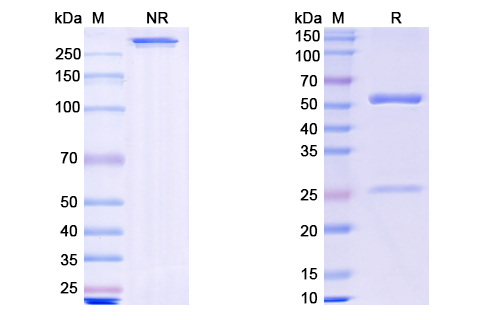
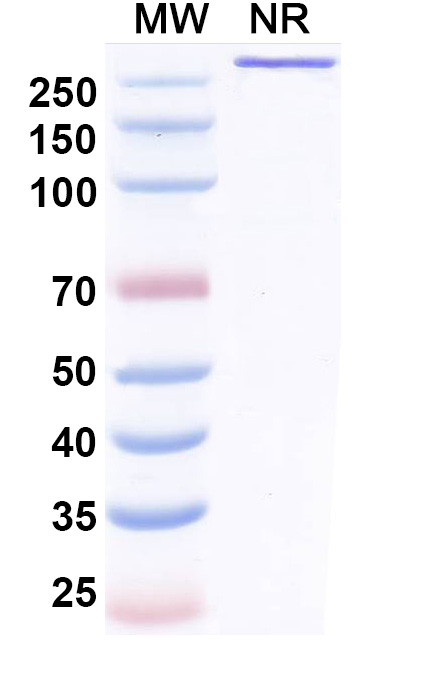
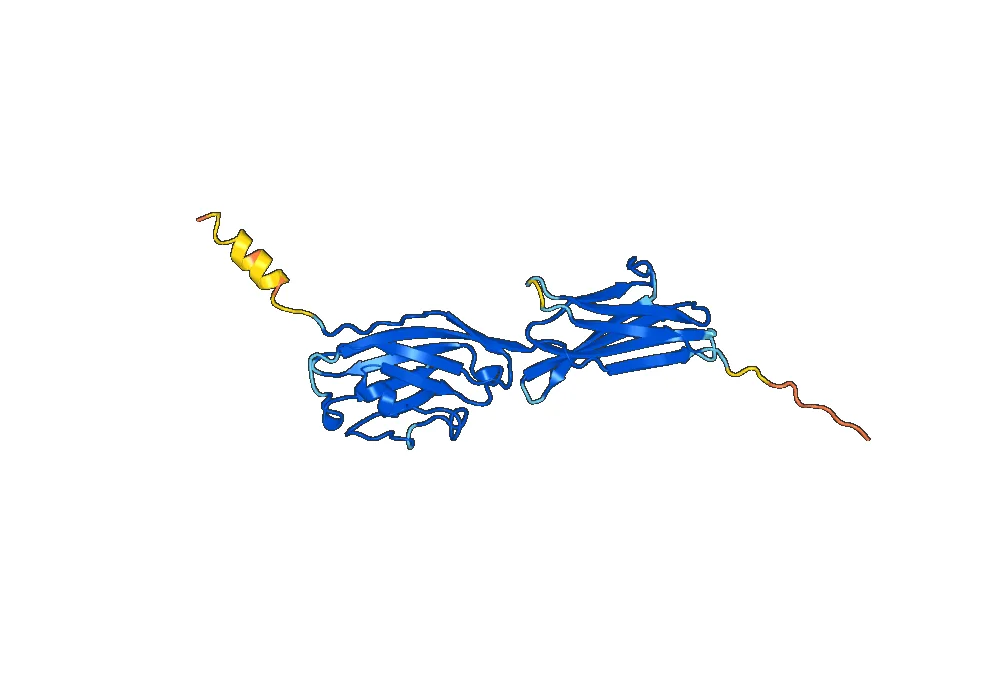
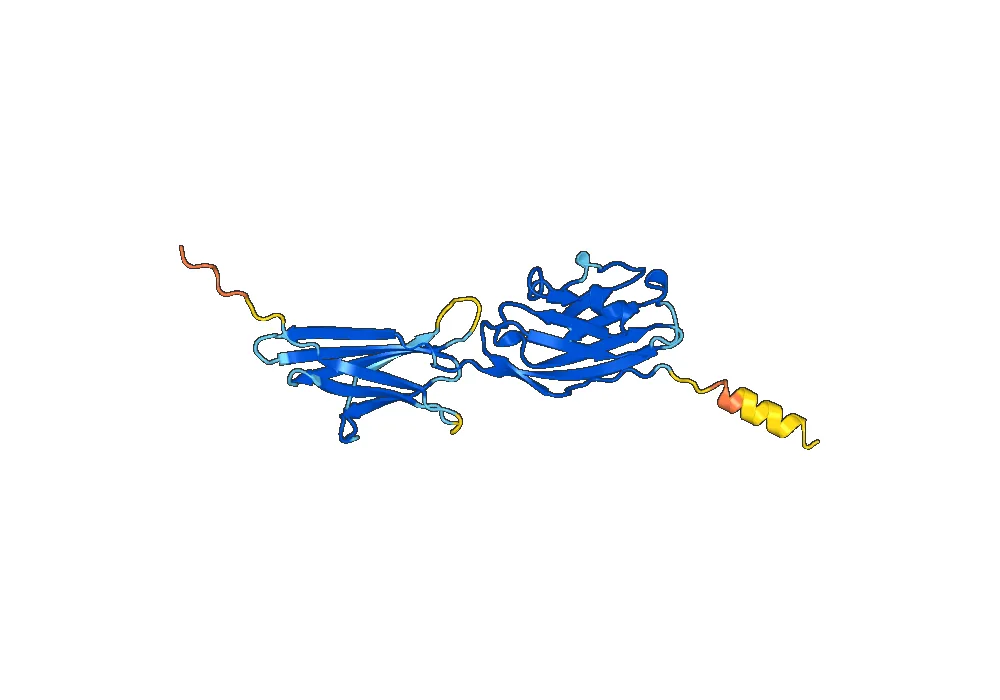
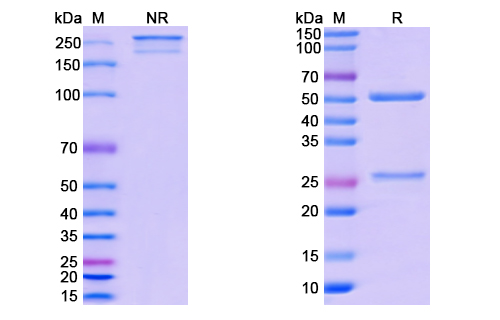
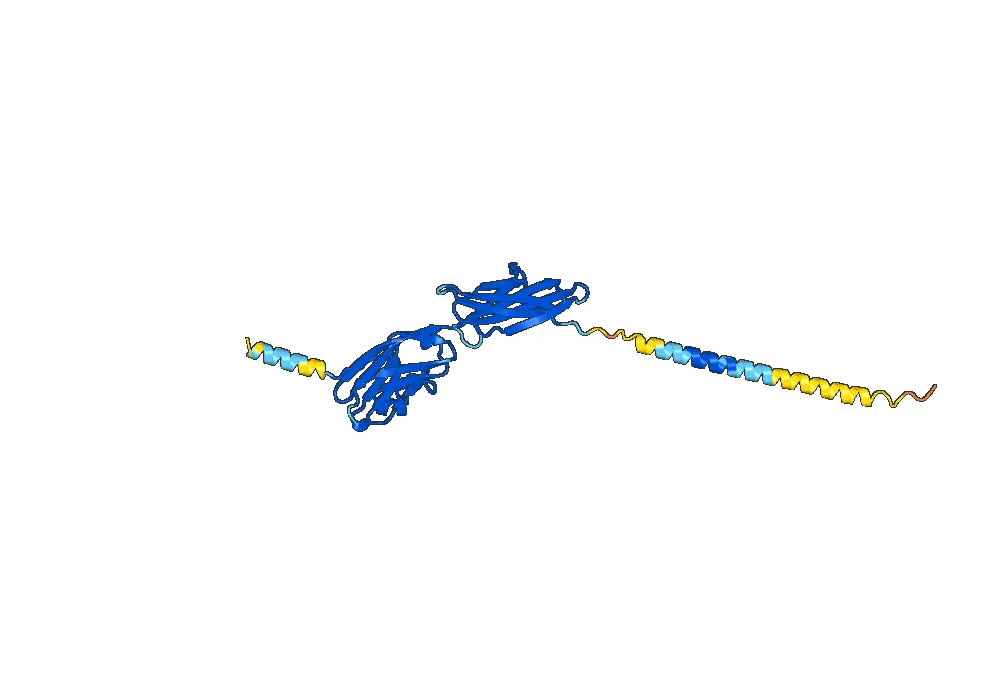
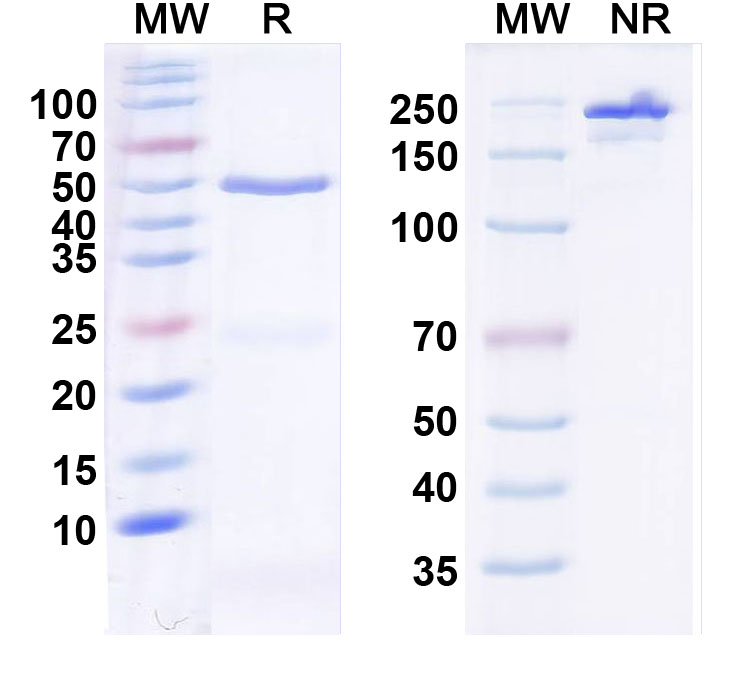
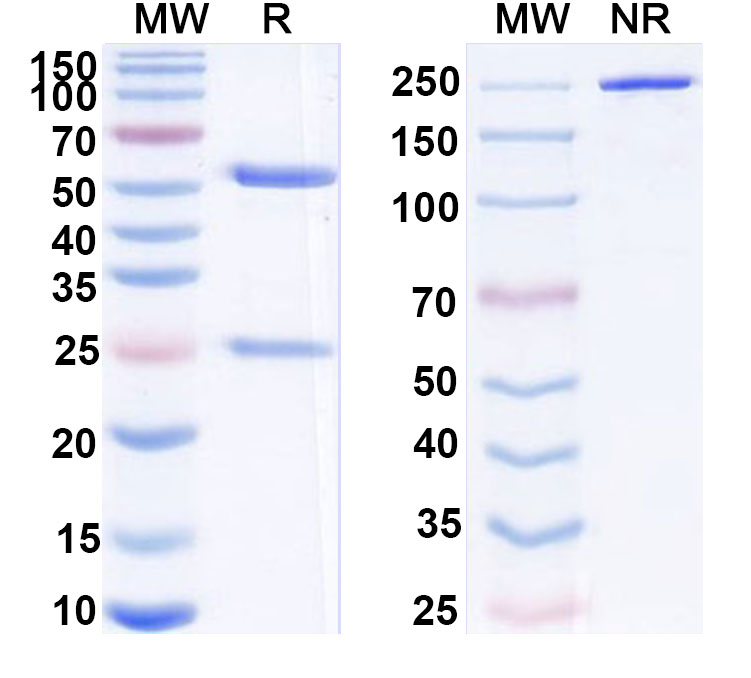
Benmelstobart Biosimilar – Anti-B7-H1 mAb is a recombinant humanized IgG1 monoclonal antibody. It is composed of two heavy chains and two light chains, each containing a variable region and a constant region. The variable region of the antibody is responsible for binding to the B7-H1 protein, while the constant region is responsible for effector functions such as antibody-dependent cellular cytotoxicity (ADCC) and complement-dependent cytotoxicity (CDC).
The heavy chains of the antibody are linked to each other by disulfide bonds, while the light chains are linked to the heavy chains by disulfide bonds and non-covalent interactions. The overall structure of Benmelstobart Biosimilar – Anti-B7-H1 mAb is similar to that of the original Benmelstobart antibody, ensuring its efficacy and safety as a biosimilar.
Activity of Benmelstobart Biosimilar – Anti-B7-H1 mAb
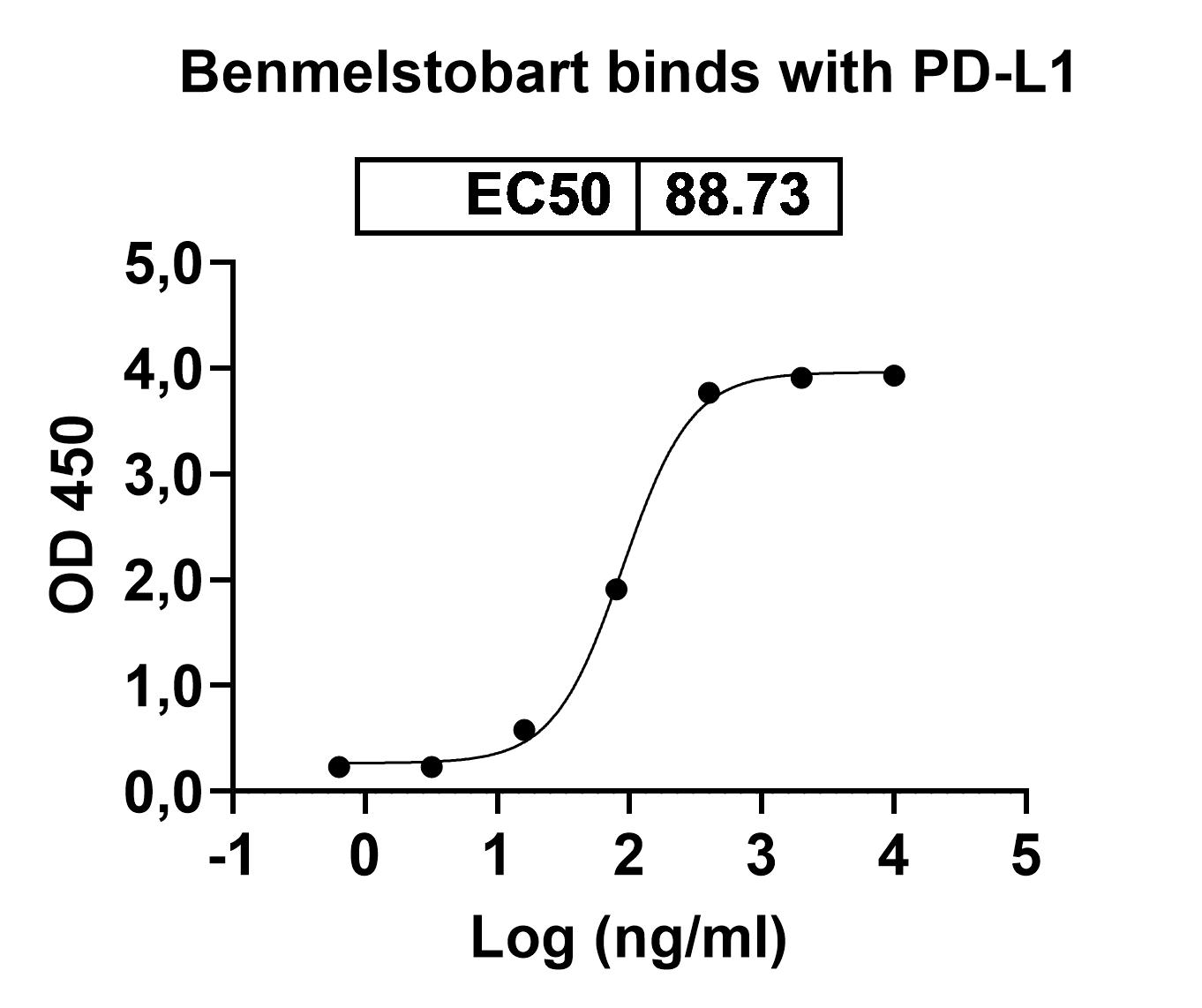
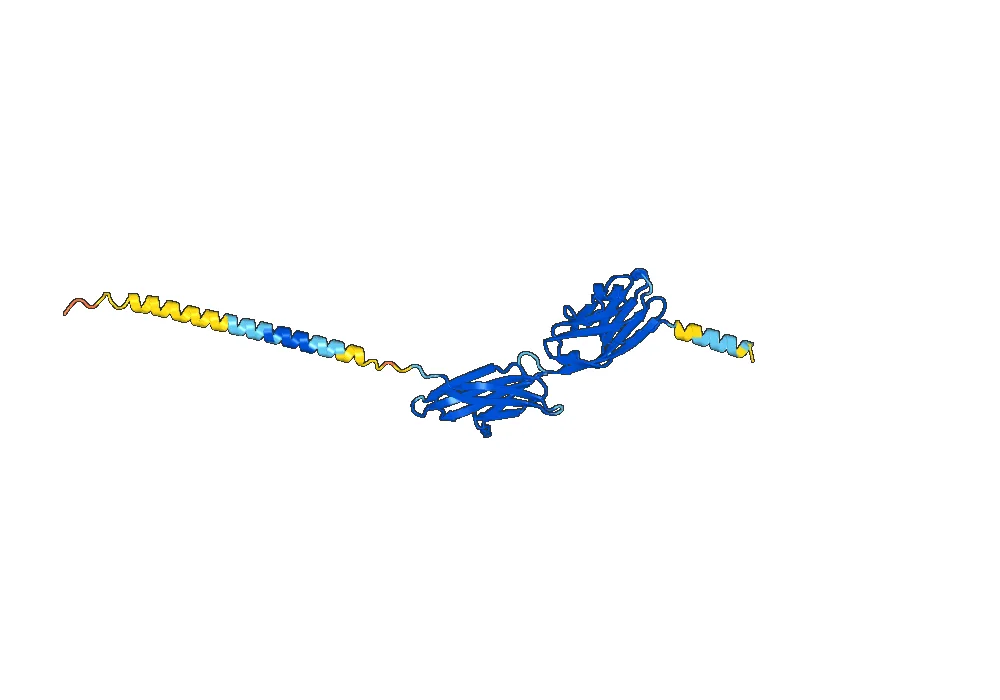
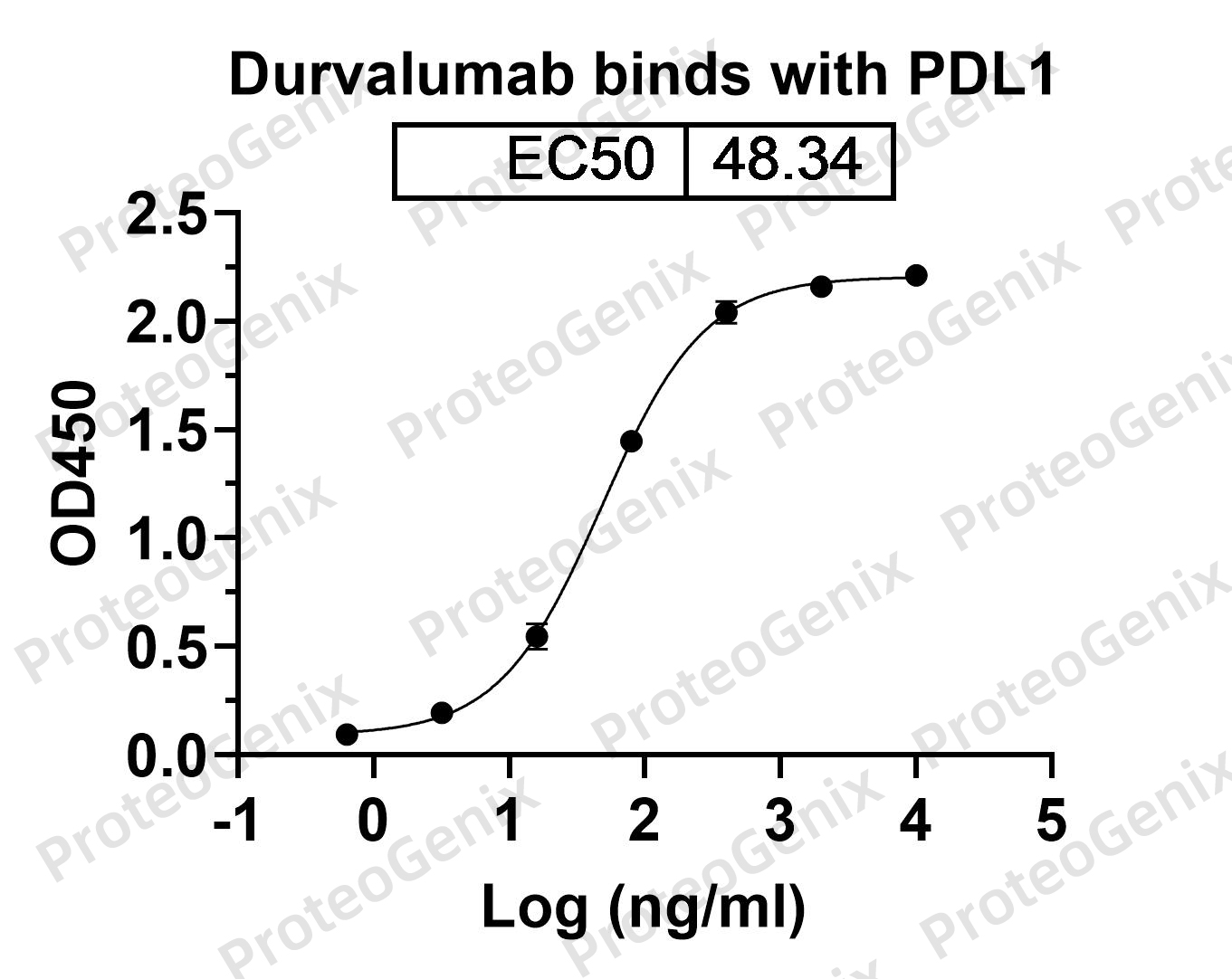
The primary activity of Benmelstobart Biosimilar – Anti-B7-H1 mAb is to bind to the B7-H1 protein and block its interaction with its receptor, PD-1. B7-H1 is a protein expressed on the surface of various cells, including cancer cells, and its interaction with PD-1 leads to immune suppression. By blocking this interaction, Benmelstobart Biosimilar – Anti-B7-H1 mAb can enhance the anti-tumor immune response and potentially improve the efficacy of cancer treatments.
In addition to its primary activity, Benmelstobart Biosimilar – Anti-B7-H1 mAb also exhibits effector functions such as ADCC and CDC. This means that the antibody can directly kill B7-H1-expressing cells and enhance the immune response against them.
Applications of Benmelstobart Biosimilar – Anti-B7-H1 mAb
The main application of Benmelstobart Biosimilar – Anti-B7-H1 mAb is in the treatment of cancer. B7-H1 expression has been found to be associated with poor prognosis in various types of cancer, including lung, breast, and bladder cancer. By targeting B7-H1, this biosimilar can potentially improve the outcome of cancer treatment and provide a new therapeutic option for patients.
In addition to cancer, B7-H1 has also been implicated in other diseases such as autoimmune disorders and infectious diseases. Therefore, Benmelstobart Biosimilar – Anti-B7-H1 mAb may have potential applications in these areas as well.
Conclusion
Benmelstobart Biosimilar – Anti-B7-H1 mAb is a recombinant humanized monoclonal antibody developed as a biosimilar to the original Benmelstobart antibody. Its structure is similar to the original antibody, and it exhibits similar activity and effector functions. This biosimilar has potential applications in the treatment of cancer and other diseases where B7-H1 is implicated as a therapeutic target. With further research and clinical trials, Benmelstobart Biosimilar – Anti-B7-H1 mAb may prove to be a valuable addition to the armamentarium of biologic therapies.
There are no reviews yet.