Pacmilimab Biosimilar – Anti-CD274, PD-L1, B7-H1 mAb – Research Grade: A Novel Antibody for Targeting PD-L1 in
Cancer Therapy Introduction
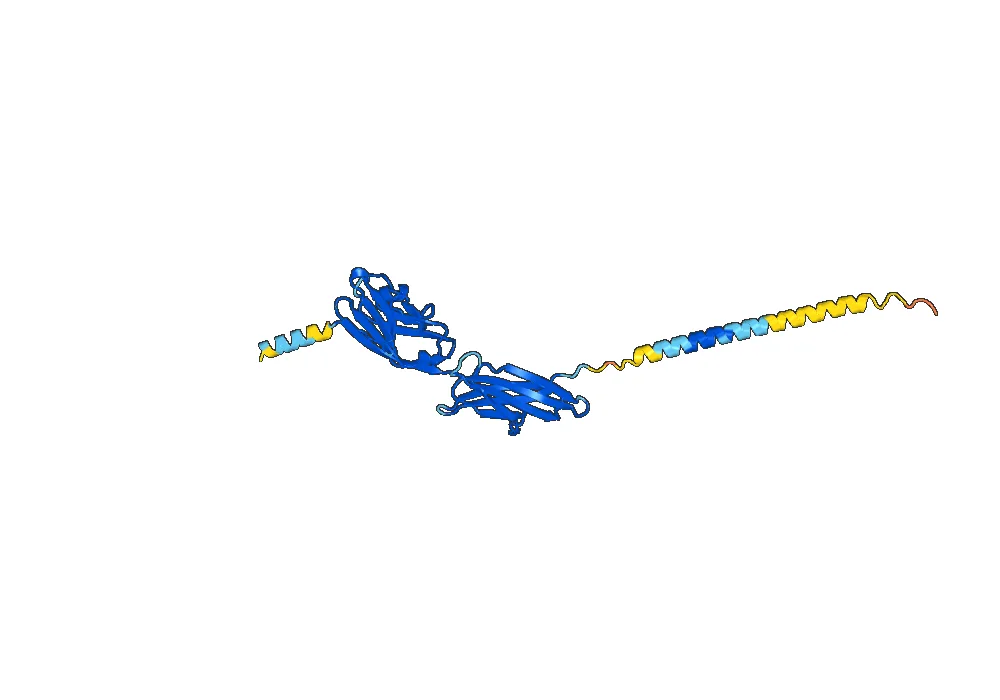
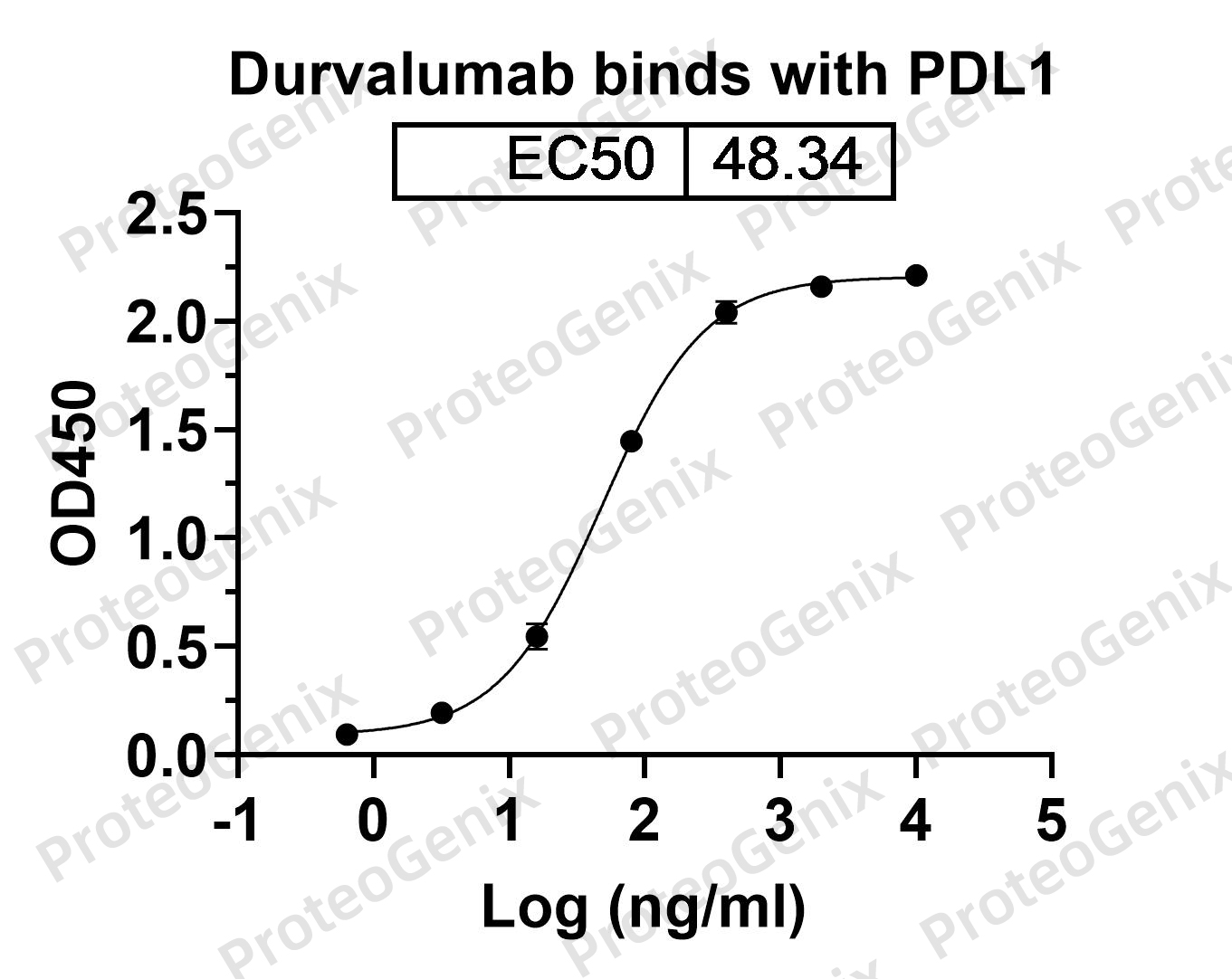
Pacmilimab Biosimilar, also known as Anti-CD274, PD-L1, B7-H1 mAb, is a research grade monoclonal antibody (mAb) that targets the programmed death-ligand 1 (PD-L1) protein. This protein is found on the surface of cancer cells and plays a critical role in suppressing the immune response against tumors. By targeting PD-L1, Pacmilimab Biosimilar helps to restore the body’s natural ability to fight cancer, making it a promising therapeutic option for various types of cancer.
Structure of Pacmilimab Biosimilar
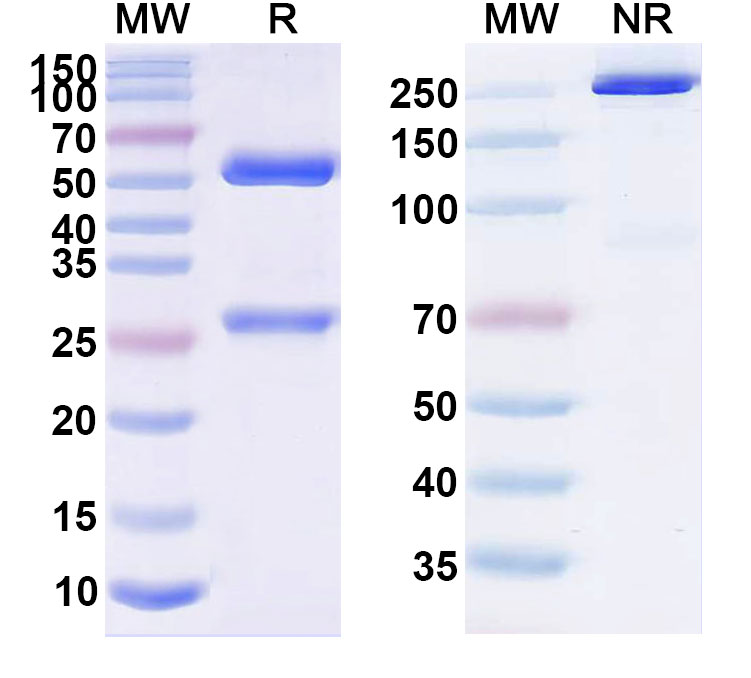
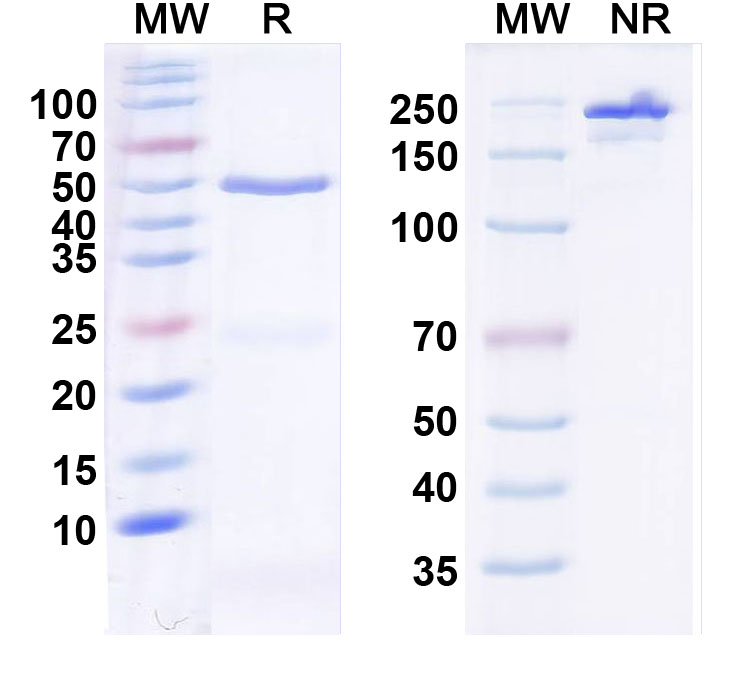
Pacmilimab Biosimilar is a recombinant, humanized mAb that is produced using advanced biotechnology techniques. It is composed of two identical heavy chains and two identical light chains, each containing a variable and a constant region. The variable region is responsible for binding to PD-L1, while the constant region determines the antibody’s effector functions.
Mechanism of Action
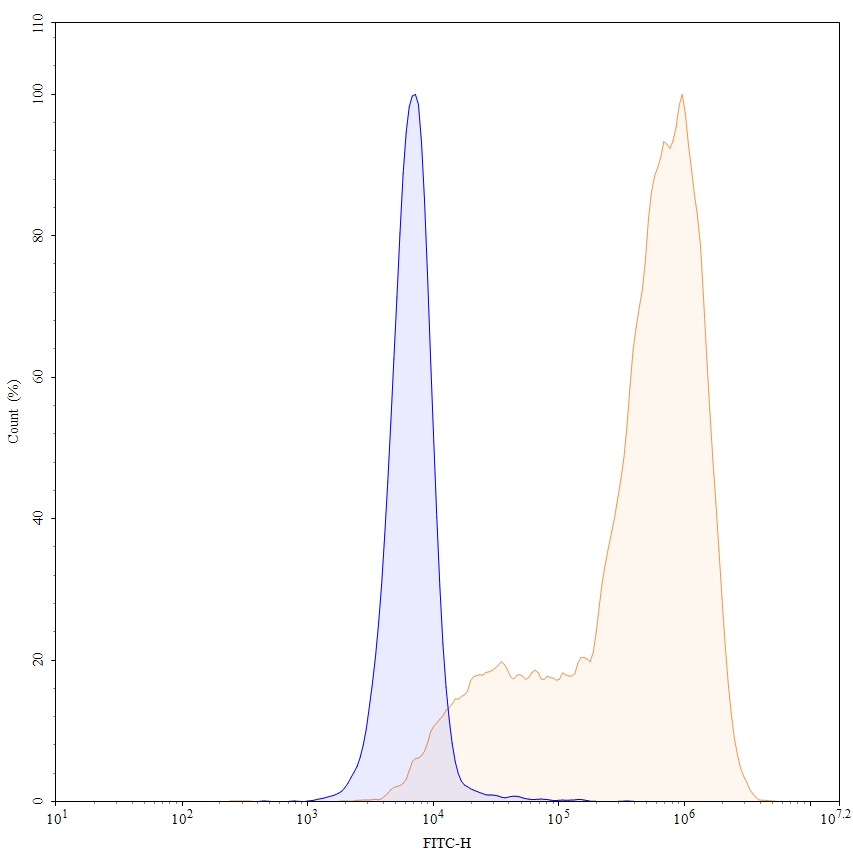
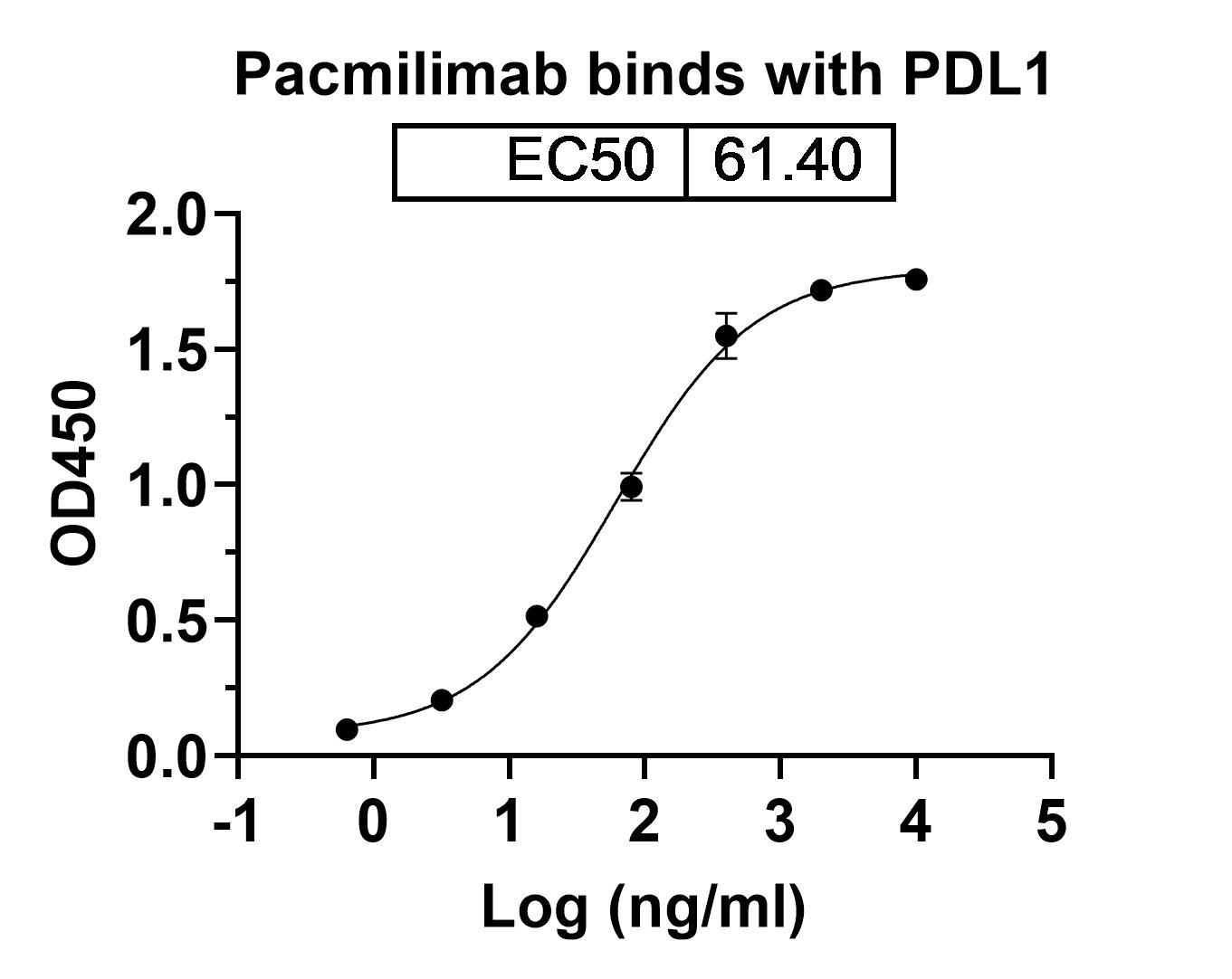
Pacmilimab Biosimilar works by binding to PD-L1 on the surface of cancer cells, thereby blocking its interaction with the programmed cell death protein 1 (PD-1) receptor on T cells. This interaction between PD-L1 and PD-1 is a key mechanism used by cancer cells to evade the immune system. By blocking this interaction, Pacmilimab Biosimilar helps to activate the body’s immune response against cancer cells, leading to their destruction.
Applications of Pacmilimab Biosimilar
Pacmilimab Biosimilar has shown promising results in pre-clinical and clinical studies for the treatment of various types of cancer, including lung cancer, melanoma, and bladder cancer. It has also been investigated in combination with other therapies, such as chemotherapy and other immunotherapies, to enhance its effectiveness.
Lung Cancer Lung
cancer is the leading cause of cancer-related deaths worldwide, and PD-L1 expression is commonly observed in this type of cancer. Pacmilimab Biosimilar has shown significant anti-tumor activity in lung cancer patients, especially those with high PD-L1 expression. In a phase II clinical trial, Pacmilimab Biosimilar in combination with chemotherapy showed improved overall survival and progression-free survival compared to chemotherapy alone in patients with advanced non-small cell lung cancer.
Melanoma Melanoma is a type of skin
cancer that is known to have a high expression of PD-L1. Pacmilimab Biosimilar has shown promising results in clinical trials for the treatment of advanced melanoma. In a phase Ib study, Pacmilimab Biosimilar in combination with another immunotherapy showed a durable response in patients with advanced melanoma, with some patients achieving complete remission.
Bladder Cancer Bladder
cancer is another type of cancer that has been found to have high PD-L1 expression. In a phase I clinical trial, Pacmilimab Biosimilar showed promising results in patients with advanced bladder cancer, with an overall response rate of 38%. It has also been investigated in combination with chemotherapy in this patient population, with encouraging results.
Conclusion
Pacmilimab Biosimilar is a novel antibody that specifically targets PD-L1, a key protein involved in suppressing the immune response against cancer. Its unique mechanism of action makes it a promising therapeutic option for various types of cancer. With ongoing clinical trials and promising results, Pacmilimab Biosimilar has the potential to improve outcomes for cancer patients and pave the way for more effective cancer therapies in the future.

There are no reviews yet.