Title: Understanding BMS-936559/MDX-1105 Biosimilar: A Promising Anti-B7-H1 mAb for
Cancer Immunotherapy Introduction
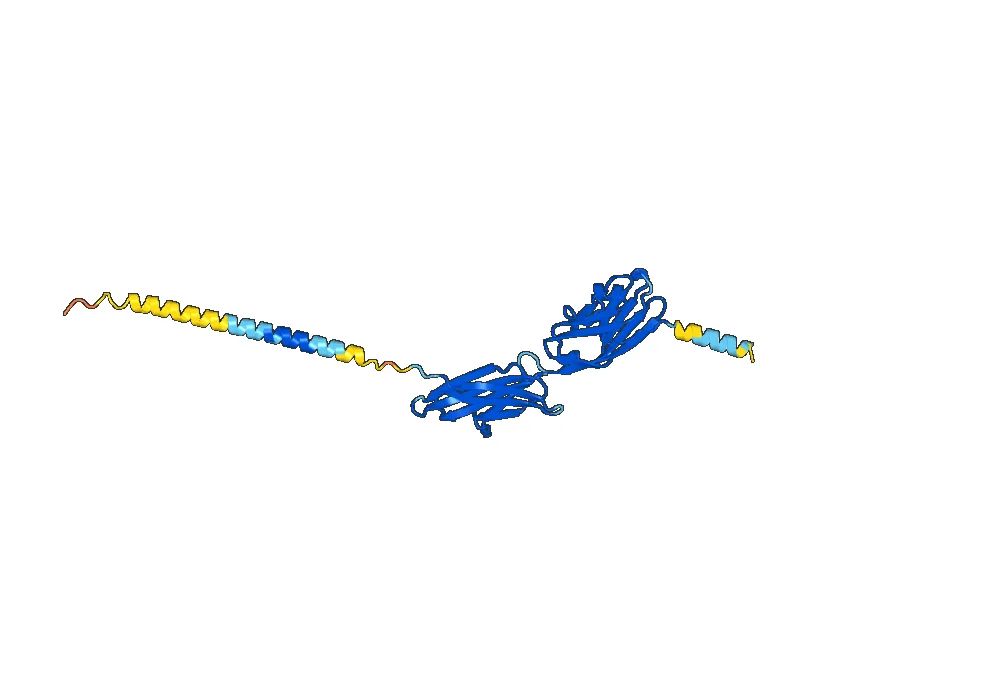
BMS-936559/MDX-1105 Biosimilar is a novel antibody-based therapeutic agent that is being developed for the treatment of various types of cancer. This biosimilar is a monoclonal antibody (mAb) that targets B7-H1, also known as programmed death-ligand 1 (PD-L1), a protein that plays a crucial role in suppressing the immune response against cancer cells. In this article, we will explore the structure, activity, and potential applications of BMS-936559/MDX-1105 Biosimilar in cancer therapy.
Structure of BMS-936559/MDX-1105 Biosimilar
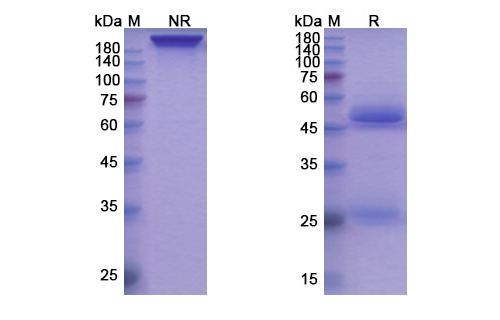
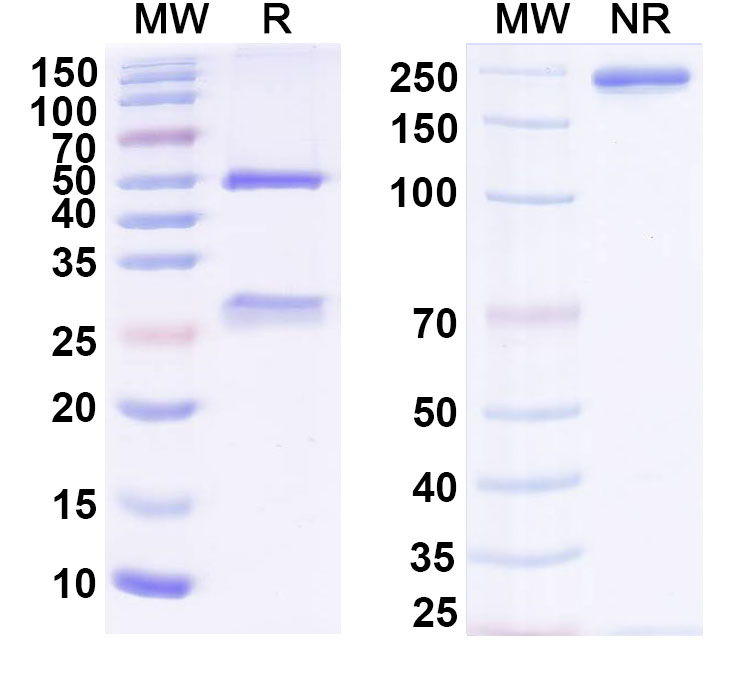
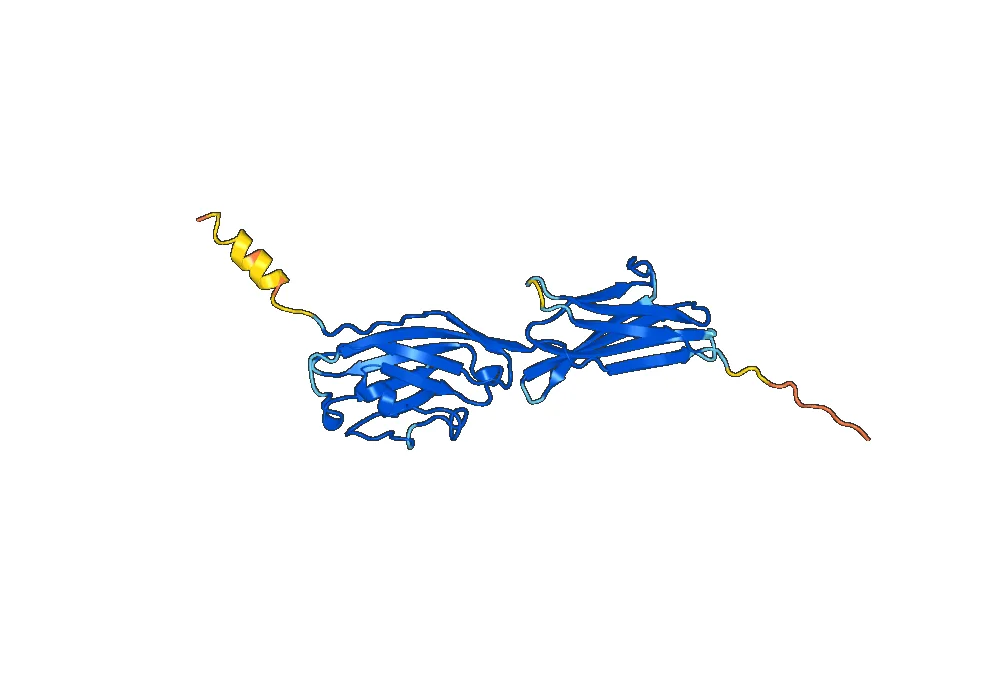
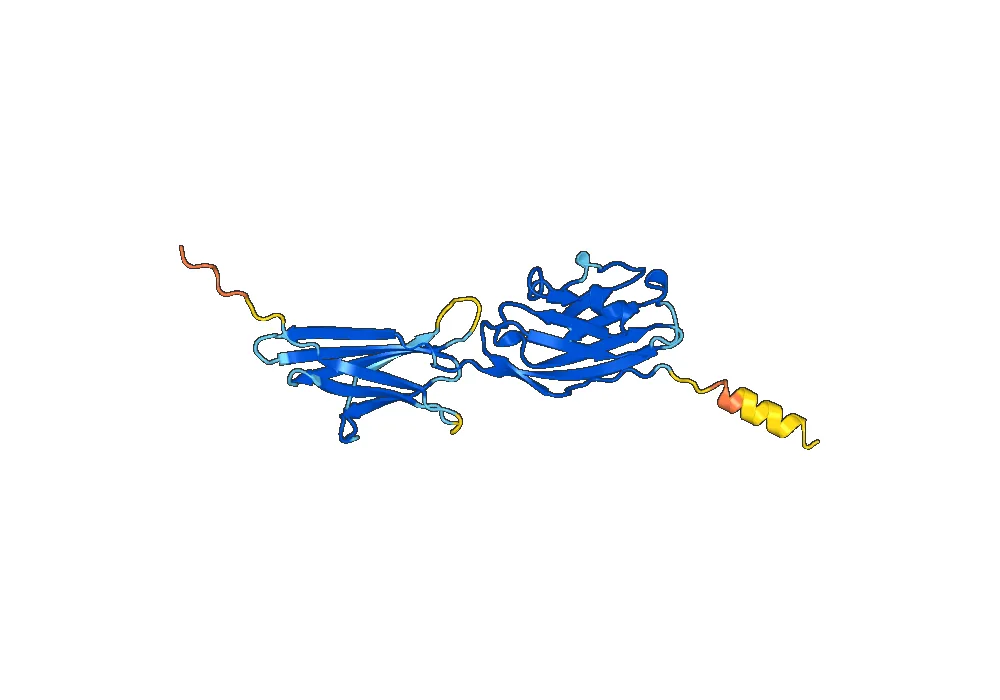
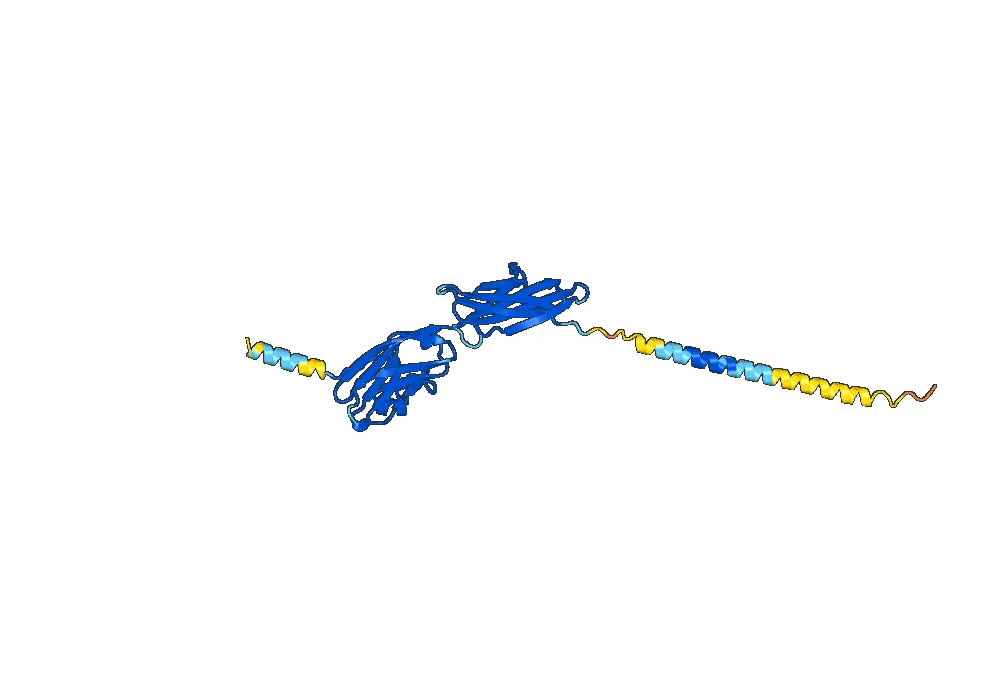
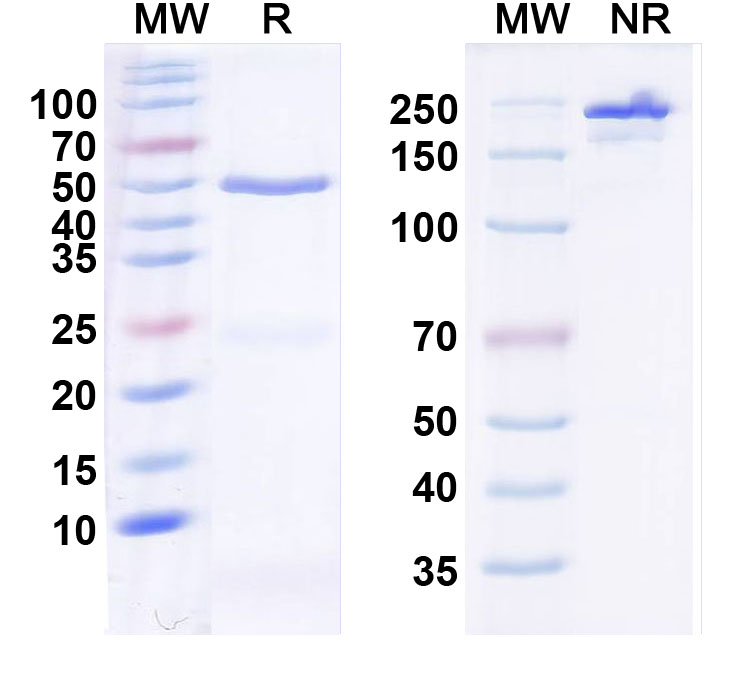
BMS-936559/MDX-1105 Biosimilar is a humanized IgG4 monoclonal antibody that is designed to mimic the structure and function of the parent antibody, nivolumab (Opdivo). It is composed of two identical heavy chains and two identical light chains, each with a molecular weight of approximately 150 kDa. The antibody is produced using recombinant DNA technology in Chinese hamster ovary (CHO) cells.
Activity of BMS-936559/MDX-1105 Biosimilar
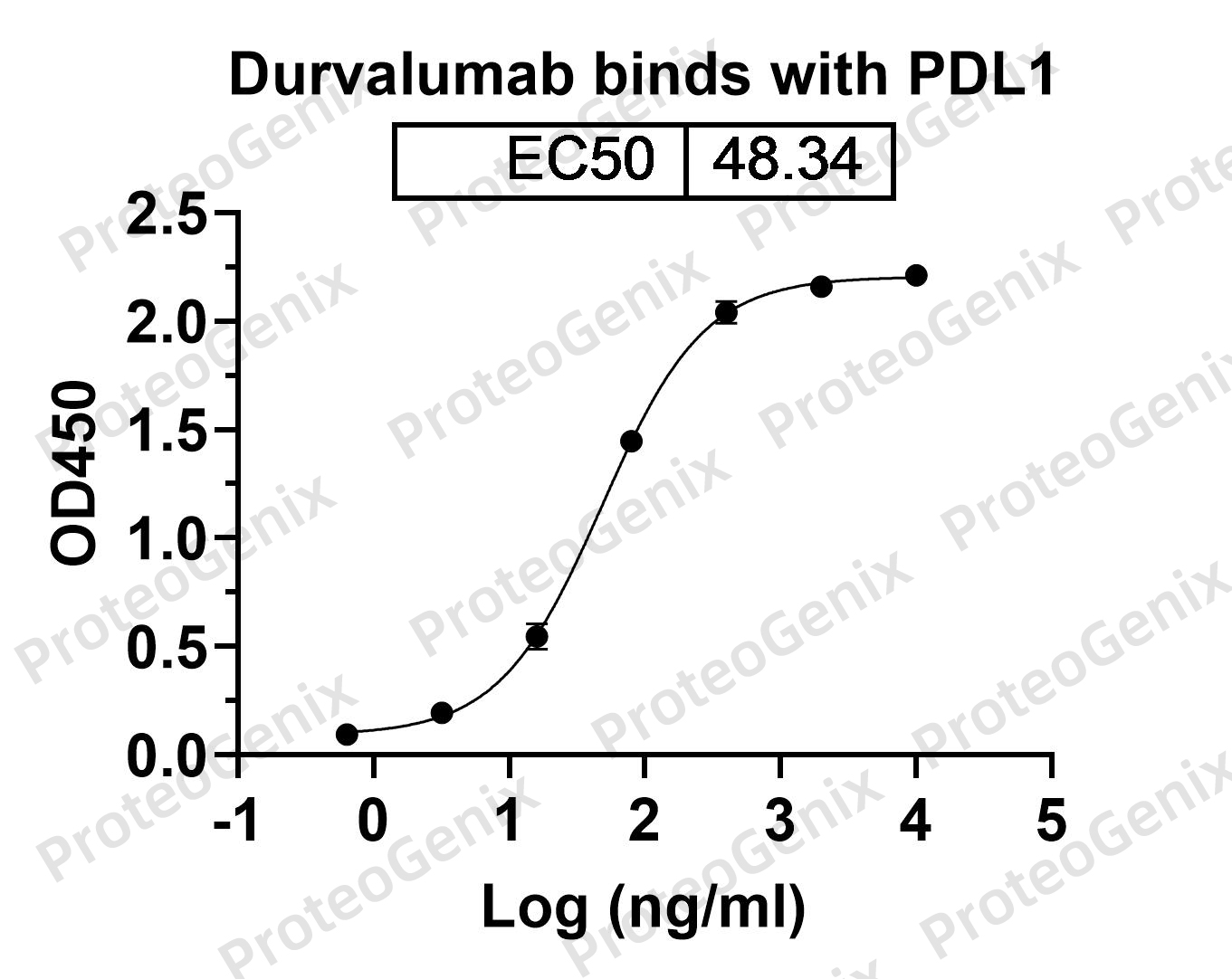
BMS-936559/MDX-1105 Biosimilar exerts its therapeutic effect by binding to B7-H1 on the surface of cancer cells and blocking its interaction with the programmed death-1 (PD-1) receptor on T cells. This interaction between B7-H1 and PD-1 plays a key role in suppressing the immune response against cancer cells, allowing them to evade detection and destruction by the immune system. By blocking this interaction, BMS-936559/MDX-1105 Biosimilar restores the ability of T cells to recognize and attack cancer cells, leading to their destruction.
Applications of BMS-936559/MDX-1105 Biosimilar
BMS-936559/MDX-1105 Biosimilar has shown promising results in preclinical and clinical studies for the treatment of various types of cancer, including melanoma, non-small cell lung cancer, renal cell carcinoma, and Hodgkin lymphoma. It has also been granted orphan drug designation by the U.S. Food and Drug Administration (FDA) for the treatment of Merkel cell carcinoma, a rare and aggressive form of skin cancer.
In clinical trials, BMS-936559/MDX-1105 Biosimilar has demonstrated significant anti-tumor activity, with durable responses in patients who have failed multiple lines of therapy. It has also shown a favorable safety profile, with manageable side effects that are consistent with those observed with other anti-PD-1 therapies.
Future Directions
BMS-936559/MDX-1105 Biosimilar is currently in the late stages of clinical development and is expected to receive regulatory approval for the treatment of various types of cancer in the near future. Its potential as a first-line therapy, as well as in combination with other anti- cancer agents, is also being explored in ongoing clinical trials.
Conclusion
BMS-936559/MDX-1105 Biosimilar is a promising anti-B7-H1 mAb that has shown significant anti-tumor activity in various types of cancer. Its unique mechanism of action and favorable safety profile make it a promising candidate for cancer immunotherapy. With the potential for regulatory approval and further clinical development, BMS-936559/MDX-1105 Biosimilar holds great promise for improving the treatment outcomes of cancer patients.

There are no reviews yet.