Introduction to Envafolimab Biosimilar
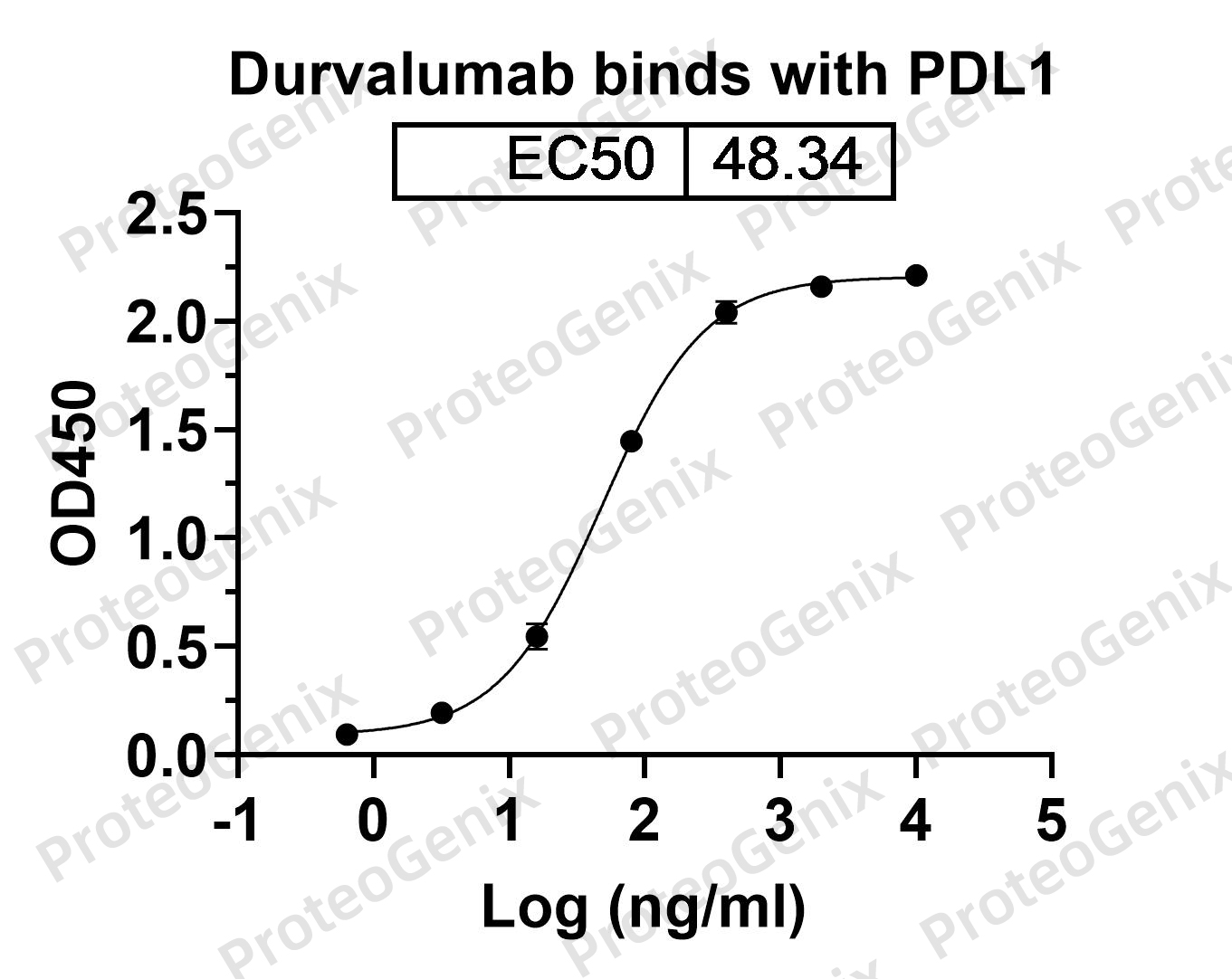
Envafolimab Biosimilar, also known as Anti-CD274, PD-L1, B7-H1 mAb, is a monoclonal antibody that has been developed as a biosimilar to the anti-PD-L1 antibody, atezolizumab. It is a novel immunotherapy drug that has shown promising results in treating various types of cancer. In this article, we will explore the structure, activity, and application of Envafolimab Biosimilar in detail.
Structure of Envafolimab Biosimilar
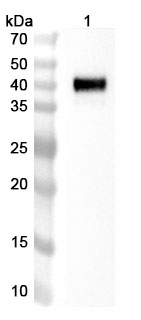
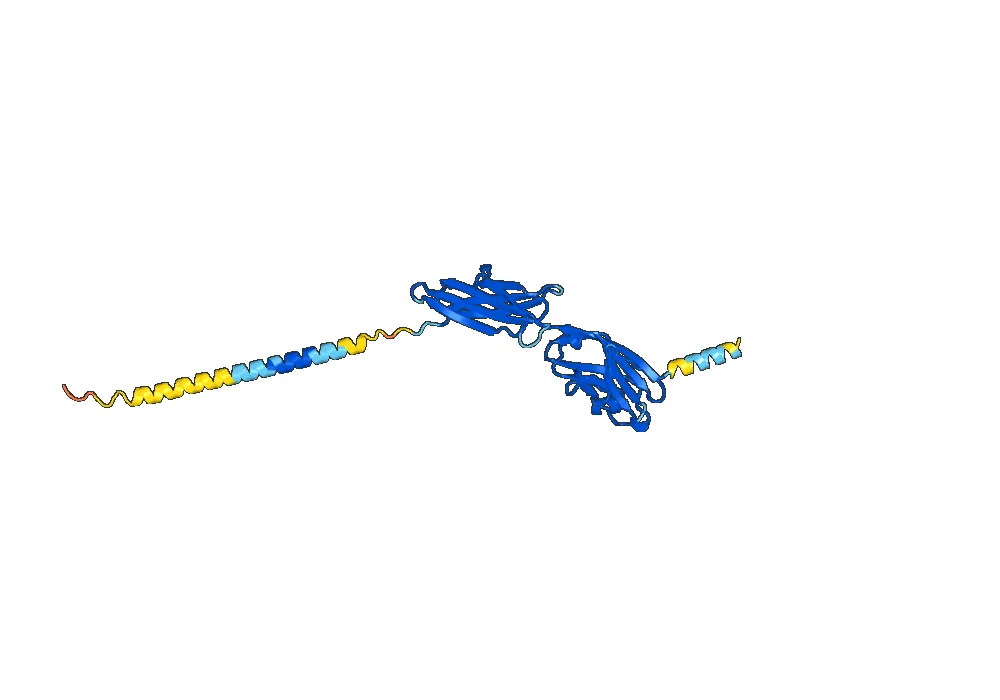
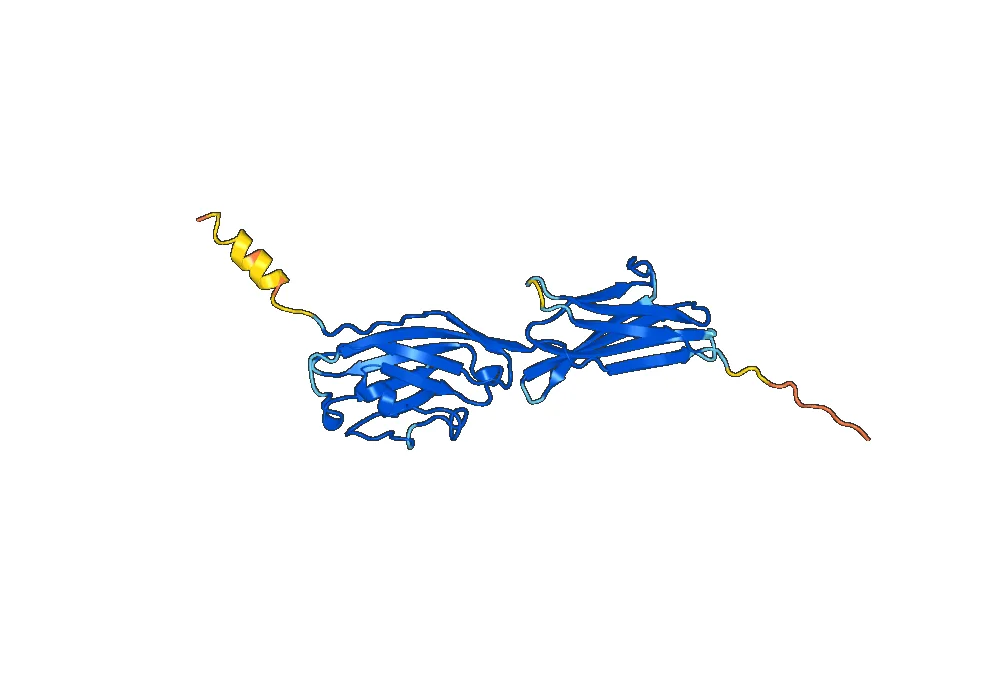
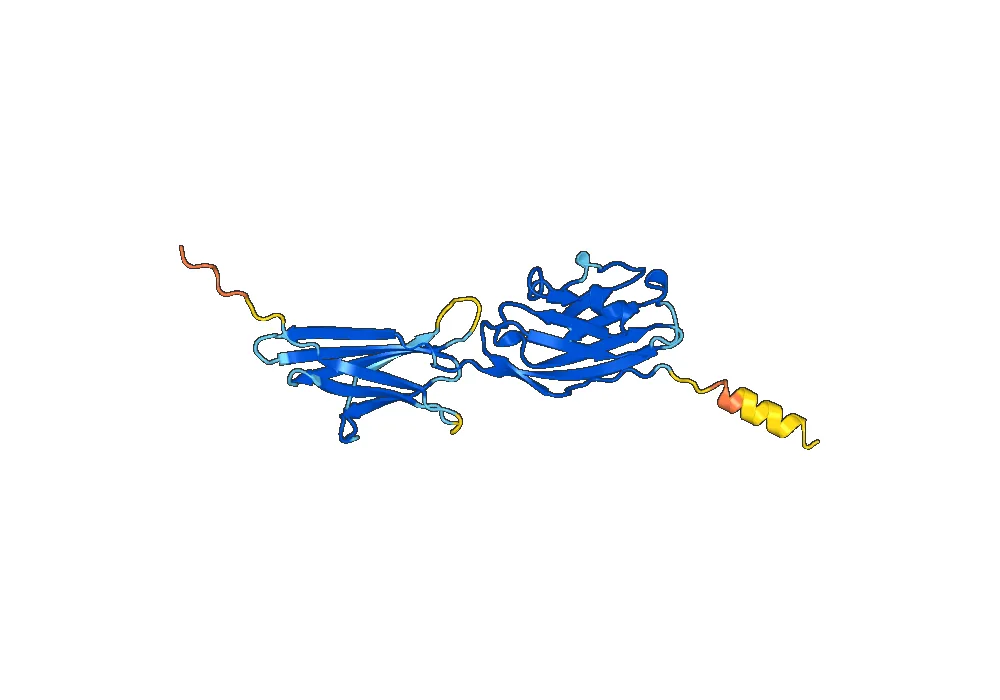
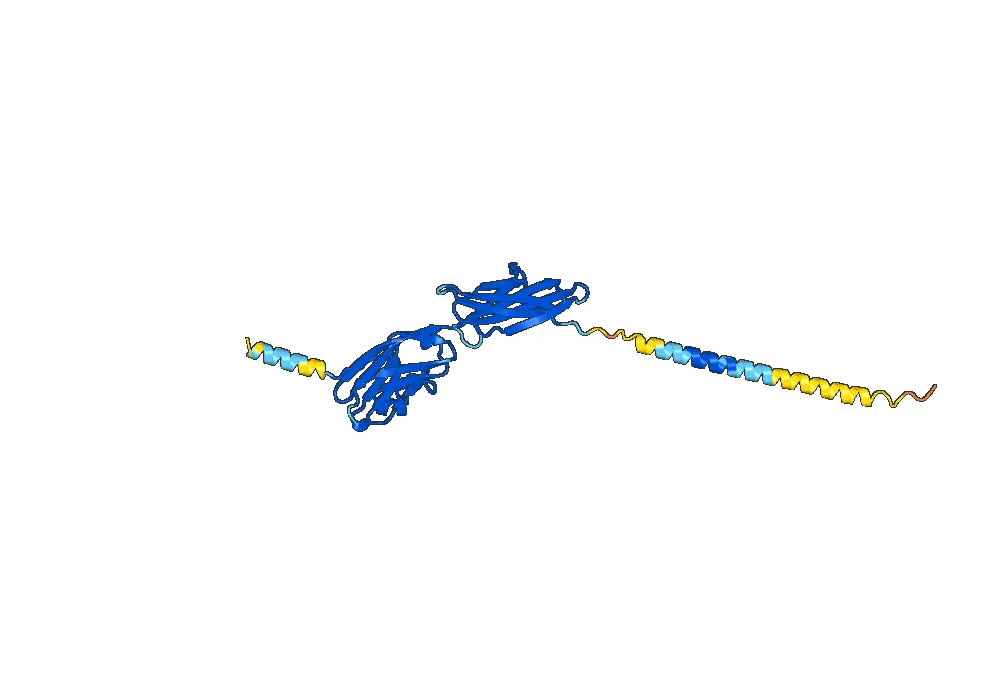
Envafolimab Biosimilar is a humanized monoclonal antibody that specifically targets the programmed death-ligand 1 (PD-L1) protein. It is a 146 kDa glycoprotein composed of two heavy chains and two light chains. The heavy chains consist of four constant domains (CH1, CH2, CH3, and CH4) and one variable domain (VH), while the light chains consist of two constant domains (CL and CL1) and one variable domain (VL). The variable domains of both heavy and light chains are responsible for the antigen-binding site, which recognizes and binds to PD-L1.
Activity of Envafolimab Biosimilar
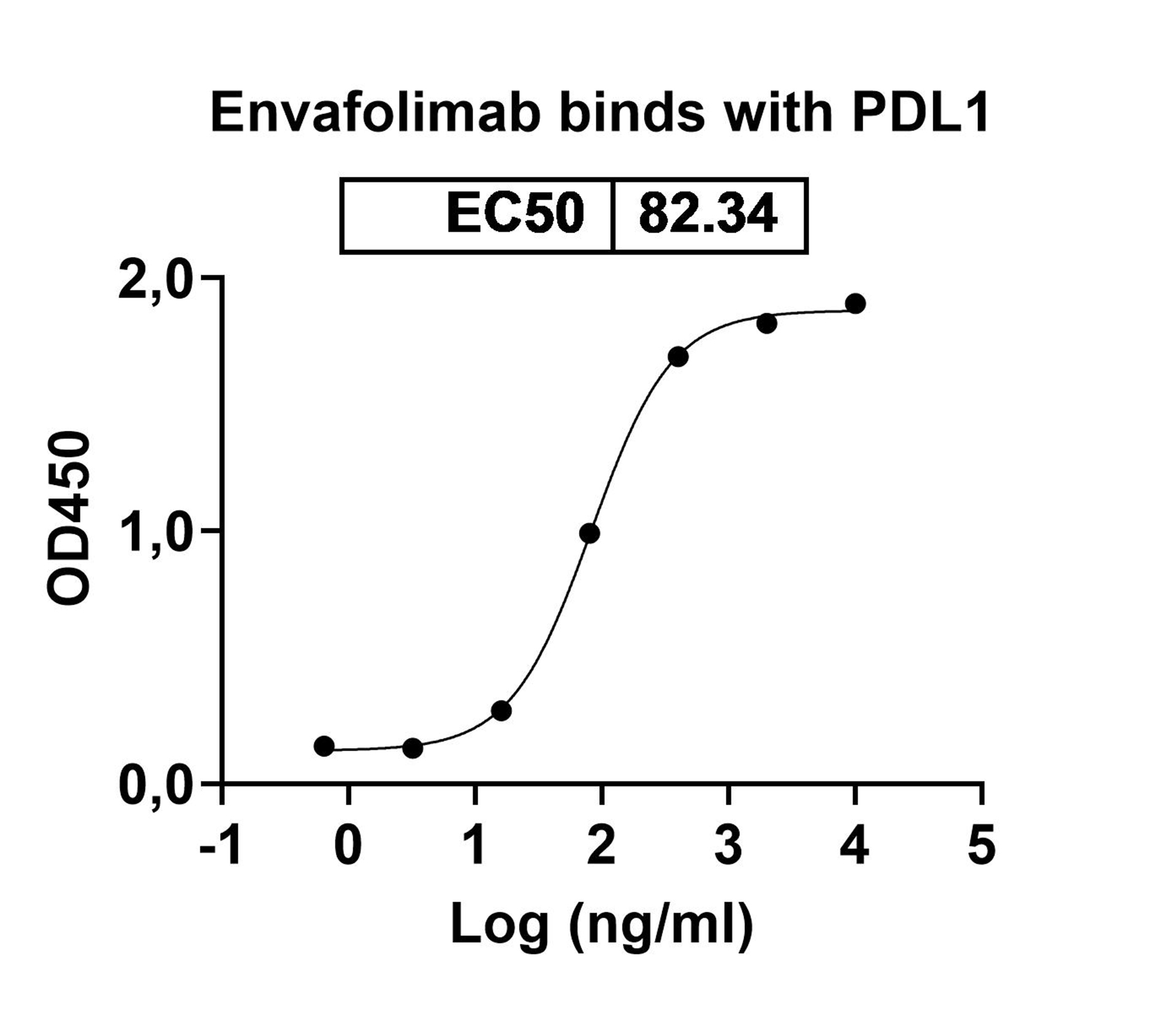
Envafolimab Biosimilar works by blocking the interaction between PD-L1 and its receptor, programmed cell death protein 1 (PD-1). PD-L1 is a protein that is overexpressed in many types of cancer cells, and its interaction with PD-1 on immune cells leads to the suppression of the immune response against cancer cells. By blocking this interaction, Envafolimab Biosimilar enhances the activity of the immune system, allowing it to recognize and attack cancer cells.
In addition to its anti-PD-L1 activity, Envafolimab Biosimilar also has an antibody-dependent cell-mediated cytotoxicity (ADCC) effect. This means that the antibody can bind to PD-L1-expressing cancer cells and recruit immune cells, such as natural killer cells, to kill the cancer cells.
Application of Envafolimab Biosimilar
Envafolimab Biosimilar has been approved for the treatment of several types of cancer, including non-small cell lung cancer, bladder cancer, and triple-negative breast cancer. It is administered as an intravenous infusion every two or three weeks, depending on the type of cancer being treated.
In clinical trials, Envafolimab Biosimilar has shown promising results in improving overall survival and progression-free survival in patients with advanced or metastatic cancer. It has also shown a favorable safety profile, with the most common side effects being fatigue, nausea, and decreased appetite.
Envafolimab Biosimilar is also being studied in combination with other
cancer treatments, such as chemotherapy and targeted therapy, to further enhance its efficacy. It is also being investigated for its potential in treating other types of cancer, such as head and neck cancer and gastric cancer.
Conclusion
In summary, Envafolimab Biosimilar is a novel immunotherapy drug that has shown promising results in treating various types of cancer. Its unique structure and activity make it an effective anti-PD-L1 therapy, and its application has been approved for several types of cancer. With ongoing research and development, Envafolimab Biosimilar has the potential to improve the outcomes of cancer treatment and provide hope to patients with advanced or metastatic cancer.
There are no reviews yet.