Sudubrilimab Biosimilar: An Innovative Anti-CD274 mAb for Targeted Therapy Introduction
Sudubrilimab Biosimilar, also known as Anti-CD274 mAb, is a novel therapeutic antibody that has gained significant attention in the field of targeted therapy. This biosimilar is designed to target the CD274 protein, also known as programmed cell death-ligand 1 (PD-L1), which is a key regulator of immune response. In this article, we will explore the structure, activity, and potential applications of Sudubrilimab Biosimilar in research.
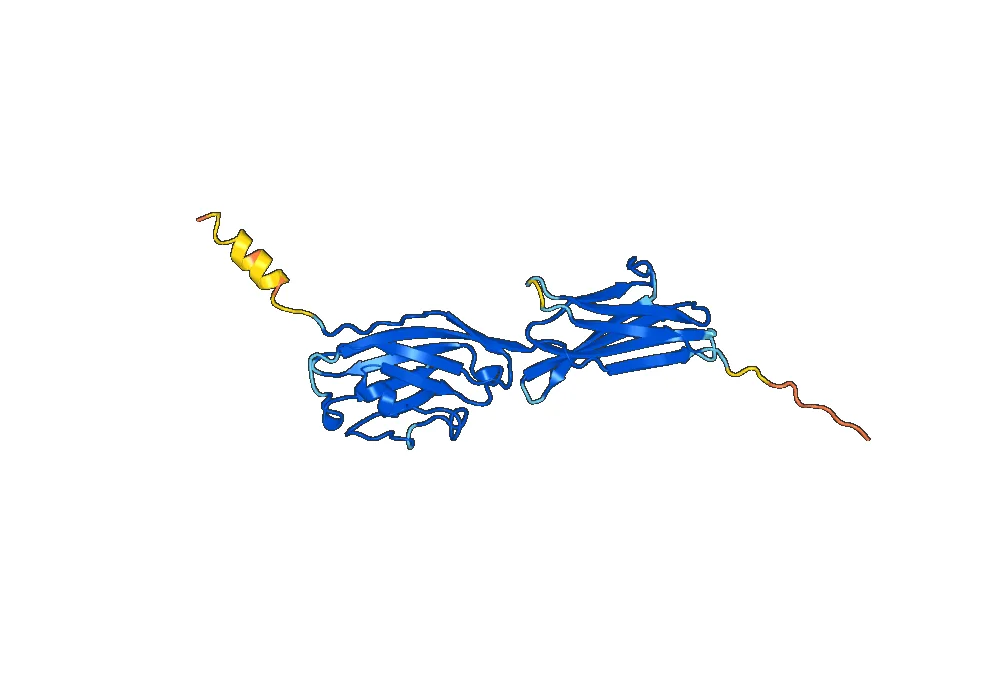
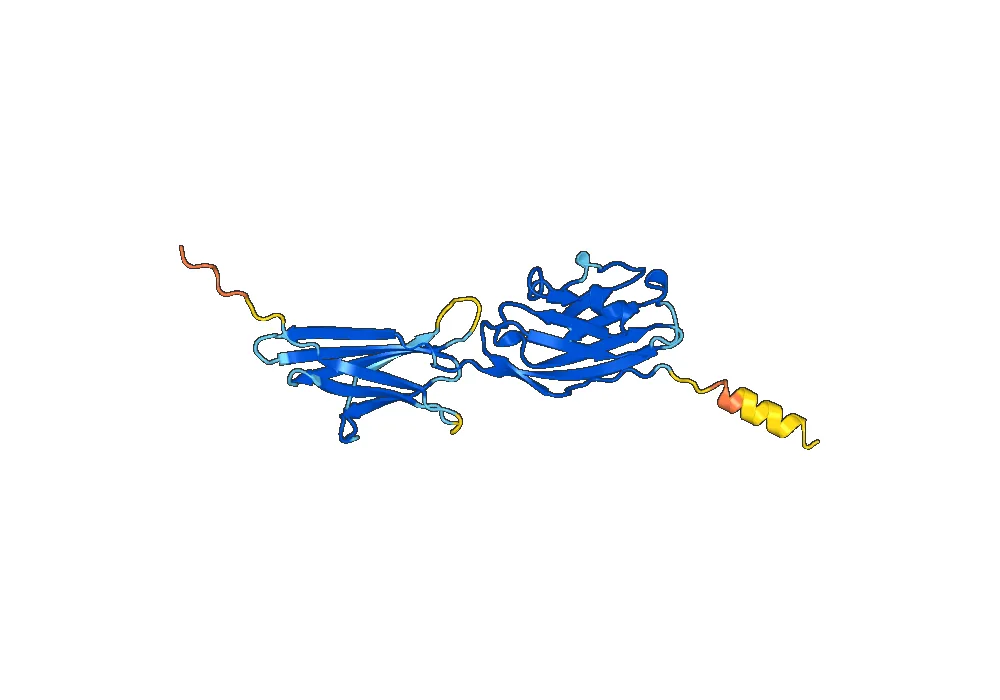
Structure of Sudubrilimab Biosimilar
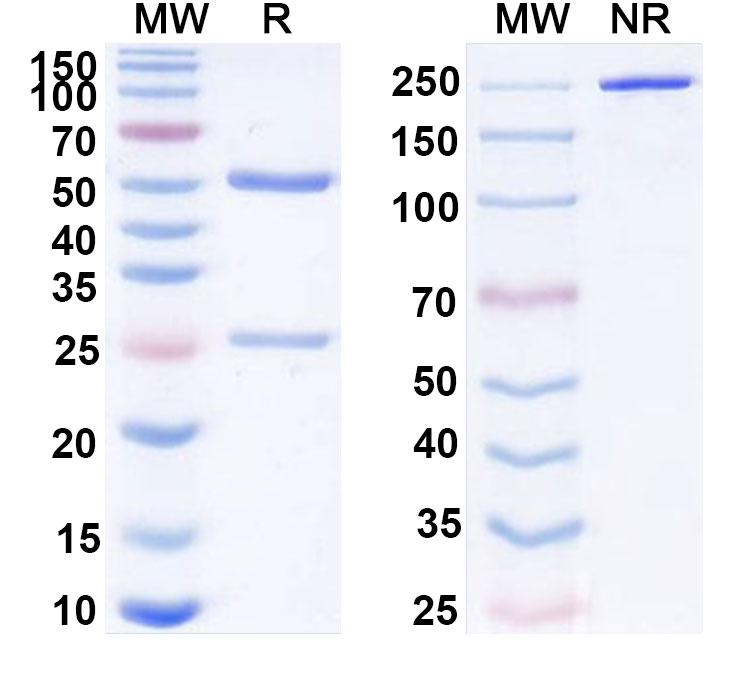
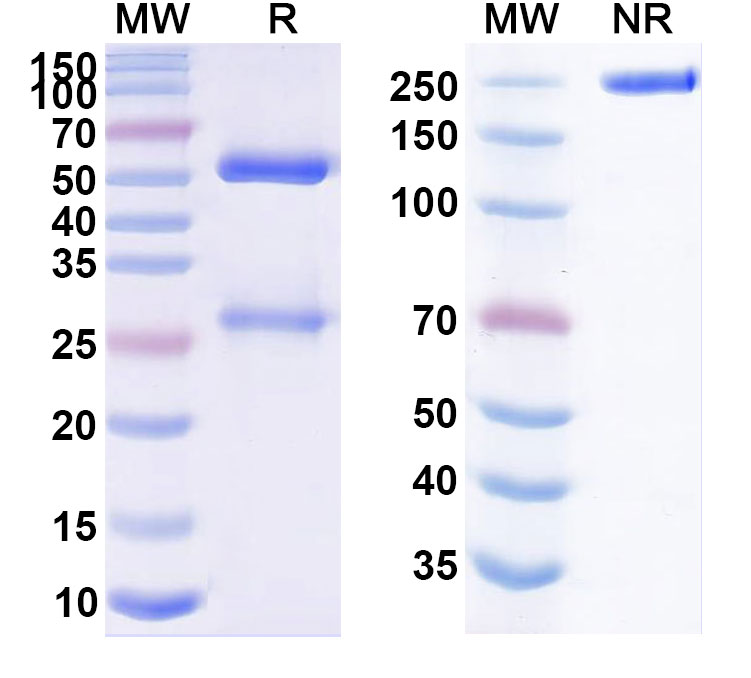
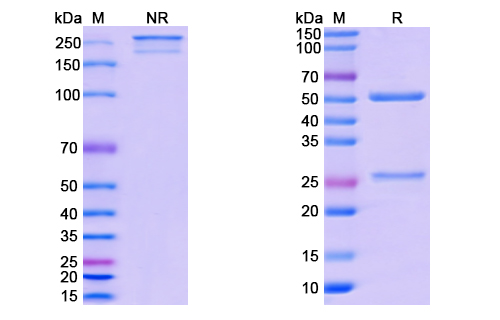
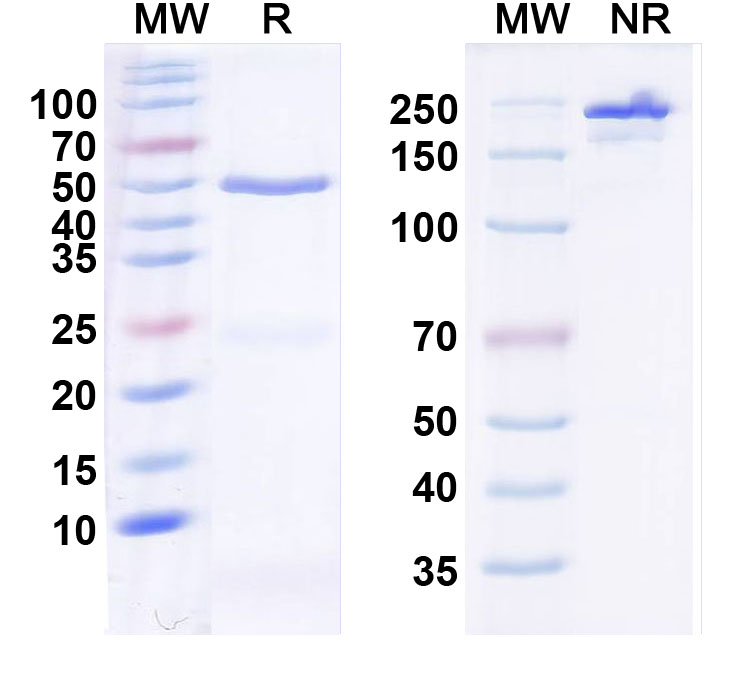
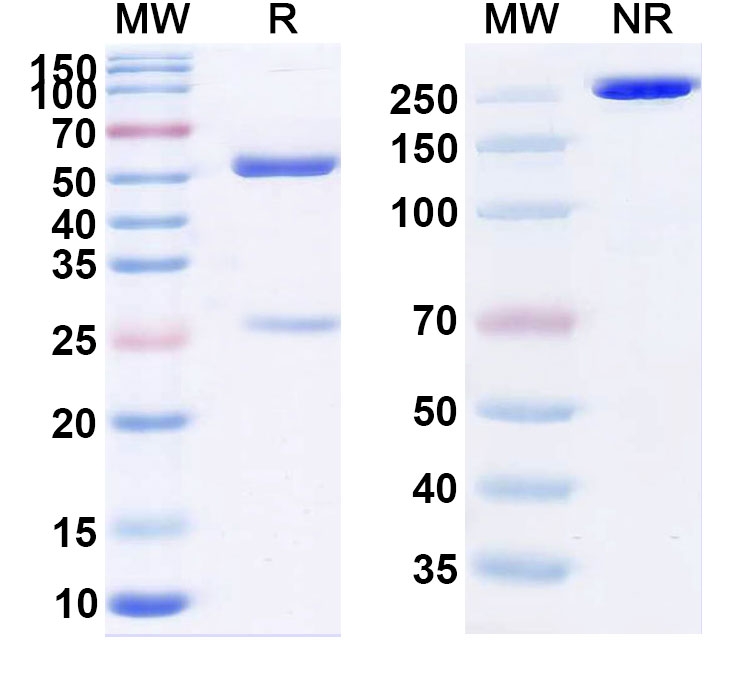
Sudubrilimab Biosimilar is a monoclonal antibody (mAb) that is produced using recombinant DNA technology. It is a fully humanized IgG1 antibody, with a molecular weight of approximately 150 kDa. The antibody is composed of two heavy chains and two light chains, connected by disulfide bonds. The heavy chains consist of four constant domains (CH1, CH2, CH3, and CH4) and one variable domain (VH), while the light chains contain one constant domain (CL) and one variable domain (VL). The variable domains are responsible for binding to the target CD274 protein.
Activity of Sudubrilimab Biosimilar
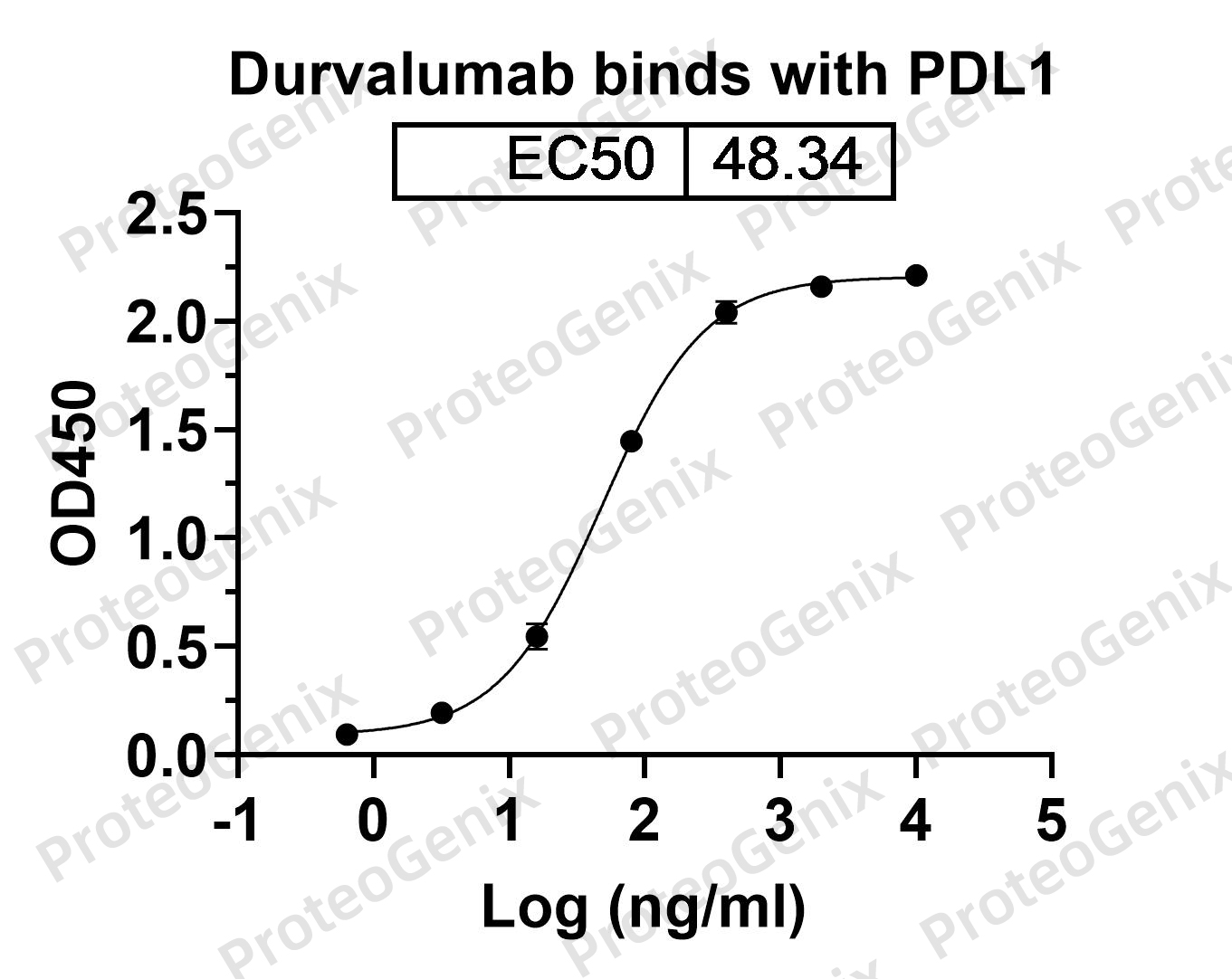
Sudubrilimab Biosimilar works by blocking the interaction between CD274 and its receptor, programmed cell death protein 1 (PD-1). This interaction is known to suppress the activity of immune cells, allowing cancer cells to evade the immune system. By inhibiting this interaction, Sudubrilimab Biosimilar enhances the immune response against cancer cells, leading to their destruction. Moreover, the antibody also promotes the activation and proliferation of immune cells, such as T-cells and natural killer cells, further enhancing the anti-tumor response.
Applications of Sudubrilimab Biosimilar
Sudubrilimab Biosimilar has shown promising results in preclinical studies and is currently being evaluated in clinical trials for various types of cancer, including lung cancer, melanoma, and bladder cancer. The antibody has also been granted orphan drug designation by the U.S. Food and Drug Administration (FDA) for the treatment of gastric and esophageal cancers. In addition to its potential as a cancer therapy, Sudubrilimab Biosimilar has also shown efficacy in treating autoimmune diseases, such as rheumatoid arthritis and lupus.
Targeting CD274: A Promising Approach for
Cancer Therapy
CD274, the target of Sudubrilimab Biosimilar, is a protein that is overexpressed in many types of cancer, making it an attractive therapeutic target. By inhibiting the PD-L1/PD-1 pathway, Sudubrilimab Biosimilar not only enhances the immune response against cancer cells but also increases the sensitivity of these cells to other anti- cancer treatments, such as chemotherapy and radiation therapy. This makes Sudubrilimab Biosimilar a potential candidate for combination therapy in cancer treatment.
Advantages of Sudubrilimab Biosimilar
Compared to other anti-CD274 mAbs, Sudubrilimab Biosimilar has several advantages. Being a fully humanized antibody, it has a lower risk of immunogenicity and is well-tolerated by the human body. It also has a longer half-life, allowing for less frequent dosing. Furthermore, Sudubrilimab Biosimilar is produced using a highly efficient and cost-effective cell line, making it more affordable for patients.
Conclusion
In summary, Sudubrilimab Biosimilar is a promising anti-CD274 mAb with a unique structure and mechanism of action. Its ability to enhance the immune response against cancer cells and its potential for use in combination therapy make it a valuable tool in the fight against cancer. With ongoing clinical trials and potential for use in other diseases, Sudubrilimab Biosimilar
There are no reviews yet.