Introduction
Opucolimab Biosimilar is a monoclonal antibody (mAb) that specifically targets the programmed death-ligand 1 (PD-L1) protein. It belongs to the class of immunotherapeutic agents known as checkpoint inhibitors, which work by blocking the interaction between PD-L1 and its receptor, programmed cell death protein 1 (PD-1). This interaction is a key mechanism used by cancer cells to evade the immune system. By targeting PD-L1, Opucolimab Biosimilar helps to restore the body’s natural ability to fight cancer.
Structure of Opucolimab Biosimilar
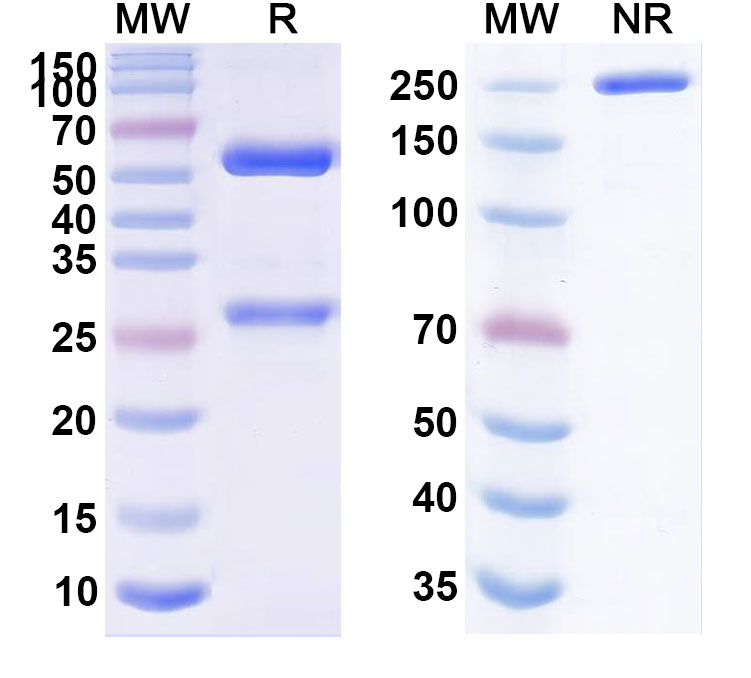
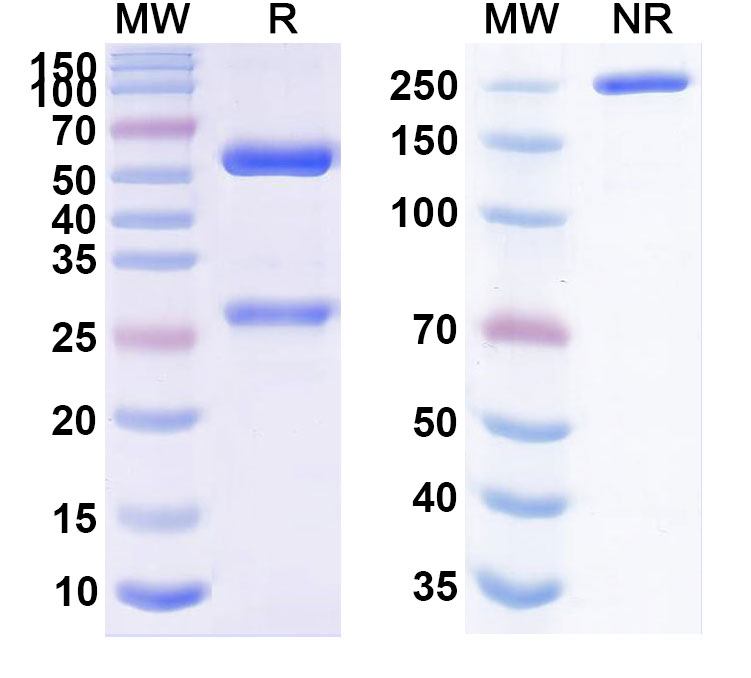
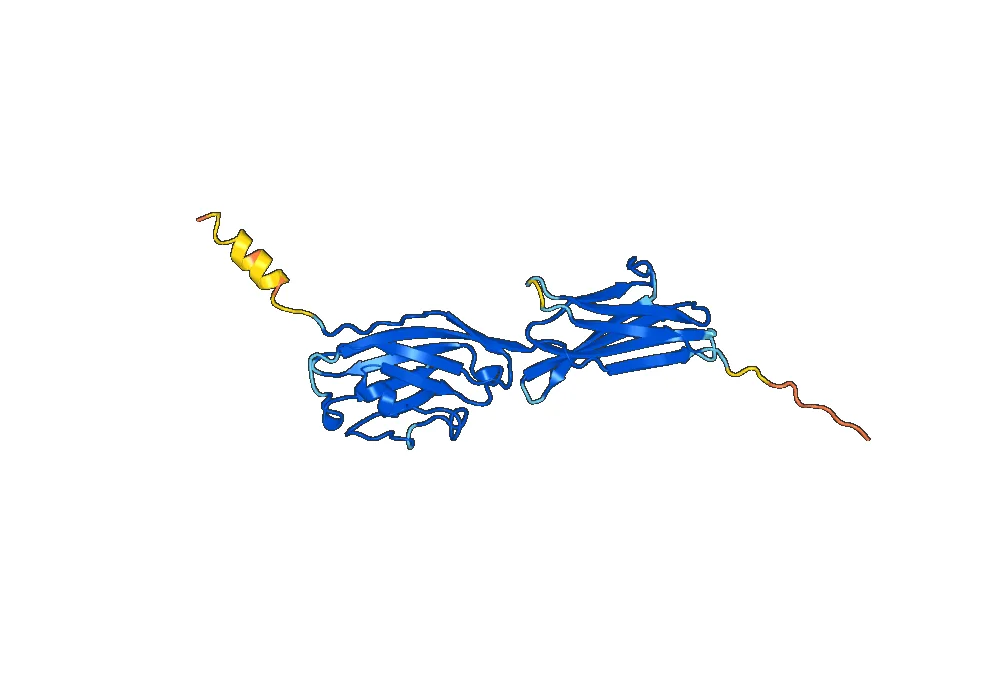
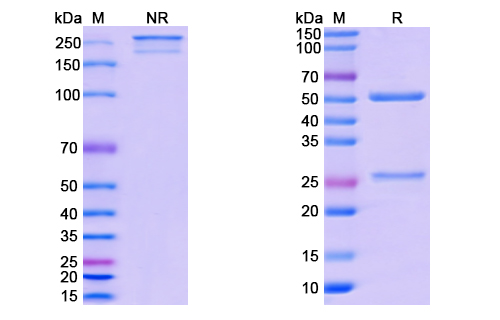
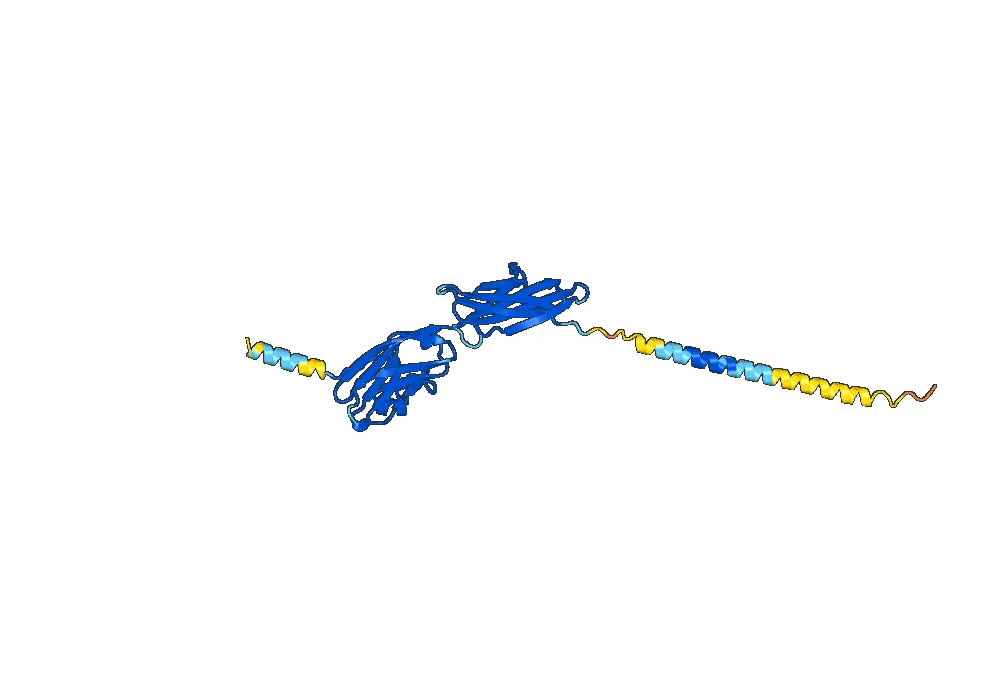
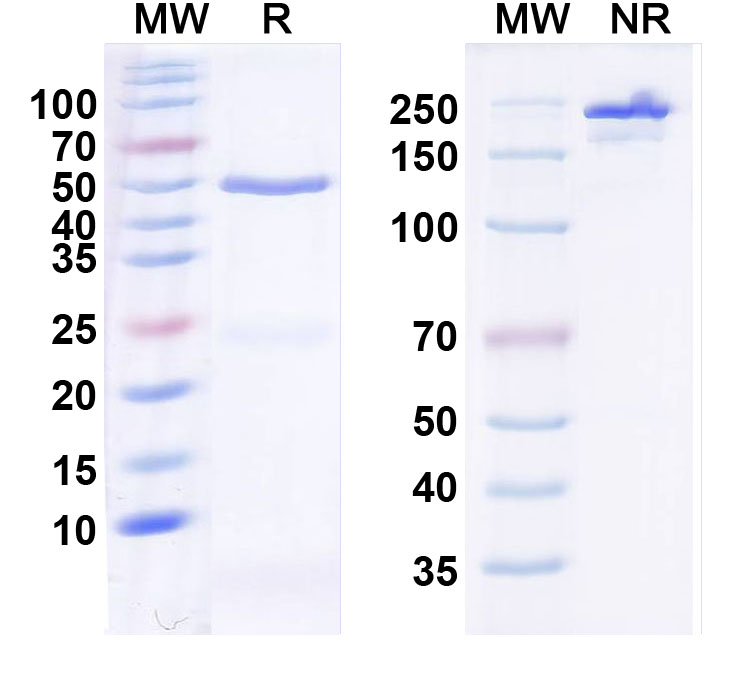
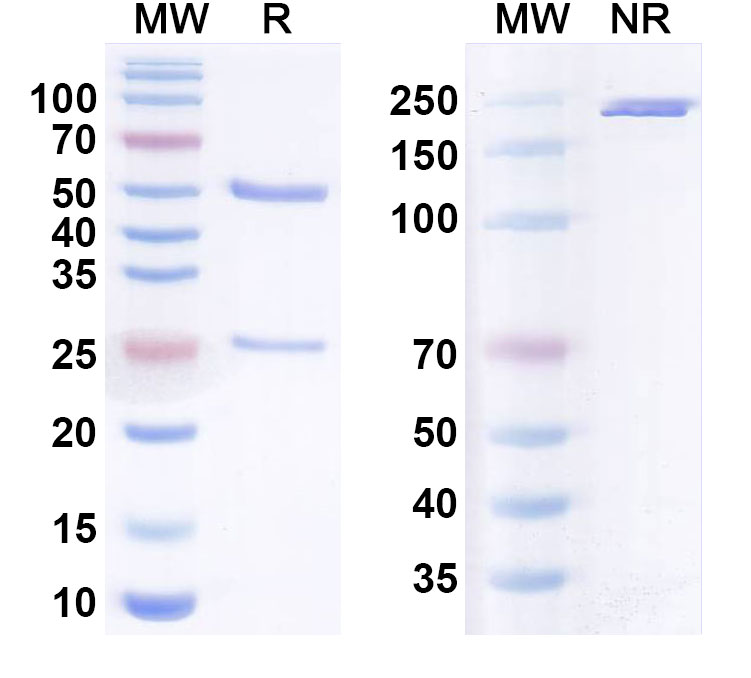
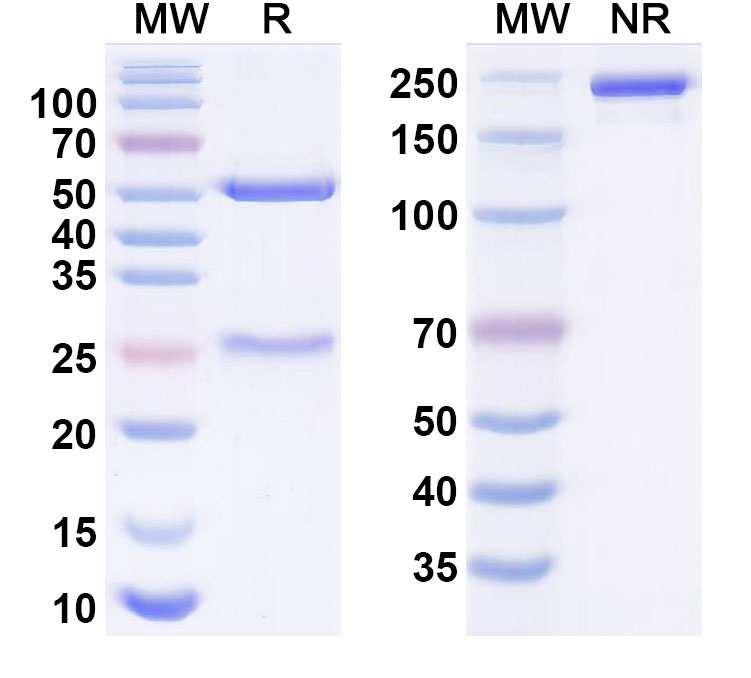
Opucolimab Biosimilar is a recombinant, humanized IgG1 monoclonal antibody. It is composed of two identical heavy chains and two identical light chains, each containing a variable region and a constant region. The variable regions are responsible for binding to PD-L1, while the constant regions are responsible for mediating effector functions such as antibody-dependent cellular cytotoxicity (ADCC) and complement-dependent cytotoxicity (CDC).
Mechanism of Action
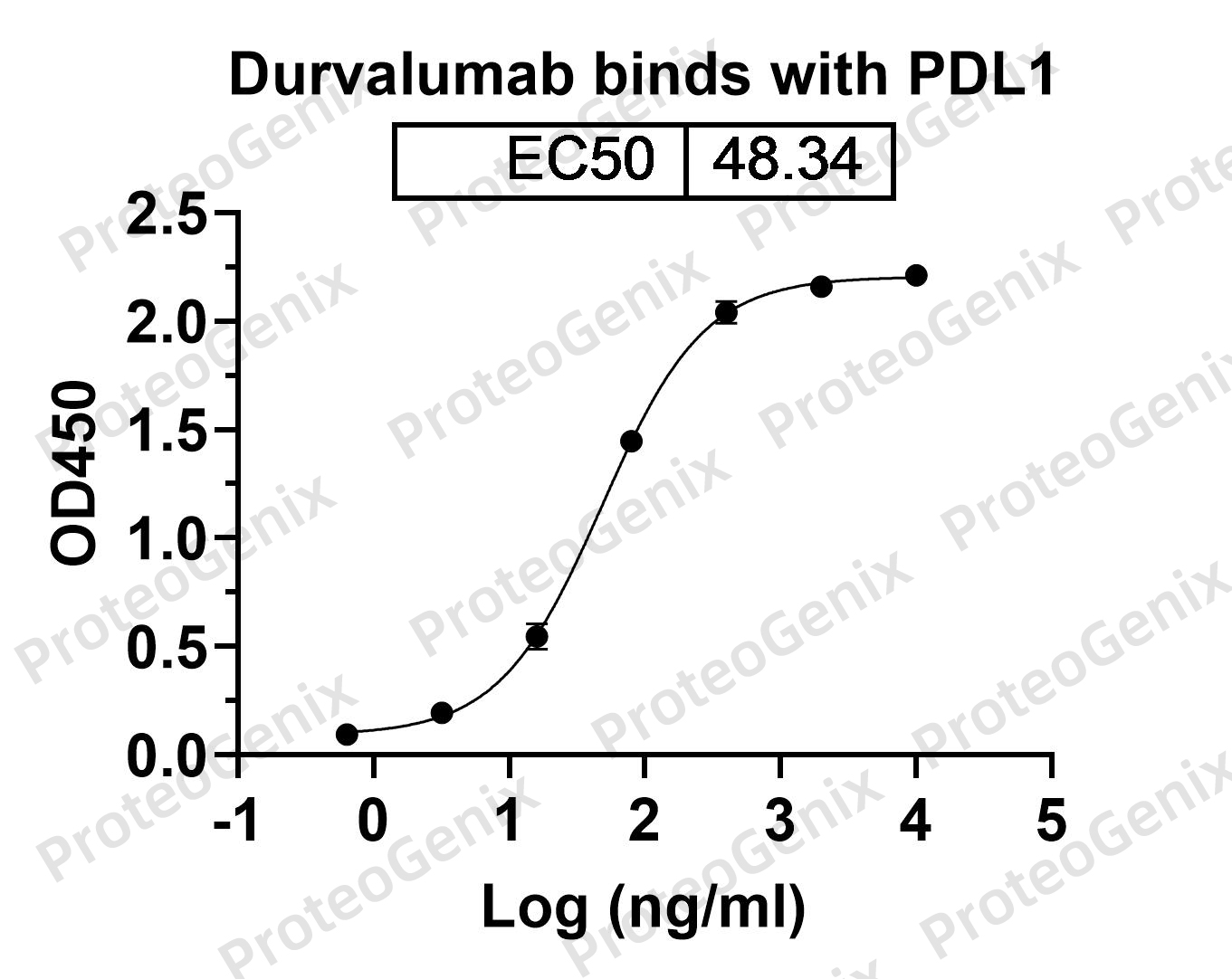
Opucolimab Biosimilar works by binding to PD-L1 on the surface of cancer cells, preventing it from interacting with PD-1 on immune cells. This interaction is important for cancer cells to escape detection and destruction by the immune system. By blocking this interaction, Opucolimab Biosimilar allows immune cells to recognize and attack cancer cells, leading to their destruction.
Therapeutic Applications
Opucolimab Biosimilar has shown promising results in the treatment of various types of cancer, including non-small cell lung cancer, melanoma, and bladder cancer. It has been approved for use in combination with other cancer therapies, such as chemotherapy or other checkpoint inhibitors, or as a single agent in patients who have already received other treatments.
Non-Small Cell Lung Cancer (NSCLC)
Opucolimab Biosimilar has been shown to be effective in treating NSCLC, which is the most common type of lung cancer. In clinical trials, it has been shown to improve overall survival and progression-free survival in patients with advanced NSCLC when used in combination with chemotherapy.
Melanoma
Opucolimab Biosimilar has also been approved for the treatment of melanoma, a type of skin cancer. In clinical trials, it has been shown to improve overall survival and progression-free survival in patients with advanced melanoma when used in combination with another checkpoint inhibitor.
Bladder Cancer
Opucolimab Biosimilar has also shown promising results in the treatment of bladder cancer, which is the sixth most common cancer in the United States. It has been approved for use in patients with locally advanced or metastatic bladder cancer who have previously received chemotherapy.
Research Grade
Opucolimab Biosimilar is available in a research grade format, which is suitable for use in laboratory research and preclinical studies. This grade is produced using the same manufacturing process as the clinical grade, ensuring consistency and reliability in research results.
Conclusion
Opucolimab Biosimilar is a promising immunotherapeutic agent that specifically targets PD-L1, a key protein involved in cancer immune evasion. Its mechanism of action, therapeutic applications, and availability in a research grade format make it a valuable tool for cancer research and potential treatment. As further studies are conducted, Opucolimab Biosimilar has the potential to improve outcomes for patients with various types of cancer.
There are no reviews yet.