Title: Understanding the Structure and Function of Manelimab Biosimilar – An Anti-CD274, PD-L1, B7-H1 mAb
Introduction:
Manelimab Biosimilar is a novel monoclonal antibody (mAb) that specifically targets CD274, also known as programmed death-ligand 1 (PD-L1) or B7-H1. This antibody has gained significant attention in the field of immunotherapy due to its potential as a therapeutic agent for various types of cancers. In this article, we will delve into the structure, activity, and application of Manelimab Biosimilar as a research grade antibody.
Structure of Manelimab Biosimilar:
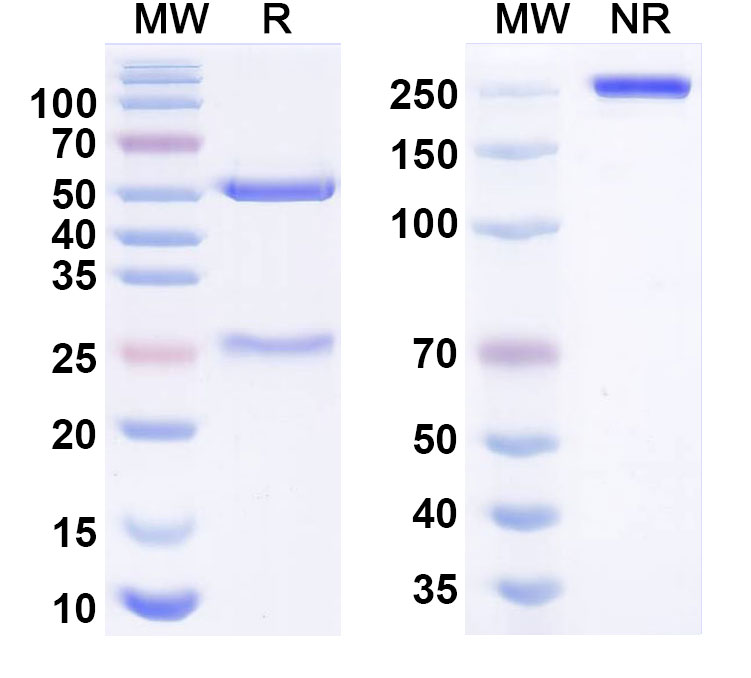
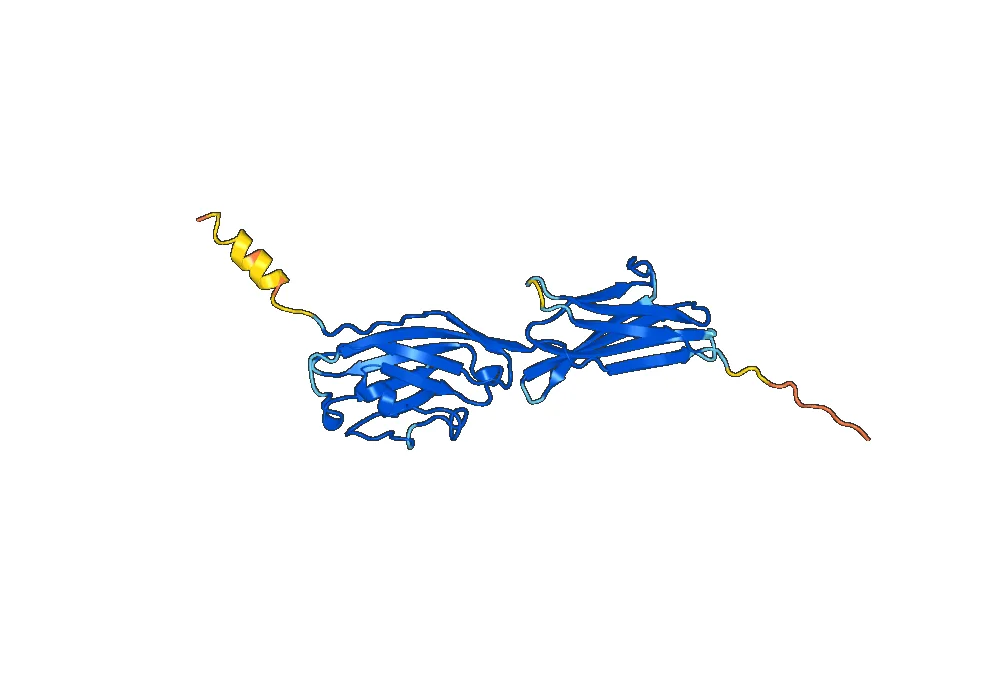
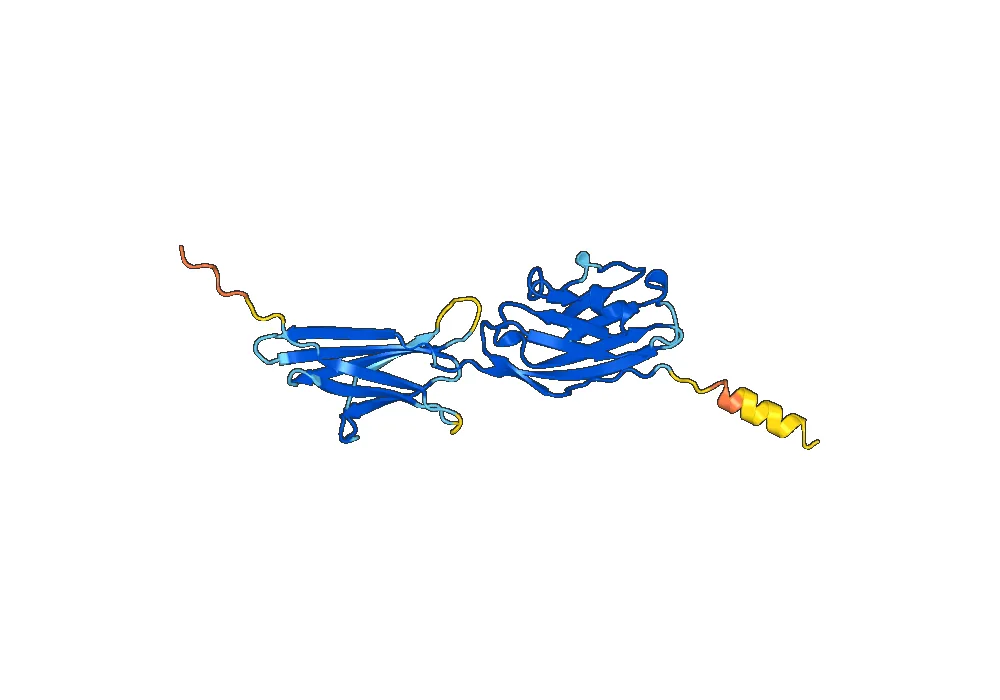
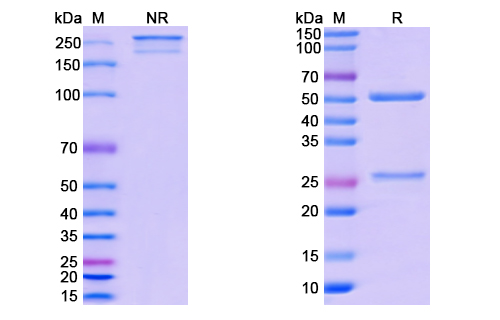
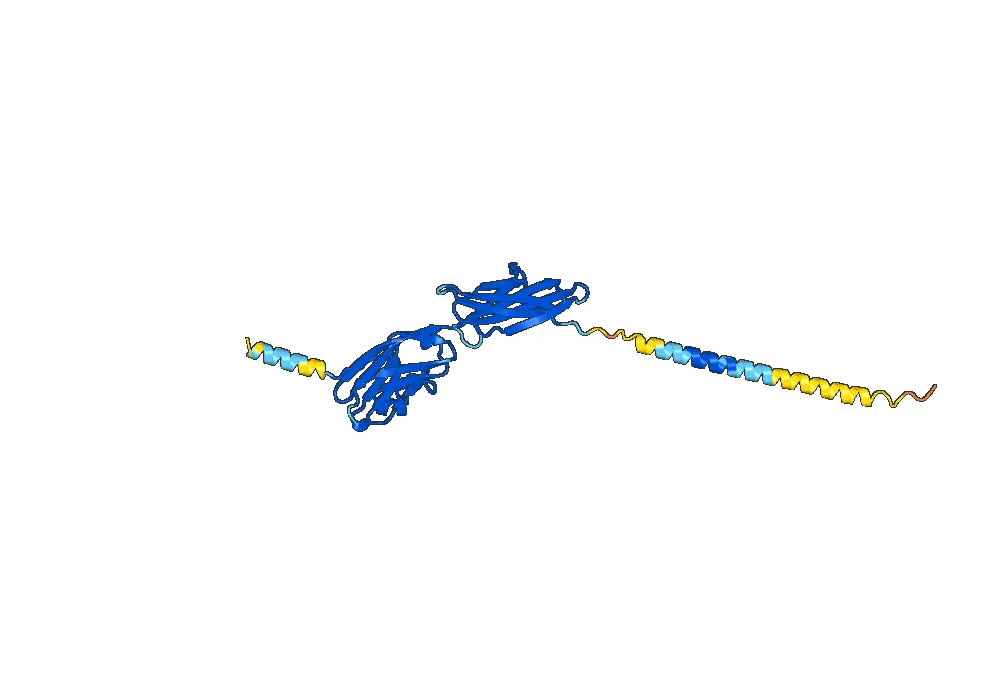
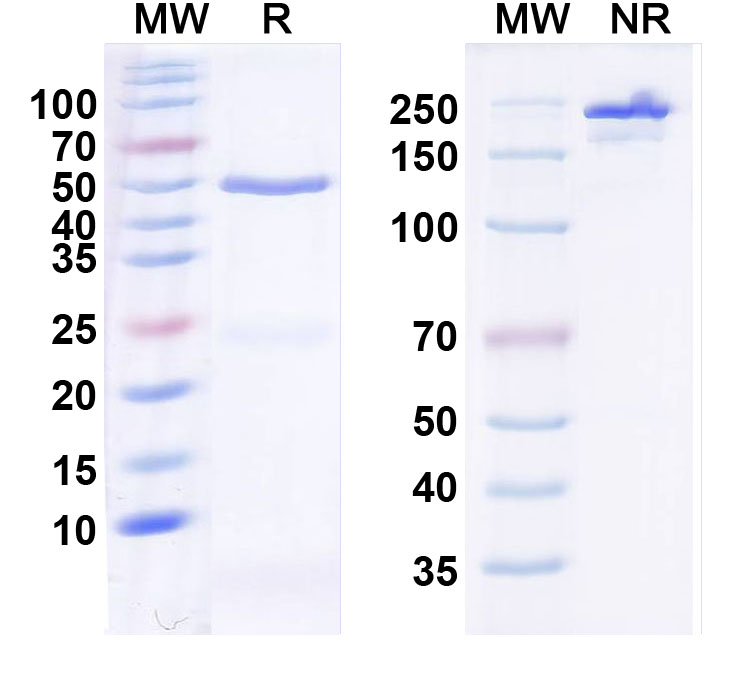
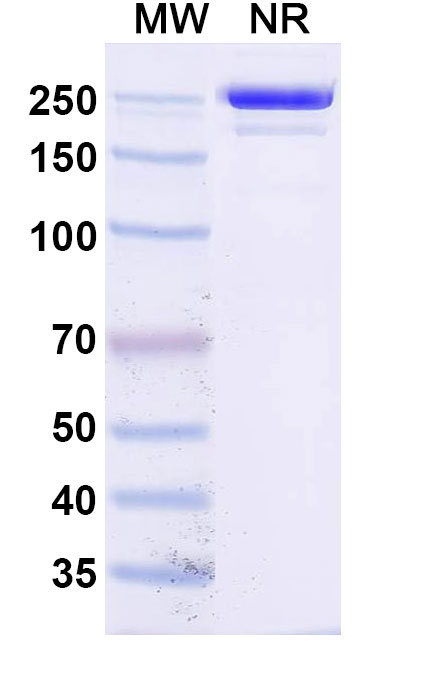
Manelimab Biosimilar is a fully humanized IgG1 monoclonal antibody, with a molecular weight of approximately 150 kDa. It is composed of two identical heavy chains and two identical light chains, each containing a variable region and a constant region. The variable region of the antibody is responsible for its specificity and binds to the extracellular domain of PD-L1, while the constant region mediates its effector functions.
Activity of Manelimab Biosimilar:
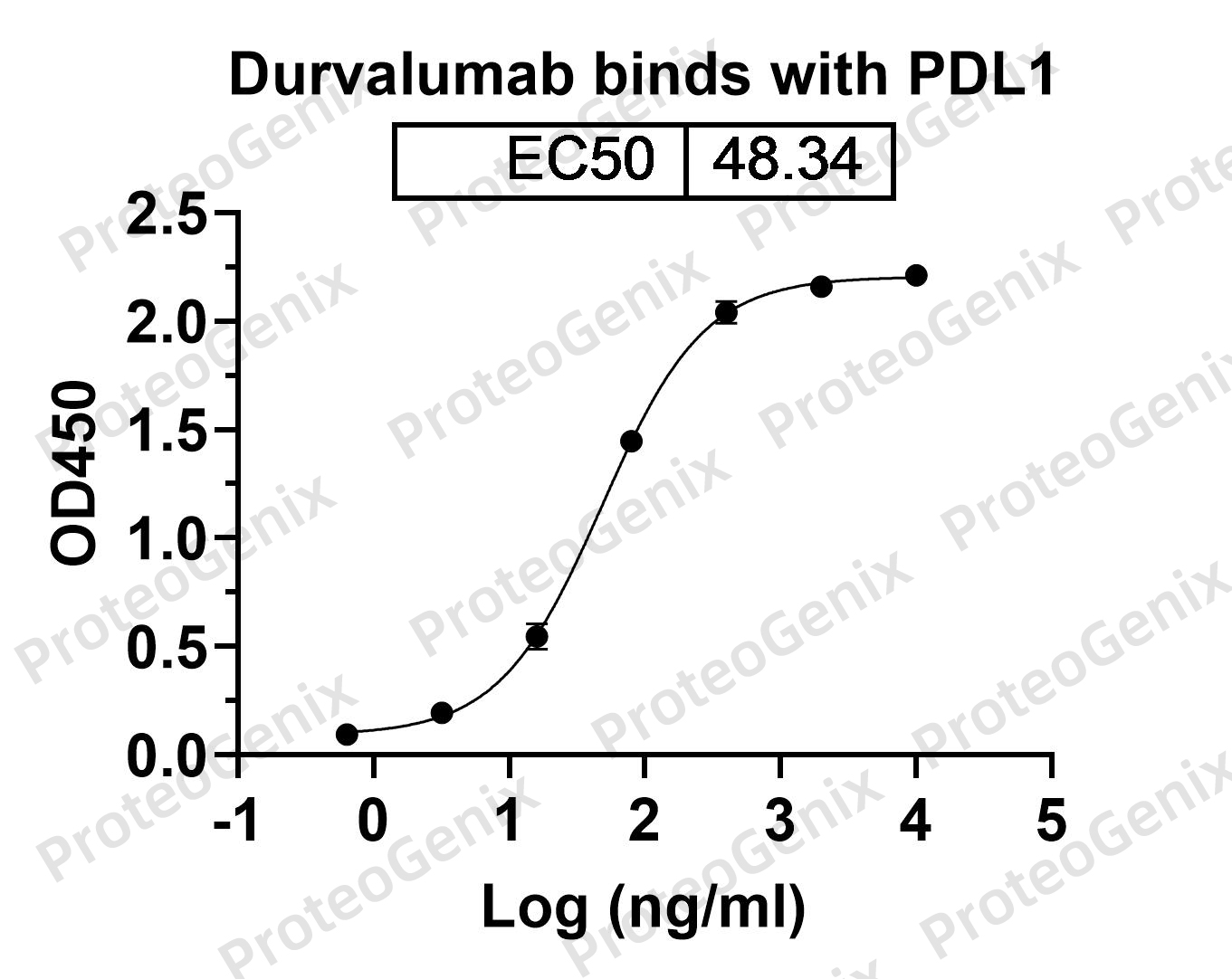
The primary function of Manelimab Biosimilar is to block the interaction between PD-L1 and its receptor, programmed cell death protein 1 (PD-1). This interaction is known to suppress the immune response and promote tumor growth. By binding to PD-L1, Manelimab Biosimilar prevents its interaction with PD-1, thereby restoring the anti-tumor activity of immune cells.
In addition to blocking the PD-L1/PD-1 pathway, Manelimab Biosimilar also has other effector functions. It can induce antibody-dependent cellular cytotoxicity (ADCC) and complement-dependent cytotoxicity (CDC) by binding to Fc receptors on immune cells and activating the complement system, respectively. These mechanisms further enhance the anti-tumor activity of Manelimab Biosimilar.
Application of Manelimab Biosimilar:
As a research grade antibody, Manelimab Biosimilar has been extensively studied in preclinical and clinical settings for its potential as a therapeutic agent. It has shown promising results in various types of cancers, including lung cancer, melanoma, and bladder cancer. In a phase 3 clinical trial, Manelimab Biosimilar demonstrated superior efficacy compared to standard chemotherapy in patients with advanced non-small cell lung cancer.
Moreover, Manelimab Biosimilar has also been investigated as a combination therapy with other anti- cancer agents. In a phase 1b clinical trial, the combination of Manelimab Biosimilar and a PD-1 inhibitor showed improved anti-tumor activity in patients with advanced solid tumors.
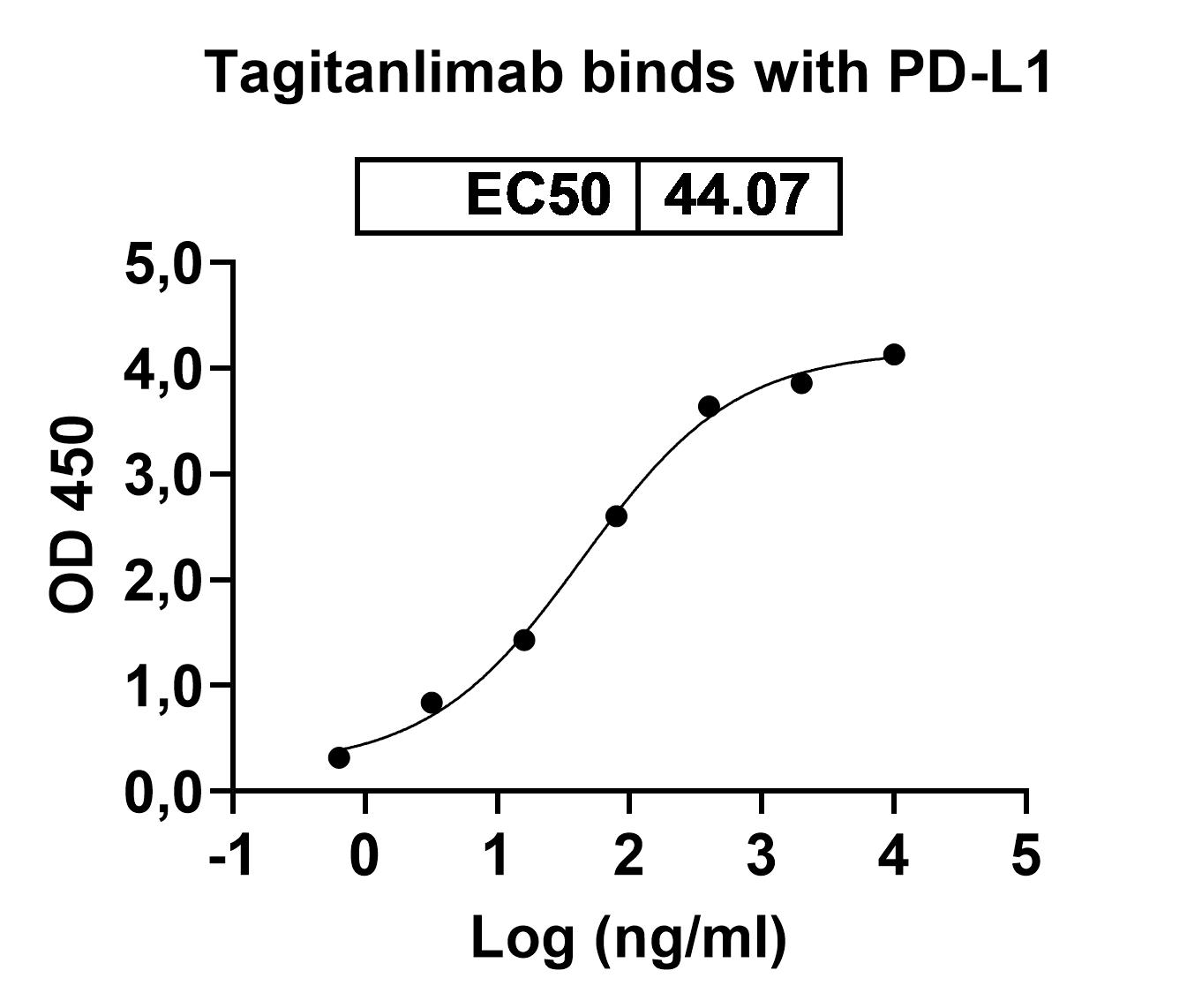
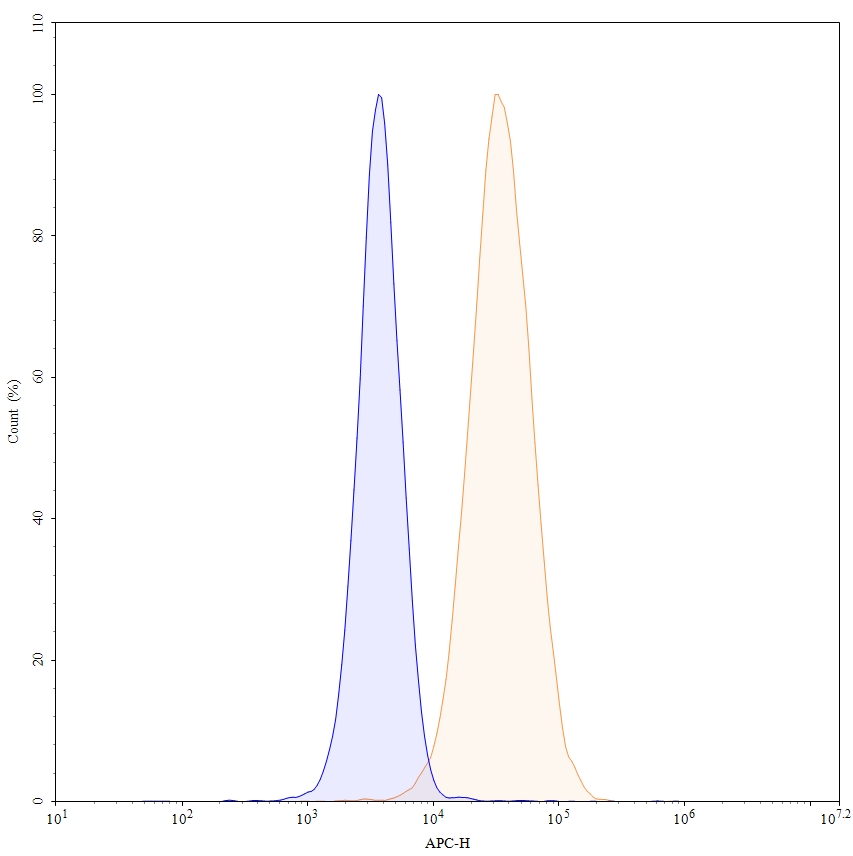
Apart from its therapeutic potential, Manelimab Biosimilar is also used as a research tool in studying the PD-L1/PD-1 pathway and its role in cancer immunology. Its high specificity and affinity make it a valuable tool for detecting and quantifying PD-L1 expression in tumor tissues.
Conclusion:
In summary, Manelimab Biosimilar is a novel monoclonal antibody that specifically targets PD-L1, a key player in tumor immune evasion. Its unique structure and effector functions make it a promising therapeutic agent for various types of cancers. As a research grade antibody, it has also contributed to the understanding of the PD-L1/PD-1 pathway and its potential as a therapeutic target. Further studies and clinical trials are warranted to fully explore the potential of Manelimab Biosimilar in cancer treatment.
There are no reviews yet.