Introduction
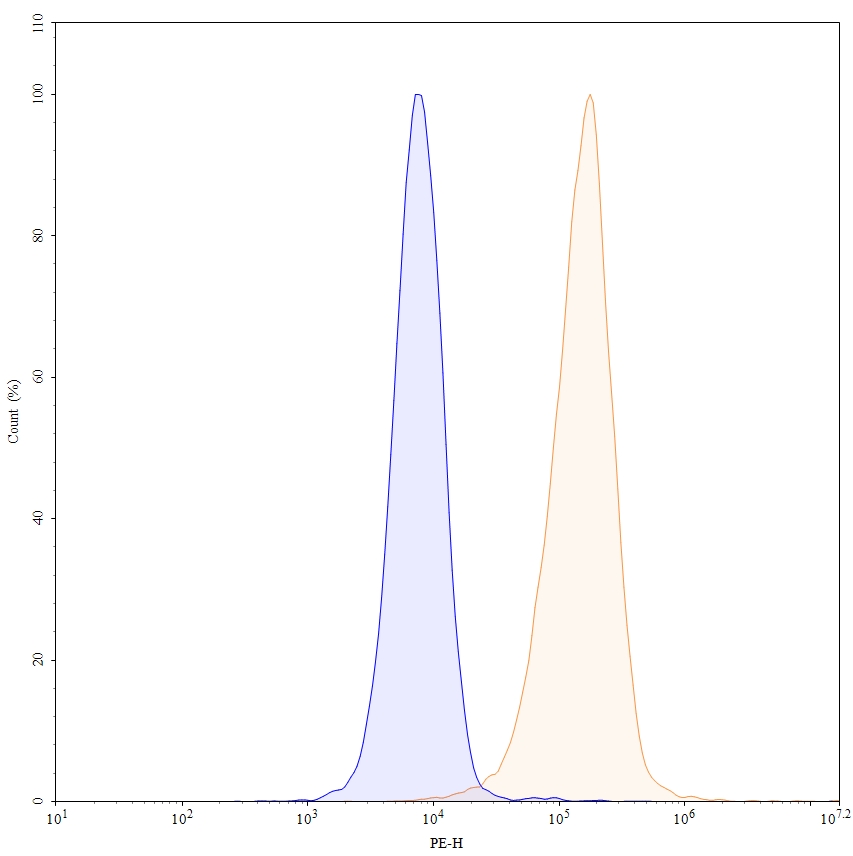
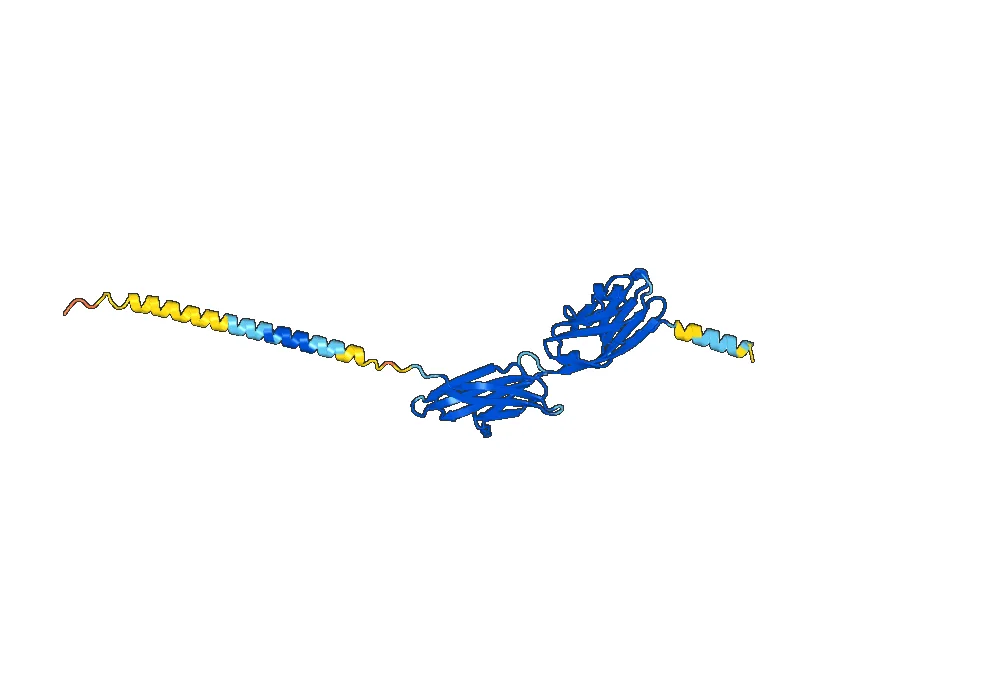
Lesabelimab Biosimilar, also known as Anti-CD274 mAb, is a monoclonal antibody that targets the CD274 protein, also known as programmed death-ligand 1 (PD-L1). This protein is expressed on the surface of various types of cancer cells and plays a crucial role in suppressing the immune response against these cancer cells. Lesabelimab Biosimilar is a research grade antibody that has shown promising results in pre-clinical studies and is currently being evaluated for its potential as a therapeutic agent in the treatment of cancer.
Structure of Lesabelimab Biosimilar
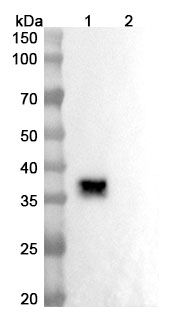
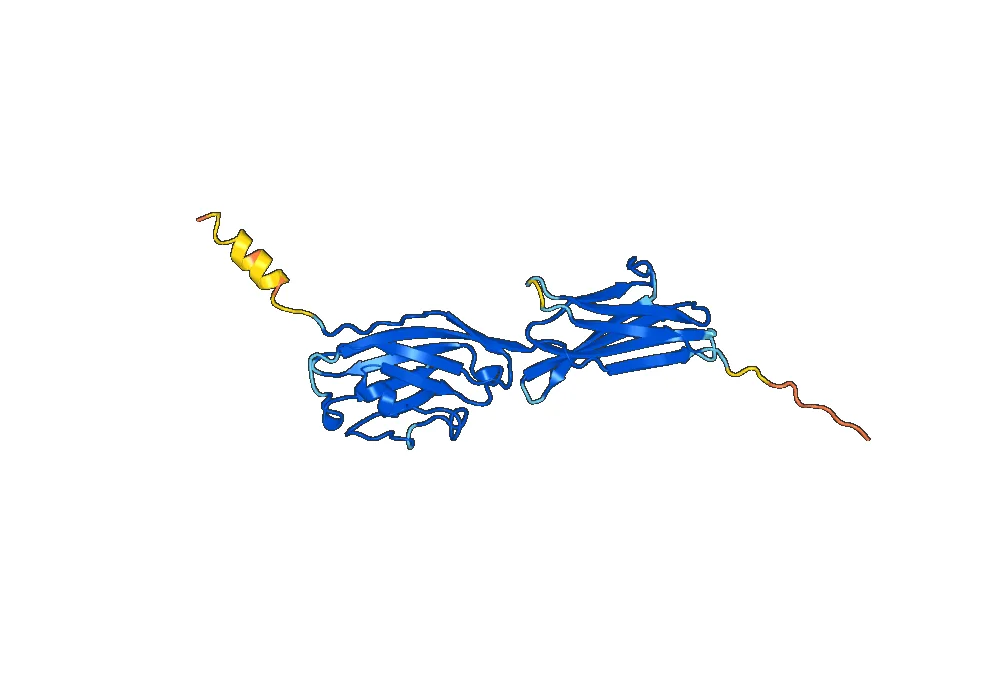
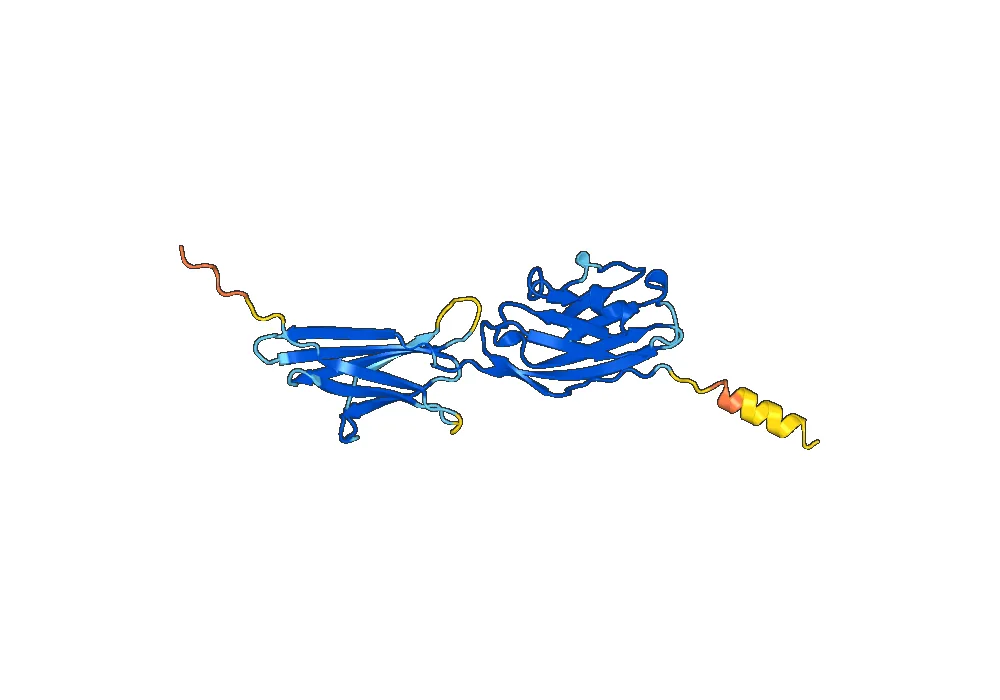
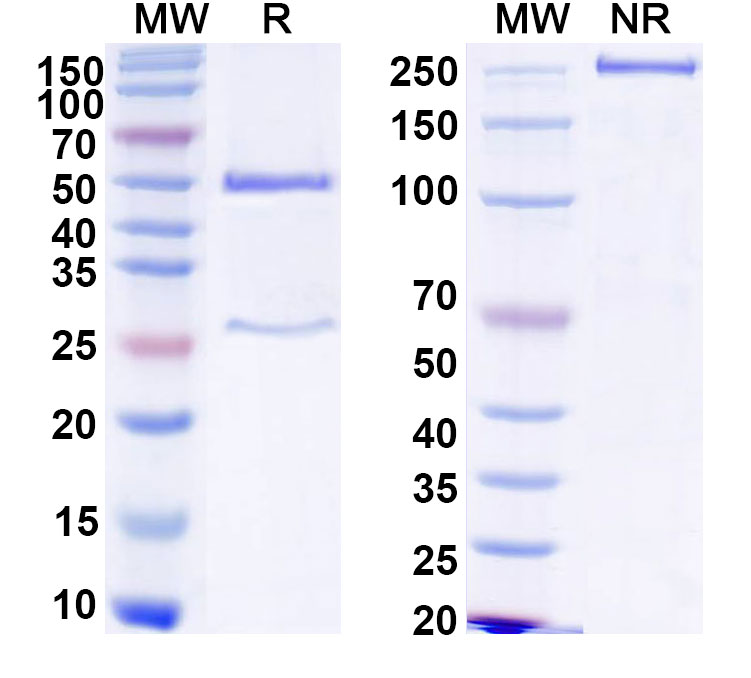
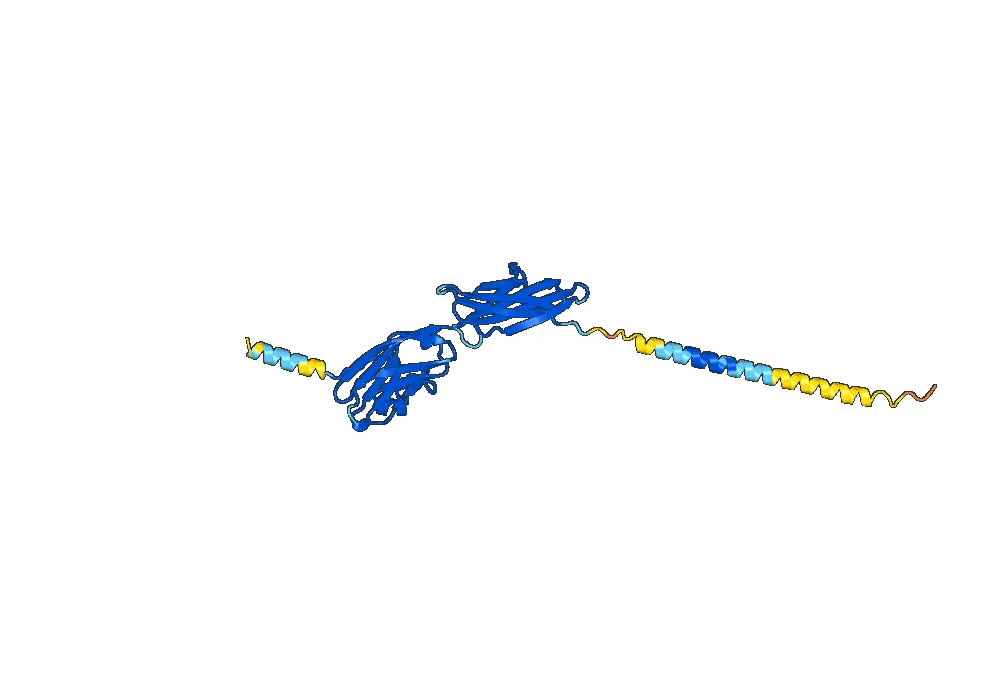
Lesabelimab Biosimilar is a humanized monoclonal antibody, meaning it is derived from human cells and has been modified to reduce the risk of immune reactions. It is composed of two identical heavy chains and two identical light chains, each with a molecular weight of approximately 150 kDa. The antibody has a Y-shaped structure, with two antigen binding sites located at the ends of the arms. These binding sites are specific for the CD274 protein, allowing Lesabelimab Biosimilar to bind and neutralize its target.
Activity of Lesabelimab Biosimilar
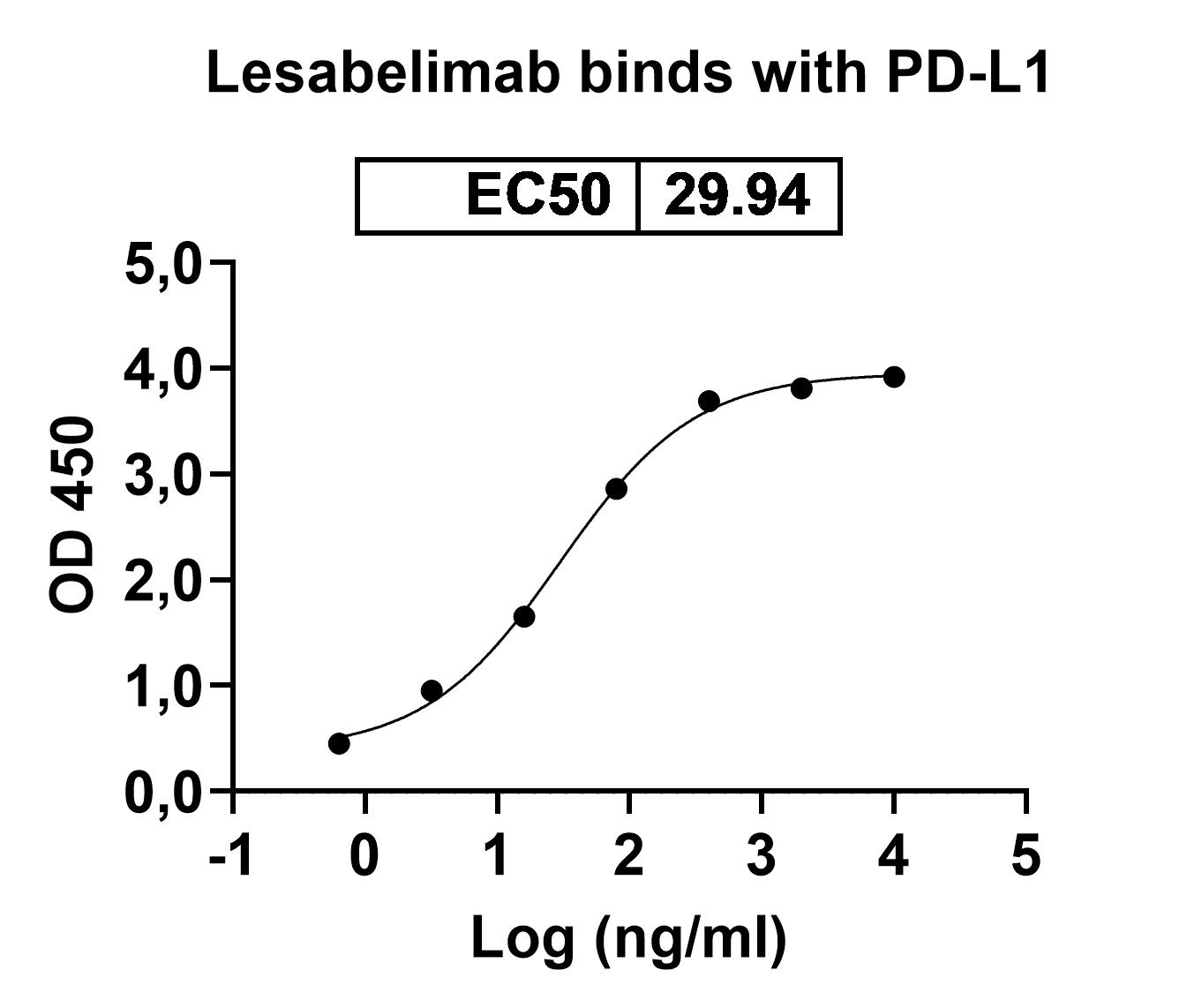
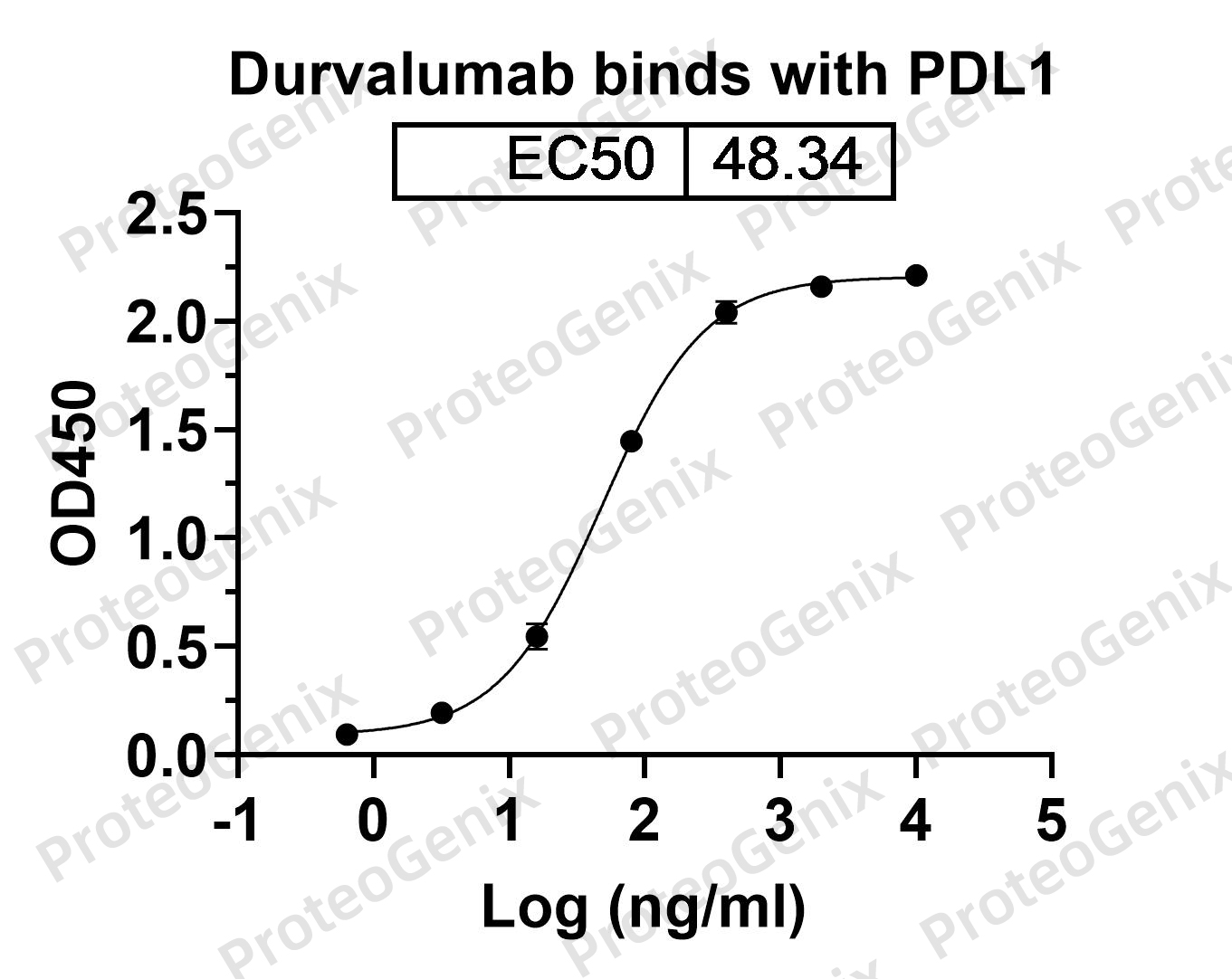
The main activity of Lesabelimab Biosimilar is its ability to block the interaction between PD-L1 and its receptor, programmed cell death protein 1 (PD-1). This interaction is crucial for the suppression of the immune response against cancer cells. By binding to PD-L1, Lesabelimab Biosimilar prevents PD-L1 from interacting with PD-1, thus allowing the immune system to recognize and attack cancer cells.
In addition to blocking the PD-L1/PD-1 interaction, Lesabelimab Biosimilar also has the ability to induce antibody-dependent cellular cytotoxicity (ADCC). This means that the antibody can bind to cancer cells and recruit immune cells, such as natural killer cells, to kill the cancer cells. This dual mechanism of action makes Lesabelimab Biosimilar a potent anti- cancer agent.
Application of Lesabelimab Biosimilar
Lesabelimab Biosimilar is currently being evaluated for its potential as a therapeutic agent in the treatment of various types of cancer. It has shown promising results in pre-clinical studies, with significant anti-tumor activity observed in multiple cancer cell lines. Lesabelimab Biosimilar has also been shown to enhance the efficacy of chemotherapy and radiation therapy in combination treatments.
One of the main advantages of Lesabelimab Biosimilar is its potential to overcome resistance to other cancer treatments. Many cancer cells develop resistance to chemotherapy and targeted therapies by upregulating PD-L1 expression. By targeting PD-L1, Lesabelimab Biosimilar can overcome this resistance and enhance the efficacy of other treatments.
Conclusion
In summary, Lesabelimab Biosimilar is a research grade monoclonal antibody that targets the CD274 protein, also known as PD-L1. It has a Y-shaped structure and is composed of two heavy chains and two light chains. The main activity of Lesabelimab Biosimilar is its ability to block the interaction between PD-L1 and PD-1, as well as induce ADCC. This makes it a potent anti- cancer agent with the potential to overcome resistance to other treatments. Further clinical studies are needed to determine the full therapeutic potential of Lesabelimab Biosimilar in the treatment of cancer.
There are no reviews yet.