Introduction
Cosibelimab Biosimilar, also known as Anti-CD274, PD-L1, B7-H1 mAb, is a novel therapeutic antibody that has shown promising potential in the treatment of various cancers. This biosimilar is designed to target the PD-L1 protein, which is a key immune checkpoint that plays a critical role in suppressing the immune response against cancer cells. In this article, we will discuss the structure, activity, and potential applications of Cosibelimab Biosimilar in the field of cancer research.
Structure of Cosibelimab Biosimilar
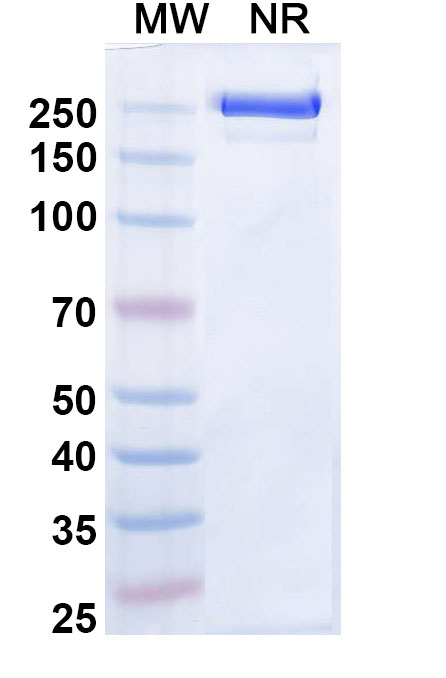
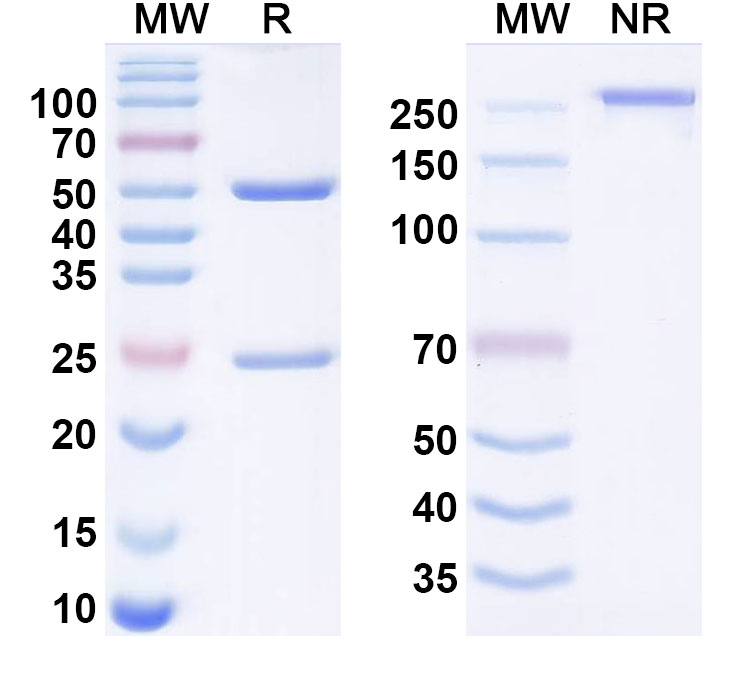
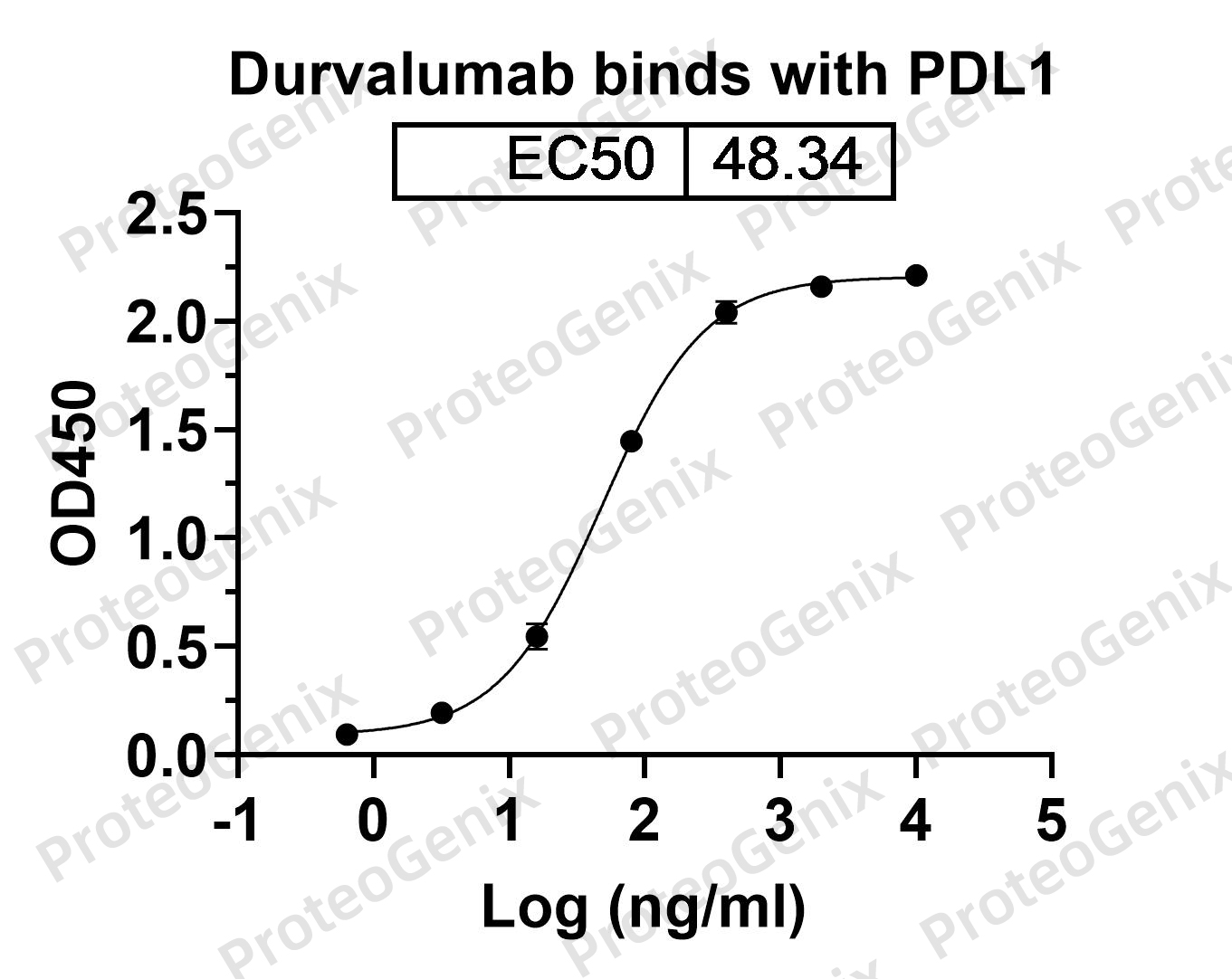
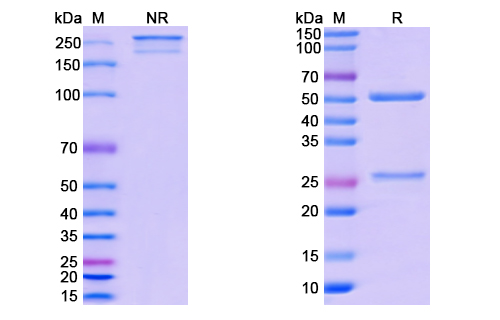
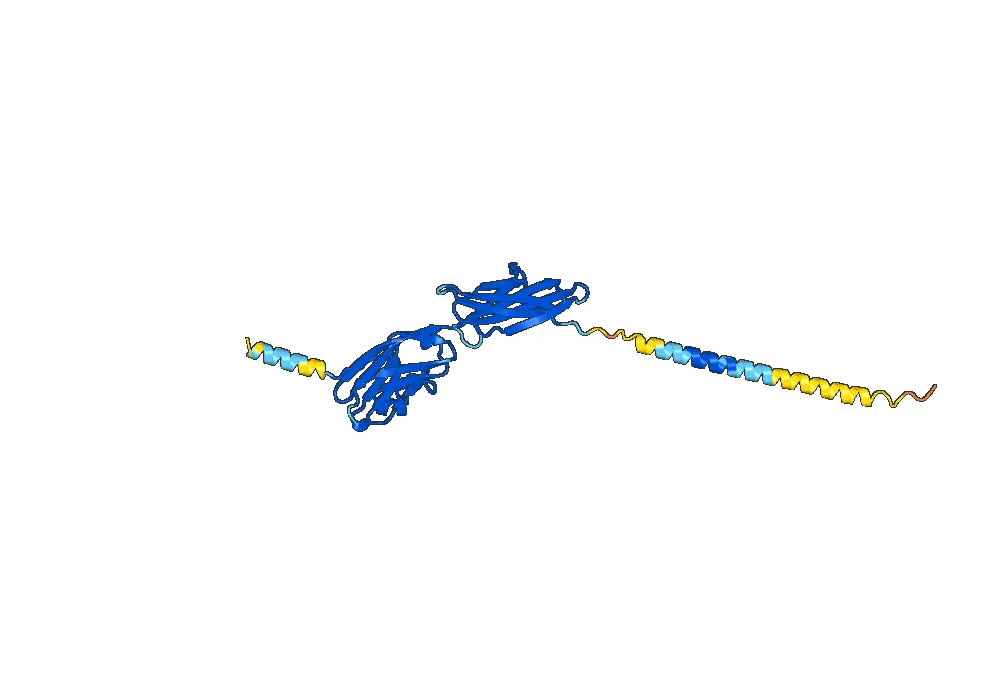
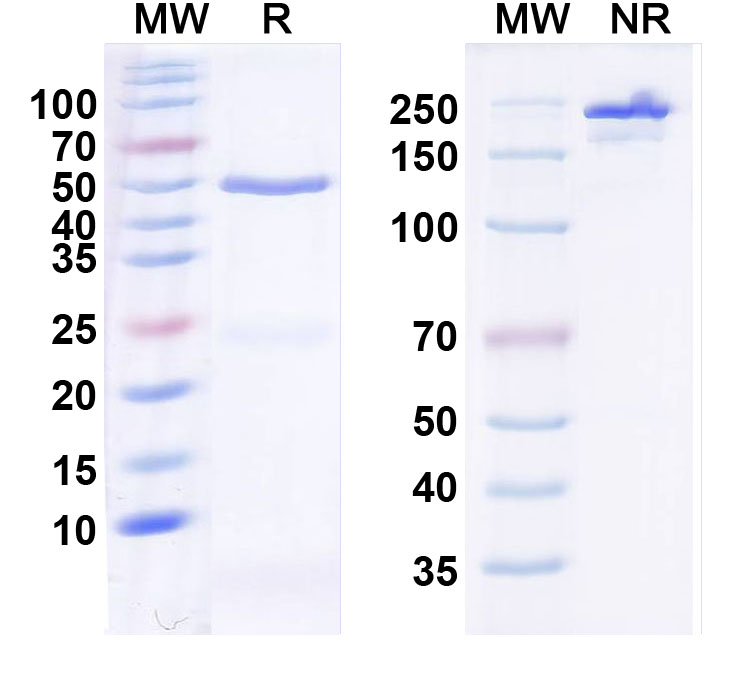
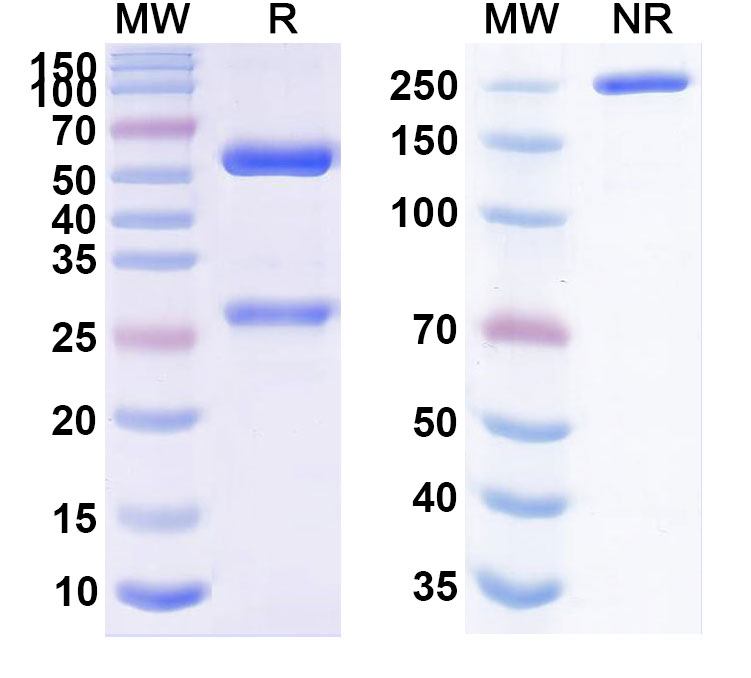
Cosibelimab Biosimilar is a monoclonal antibody (mAb) that is produced through recombinant DNA technology. It is a fully humanized IgG1 antibody, meaning that it is composed of human antibody constant regions and variable regions derived from human B cells. The antibody has a molecular weight of approximately 150 kDa and consists of two heavy chains and two light chains, connected by disulfide bonds. The variable regions of the antibody are responsible for binding specifically to the PD-L1 protein.
Activity of Cosibelimab Biosimilar
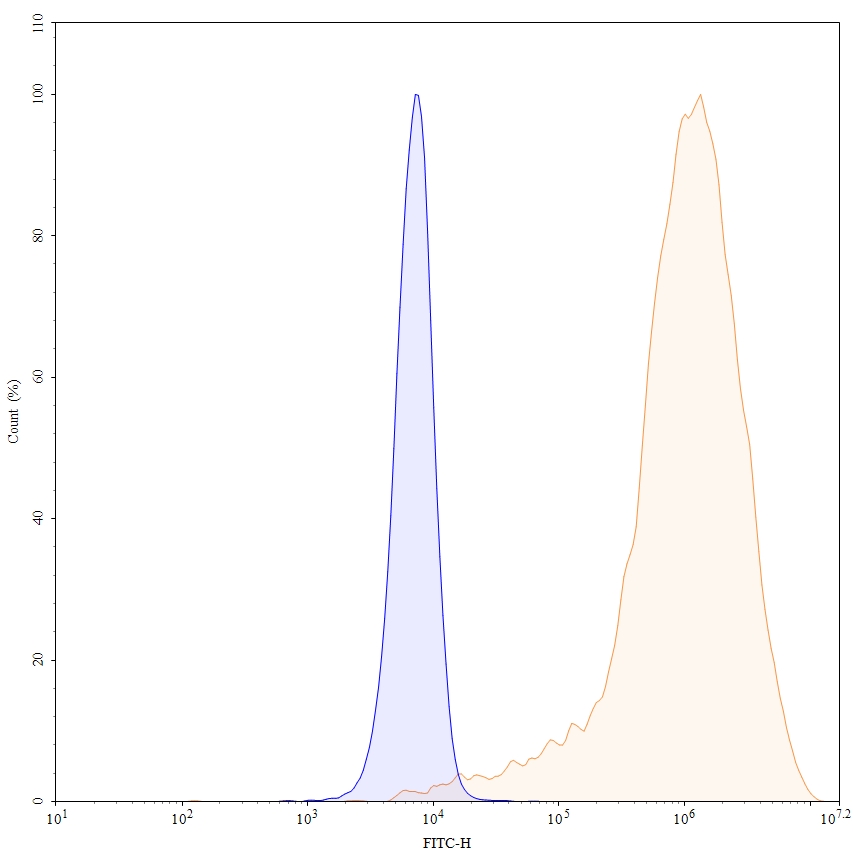
The primary mechanism of action of Cosibelimab Biosimilar is its ability to block the interaction between PD-L1 and its receptor, PD-1, on T cells. This interaction is known to suppress the immune response against cancer cells, allowing them to evade detection and destruction by the immune system. By blocking this interaction, Cosibelimab Biosimilar restores the ability of T cells to recognize and attack cancer cells.
In addition to its direct effect on PD-L1, Cosibelimab Biosimilar also has an indirect effect on other immune cells. It has been shown to enhance the activity of natural killer (NK) cells, which play a crucial role in the immune response against cancer. Furthermore, the antibody has been found to promote the maturation and activation of dendritic cells, which are responsible for initiating and regulating the immune response.
Potential Applications of Cosibelimab Biosimilar
Cosibelimab Biosimilar is currently being investigated for its potential in the treatment of various cancers, including lung cancer, melanoma, and bladder cancer. It has shown promising results in preclinical studies and is now being evaluated in clinical trials.
One of the potential applications of Cosibelimab Biosimilar is in combination therapy with other cancer treatments. It has been found to enhance the activity of chemotherapy and radiation therapy by increasing the immune response against cancer cells. Additionally, the antibody has shown synergy with other immunotherapies, such as checkpoint inhibitors targeting other immune checkpoints.
Another potential application of Cosibelimab Biosimilar is in the treatment of cancers that are known to have high levels of PD-L1 expression. These include lung cancer and melanoma, where PD-L1 expression is associated with poor prognosis and resistance to conventional treatments. By targeting PD-L1, Cosibelimab Biosimilar has the potential to improve the outcomes of these patients.
Conclusion
In summary, Cosibelimab Biosimilar is a novel therapeutic antibody that targets the PD-L1 protein, a key immune checkpoint in cancer. Its unique structure and mechanism of action make it a promising candidate for the treatment of various cancers, either as a monotherapy or in combination with other treatments. Further research and clinical trials are needed to fully understand the potential of this biosimilar and its role in the field of cancer research.
There are no reviews yet.