Introduction to Socazolimab Biosimilar – Anti-PDL1 mAb
Socazolimab Biosimilar is a novel research grade antibody that has been developed as a potential therapeutic agent for various diseases. This biosimilar is designed to target the programmed death-ligand 1 (PD-L1) protein, which plays a crucial role in regulating the immune response. In this article, we will take a closer look at the structure, activity, and potential applications of Socazolimab Biosimilar.
Structure of Socazolimab Biosimilar
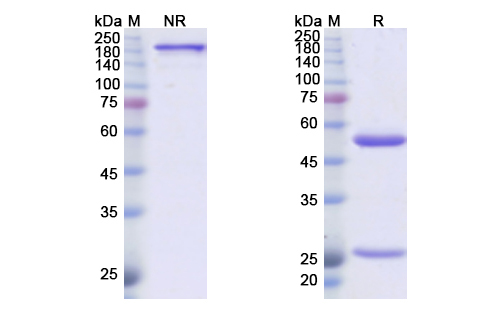
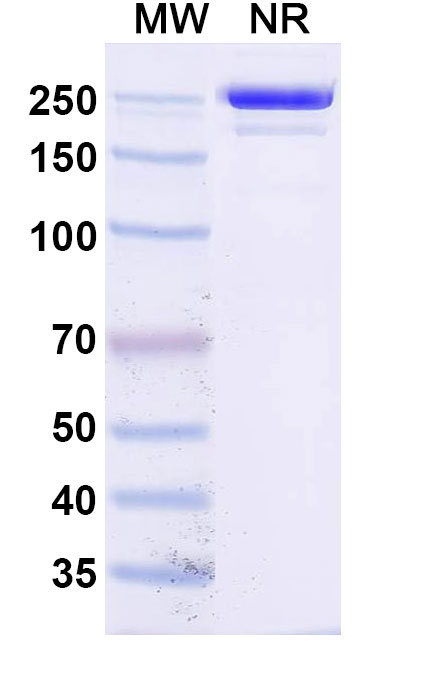
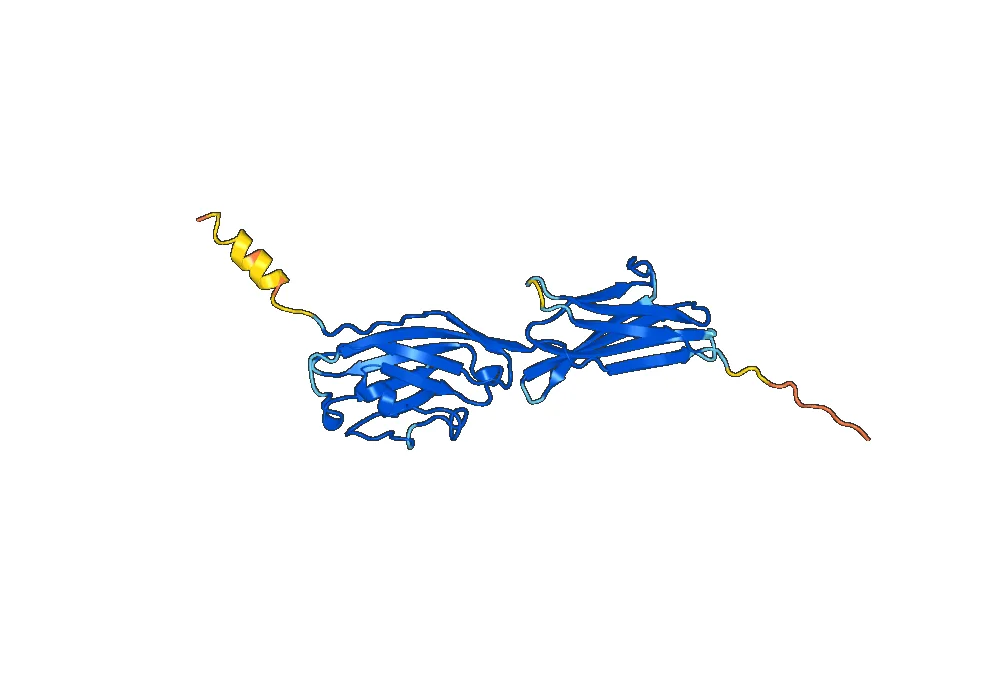
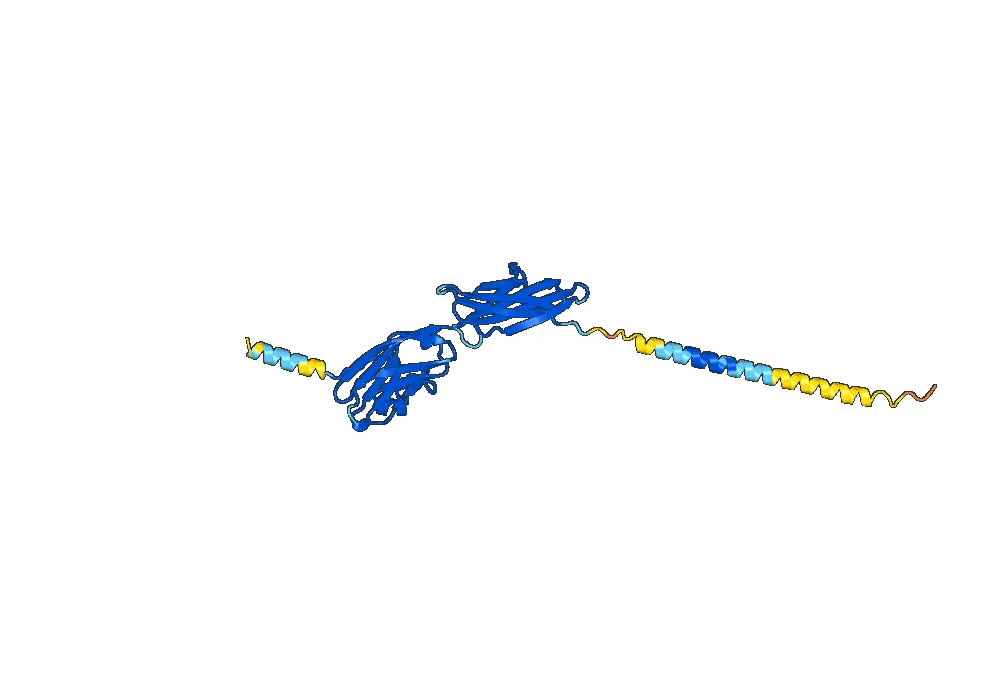
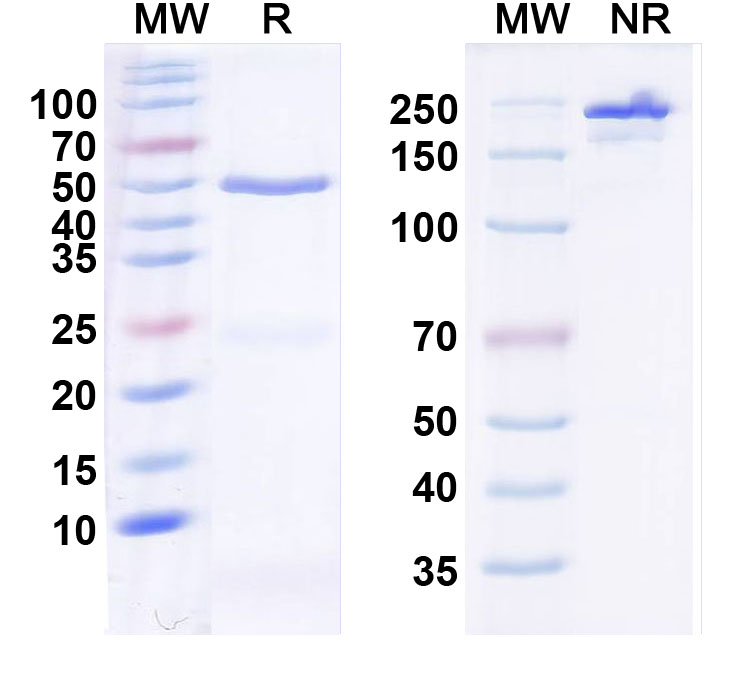
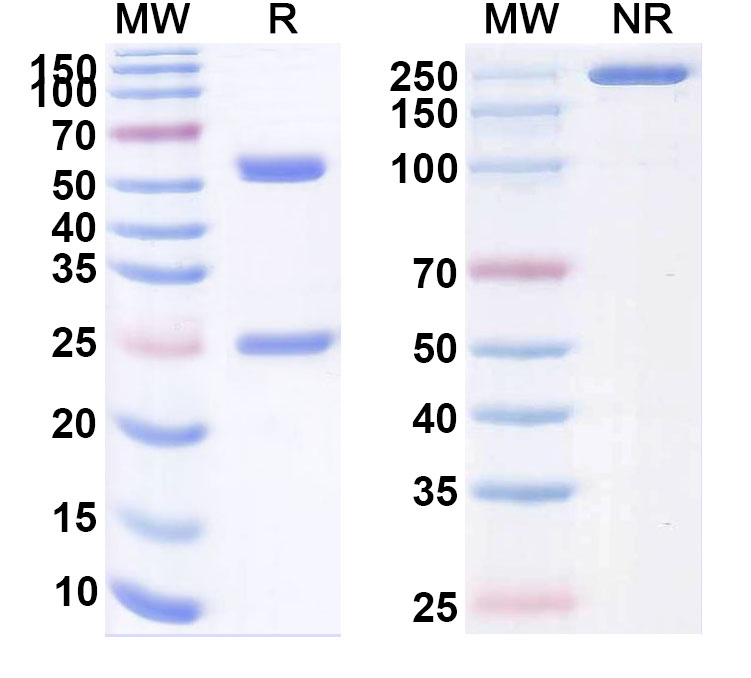
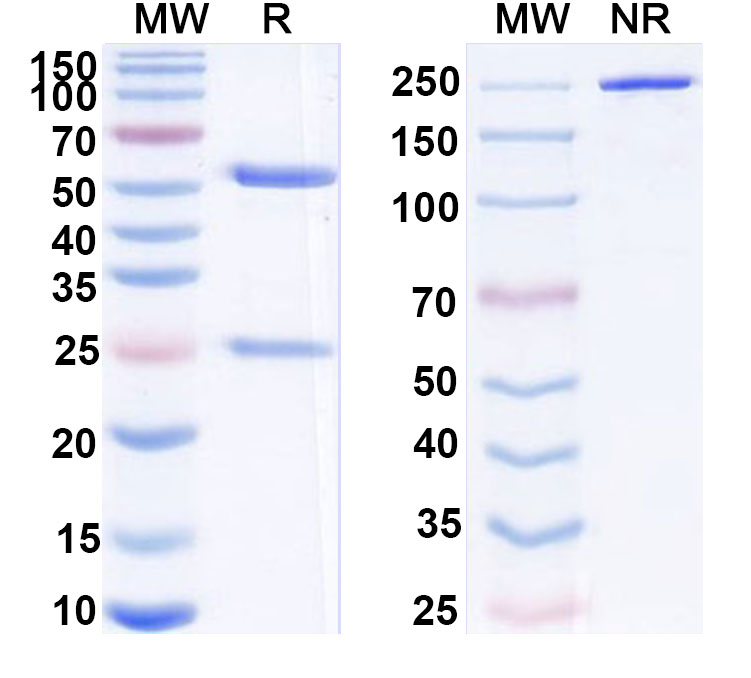
Socazolimab Biosimilar is a monoclonal antibody (mAb) that is produced in a laboratory using recombinant DNA technology. It is a fully humanized IgG1 antibody, which means that it is derived from human cells and has a similar structure to the antibodies naturally produced in the human body. The antibody consists of two heavy chains and two light chains, each with a variable region that is responsible for binding to the target protein PD-L1.
Mechanism of Action
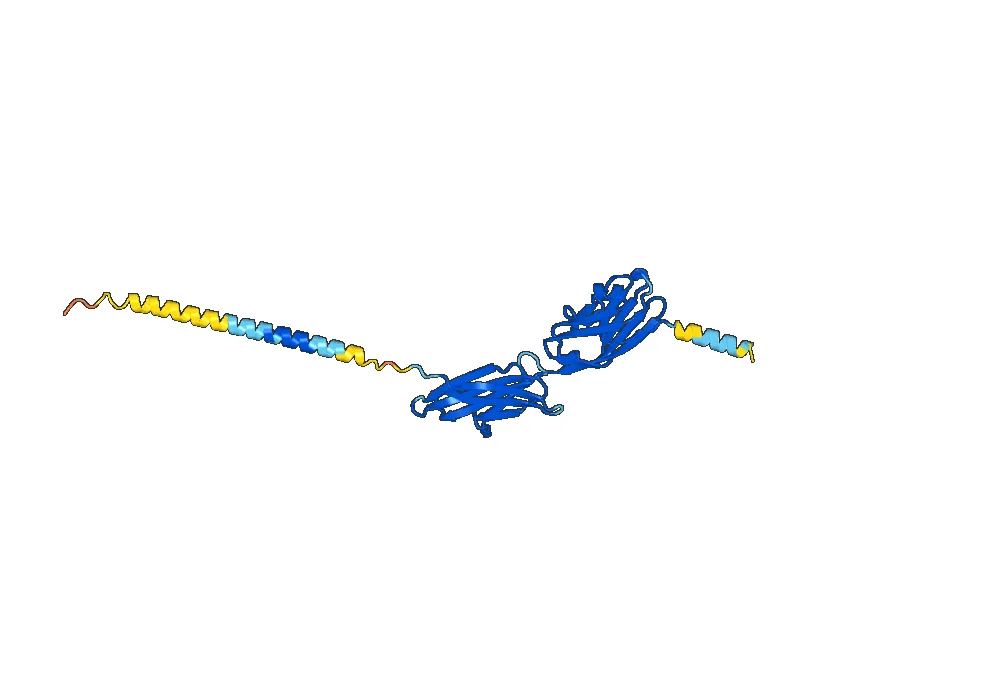
The main target of Socazolimab Biosimilar is the PD-L1 protein, which is expressed on the surface of various cells, including cancer cells. PD-L1 interacts with the programmed cell death protein 1 (PD-1) on immune cells, leading to the suppression of the immune response. This mechanism is exploited by cancer cells to evade detection and destruction by the immune system. Socazolimab Biosimilar works by binding to PD-L1, blocking its interaction with PD-1 and restoring the immune response against cancer cells.
Title: Potential Applications
Socazolimab Biosimilar has shown promising results in preclinical studies and is currently being evaluated in clinical trials for the treatment of various cancers, including non-small cell lung cancer, melanoma, and bladder cancer. The antibody has also shown potential in treating autoimmune diseases, such as rheumatoid arthritis and lupus, where PD-L1 plays a role in suppressing the immune system.
Advantages of Socazolimab Biosimilar
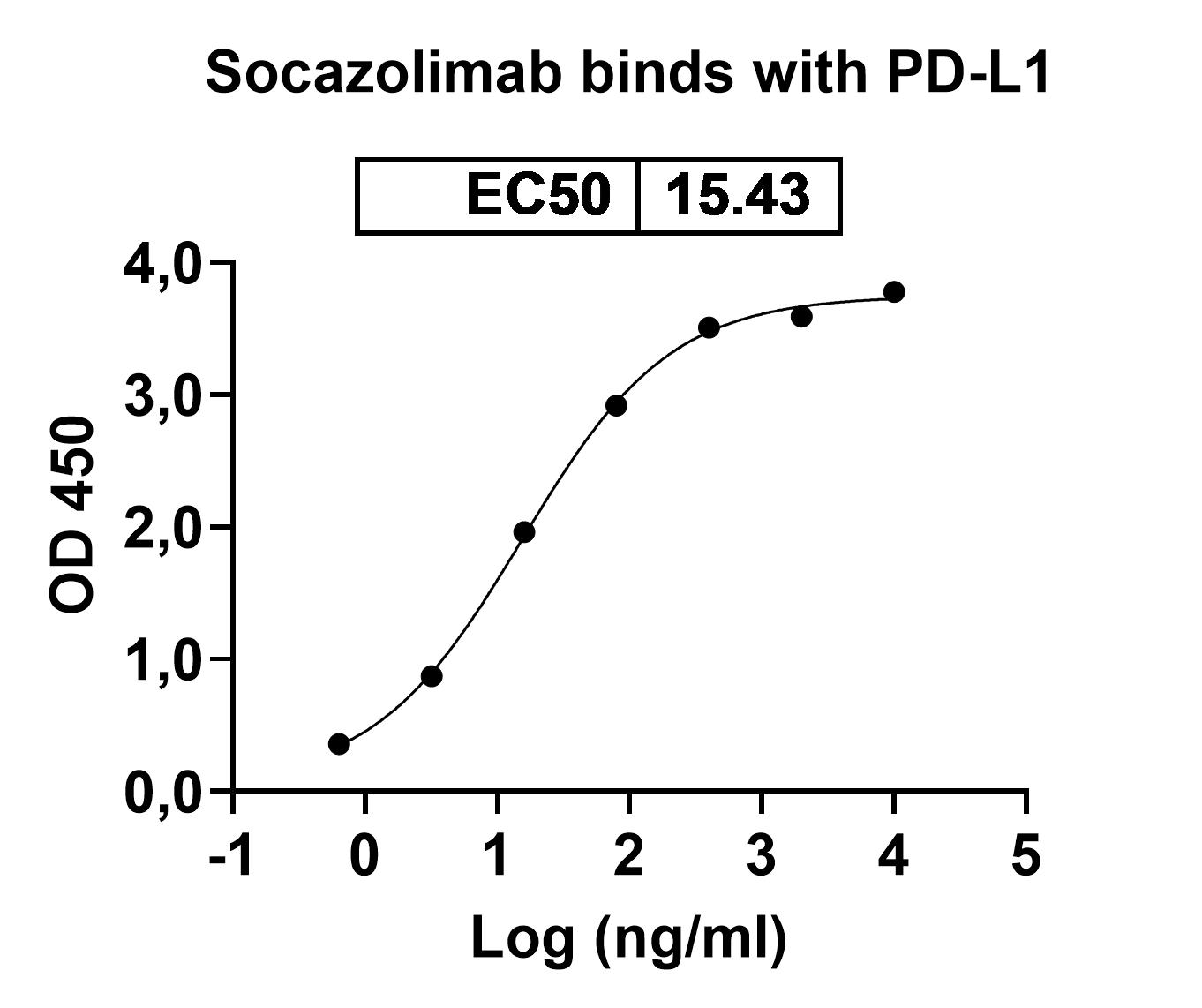
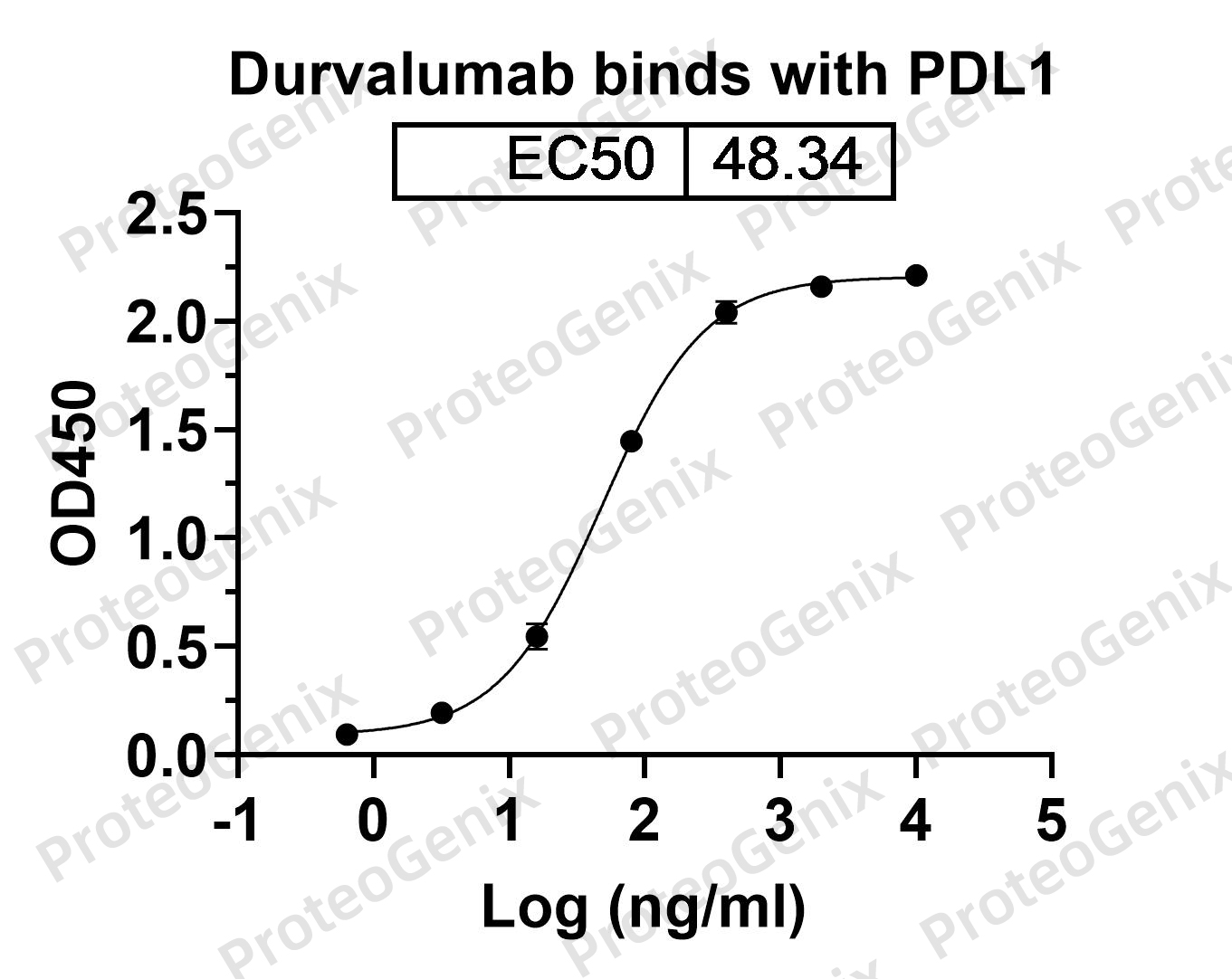
Compared to other anti-PD-L1 antibodies, Socazolimab Biosimilar has several advantages. Being a fully humanized antibody, it has a lower risk of inducing an immune response in patients. It also has a longer half-life, which means it can remain in the body for a longer period, leading to a sustained therapeutic effect. Additionally, Socazolimab Biosimilar has a high binding affinity for PD-L1, making it a potent inhibitor of the PD-L1/PD-1 interaction.
Title: Research Grade Antibody
Socazolimab Biosimilar is currently in the research grade stage, which means it is not yet approved for clinical use. However, it is being studied extensively in preclinical and clinical trials to establish its safety and efficacy. Once the necessary data is gathered, the antibody may progress to become a therapeutic option for patients with cancer and autoimmune diseases.
Conclusion
In summary, Socazolimab Biosimilar is a promising antibody that has the potential to become a valuable therapeutic option for various diseases. Its structure, mechanism of action, and potential applications make it a promising candidate for the treatment of cancer and autoimmune diseases. Further research and clinical trials are needed to fully evaluate the safety and efficacy of this antibody.
There are no reviews yet.