Introduction
Tagitanlimab Biosimilar, also known as Anti-PDL1 mAb, is a monoclonal antibody that has been developed as a biosimilar to the therapeutic antibody atezolizumab. It is designed to target and inhibit the programmed death-ligand 1 (PD-L1) protein, which is a key immune checkpoint molecule involved in regulating the immune response. This scientific web content will provide a detailed description of the structure, activity, and application of Tagitanlimab Biosimilar in research settings.
Structure of Tagitanlimab Biosimilar
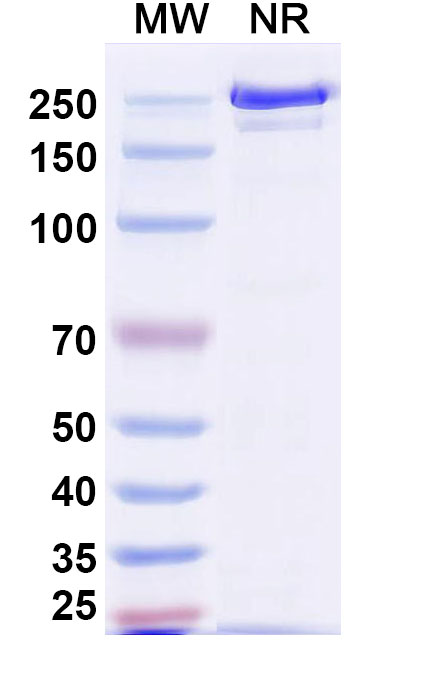
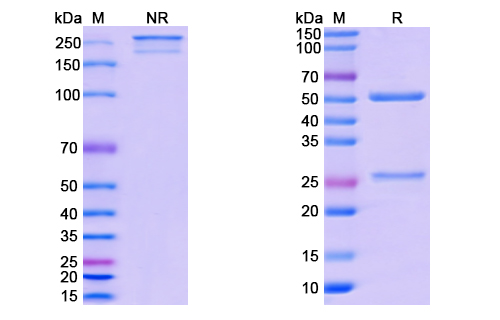
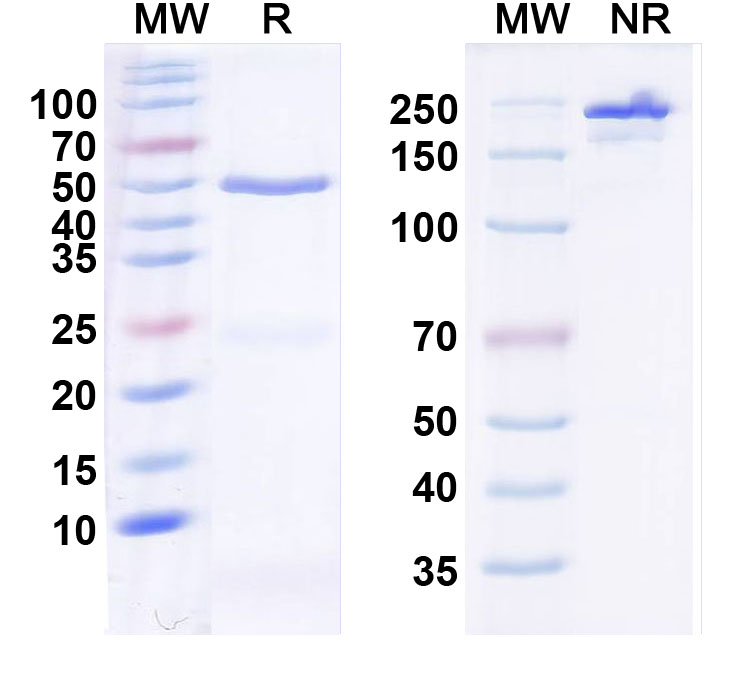
Tagitanlimab Biosimilar is a recombinant humanized monoclonal antibody that is composed of two identical heavy chains and two identical light chains. The heavy chains are made up of 452 amino acids, while the light chains consist of 214 amino acids. The antibody has a molecular weight of approximately 150 kDa. The variable regions of the antibody, responsible for binding to PD-L1, are derived from the parent antibody atezolizumab, while the constant regions are of human origin.
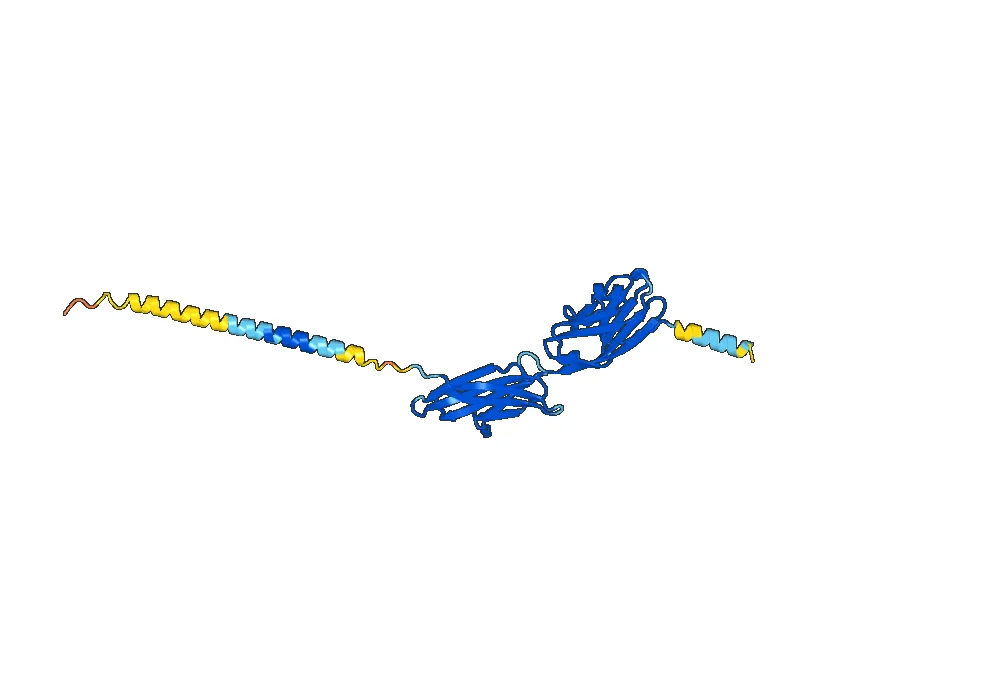
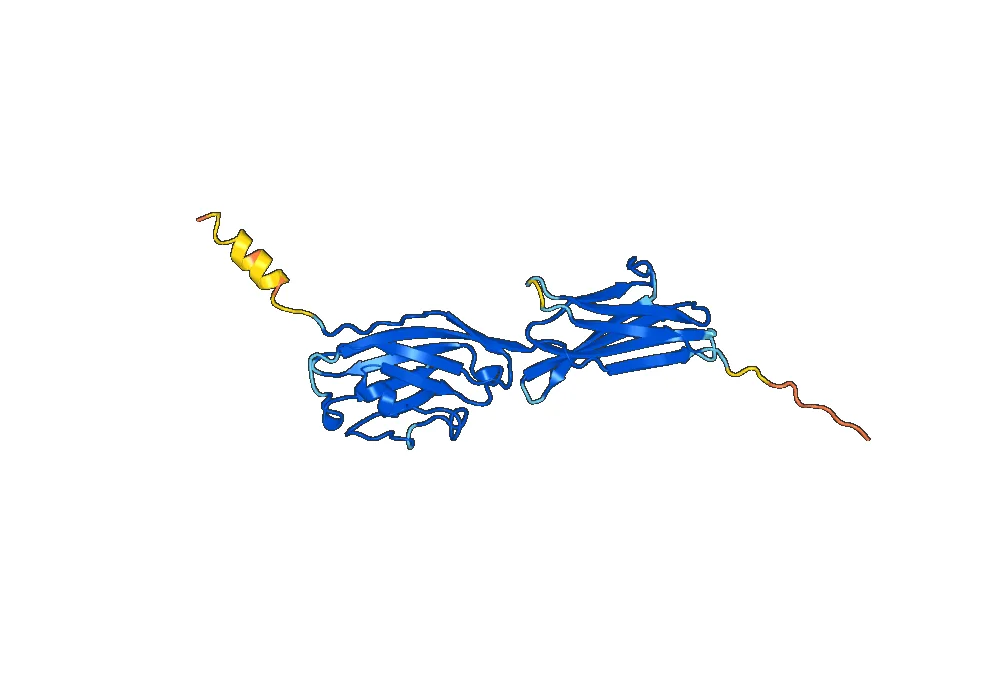
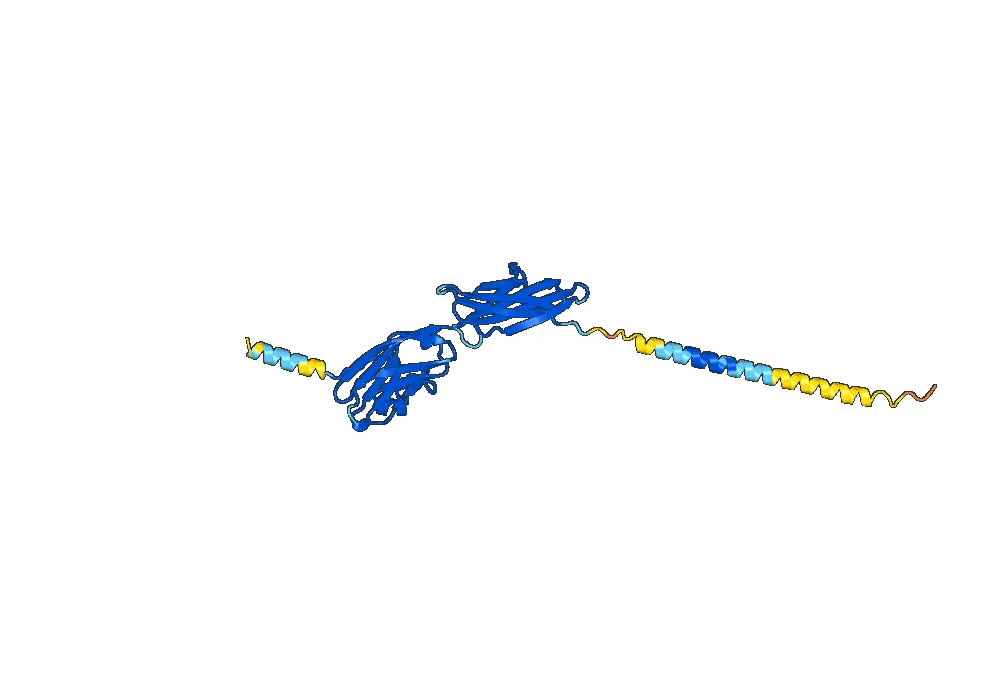
The structure of Tagitanlimab Biosimilar is designed to specifically bind to PD-L1, which is a transmembrane protein expressed on the surface of tumor cells and immune cells. The antibody binds to the extracellular domain of PD-L1, preventing its interaction with its receptor PD-1 on T cells. This blockade of the PD-L1/PD-1 pathway leads to the activation of T cells and enhances the anti-tumor immune response.
Activity of Tagitanlimab Biosimilar
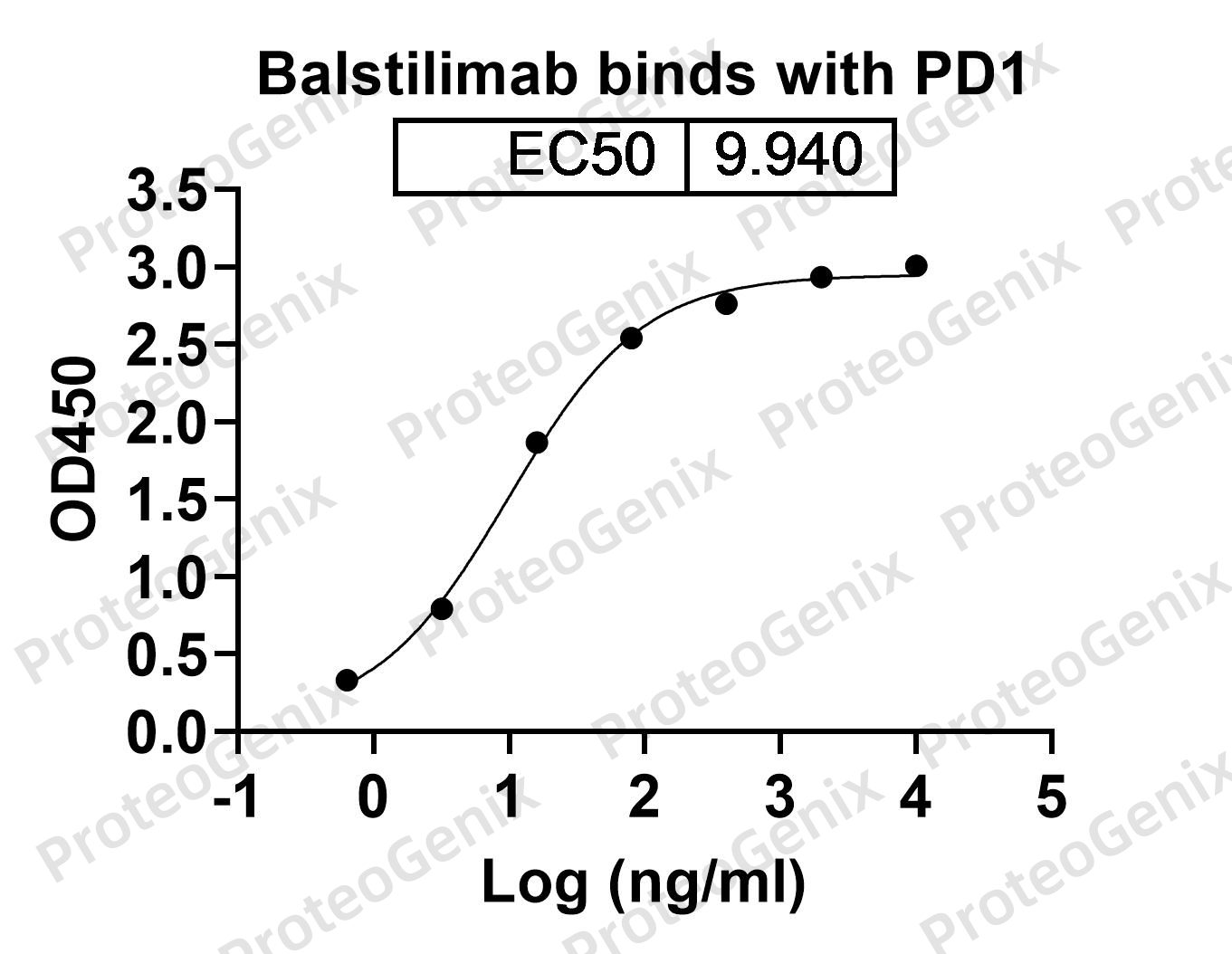
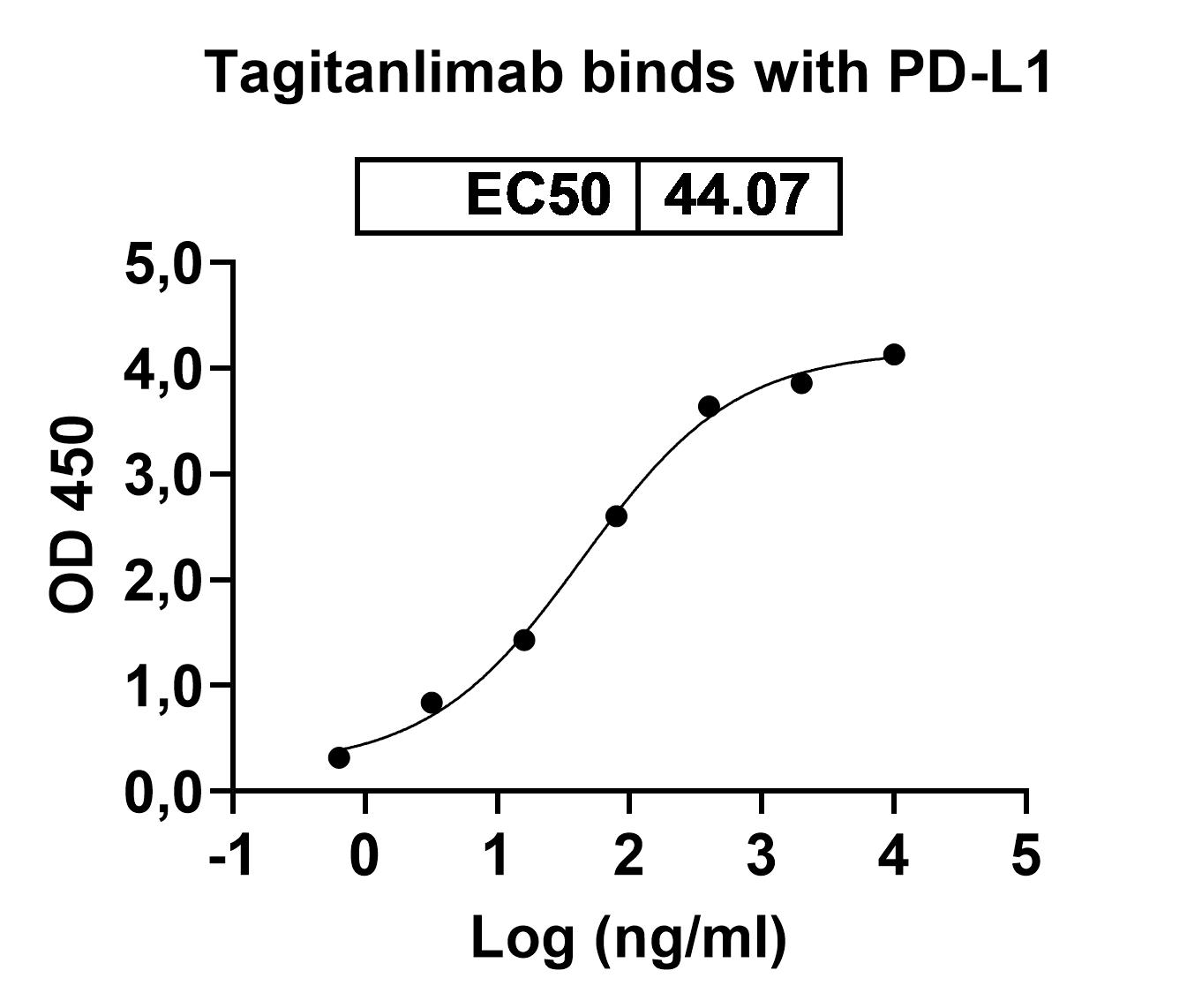
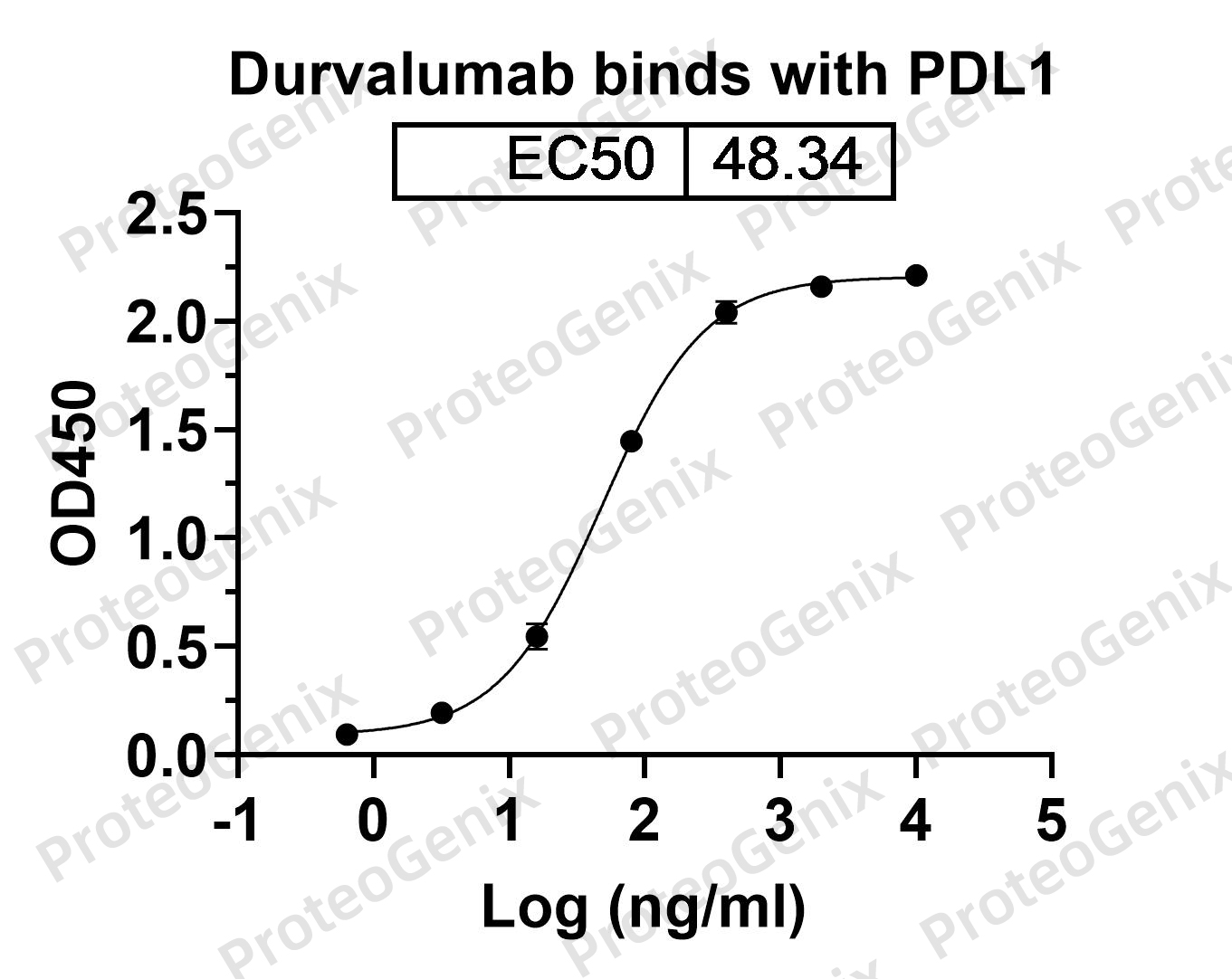
Tagitanlimab Biosimilar has been shown to have similar activity to atezolizumab in preclinical studies. It has a high affinity for PD-L1, with a dissociation constant (Kd) of 0.1 nM. This strong binding affinity allows for effective inhibition of the PD-L1/PD-1 pathway. In addition, Tagitanlimab Biosimilar has been shown to induce antibody-dependent cell-mediated cytotoxicity (ADCC) and complement-dependent cytotoxicity (CDC) in tumor cells expressing PD-L1.
Moreover, Tagitanlimab Biosimilar has been shown to have a longer half-life compared to atezolizumab, making it a more convenient option for research studies. It also has a lower immunogenicity potential, as it is a humanized antibody, reducing the risk of immune reactions in research settings.
Application of Tagitanlimab Biosimilar
Tagitanlimab Biosimilar is primarily used in research settings to study the role of PD-L1 in cancer progression and to evaluate the efficacy of PD-L1 inhibition in cancer treatment. It can be used to study the effect of PD-L1 blockade on the immune response, tumor growth, and metastasis in various cancer types, such as lung cancer, bladder cancer, and melanoma.
In addition, Tagitanlimab Biosimilar can also be used in combination with other therapies, such as chemotherapy or other immune checkpoint inhibitors, to evaluate potential synergistic effects. Its longer half-life and lower immunogenicity make it a suitable candidate for long-term studies and combination therapies.
Furthermore, Tagitanlimab Biosimilar can also be used to develop diagnostic assays for PD-L1 expression in tumors, as well as to monitor PD-L1 levels in response to treatment. This can aid in patient selection for PD-L1 targeted therapies and in monitoring treatment response.
Conclusion
In summary, Tagitanlimab Biosimilar is a recombinant humanized monoclonal antibody that specifically targets PD-L1 and has similar activity to atezolizumab. Its structure, activity, and application make it a valuable tool for studying the role of PD-L1 in cancer and evaluating the efficacy of PD-L1 inhibition in cancer treatment. Its longer half-life and lower immunogenicity also make it a suitable candidate

There are no reviews yet.