Introduction:
Danburstotug Biosimilar – Anti-PD-L1 mAb – Research Grade is a monoclonal antibody that has shown promising results in the field of cancer immunotherapy. This biosimilar is designed to target the programmed death-ligand 1 (PD-L1) protein, which is a key immune checkpoint that is often overexpressed in cancer cells. In this article, we will explore the structure, activity, and potential applications of this innovative biosimilar.
Structure of Danburstotug Biosimilar:
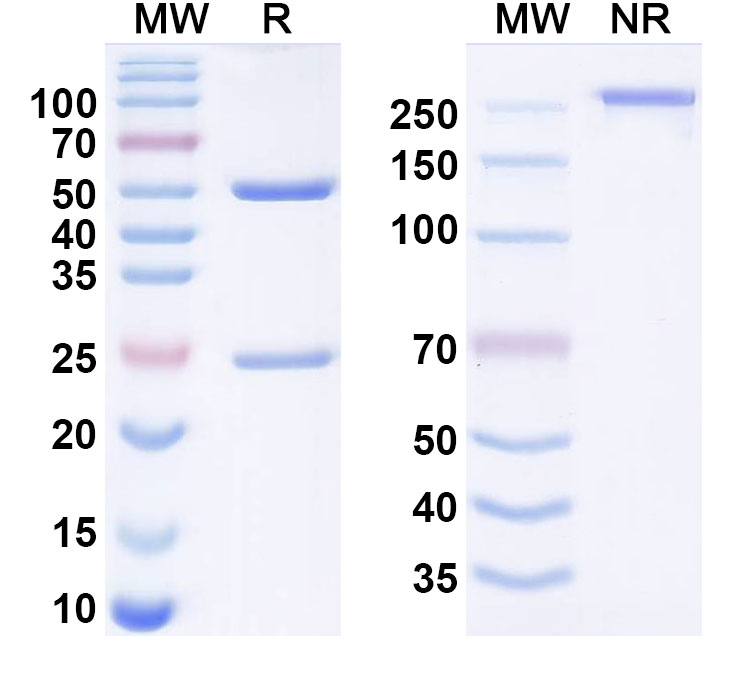
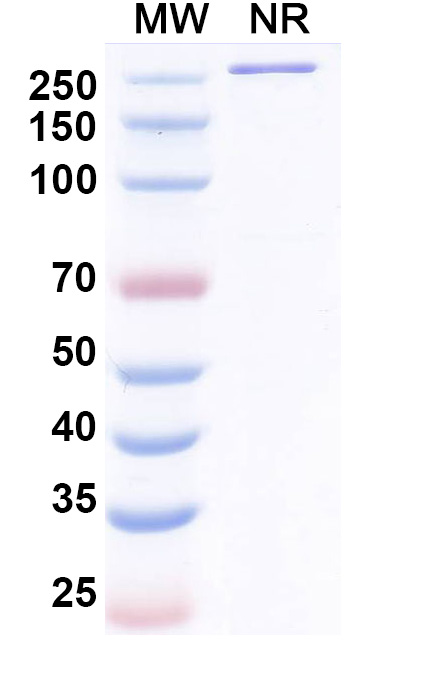
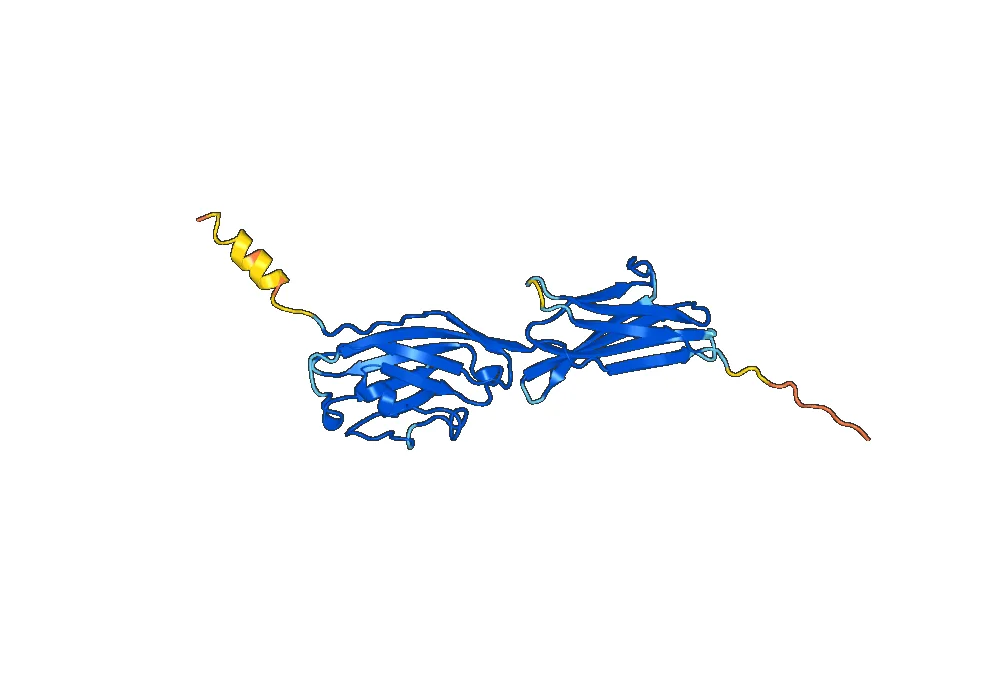
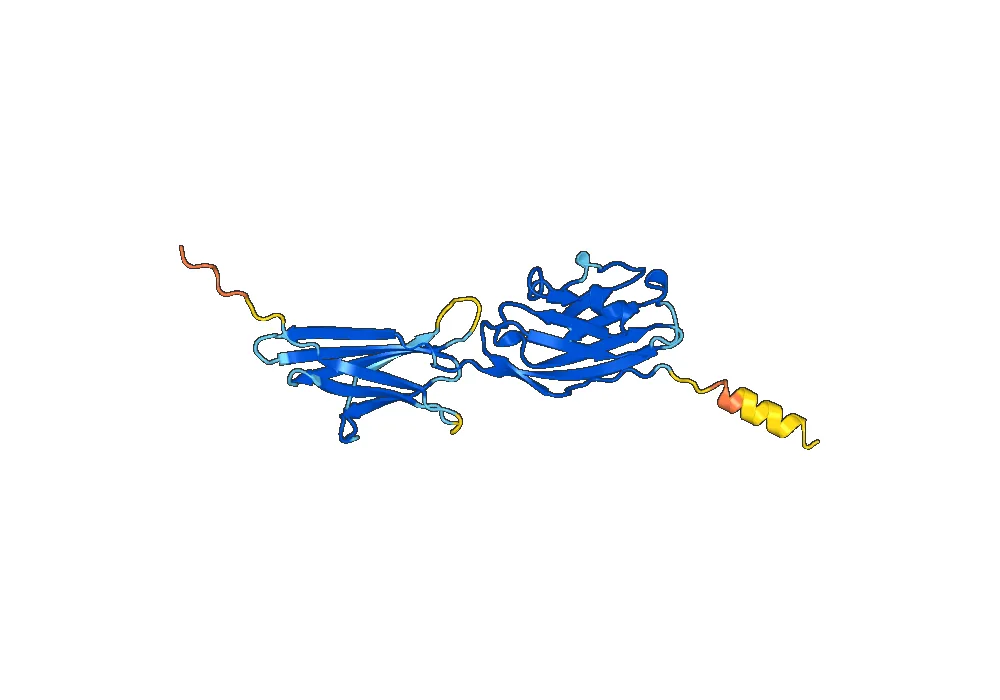
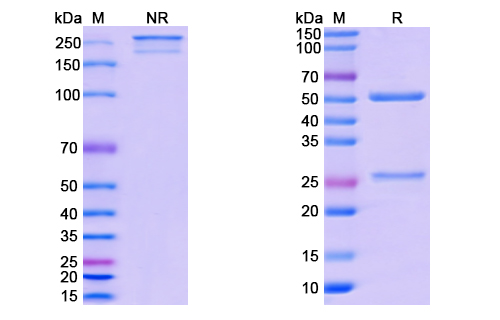
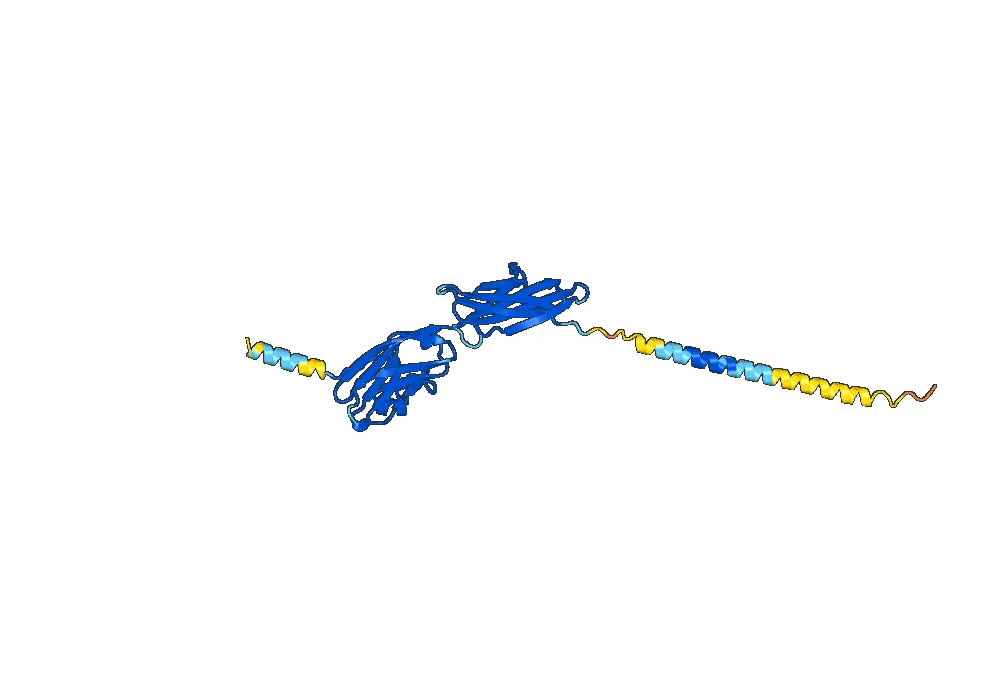
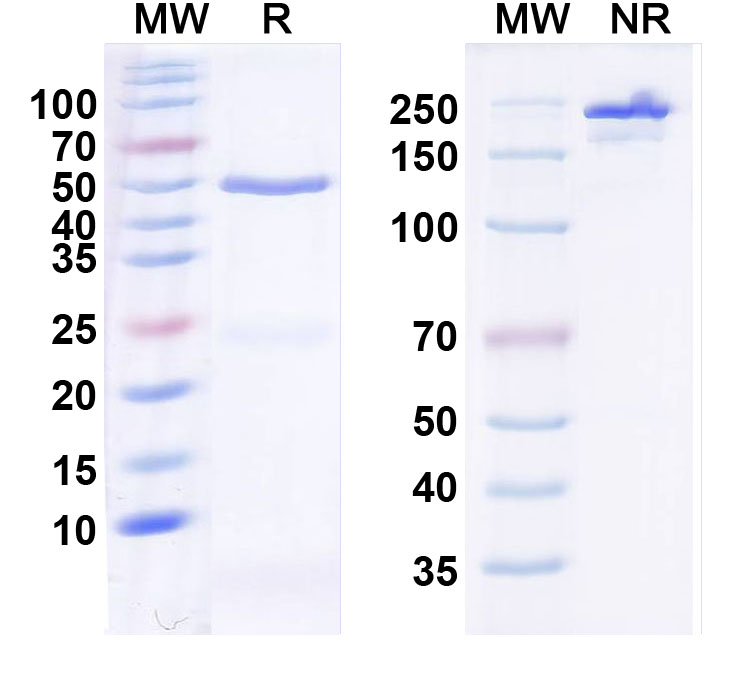
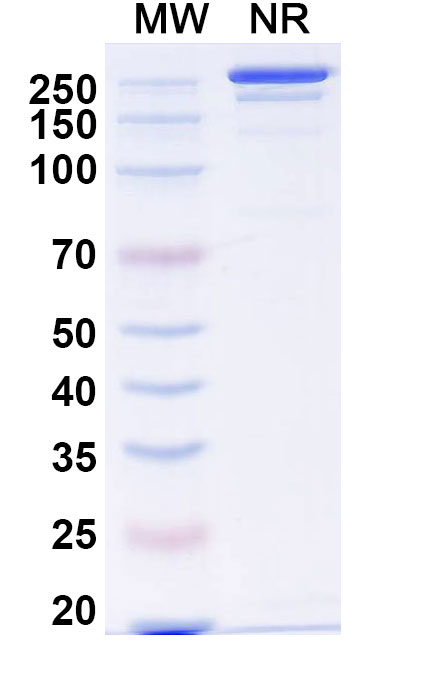
Danburstotug Biosimilar is a recombinant monoclonal antibody that is produced using advanced biotechnology techniques. It is a fully humanized antibody, meaning that it is derived from human genetic material and has a high affinity for its target, PD-L1. The antibody has a molecular weight of approximately 150 kDa and is composed of two heavy chains and two light chains. The heavy chains are further divided into four constant regions (Fc) and one variable region (VH), while the light chains contain two constant regions (CL) and one variable region (VL). The variable regions are responsible for binding to the target protein, while the constant regions provide structural stability and determine the antibody’s effector functions.
Activity of Danburstotug Biosimilar:
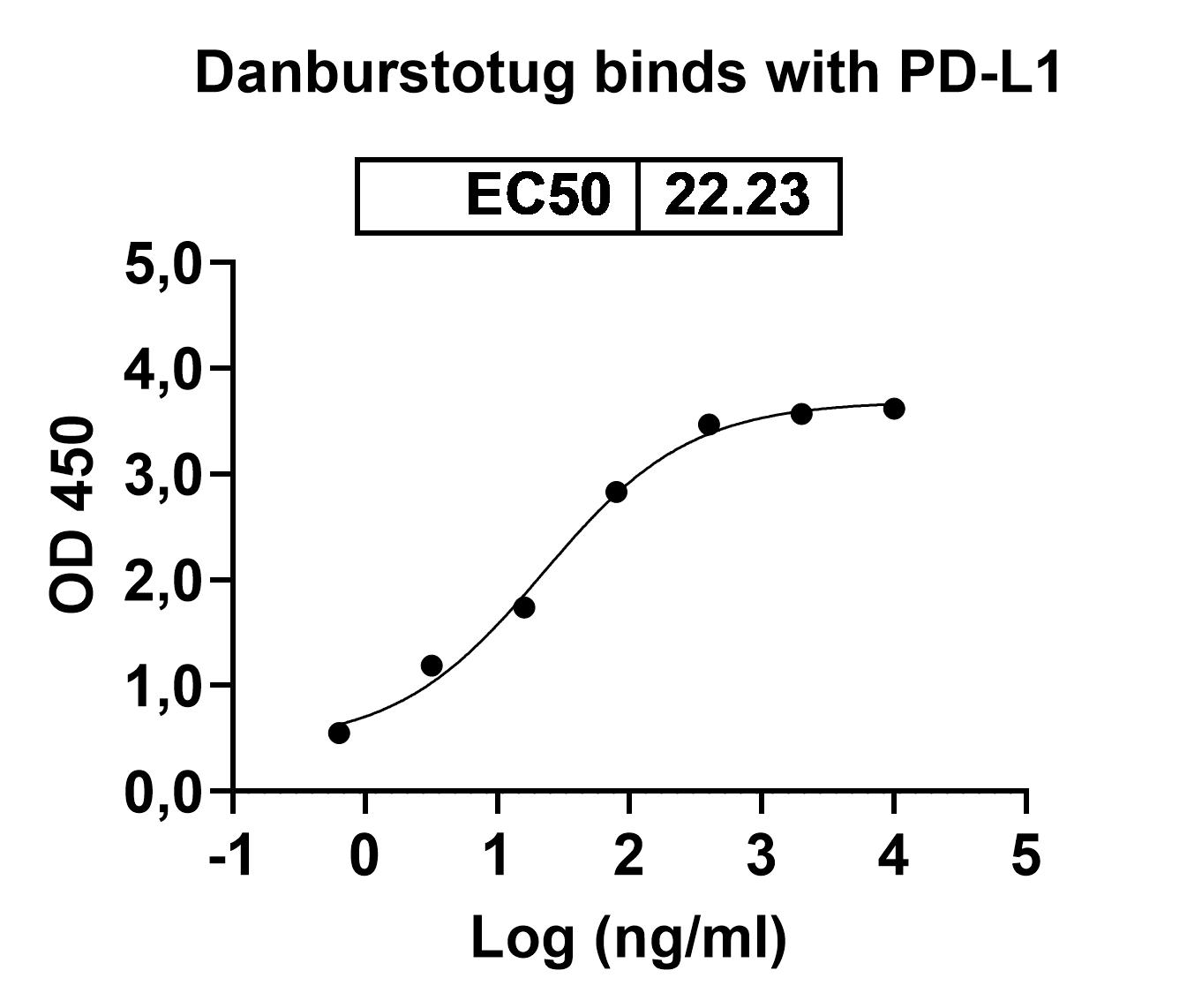
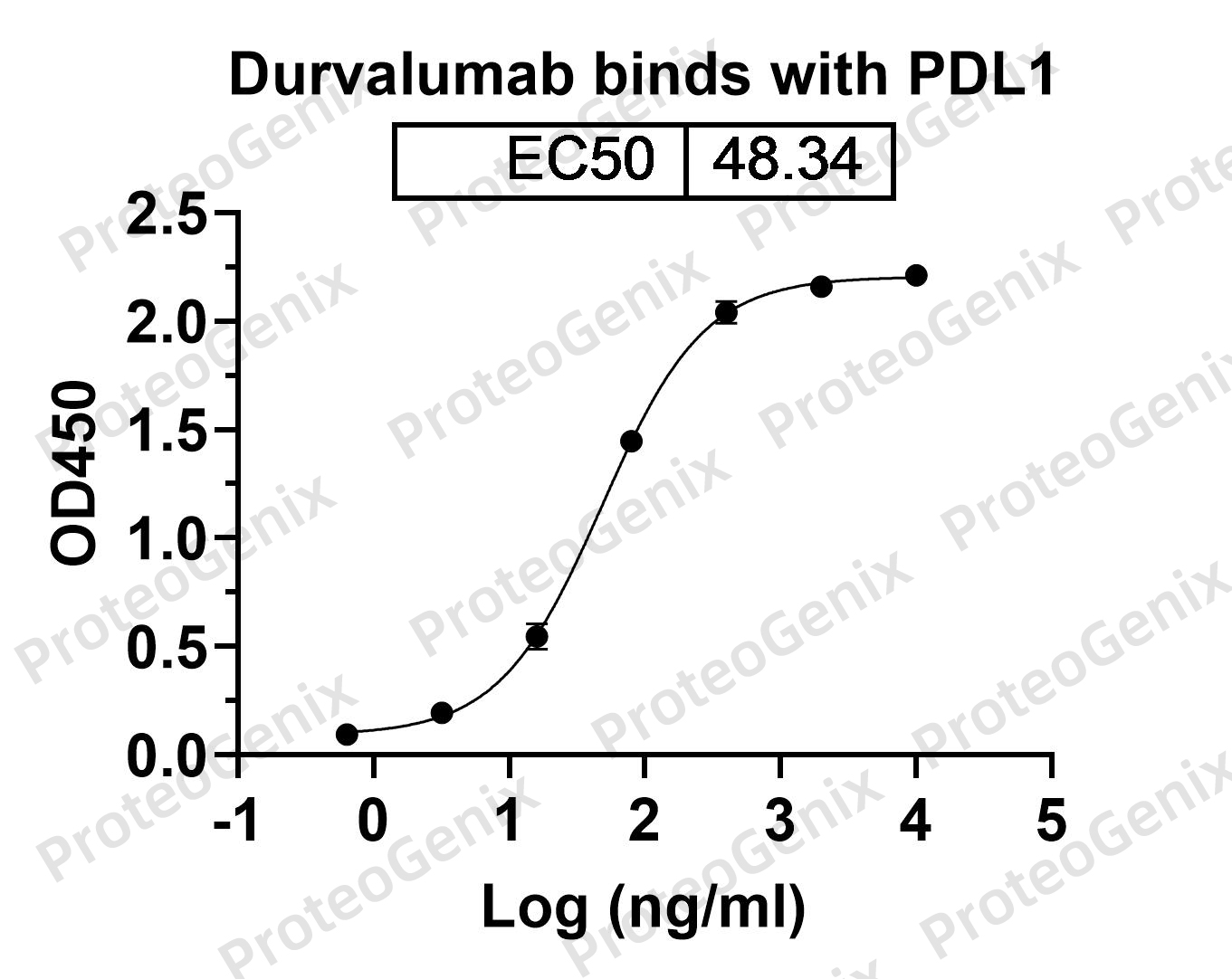
The primary function of Danburstotug Biosimilar is to block the interaction between PD-L1 and its receptor, programmed cell death protein 1 (PD-1). This interaction is known to suppress the immune response against cancer cells, allowing them to evade detection and destruction by the immune system. By binding to PD-L1, Danburstotug Biosimilar prevents this immune checkpoint from being activated, thereby restoring the immune system’s ability to recognize and attack cancer cells. In addition, the antibody also has the potential to induce antibody-dependent cellular cytotoxicity (ADCC) and complement-dependent cytotoxicity (CDC), which can further enhance its anti-tumor activity.
Application of Danburstotug Biosimilar:
Danburstotug Biosimilar has shown promising results in preclinical studies and is currently being evaluated in clinical trials for the treatment of various types of cancer. The biosimilar has shown particular efficacy in tumors that overexpress PD-L1, such as non-small cell lung cancer, melanoma, and bladder cancer. In addition, it has also shown potential in combination with other cancer therapies, such as chemotherapy and other immunotherapies. The biosimilar is being developed as a research grade product, which means it is intended for use in laboratory research and not for therapeutic purposes.
Conclusion:
In conclusion, Danburstotug Biosimilar – Anti-PD-L1 mAb – Research Grade is a novel monoclonal antibody that has the potential to revolutionize cancer treatment. Its unique structure and mechanism of action make it a promising candidate for targeting PD-L1, a key immune checkpoint in cancer. With ongoing clinical trials and further research, this biosimilar has the potential to provide a new and effective treatment option for patients with various types of cancer.
There are no reviews yet.